

As April unfolds, the global spotlight once again turns to Fashion Revolution Week, an annual campaign that galvanizes the world’s largest fashion activism movement. Running from April 22nd to 28th, 2026, this week-long initiative serves as a crucial platform for collective action, demanding greater transparency, accountability, and ethical practices within the vast and often opaque global fashion industry. In its eleventh year, the movement reaffirms its foundational principles, urging consumers, brands, and policymakers alike to prioritize human rights and environmental stewardship over unchecked growth and profit.
The Genesis of a Movement: Remembering Rana Plaza
Fashion Revolution Week was born from an unimaginable tragedy: the collapse of the Rana Plaza garment factory in Dhaka, Bangladesh, on April 24, 2013. This catastrophic event, which claimed the lives of 1,138 workers and injured over 2,500, laid bare the devastating human cost of the fast fashion model. Rana Plaza was not merely an accident; it was a stark illustration of systemic failures, including unsafe working conditions, forced overtime, and a relentless pressure from international brands for ever-cheaper production. The victims, predominantly women, were producing garments for numerous well-known global retailers, highlighting the intricate and often exploitative nature of global supply chains.
The immediate aftermath saw a global outpouring of grief and outrage, sparking critical questions about who truly pays the price for our clothing. In response to this profound injustice, Fashion Revolution was established by Carry Somers and Orsola de Castro. Their vision was clear: to transform the fashion industry into a force for good, ensuring that the rights of people and the planet are respected at every stage of production. The movement’s inception marked a pivotal moment, shifting the conversation from mere consumerism to ethical consumption and corporate responsibility, and laying the groundwork for a sustained global advocacy effort.
A Decade of Advocacy: Progress and Persistent Challenges
Over the past decade, Fashion Revolution has evolved from a nascent response to a global phenomenon, establishing itself as a leading voice for change. Its iconic #WhoMadeMyClothes? campaign has resonated worldwide, compelling millions of consumers to question the origins of their garments and pressuring brands to disclose more about their supply chains. This persistent inquiry has driven incremental, yet significant, shifts towards greater transparency. For instance, reports indicate a gradual increase in brands publishing their supplier lists, moving from negligible figures pre-2013 to a growing, albeit still insufficient, percentage today. This transparency is a critical first step, as it enables scrutiny and accountability from civil society organizations, unions, and consumers.
Despite these strides, the challenges confronting the fashion industry remain formidable. The relentless pursuit of profit continues to fuel a system built on the exploitation of both labor and natural resources. The environmental footprint of the fashion sector is staggering. It is estimated to be responsible for 2-8% of global greenhouse gas emissions, a figure projected to rise significantly without radical intervention. The production of textiles is highly resource-intensive, consuming vast quantities of water – for example, a single cotton t-shirt can require up to 2,700 liters of water, equivalent to what one person drinks in 2.5 years. Moreover, the industry generates immense waste, with an estimated 92 million tons of textile waste ending up in landfills annually, much of it non-biodegradable synthetic fibers that contribute to microplastic pollution in oceans and ecosystems.
On the social front, millions of garment workers, predominantly women in developing countries, continue to face precarious employment, low wages, and unsafe conditions. The concept of a "living wage" – a wage sufficient to afford a decent standard of living for workers and their families – remains largely aspirational in many production hubs. Studies consistently show that garment workers often earn significantly below a living wage, trapping them in cycles of poverty despite their critical role in a multi-trillion-dollar industry. This economic disparity highlights a fundamental imbalance where wealth and power are concentrated at the top of the supply chain, while those at the bottom struggle to meet basic needs.
Navigating a Shifting Landscape: Fashion Revolution’s Evolving Strategy
Fashion Revolution Week 2026 unfolds against a backdrop of complex global dynamics. The current landscape presents new hurdles, including a tightening of funding and corporate support for sustainability initiatives. Economic uncertainties, exacerbated by ongoing geopolitical crises, have led to increased operational costs for brands and suppliers alike. This pressure disproportionately affects smaller brands struggling to survive and, most critically, garment workers who often bear the brunt of cost-cutting measures, facing reduced hours, job losses, or even more precarious conditions.
In a significant strategic recalibration, Fashion Revolution itself recently announced the closure of its UK headquarters. This move is not a retreat but rather a pivot towards a "more federated, globally coordinated, and locally led next phase of the work." While funding challenges were cited as a contributing factor, this strategic shift underscores a commitment to empowering local activists and movements, recognizing that the most impactful change often originates at the grassroots level. This new model aims to leverage the strength of its global network more effectively, fostering deeper connections and tailored advocacy efforts within diverse cultural and political contexts.
Fashion Revolution leaders emphasize that this evolution strengthens the movement’s core mission. "As a movement we’re going back to our roots, and we’re asking fashion revolutionaries to do the same," the organization stated. "Seek connection, ask questions, and take to the streets – for both a better fashion industry and for future generations that follow in our footsteps." This statement reflects a renewed focus on collective power and direct engagement, acknowledging that while systemic change is necessary, individual and community-level actions are the bedrock of any successful revolution. The implications of this federated model are significant: it could lead to more agile, context-specific campaigns, but also presents challenges in maintaining global cohesion and message consistency. However, by empowering local chapters, Fashion Revolution aims to foster a more resilient and responsive global movement.
The Imperative of Interconnectedness: Sustainability Beyond the Environment
A central tenet of Fashion Revolution’s philosophy is the indivisibility of social and environmental sustainability. The movement staunchly asserts that "there’s no sustainability without fair pay and safe working conditions." This perspective challenges a narrow definition of sustainability that often focuses solely on environmental metrics while overlooking the human element. Exploitative labor practices and environmental degradation are not isolated issues; they are deeply intertwined consequences of a flawed economic model that prioritizes profit over people and planet.
When brands cut corners on wages and working conditions, they often simultaneously neglect environmental safeguards. The pressure to produce at the lowest possible cost can lead to the use of hazardous chemicals, unchecked pollution of local water sources, and disregard for waste management. Conversely, advocating for living wages and safe workplaces empowers workers, giving them a voice to demand better environmental practices and fostering a more holistic approach to responsible production. True sustainability, therefore, encompasses economic justice, social equity, and ecological integrity. It demands a systemic overhaul that redefines value beyond mere financial returns, recognizing the inherent worth of human labor and the finite nature of our planet’s resources.
Empowering the Individual: How to Participate in Fashion Revolution Week 2026
Fashion Revolution Week is designed to be inclusive, offering myriad ways for individuals, communities, and organizations to participate and contribute to the movement’s goals. This year, the focus on "collective action" emphasizes that every voice and every effort, no matter how small, adds to the cumulative force for change.
Attend Fashion Revolution Week Events and Workshops: Across the globe, a diverse array of digital and physical events are planned. These include insightful conferences featuring industry experts, educational workshops on sustainable fashion practices, engaging exhibitions showcasing ethical alternatives, and even online public demonstrations. These events serve as vital hubs for learning, networking, and mobilizing. If local events are scarce, the movement encourages individuals to organize their own gatherings with friends, family, or community groups, fostering local conversations and actions.
Demand Transparency: #WhoMadeMyClothes? and #WhatsInMyClothes?: One of the most impactful and accessible ways to participate is by engaging on social media. Participants are urged to post a selfie wearing their favorite garments, tagging the brand, and asking the crucial questions: #WhoMadeMyClothes? and #WhatsInMyClothes? These hashtags directly challenge brands to disclose information about their supply chains, from the garment workers to the materials used. Persistence is key; if a brand does not respond, continue to ask. Tagging Fashion Revolution (@fash_rev) ensures the movement can track brand responsiveness and amplify individual efforts. This digital activism creates public pressure, signaling to brands that consumers are increasingly demanding ethical sourcing and transparency.
Amplify the Message: Spreading awareness is fundamental to any movement. Fashion Revolution provides a comprehensive collection of promotional assets, including social media templates, printable posters, and official campaign branding packs. Downloading and sharing these resources helps to broaden the movement’s reach, inviting more people to learn about the issues and join the cause. Beyond digital sharing, engaging in face-to-face conversations with family and friends about the global impact of clothing is a powerful step. Fashion Revolution’s "Talk Climate Change" site offers inspiration and a platform to map these conversations, connecting local dialogues to a global network of "Fashion Revolutionaries."
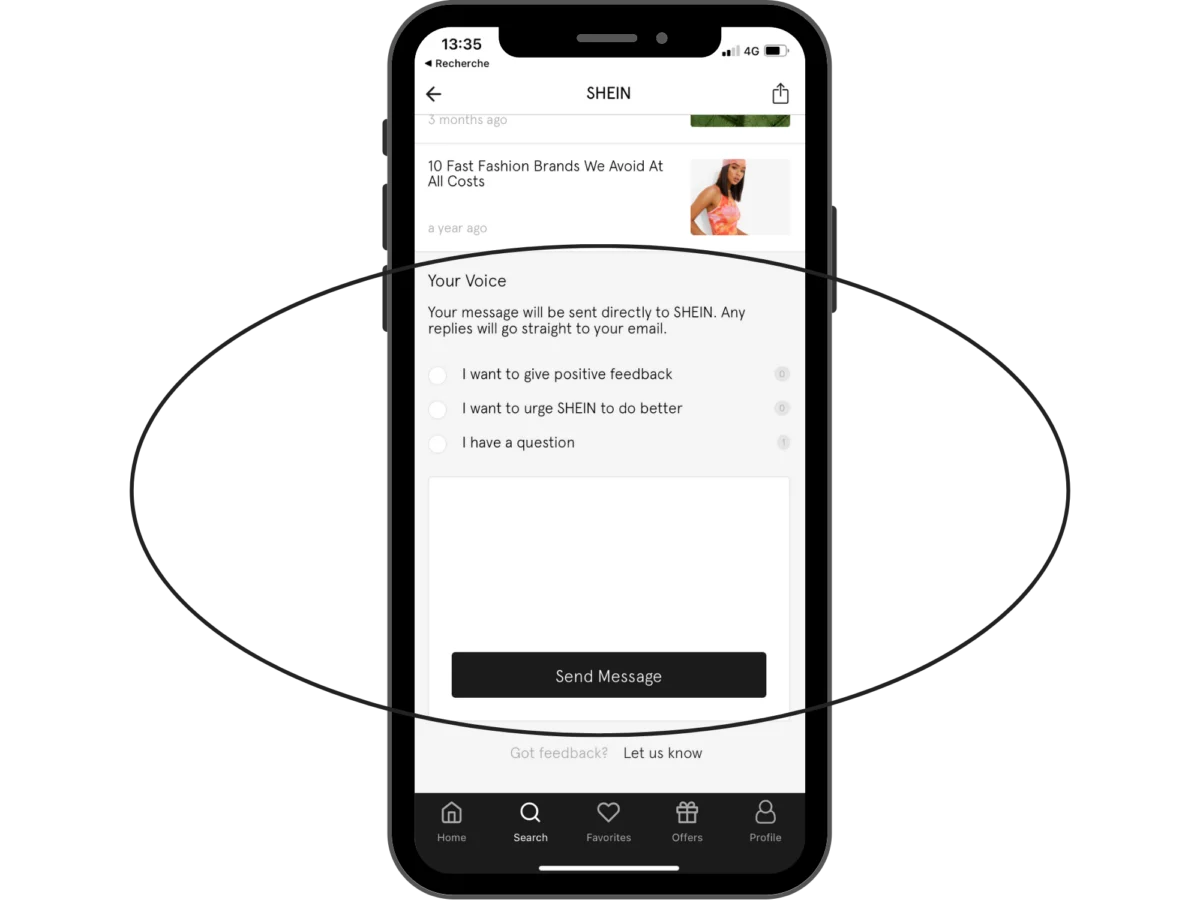
Direct Engagement with Brands: For those seeking a more direct approach, Fashion Revolution has streamlined the process of communicating with brands. A readily available PDF template allows individuals to write letters directly to their favorite brands, formally requesting information about their production practices and encouraging them to improve. Additionally, the Good On You app provides a convenient feature for users to send messages directly to brands. This platform allows users to give positive feedback to brands demonstrating good practices or to urge others to improve, making direct consumer advocacy more accessible than ever before.
The Path Forward: A Collective Vision for Fashion
Fashion Revolution Week 2026 serves as a powerful reminder that the journey towards a truly ethical and sustainable fashion industry is ongoing. While significant progress has been made in raising awareness and fostering transparency over the past decade, systemic change requires sustained collective effort. The shift towards a more federated model reflects the movement’s adaptability and commitment to empowering a global network of activists.
The core message remains unwavering: the fashion industry must prioritize people and the planet over profit. This vision necessitates a radical reimagining of how clothes are made, consumed, and valued. It calls for brands to invest in living wages, safe working conditions, and environmentally sound practices. It calls for policymakers to enact and enforce robust regulations that hold corporations accountable. And it calls for consumers to be conscious citizens, demanding transparency, supporting ethical brands, and challenging the culture of disposability that defines fast fashion. Fashion Revolution Week is more than just a campaign; it is a global declaration that a better, more equitable, and sustainable fashion future is not just possible, but imperative. The revolution continues, powered by the collective action of millions.