









The intersection of generative artificial intelligence and high fashion has reached a new milestone with the formal launch of Alta, an AI-powered personal styling platform that recently closed an $11 million seed funding round. Led by Menlo Ventures, the investment signals a significant shift in how venture capital views the next generation of consumer technology, moving away from generic search engines and toward hyper-personalized, agentic interfaces. Founded by 28-year-old Harvard-trained engineer Jenny Wang, Alta aims to solve a perennial consumer challenge: the fragmentation of personal wardrobes and the friction of the daily "what to wear" decision-making process.
For Wang, Alta represents the culmination of a decade-long ambition. Throughout her career in the technology sector, she repeatedly revisited the concept of a digital personal styling agent—a tool capable of curating outfits based on a user’s existing inventory, budget, lifestyle, and external variables like weather or calendar events. While the concept has been a staple of science fiction and pop culture for decades, Wang maintains that the underlying technology only recently reached the level of maturity required to make such a product viable. The current boom in large language models (LLMs) and advanced computer vision has finally provided the "technical architecture" necessary to bridge the gap between a static digital closet and a dynamic, intelligent stylist.
The Evolution of the Digital Closet: From Fiction to Functional AI
The vision for Alta is frequently compared to the iconic computerized wardrobe depicted in the 1995 film "Clueless." In that cinematic representation, the protagonist uses a primitive interface to mix and match items from her physical closet. While several startups, including Whering and Cladwell, have attempted to digitize this experience over the years, Alta distinguishes itself through its "agentic" approach. Rather than acting as a simple digital catalog, Alta functions as an active participant in the user’s fashion choices.
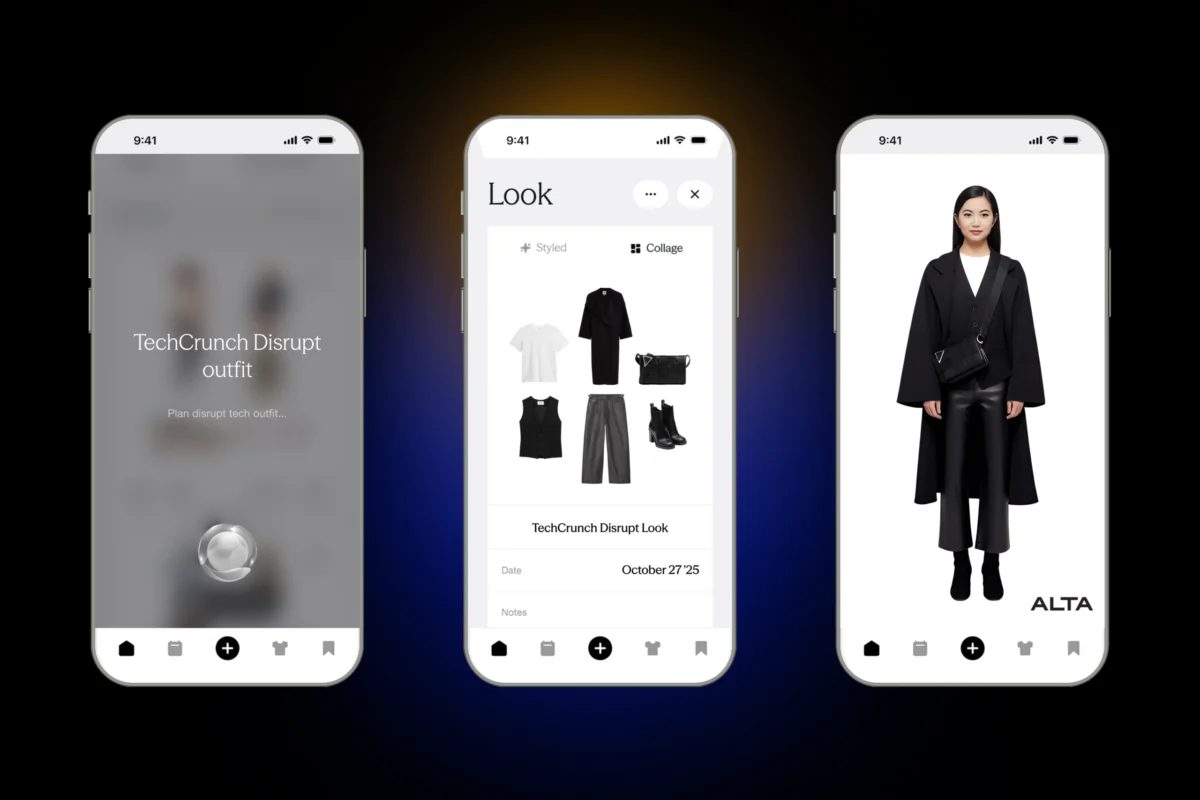
The platform allows users to digitize their wardrobes through several high-friction-reducing methods: uploading photos of garments, forwarding digital purchase receipts, or selecting items from Alta’s extensive existing database. Once a closet is digitized, the AI generates a personalized virtual avatar of the user. This avatar serves as a digital twin, allowing users to "try on" looks virtually before physically dressing. The utility extends beyond the existing closet; users can "wear" items they are considering for purchase, seeing how a potential new blazer might pair with trousers they already own. This "mixed-reality" approach to shopping aims to reduce the high return rates that plague the e-commerce industry, which some estimates suggest can reach as high as 30% for apparel.
Technical Foundation and Expert-Led Training
A critical differentiator for Alta is the pedigree of its training data. To ensure the AI offers advice that aligns with professional fashion standards, Wang enlisted Meredith Koop, the long-time stylist for former First Lady Michelle Obama. Koop’s involvement goes beyond a mere endorsement; she has been instrumental in training Alta’s proprietary models. By encoding the logic and aesthetic sensibilities of a world-class stylist into the AI, Alta attempts to move past basic color-matching algorithms toward sophisticated outfit construction that considers silhouette, occasion-appropriateness, and personal branding.
Wang, who remains deeply involved in the technical development of the platform, continues to code daily alongside her engineering team. She argues that the future of consumer AI cannot rely on the user interfaces of the past. While legacy players like Google Shopping and Pinterest have integrated AI features to suggest similar products, Wang believes these platforms are fundamentally built for search, not for personalized service. Alta’s architecture is designed from the ground up to prioritize the individual user’s context—their specific body type, their local weather forecast, and the specific nuances of their professional and social calendars.
A Powerhouse Syndicate of Investors
The $11 million seed round attracted a diverse and strategically significant group of investors, reflecting the cross-disciplinary nature of the product. Beyond lead investor Menlo Ventures, the round included participation from:
- Aglaé Ventures: The investment arm backed by the Arnault family, the owners of the LVMH luxury empire. Their participation suggests a high level of interest from the traditional luxury sector in how AI will reshape consumer behavior.
- Benchstrength: A venture firm known for its focus on modern consumer platforms.
- Phenomenal Ventures: Founded by Meena Harris, this firm focuses on companies with high cultural impact.
- Anthology Fund: The venture arm of Anthropic, one of the leaders in the development of safe and powerful AI models.
- High-Profile Angels: The list of individual backers includes DoorDash CEO Tony Xu, Poshmark CEO Manish Chandra, and Rent the Runway co-founder Jenny Fleiss. The inclusion of supermodels Karlie Kloss and Jasmine Tookes further underscores the platform’s credibility within the fashion elite.
This mix of technical expertise (Anthropic, Tony Xu) and fashion industry dominance (LVMH, Karlie Kloss) provides Alta with a unique vantage point. It allows the company to navigate the complexities of machine learning while maintaining the aesthetic standards required to gain traction in the competitive fashion market.
Strategic Partnerships and Global Ambitions
Alta’s go-to-market strategy involves high-level institutional partnerships rather than relying solely on direct-to-consumer marketing. The company has already established a partnership with the Council of Fashion Designers of America (CFDA). This collaboration provides Alta with direct access to the CFDA’s extensive membership base, allowing the startup to integrate its technology with some of the most influential brands in American fashion.
Furthermore, Alta has secured a partnership with organizational expert Marie Kondo. As the company expands its footprint into Oceania and the Pacific, Kondo’s philosophy of mindful consumption and organization aligns with Alta’s goal of helping users maximize the value of what they already own. This partnership hints at a broader utility for the app: moving from a styling tool to a comprehensive "life management" platform for the home.
The decision to relocate the company headquarters from San Francisco to New York City was a strategic move dictated by the geography of the fashion industry. Wang noted that New York provides closer proximity to the European fashion capitals, particularly Paris, which is essential for maintaining the relationship with LVMH and other European luxury stakeholders. Zita d’Hauteville, a prominent tech influencer and one of the company’s angel investors, is reportedly assisting with the startup’s European expansion strategy.
Market Context and Future Implications
The launch of Alta comes at a time when the "AI for everything" trend is beginning to consolidate into specialized, high-utility applications. According to industry reports, the global market for AI in the fashion industry is projected to reach several billion dollars by the end of the decade, driven by consumer demand for personalization and the retail industry’s need for efficiency.
By focusing on the "digital twin" and the "personal stylist" model, Alta addresses several pain points simultaneously. For the consumer, it reduces the cognitive load of daily dressing and the financial waste of "clutter" purchases. For the retailer, it offers a path toward lower return rates and higher-intent shopping. If a user can see exactly how a new item fits into their existing wardrobe via a virtual avatar, the likelihood of that purchase being successful increases exponentially.
The broader implication of Alta’s success would be a shift in the retail power dynamic. In the traditional model, retailers push products to consumers based on broad demographic data. In the Alta model, the AI agent acts as a gatekeeper and curator, pulling products into the user’s digital world only when they fit a specific, pre-existing need or aesthetic profile.
Timeline and Research Development
The fresh capital from the seed round is earmarked for two primary objectives: team growth and aggressive research and development. Wang emphasized that the company’s in-house models require continuous updating to keep pace with the rapid advancements in generative AI. The next phase of development will likely focus on enhancing the fidelity of the virtual avatars and deepening the integration with global retail APIs.
As the team expands in New York, the focus remains on maintaining a balance between technical rigors and fashion obsession. Wang’s background—spanning an internship at DoorDash, serving as a technical advisor to various brands, and her education as a Harvard engineer—sets a template for the type of talent the company is recruiting.
Looking ahead, Alta plans to announce further partnerships with global retailers, potentially allowing users to purchase items directly through the app’s styling interface. If successful, Alta could transition from a niche styling tool into the primary interface through which millions of consumers interact with the fashion industry. For Jenny Wang, the journey from an idea that "was not yet mature enough" to an $11 million-backed startup represents not just a personal achievement, but the beginning of a new era in digital consumerism.