








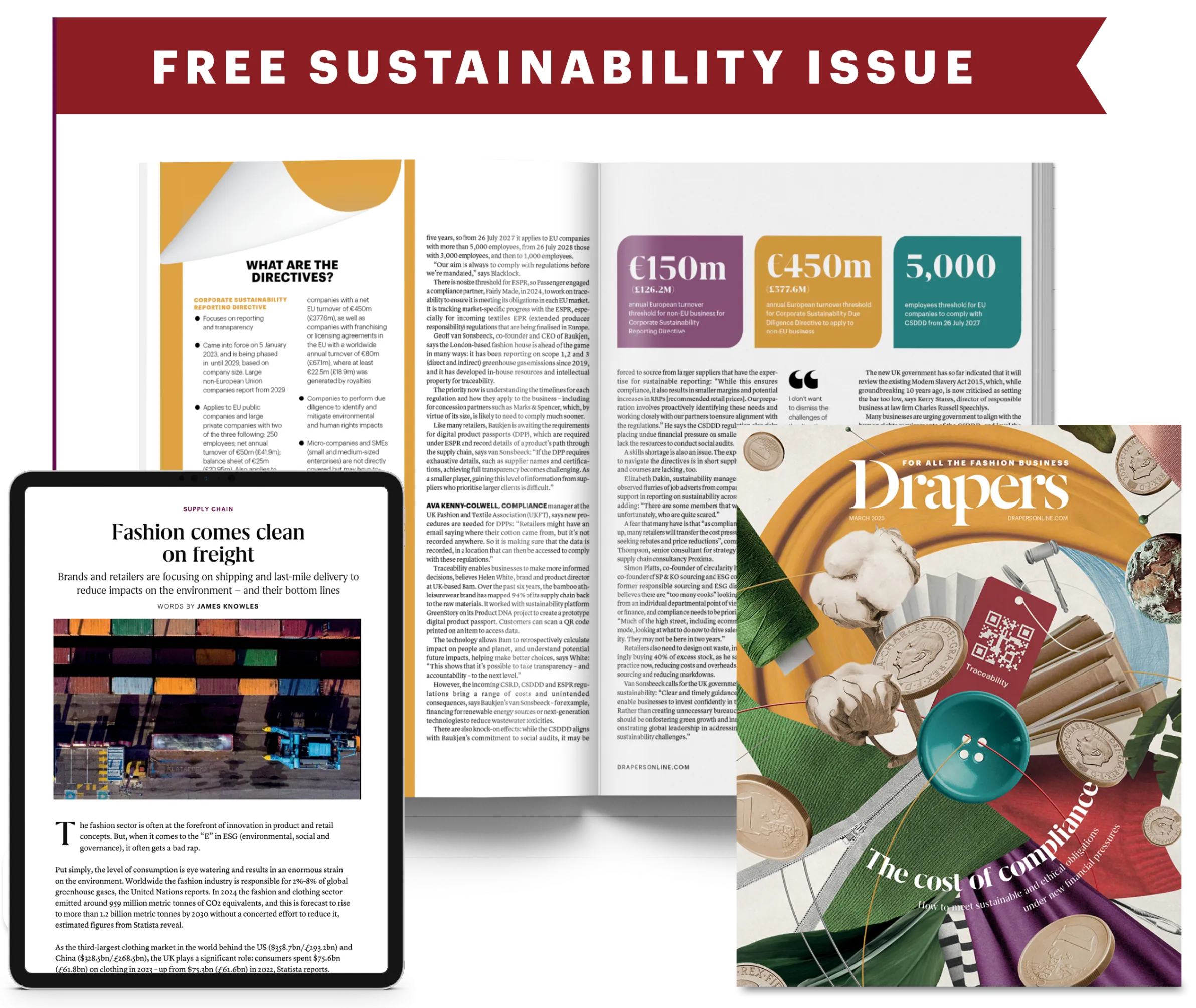
Drapers’ comprehensive 2026 analysis reveals a significant upward trajectory in hourly pay across the UK fashion retail sector, driven by a confluence of inflationary pressures, a competitive labour market, and sustained increases in the National Living Wage (NLW). The latest data indicates that average hourly pay for entry-level fashion retail staff in the UK reached approximately £12.50 by early 2026, marking an 8.7% increase from the previous year. This figure not only comfortably surpasses the £11.80 National Living Wage set to take effect in April 2026 but also underscores a strategic investment by retailers in attracting and retaining talent amidst evolving economic conditions. The sector’s commitment to enhancing employee remuneration reflects a broader recognition of the critical role frontline staff play in customer experience and operational success, moving beyond mere compliance with statutory minimums to proactive engagement with workforce welfare.
The Driving Forces Behind Wage Growth in 2026
The sustained push for higher wages in fashion retail is multifaceted. At its core is the government’s continued commitment to increasing the National Living Wage, which has seen consistent annual increments since its introduction in 2016. By April 2026, the NLW is projected to reach its highest level yet, impacting a substantial portion of the retail workforce. This legislative floor often serves as a benchmark, prompting retailers to adjust their pay scales upwards to maintain competitive differentials and avoid a "minimum wage mentality" among their staff.
Beyond regulatory mandates, the macroeconomic environment plays a crucial role. Persistent inflationary pressures, although showing signs of moderation, have eroded real wages for several years, placing significant financial strain on households. In response, employees and unions have intensified calls for pay rises that genuinely reflect the rising cost of living. Retailers, acutely aware of the impact on staff morale and financial well-being, have often pre-empted or exceeded NLW increases to demonstrate corporate responsibility and mitigate potential industrial relations issues.
Furthermore, the post-pandemic labour market has fundamentally shifted. The retail sector, like many others, faces ongoing challenges in recruitment and retention. A declining pool of available labour, coupled with increased competition from sectors such as logistics, hospitality, and e-commerce for similar skill sets, has forced fashion retailers to elevate their compensation packages. The demand for digitally-savvy staff capable of managing omnichannel operations, processing online orders, and providing sophisticated in-store customer service has also intensified, creating a need for more skilled roles that command higher remuneration. This competitive landscape means that simply offering the NLW is often insufficient to attract the best candidates, leading many retailers to position their starting pay significantly above the legal minimum.
Key Retailers Leading the Charge: A Drapers’ Overview
Drapers’ 2026 roundup highlights several prominent fashion retailers who have made significant investments in their hourly pay structures. High street giants, often seen as bellwethers for the sector, have been particularly active. For instance, Primark, a volume leader, announced a further pay increase in late 2025, bringing its entry-level hourly rate to £12.75 across the UK, with London weighting pushing some rates higher. This strategic move aims to solidify its position as an attractive employer, particularly for younger workers and those seeking flexible employment. Similarly, Next, renowned for its robust operational efficiency, raised its baseline hourly pay to £12.60 for store staff, coupled with an enhanced benefits package that includes improved staff discounts and extended parental leave options. These proactive adjustments reflect a conscious effort to not only comply with future NLW increases but to stay ahead of market expectations.
Mid-market and premium fashion brands have also responded robustly. Zara (Inditex), known for its fast-fashion model, implemented a sector-leading hourly rate of £13.00 for its core sales assistants, acknowledging the intensive customer service and merchandising demands placed on its staff. Luxury retailers, while traditionally offering higher base rates, have also seen incremental increases, with many setting their entry-level pay at £14.00 or more, often supplemented by performance-related bonuses and more comprehensive benefits packages designed to attract and retain highly polished and knowledgeable sales associates.
The data also reveals a trend among retailers to differentiate pay based on location and experience. London-based roles, for example, consistently command a premium, with average hourly rates often £1-£2 higher than the national average, reflecting the higher cost of living in the capital. Furthermore, staff with specific skills, such as visual merchandising expertise, advanced product knowledge, or proficiency in digital tools for inventory management and customer relationship management, are increasingly receiving higher starting wages and more rapid pay progression pathways. This tiered approach signals a growing recognition of specialized skills within the broader retail associate role.

A Chronology of Wage Evolution in UK Retail
The current state of retail pay in 2026 is the culmination of a decade of significant shifts, particularly since the introduction of the National Living Wage in April 2016. Prior to this, the minimum wage was lower and applied to a broader age range. The NLW, initially set at £7.20 for workers aged 25 and over, immediately elevated pay for a substantial portion of the retail workforce, compelling many businesses to re-evaluate their operational costs and pricing strategies.
- Pre-2016: Minimum wage increases were often incremental and often lagged behind the rising cost of living, leading to persistent concerns about low pay in retail.
- April 2016: Introduction of the NLW at £7.20 for over 25s marked a pivotal moment, creating a higher statutory floor and initiating a period of more aggressive wage growth.
- 2017-2019: Steady annual increases in the NLW, coupled with growing public and political pressure for a "real" living wage, pushed many retailers to review their pay structures. The focus began to shift from merely meeting minimums to offering more competitive rates.
- 2020-2021 (Pandemic Era): The COVID-19 pandemic highlighted the essential role of retail workers. While some retailers initially struggled, many recognized the need to support their staff, leading to bonus payments and, in some cases, accelerated pay reviews. The labour shortages that emerged post-lockdown further underscored the need for attractive compensation.
- 2022-2024 (High Inflation Period): A period of unprecedented inflation significantly eroded purchasing power. This directly translated into stronger demands for pay rises. The NLW continued its upward trajectory, with substantial percentage increases designed to help workers cope with soaring living costs. Retailers responded with significant investments, often announcing increases well in advance of the statutory changes.
- 2025-2026: The trend continues, with NLW projected to reach £11.80 by April 2026. Many fashion retailers are now proactively planning for these increases, often integrating them into broader workforce strategies that encompass training, career development, and enhanced benefits to ensure a holistic approach to employee welfare and retention. This forward-looking approach reflects a maturity in the sector’s understanding of its human capital.
Beyond the Hourly Rate: Total Compensation and Benefits
While the hourly rate is a critical component, Drapers’ analysis also underscores the growing importance of a comprehensive total compensation package in the fashion retail sector. Retailers are increasingly leveraging a range of benefits and non-monetary perks to differentiate themselves as employers and enhance employee loyalty.
Typical benefits now offered alongside competitive hourly wages include:
- Staff Discounts: Often a significant perk, particularly in fashion retail, with discounts ranging from 20% to 50% on company products.
- Pension Contributions: Beyond statutory minimums, many larger retailers offer enhanced employer contributions to pension schemes, demonstrating a commitment to long-term financial well-being.
- Health and Wellness Programs: Access to private healthcare, mental health support, employee assistance programs (EAPs), and discounted gym memberships are becoming more common.
- Flexible Working Arrangements: The demand for flexibility, particularly post-pandemic, has led many retailers to offer more adaptable shift patterns, part-time opportunities, and even compressed hours where feasible.
- Training and Development: Investment in skills training, product knowledge workshops, and pathways for career progression (e.g., from sales assistant to supervisor, visual merchandiser, or even head office roles) is crucial for retaining ambitious staff.
- Performance-Related Bonuses: While not universally applied to all hourly staff, many retailers offer incentives for achieving sales targets, customer service metrics, or store performance goals.
- Paid Leave: Beyond statutory holiday and sick pay, some companies offer enhanced maternity, paternity, and adoption leave, or additional paid days for volunteering or personal development.
These elements collectively contribute to an employee’s overall job satisfaction and financial security. Retailers recognise that while a competitive hourly wage gets candidates through the door, a supportive work environment and meaningful benefits are key to long-term retention and fostering a motivated, productive workforce. The strategic integration of these components aims to create a compelling employee value proposition that extends far beyond the immediate paycheque.
Industry Reactions and Expert Analysis
The ongoing increases in retail staff pay have elicited varied but generally positive reactions from key industry stakeholders.
Retailer Perspective: A spokesperson for the British Retail Consortium (BRC) commented, "Our members understand that investing in their people is paramount. While rising labour costs present a significant operational challenge, particularly for businesses already navigating tight margins, the consensus is that a well-paid, motivated workforce is essential for delivering the customer experience that distinguishes physical retail. We are seeing innovative approaches to managing these costs, including investments in efficiency-enhancing technology and optimizing staffing models, rather than solely relying on price increases." Individual retailers, often speaking anonymously to Drapers, noted the positive impact on staff morale and reduced turnover rates, although they acknowledged the need for continued vigilance regarding profitability.
Trade Union Response: Paddy Lillis, General Secretary of USDAW (Union of Shop, Distributive and Allied Workers), welcomed the latest pay increases but emphasized that the fight for fair pay continues. "While it’s encouraging to see many retailers exceeding the National Living Wage, we must ensure these increases keep pace with the true cost of living. Our members are still struggling with inflation and rising household bills. We continue to campaign for a minimum of £15 an hour and for better contracts, including secure hours and a genuine voice in the workplace, to ensure retail jobs offer dignity and a decent standard of living."
Economic Analysis: Dr. Eleanor Vance, a senior economist at the Retail Economic Institute, offered a broader perspective. "The upward pressure on retail wages is a structural shift, not merely a cyclical phenomenon. Demographics, the lingering effects of Brexit on labour mobility, and the re-evaluation of ‘essential worker’ roles are all contributing factors. While this wage growth contributes to consumer spending power, it also places pressure on retail profit margins. We anticipate a continued focus on productivity enhancements, automation in back-of-house operations, and a strategic re-evaluation of store footprints and formats to offset rising labour expenses. Ultimately, a more highly skilled and better-paid retail workforce could lead to a more productive and resilient sector overall."
Government Stance: The Department for Business and Trade reaffirmed its commitment to the National Living Wage, stating, "The government’s policy to raise the NLW is designed to ensure that work always pays and that hard-working individuals can earn a fair wage. We continue to monitor the economic impact of these increases, working closely with businesses to support growth and employment across all sectors, including the vital retail industry."
The Broader Economic and Societal Implications
The sustained rise in fashion retail wages carries significant implications for businesses, employees, and the wider economy.
For Businesses: The most immediate impact is on operating costs. Labour is typically one of the largest expenses for retailers, and significant wage increases can compress profit margins. This pressure is driving strategic decisions:
- Pricing: Some retailers may pass on a portion of increased labour costs to consumers through modest price adjustments.
- Productivity and Technology: Investment in automation (e.g., self-checkout systems, robotic warehouse solutions), advanced inventory management software, and AI-driven customer service tools is accelerating to improve efficiency and reduce the need for certain manual tasks.
- Staffing Models: Retailers are meticulously reviewing staffing levels and deployment strategies to ensure optimal coverage without overspending. This might involve multi-skilling staff or leveraging flexible contracts more effectively.
- Brand Reputation: Proactive investment in employee welfare enhances a retailer’s brand reputation, making it more attractive to both potential employees and ethically conscious consumers.
For Employees: Higher hourly rates translate directly into improved living standards for thousands of retail workers. This can mean:
- Reduced Financial Stress: Greater disposable income helps workers cope with the cost of living, reducing reliance on credit or welfare benefits.
- Improved Morale and Engagement: Fairer pay can lead to increased job satisfaction, motivation, and a greater sense of loyalty to their employer.
- Enhanced Career Prospects: As retailers invest more in their workforce, there’s a greater incentive to provide training and development, creating clearer pathways for career progression within the sector.
- Reduced Turnover: Better pay and conditions contribute significantly to lower staff turnover, reducing recruitment and training costs for businesses and providing greater job security for employees.
For the Wider Economy:
- Consumer Spending: Higher wages for a large segment of the workforce can boost consumer spending, providing a stimulus to local economies.
- Inflationary Pressures: While wage growth is positive for workers, if it outpaces productivity growth, it can contribute to inflationary pressures, creating a delicate balancing act for policymakers.
- Labour Market Dynamics: The retail sector’s wage growth can influence pay expectations in other low-wage sectors, potentially leading to broader wage inflation across the economy.
The landscape of retail compensation in 2026 reflects a dynamic interplay of economic necessity, legislative imperatives, and corporate responsibility. Fashion retailers are adapting to an environment where attracting and retaining talent requires more than just meeting minimum wage requirements; it demands strategic investment in a comprehensive package that values employees, enhances their well-being, and ultimately contributes to the long-term sustainability and success of the industry. The Drapers’ pay tracker will continue to monitor these vital trends, providing essential insights into the evolving remuneration strategies that are shaping the future of fashion retail.