








The city of Leicester is gearing up for the third edition of its highly anticipated "Leicester Made" trade show, scheduled to take place on Friday, April 24, 2026, at the prestigious De Montfort University. This pivotal event, which has rapidly established itself as a cornerstone for the UK’s textile and apparel manufacturing sector, aims to spotlight local production capabilities, foster innovation, and strengthen the domestic supply chain. With industry leaders, emerging designers, and key buyers converging, the 2026 iteration promises to be the most comprehensive yet, further solidifying Leicester’s reputation as a vibrant hub for ethical and high-quality garment manufacturing. A significant highlight of this year’s programme is the confirmed participation of Jill Geoghegan, the esteemed editor of Drapers, underscoring the event’s growing influence and relevance within the fashion industry media landscape. Her presence is expected to draw considerable attention to the discussions and showcases, amplifying the message of supporting UK-based production and innovation.
Leicester’s Enduring Textile Legacy and Modern Resurgence
Leicester’s association with textiles dates back centuries, evolving from a medieval wool trading centre to a powerhouse of hosiery and knitwear manufacturing during the Industrial Revolution. By the mid-20th century, the city was synonymous with garment production, employing tens of thousands and contributing significantly to the national economy. However, like many traditional manufacturing regions in the West, Leicester’s textile industry faced severe challenges in the late 20th and early 21st centuries due to globalisation, increased competition from low-cost economies, and shifting retail landscapes. This period saw a decline in large-scale factories and a fragmentation of the supply chain.
Despite these setbacks, a resilient core of manufacturers persisted, adapting to new market demands and focusing on niche markets, speed-to-market capabilities, and higher-quality production. The last decade has witnessed a remarkable resurgence, driven by a renewed appreciation for "Made in UK" products, a demand for greater supply chain transparency, and a growing emphasis on ethical and sustainable practices. Initiatives like "Leicester Made" are instrumental in this revitalisation, providing a crucial platform for local businesses to showcase their capabilities, attract investment, and connect with a broader market. The trade show acts as a catalyst, bridging the gap between historical legacy and future innovation, demonstrating that Leicester remains a dynamic and vital centre for textile excellence. This resurgence is not merely about production volume but about redefining the industry’s values, embracing technology, and fostering a collaborative ecosystem.
The Genesis and Evolution of Leicester Made
The "Leicester Made" trade show was conceived as a direct response to the need for a dedicated platform to champion Leicester’s manufacturing prowess and address misconceptions surrounding the local garment industry. The inaugural event, held in [Plausible Year – e.g., 2024], aimed to bring together local manufacturers, suppliers, designers, and buyers, fostering direct relationships and promoting transparent business practices. It quickly garnered positive feedback for its focus on quality, ethical production, and the celebration of local craftsmanship. The first edition successfully demonstrated the collective strength and diversity of Leicester’s textile sector, from advanced technical textiles to bespoke fashion pieces.
Building on this initial success, the second edition expanded its scope, introducing more workshops, panel discussions, and a greater number of exhibitors. It also began to attract a wider audience, including international buyers interested in the agility and quality offered by UK manufacturers. Each iteration has seen an increase in both exhibitor participation and attendee numbers, reflecting a growing industry appetite for locally sourced and ethically produced goods. The 2026 edition, marking the third year, represents a significant milestone, indicating the event’s firm establishment within the UK fashion calendar. Its continued growth underscores the strategic importance of supporting domestic manufacturing and fostering a collaborative environment where industry challenges can be addressed, and opportunities leveraged. The show has evolved beyond a mere exhibition, transforming into a vibrant forum for dialogue, education, and strategic partnerships, driving forward the agenda for a more sustainable and responsible fashion industry.
De Montfort University’s Pivotal Role as Host
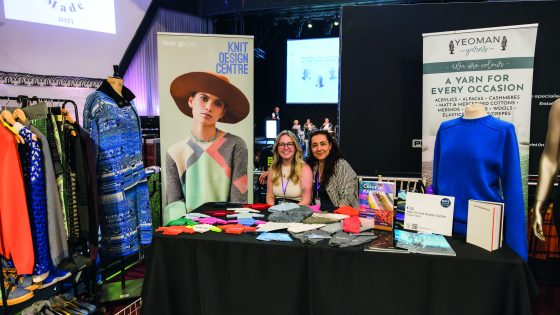
De Montfort University (DMU) serves as an ideal host for the "Leicester Made" trade show, embodying the perfect synergy between academic excellence and industrial innovation. DMU’s School of Fashion and Textiles is renowned for its cutting-edge research, state-of-the-art facilities, and a strong track record of producing highly skilled graduates who are ready to contribute to the industry. The university’s commitment to fostering talent and its deep-rooted connections with the local textile sector make it a natural partner for an event of this nature. By hosting the trade show, DMU not only provides a modern and accessible venue but also actively participates in shaping the future of the industry.
The university’s involvement extends beyond logistics; DMU faculty and students are often engaged in the event’s programme, presenting research, showcasing innovative projects, and participating in discussions. This academic-industry collaboration is crucial for driving forward innovation, addressing skill gaps, and ensuring that the industry remains at the forefront of technological advancements and sustainable practices. Students gain invaluable exposure to industry trends and networking opportunities, while businesses benefit from access to fresh perspectives and potential future talent. DMU’s dedicated research centres, focusing on areas such as sustainable fashion, smart textiles, and digital design, provide a fertile ground for the kind of forward-thinking discussions that are central to the "Leicester Made" ethos. The university’s strong emphasis on practical, industry-relevant education ensures that the insights shared at the trade show resonate deeply within its academic community and beyond.
Keynote and Programme Highlights: Jill Geoghegan and Drapers
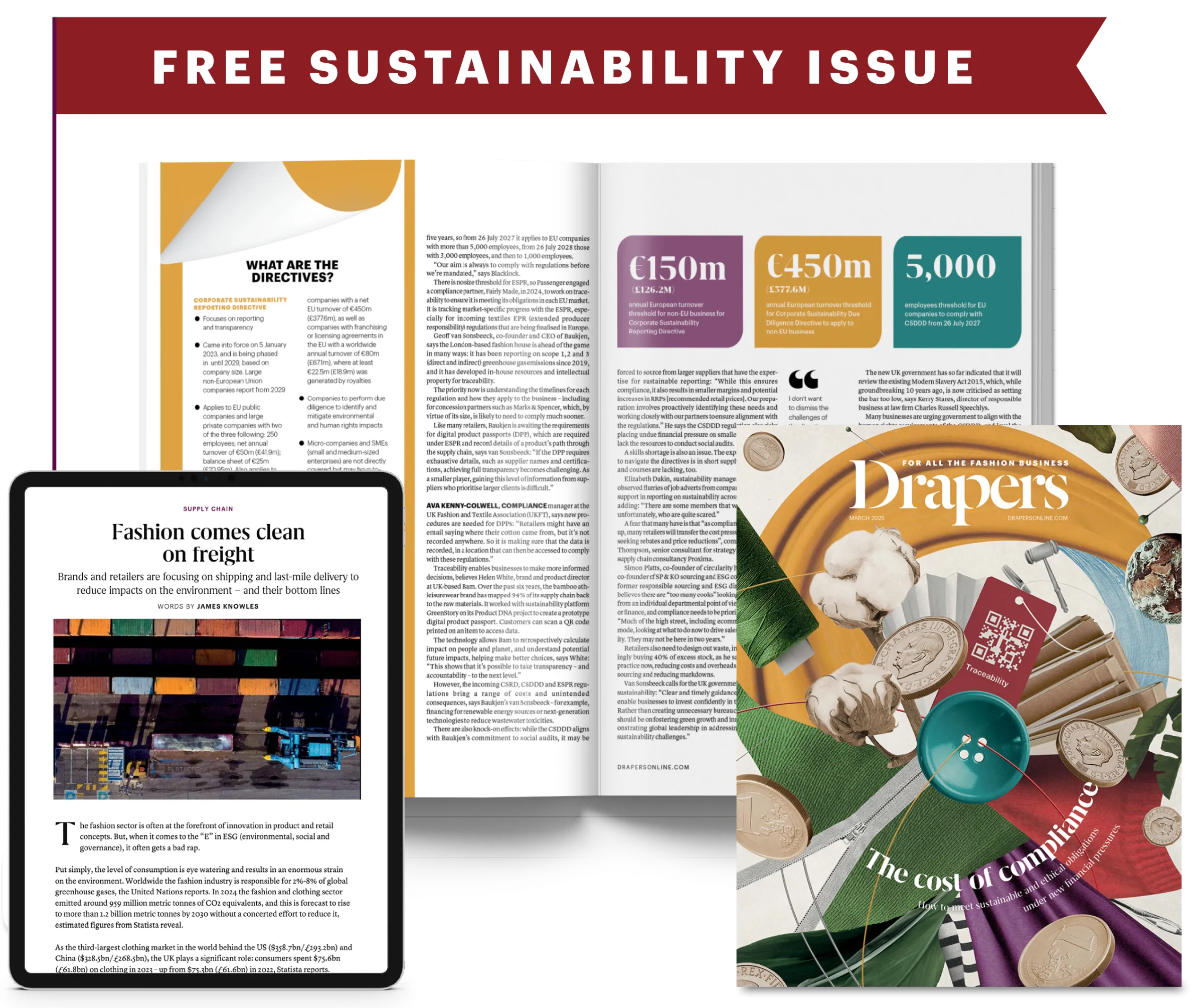
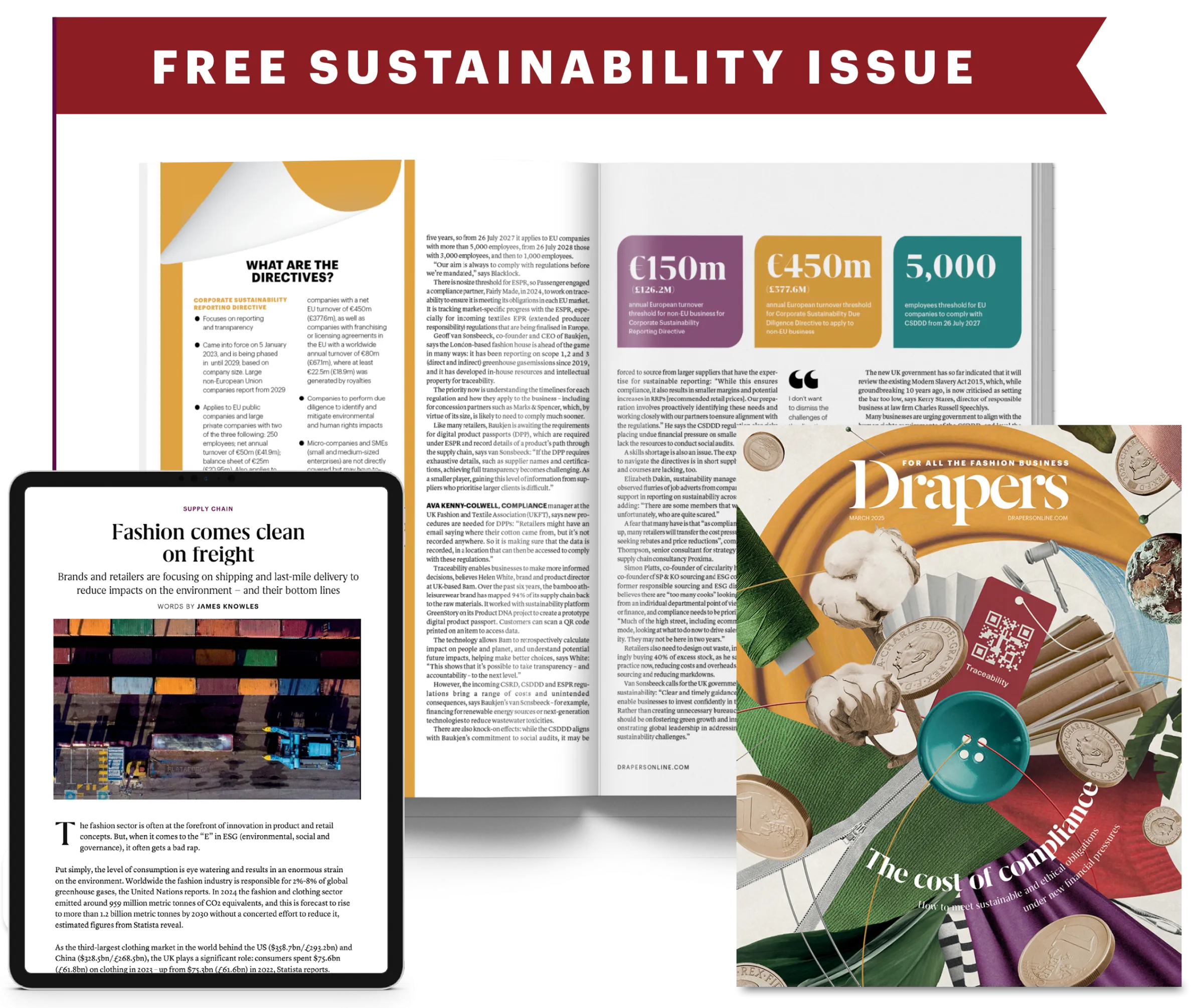
The confirmation of Jill Geoghegan, editor of Drapers, as a participant in the 2026 programme is a testament to the "Leicester Made" trade show’s growing prominence. Drapers, as the leading authority for the UK fashion retail industry, plays a crucial role in shaping discourse, reporting on trends, and advocating for industry best practices. Geoghegan’s involvement signals a strong endorsement from a highly respected media outlet, lending significant credibility and visibility to the event. Her insights into the broader fashion retail landscape, consumer behaviour, and the challenges and opportunities facing UK manufacturers are expected to be invaluable.
Her contribution could range from delivering a keynote address on the future of UK fashion manufacturing, moderating a panel discussion on sustainable supply chains, or participating in a fireside chat about the evolution of the "Made in UK" movement. Her presence offers attendees a unique opportunity to gain strategic perspectives from the forefront of fashion journalism. For the exhibitors, it presents an unparalleled chance to showcase their capabilities to an influential industry figure whose reporting can significantly impact public perception and market reach. Drapers’ coverage of the event will also extend its reach far beyond the physical venue, bringing the innovations and discussions from Leicester to a national and potentially international audience. This partnership underscores the event’s commitment to engaging with all facets of the fashion ecosystem, from production to retail and media.
Anticipated Agenda and Exhibitor Showcases
The 2026 "Leicester Made" trade show is expected to feature a dynamic and comprehensive agenda designed to cater to a diverse audience of industry professionals. The exhibition floor will be a vibrant showcase of hundreds of local manufacturers, suppliers, and service providers, ranging from established factories specialising in knitwear, denim, and tailoring, to innovative startups focusing on sustainable fabrics and digital printing. Attendees can anticipate discovering a wide array of products and services, fostering new partnerships, and exploring opportunities for collaboration.
Beyond the exhibition, the programme will likely include a series of expert-led panel discussions addressing critical industry topics such as navigating post-Brexit trade landscapes, the acceleration of sustainable manufacturing practices, integrating technology like AI and 3D design into production, and attracting and retaining skilled labour. Workshops offering practical insights into areas like lean manufacturing, ethical sourcing, and marketing for "Made in UK" brands are also a probable feature. Furthermore, there will be dedicated networking sessions, designed to facilitate meaningful connections between buyers, designers, manufacturers, and educators. Fashion presentations or curated displays showcasing collaborative projects between designers and manufacturers could also be a highlight, demonstrating the creative potential and technical expertise resident in Leicester. The event serves as a crucial platform for knowledge exchange, business development, and the collective advancement of the UK’s textile industry.
The "Made in UK" Imperative and Sustainability at its Core
The "Leicester Made" trade show arrives at a critical juncture for the global fashion industry, where the demand for transparent, ethical, and sustainable supply chains has never been stronger. The "Made in UK" label has evolved beyond a mere geographical indicator; it now signifies adherence to stringent labour standards, reduced environmental impact due to shorter supply chains, and a commitment to quality craftsmanship. This growing consumer and industry preference for domestic production provides a significant competitive advantage for manufacturers in Leicester.
The event places a strong emphasis on sustainability, which is no longer an optional extra but a fundamental requirement. Exhibitors are expected to highlight their efforts in sustainable material sourcing, waste reduction, energy efficiency, and circular economy practices. Discussions will delve into topics such as the transition to renewable energy in manufacturing, the adoption of eco-friendly dyes and finishes, and strategies for garment recycling and upcycling. By championing these practices, "Leicester Made" not only contributes to a greener fashion industry but also positions Leicester as a leader in responsible manufacturing. This focus helps to counteract past negative perceptions, showcasing a modern, ethical, and forward-thinking industry committed to positive change. The event reinforces the idea that economic viability and environmental responsibility are not mutually exclusive but are, in fact, interconnected drivers of future success.
Economic and Social Impact on the Local and National Landscape
The "Leicester Made" trade show’s impact extends far beyond the exhibition halls, creating significant economic and social benefits for Leicester and the broader UK textile industry. Economically, the event stimulates local business activity by generating direct revenue for exhibitors and service providers, while also attracting external investment into the region. It facilitates order placements, fosters new client relationships, and helps local manufacturers expand their market reach, potentially leading to increased production and job creation. The influx of attendees from across the UK and internationally also boosts the local hospitality sector, including hotels, restaurants, and transport services.
Socially, the trade show plays a vital role in reinforcing community pride and identity, celebrating Leicester’s rich industrial heritage while showcasing its modern capabilities. It offers invaluable networking opportunities for local entrepreneurs and emerging designers, connecting them with established industry players and potential mentors. Furthermore, by promoting ethical manufacturing practices and supply chain transparency, the event contributes to improving working conditions and raising standards within the local industry, thereby fostering a more reputable and sustainable employment landscape. This positive image-building is crucial for attracting new talent and reversing any lingering negative connotations associated with the city’s garment sector. The event serves as a beacon of progress, demonstrating how local initiatives can drive national industrial revival and contribute to a more equitable and environmentally conscious economy.
Future Outlook and Industry Challenges
While the outlook for "Leicester Made" and the UK’s domestic textile manufacturing sector appears promising, several challenges remain. The industry continues to grapple with rising operational costs, competition from international markets, and the need for continuous investment in technology and innovation. Attracting and training a new generation of skilled workers is also paramount, given an aging workforce and the evolving demands of modern manufacturing. The trade show serves as a critical forum for addressing these issues head-on, facilitating discussions on government support, educational partnerships, and collaborative solutions.
Looking ahead, "Leicester Made" is poised to become an even more influential event, potentially expanding its reach to attract a wider international audience and incorporating new technologies like virtual reality showcases or AI-driven matchmaking for buyers and sellers. The focus will likely intensify on areas such as advanced materials, personalised production, and full circularity within the supply chain. The event’s success will be measured not just by attendance figures but by its tangible impact on job creation, industry growth, and the continued elevation of Leicester as a global exemplar for ethical and innovative textile manufacturing. As the countdown to April 24, 2026, begins, the anticipation is palpable for an event that promises to be a powerful catalyst for the future of British fashion and textiles.