







The 1980s, a decade often characterized by its vibrant pop culture, bold fashion, and a burgeoning economic optimism, also marked a significant transition in the Every Day Carry (EDC) of the modern gentleman. Far from being merely an assortment of personal items, the EDC of this era was a carefully curated collection reflecting a blend of traditional elegance and the exciting, increasingly high-tech innovations that were beginning to reshape daily life. This period saw men navigating a world where analogue reliability met the first waves of digital convenience, creating a unique snapshot of personal preparedness and professional presentation.
The Dawn of the Power Accessory: Contextualizing 1980s EDC

The 1980s witnessed the rise of the "yuppie" (Young Urban Professional) and a pervasive culture of ambition, consumerism, and technological fascination. This societal backdrop profoundly influenced what men chose to carry. The traditional gentlemanly accoutrements, honed over decades, were not abandoned but rather adapted and augmented by new tools designed to enhance efficiency, project status, and facilitate communication in a rapidly evolving business and social landscape. The shift from classic formality to a more dynamic, yet still refined, personal style was palpable in the items found in a man’s pockets, on his wrist, or in his briefcase.
1. Sunglasses: The Indispensable Statement Piece
By the 1980s, the ubiquitous dress hat had largely receded from men’s fashion, leaving a stylistic void that sunglasses enthusiastically filled. No longer merely practical eye protection, shades became a potent symbol of cool, confidence, and affluence. Their popularity was significantly amplified by blockbuster films and iconic television series. Tom Cruise’s Ray-Ban Aviators in Top Gun (1986) and his Wayfarers in Risky Business (1983) cemented these styles as cultural touchstones, leading to unprecedented sales surges for the brand. Similarly, Don Johnson’s iconic eyewear in Miami Vice defined a sleek, aspirational aesthetic. These screen appearances transformed sunglasses into the ultimate status symbol, making them an essential, non-negotiable component of a gentleman’s daily ensemble, often chosen with as much consideration as a fine timepiece.

2. The Wristwatch: A Dialectic of Analog and Digital
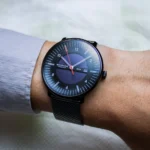
The wristwatch remained paramount for punctuality and as a sophisticated accessory, yet the 1980s presented a stark stylistic and technological divergence: the enduring appeal of analog versus the revolutionary rise of digital.
-
The Traditionalist’s Choice: For many, a classic analog watch continued to be the epitome of sartorial elegance. Design trends favored two-tone metal colorways, typically combining gold and stainless steel, and distinctive square or non-circular dials. Brands like Seiko, Omega, and IWC (International Watch Company) stood as pillars in the middle-market and luxury segments, offering timepieces that blended precision engineering with timeless design. These watches were often seen as heirlooms, embodying a sense of enduring value and craftsmanship, and were integral to projecting a professional, polished image. High-end brands like Rolex and Patek Philippe continued to signify ultimate luxury and success for the upper echelons.

-
The Digital Revolution: The 1980s truly democratized the "gadget watch." While digital timepieces had made their debut in the 1970s as exclusive, futuristic items (such as Roger Moore’s Hamilton Pulsar in Live and Let Die), the subsequent decade saw their mass production and affordability. Casio emerged as the undisputed leader, dominating the market with its innovative and highly functional wristwatches. Models like the Casio F-91W, though released at the tail end of the decade, represent the ethos of these watches, incorporating practical features such as lights, alarms, stopwatches, and even built-in calculators. These digital marvels were not just time-telling devices; they were mini-computers on the wrist, appealing to a generation fascinated by technology and utility. The transition highlighted a broader societal shift towards valuing function and accessible innovation alongside traditional aesthetics.
3. Loose Change and the Payphone Imperative
In a world devoid of ubiquitous smartphones, a pocket brimming with quarters was not merely convenient; it was a literal lifeline for communication on the go. The public payphone booth, a familiar fixture on street corners and in commercial centers, served as the primary means of making calls when away from home or office. This reliance meant that carrying a dedicated coin purse or simply allowing loose change to jingle in a trouser pocket was an essential part of daily preparedness. The ritual of finding a working payphone, inserting coins, and dialing a number was an ingrained part of urban life, a stark contrast to today’s instant global connectivity. The need for physical currency for such basic functions underscores the pre-digital nature of daily interactions.
4. The Bifold Wallet and the "Card Boom"
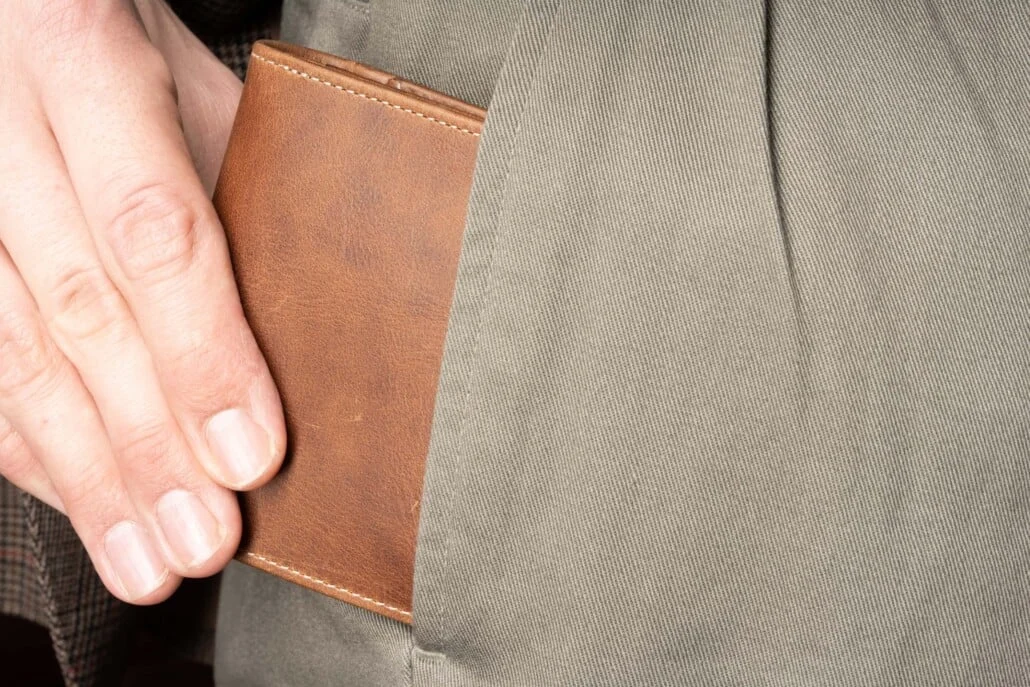
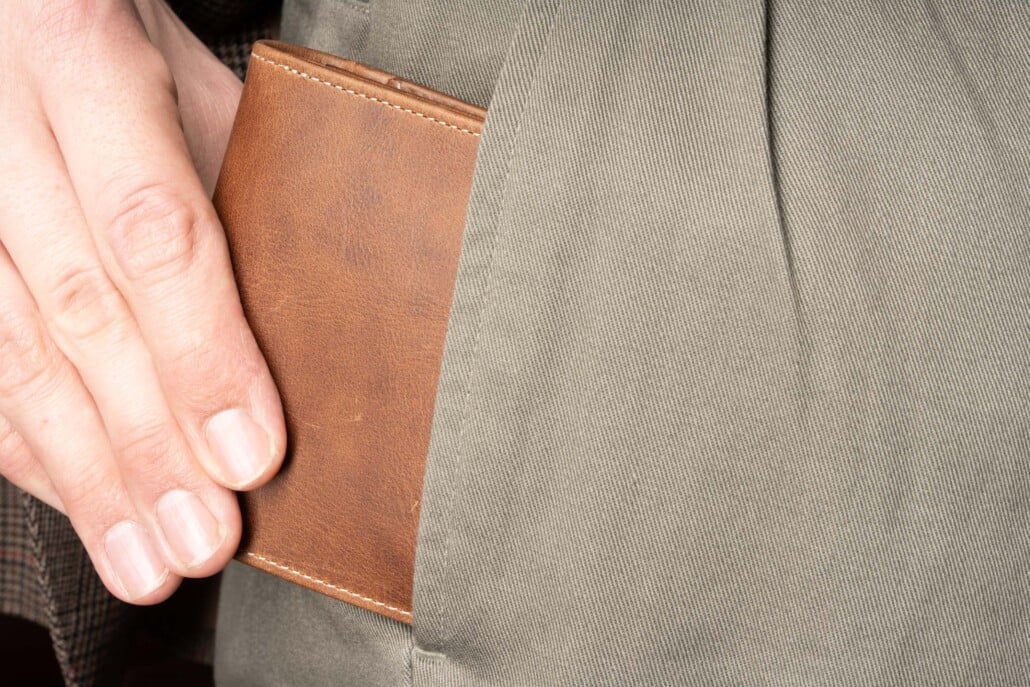
Traditional leather bifold wallets were the undisputed champions of currency and card carriage in the 1980s, primarily because men were increasingly carrying a wider array of plastic. The decade witnessed an explosion in the variety and necessity of cards:
- Credit Cards: Growing acceptance meant multiple credit cards (Visa, MasterCard, American Express) were standard for transactions beyond cash.
- ATM Cards: The proliferation of Automated Teller Machines made debit cards essential for accessing cash directly.
- Driver’s License: A fundamental identification document.
- Insurance Cards: Health, auto, and other insurance details were carried.
- Membership Cards: From video rental stores to health clubs, membership cards proliferated.
- Business Cards: Personal and professional networking necessitated carrying one’s own cards.
- Loyalty Cards: Though less prevalent than today, early forms of store loyalty cards began to emerge.
This "card boom" meant wallets had to be capacious, yet ideally still slim enough to fit comfortably without creating an unsightly bulge, reflecting a nascent demand for efficient organization of personal finance and identity. The choice of a high-quality leather wallet, often personalized, underscored a gentleman’s attention to detail and enduring style.
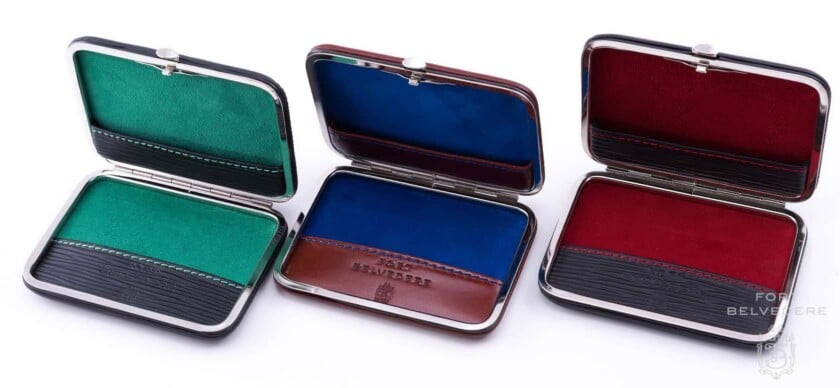
5. Refined Business Cards and Cases: A Professional Ritual
The exchange of business cards in the 1980s was more than a mere professional formality; it was a ritual steeped in etiquette and a clear indicator of one’s standing. In the competitive white-collar world, particularly within the burgeoning corporate finance and advertising sectors, the presentation of one’s card was critical, and the case holding those cards was almost as important as the card itself. The infamous scene from American Psycho, where Patrick Bateman’s obsessive comparison of business cards culminates in a fit of anxiety over the superiority of his colleagues’ stationery, perfectly captures the era’s hyper-awareness of professional aesthetics and the symbolic power of even the smallest details.
To avoid such perceived missteps, discerning men invested in elegant leather or polished metal business card cases. Brands like Louis Vuitton, Cartier, and Armani offered exquisite options, turning a simple utility into a statement of sophistication and ambition. These cases protected pristine cards from wear and tear, ensuring that every exchange was polished and professional.

6. The Checkbook: A Pillar of 1980s Finance
While credit cards gained significant traction throughout the 1980s, the personal checkbook remained a primary and widely accepted payment method for most of the decade, especially for larger transactions, rent, or utilities. Typically housed within a sleek leather cover, the checkbook occupied a vital space alongside cash and credit cards in a gentleman’s financial arsenal. Its presence in daily carry underscored a period of transition in personal finance, where paper transactions still held considerable sway before the full ascendancy of electronic payments. The act of writing a check was a commonplace and accepted practice, signifying a different pace of financial interaction.
7. Personalized Small Leather Goods: The Accessible Luxury
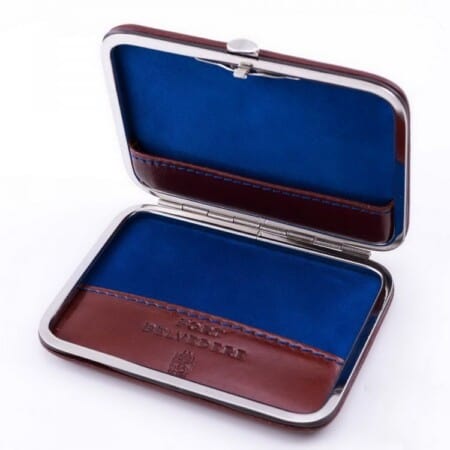
The 1980s celebrated the "personal touch" in fashion and accessories, a trend that extended significantly into small leather goods. Advances in manufacturing techniques made it increasingly affordable for consumers to have items like key fobs, wallets, and card cases monogrammed or embossed with initials or corporate logos. This personalization offered the average man a taste of bespoke luxury without the prohibitive price tag of historically custom-made products. It allowed for individual expression and a subtle declaration of identity or affiliation, turning everyday items into unique possessions. This trend reflected a broader cultural desire for individuality within a consumerist society, making personal branding accessible.
8. The Daily Planner: The Indispensable Filofax
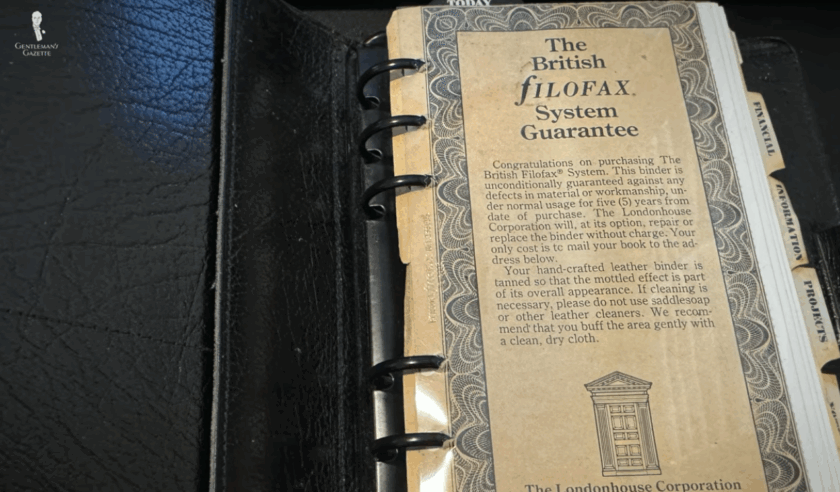
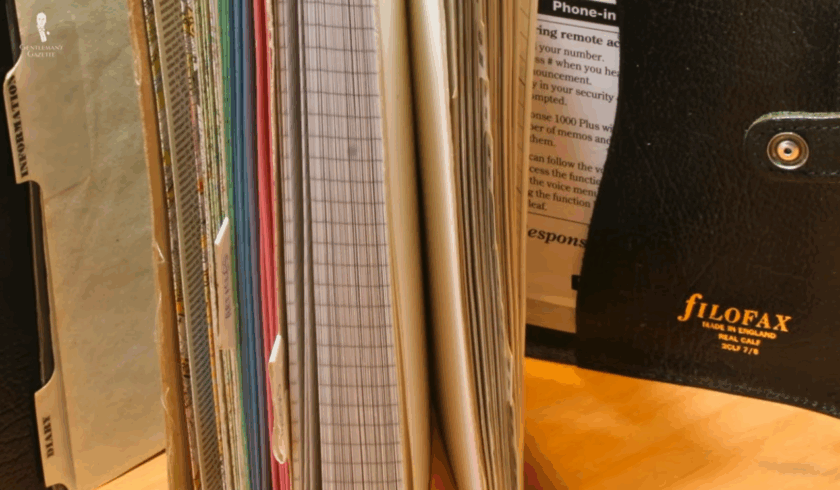
Before the advent of pocket-sized digital calendars and smartphones, the Filofax was the ultimate organizational tool for the professional on the move. For the "yuppie" subculture, a leather-bound, customizable daily organizer was not just practical; it was a powerful status symbol. The Filofax, with its distinctive ring-bound system, allowed users to integrate diaries, address books, notepads, financial trackers, and project planners into a single, portable hub. It represented the analog precursor to today’s integrated digital assistants, essential for managing complex schedules, contacts, and reminders in a demanding corporate environment. Its elegant design and modularity made it a coveted item, signaling meticulous organization and professional ambition.

9. The Ballpoint Pen: The Reliable Workhorse
While the fountain pen maintained its status among traditionalists and connoisseurs, the ballpoint pen emerged as the undisputed workhorse of the 1980s. Valued for its convenience, reliability, and affordability, the ballpoint became ubiquitous. Brands like Bic, Parker, and Cross produced millions, catering to both everyday users and those seeking a slightly more refined writing instrument for professional use. The low cost of ballpoint pens also made them ideal for promotional "swag," often personalized with business logos, serving as subtle marketing tools distributed at conferences and meetings. Its practicality and ease of use perfectly aligned with the fast-paced, efficiency-driven ethos of the decade.
10. The Pocket Protector: A Shield for the Professional
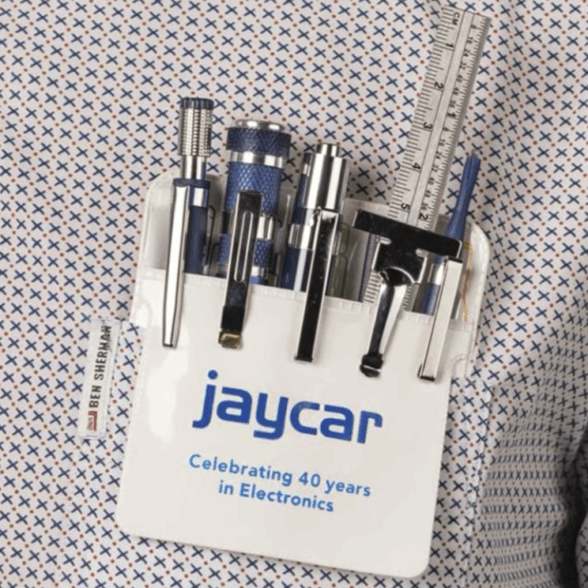
As ballpoint pens became cheaper and more disposable, the risk of ink leaks staining expensive shirts increased proportionally. This led to the prevalence of the pocket protector, a simple yet ingenious vinyl sleeve designed to safeguard the breast pockets of dress shirts. Primarily adopted by engineers, academics, and office workers, it served as a practical shield against unsightly ink stains. While born of necessity, the pocket protector unfortunately evolved into a pop-culture cliché, often associated with a "nerdy" stereotype. Its practical utility, however, was undeniable, and it remained a common sight throughout much of the decade before fading as workplace dress codes became less rigid and pen technology improved.
11. The Briefcase & Attaché Case: The Symbol of Corporate Power
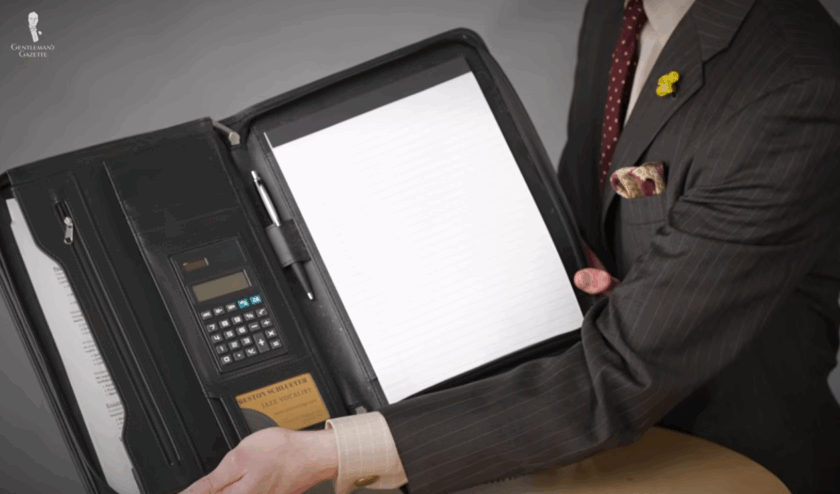
For any professional in the 1980s, particularly those in business, law, or finance, carrying a briefcase or attaché case was non-negotiable. These accessories were not merely receptacles for documents; they were powerful symbols of corporate identity, gravitas, and ambition. Briefcases ranged from soft, supple leather models to rigid, hard-sided attaché cases, often secured with combination locks. They typically contained contracts, reports, legal pads, a daily planner, and perhaps a copy of The Wall Street Journal. The attaché case, in particular, conveyed a sense of importance and security, often seen clutched by executives on their way to crucial meetings, embodying the very image of the "power broker" of the era.
12. The Sony Walkman: Revolutionizing Personal Soundscapes
The Sony Walkman, introduced in 1979, became the undisputed "poster child" for 1980s technological innovation and consumer electronics. This compact cassette player revolutionized how individuals consumed music, creating the first truly private soundscape in public spaces. It fundamentally altered commuting, exercise routines, and leisure activities, allowing users to carry their personalized soundtracks wherever they went. Hip, trendy, and incredibly liberating, the Walkman was an essential companion for the fitness-obsessed 80s man on his morning jog or the urban professional navigating the city. Its immense popularity, with tens of millions sold globally, underscored a cultural shift towards personal entertainment and portable technology, laying crucial groundwork for future mobile devices.
Bonus: The "Brick" Mobile Phone and Car Phones: Early Connectivity
For a select few at the absolute cutting edge of technology, the Motorola DynaTAC 8000X made its debut in 1983. Colloquially known as the "brick phone" due to its substantial size and weight (over 2 pounds), this device was far from an everyday item for the masses. Priced at nearly $4,000 (equivalent to over $12,000 today), it was an exclusive status symbol for top-tier executives, entrepreneurs, and trendsetters. Its limited battery life (around 30 minutes of talk time) and sparse network coverage further underscored its niche appeal. Despite its limitations, the DynaTAC was a clear harbinger of the mobile revolution to come, signifying ultimate connectivity and power.
Alongside these nascent portable devices, car phones were a more common fixture for business professionals throughout the 80s. These were mobile phones hardwired directly into a vehicle’s electrical system, offering greater range and reliability than early portable models. Specialized mounting devices became available, allowing men to seamlessly integrate their car phones for easier, hands-free (by 80s standards) access while driving. Both the brick phone and car phone highlighted the decade’s growing demand for instant communication, even if the technology was still bulky and expensive.
Conclusion: A Legacy of Practicality and Progress
The Every Day Carry of the 1980s gentleman was a fascinating reflection of a dynamic era. It was a period where established traditions of refinement and presentation met the exciting, sometimes clunky, advancements of personal technology. From the enduring elegance of a two-tone wristwatch and a fine leather briefcase to the revolutionary convenience of a Casio digital watch and the Sony Walkman, these items painted a vivid picture of a man poised between two worlds: the analog past and the digital future.
The emphasis on professional presentation (business cards, Filofax), efficient financial management (bifold wallets, checkbooks), and emerging personal convenience (Walkman, early mobile phones) collectively shaped a distinct EDC profile. This collection of essentials not only facilitated daily tasks but also communicated status, ambition, and an embrace of progress. The items carried in the 1980s laid much of the groundwork for today’s hyper-connected, multi-functional EDC, demonstrating a continuous human desire for tools that empower, organize, and express individual identity. The subtle interplay between enduring style and groundbreaking innovation makes the 1980s gentleman’s EDC a compelling chapter in the history of personal essentials.