










In an era defined by intricately woven global supply chains and the pervasive influence of "fast fashion," the label "Made in USA" has become an increasingly rare sight, particularly within the ready-to-wear apparel sector. While venerable American brands such as Brooks Brothers and Ralph Lauren historically sculpted the sartorial identity of the 20th century, many have strategically relocated their manufacturing operations overseas to navigate competitive global markets and optimize production costs. This strategic shift has prompted a pertinent inquiry: Can the discerning modern gentleman still curate a comprehensive, high-quality, ready-to-wear ensemble composed exclusively of garments produced by American labor? This article explores the findings of a recent investigative endeavor, a digital shopping expedition designed to answer this very question, shedding light on the current state of domestic manufacturing in men’s fashion and the associated economic implications.
The Evolving Landscape of American Manufacturing in Apparel
The journey to assemble an entirely American-made outfit is not merely a shopping exercise; it is a deep dive into the historical trajectory and current challenges facing the domestic textile and apparel industries. For much of the 20th century, the United States was a powerhouse in clothing manufacturing. Post-World War II, American factories thrived, producing everything from workwear to high fashion, supporting millions of jobs and fostering a distinct national style. Brands like Levi’s, Pendleton, and the aforementioned Brooks Brothers became synonymous with quality and American ingenuity.
However, the late 20th and early 21st centuries ushered in a significant paradigm shift. Beginning in the 1970s and accelerating through the 1990s with trade agreements like NAFTA (North American Free Trade Agreement) and the integration of China into the World Trade Organization (WTO), manufacturing jobs began to migrate en masse to countries with lower labor costs and less stringent environmental regulations. Data from the U.S. Bureau of Labor Statistics illustrates this dramatic decline: textile mill product manufacturing employment in the U.S. plummeted from over 900,000 jobs in the late 1970s to approximately 120,000 by 2020. Similarly, apparel manufacturing jobs dropped from nearly 1.4 million in 1973 to just over 100,000 in the same period. This exodus left behind a landscape of shuttered factories, diminished skilled labor pools, and a profound change in consumer expectations regarding clothing prices. The rise of "fast fashion" retailers further entrenched the demand for inexpensive, trend-driven garments, making it increasingly difficult for domestic producers to compete on price alone.
Despite these challenges, a dedicated, albeit smaller, segment of American manufacturers has persevered. These companies often prioritize craftsmanship, heritage, and sustainable practices, carving out a niche market for consumers who value provenance and durability over fleeting trends. The criteria for what constitutes "Made in USA" are also critical. According to the Federal Trade Commission (FTC), for a product to be advertised as "Made in USA," it must be "all or virtually all" made in the United States. This means that all significant parts and processing that go into the product must be of U.S. origin, and the final assembly or processing must take place in the U.S. This strict definition ensures that brands genuinely committed to domestic production meet a high standard, differentiating them from those that merely perform final assembly in the U.S. with foreign components.
The Investigative Shopping Trip: A Case Study
To determine the feasibility and cost of a truly American-made wardrobe, a specific set of rules guided the digital shopping expedition. The selected items had to be ready-to-wear, high-quality, and, crucially, certified "Made in USA" according to FTC guidelines. The resulting ensemble represents a classic, versatile style suitable for the modern gentleman, demonstrating that while challenging, it remains an achievable goal.
The Outfit Breakdown: A Deep Dive into American Craftsmanship
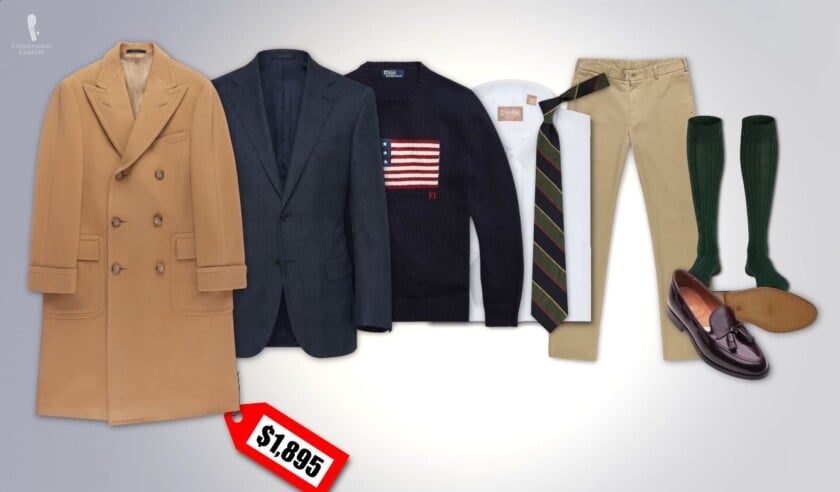
The curated outfit consists of eight key pieces, each representing a facet of enduring American style and manufacturing resilience:
Foundation: Shoes & Socks
Alden 563 Tassel Moccasin: $967
Alden Shoe Company, established in 1884 in Middleborough, Massachusetts, stands as one of the oldest and most respected American shoemakers. Renowned for its commitment to traditional bench-made construction and superior materials, Alden represents a pillar of domestic craftsmanship. The 563 Tassel Moccasin, crafted from Color 8 shell cordovan leather, is an iconic choice. Shell cordovan, a rare and highly durable equine leather, is celebrated for its rich patina and longevity. Alden’s intricate 212-step manufacturing process, largely unchanged for decades, ensures each pair of shoes is a testament to meticulous handcraftsmanship. The tassel loafer design, popularized in America in the mid-20th century, offers a versatile aesthetic, equally at home with tailored suits or more casual attire like chinos and sport coats. Its enduring appeal underscores the value placed on heritage and quality.
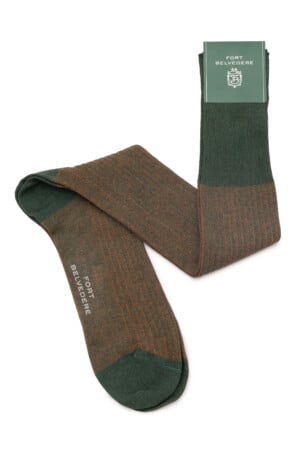
Boardroom Socks: $19.50
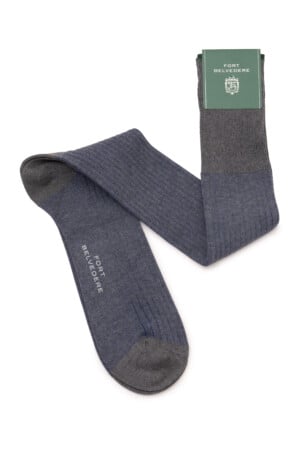
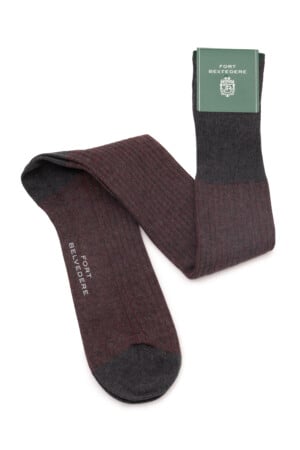
Boardroom Socks, based in Charlotte, North Carolina, exemplifies a newer generation of American manufacturers focused on niche, high-quality products. Specializing in over-the-calf socks, which are essential for maintaining a polished appearance by preventing socks from sliding down, Boardroom Socks sources its materials and manufactures its products entirely within the United States. Their offerings prioritize comfort, durability, and a wide array of colors designed to complement a classic wardrobe. The inclusion of subtle hues like forest green adds a touch of individual personality without sacrificing formality. The continued operation of such specialized textile manufacturers, particularly in regions with a rich history in textile production like the Carolinas, highlights the persistence of domestic expertise.
Mid-Section: Shirt & Trousers
Gitman Brothers Gold OCBD: $235
The Oxford Cloth Button Down (OCBD) shirt is a cornerstone of American sartorial history, a quintessential element of the "Ivy Style" that emerged from collegiate campuses. Gitman Brothers, a family-owned company founded in Ashland, Pennsylvania, in 1978 (though its roots trace back to an earlier shirt factory), continues to produce some of the finest OCBDs in the market. Their "Gold" line, representing their premium offerings, is entirely American-made. The hallmark of a Gitman Brothers OCBD is its signature soft collar roll, a subtle detail that defines the authentic Ivy League aesthetic. The use of high-quality Oxford cloth ensures durability and a comfortable drape, making it a versatile piece for various occasions.
Bill’s Khakis Original Twill: $195
Bill’s Khakis, established in Reading, Pennsylvania, was founded on a distinct premise: to recreate the classic, durable khakis worn by American soldiers during World War II. Disillusioned by the low-rise, thin fabrics prevalent in modern chinos, the brand’s founder sought out original military specifications and found a domestic manufacturer capable of replicating the robust quality. Bill’s Khakis’ Original Twill trousers deliver exceptional durability, a comfortable higher rise, and a fuller cut—features often absent in contemporary mass-produced options. These attributes make them a natural pairing for both knitwear and tailored jackets, embodying a timeless, rugged American sensibility. Their commitment to domestic production, even as the market shifted, speaks to a dedication to authenticity.
Layering: Knitwear & Tailoring
Ralph Lauren Flag Sweater: $398
Ralph Lauren is undeniably a global icon, deeply influencing classic American style. While much of the brand’s vast output is manufactured overseas, certain premium lines or specific iconic pieces, such as the Flag Sweater, are still produced in the United States. This particular navy crew neck sweater, featuring the distinctive American flag motif, is a highly recognizable and often sought-after item. It works exceptionally well as a layering piece over a shirt and tie, providing both warmth and a strong visual statement that resonates with American heritage. Its presence in an American-made outfit highlights the brand’s ability to maintain select domestic production for its most emblematic designs, often at a premium.
Joseph Abboud Plaid Sport Coat: $460
The Joseph Abboud brand, under the umbrella of Tailored Brands, maintains a significant American manufacturing presence at its New Bedford, Massachusetts, factory. This facility stands as one of the last major tailoring operations in the United States, a testament to the perseverance of skilled American garment workers. The selection of a plaid sport coat from Joseph Abboud provides versatility, offering a less formal alternative to a full suit while still maintaining a sophisticated aesthetic. The choice of plaid adds visual interest and texture, allowing for easy integration into a variety of outfits. The continued operation of such a facility is crucial for preserving the art of tailoring in America and training the next generation of craftspeople.
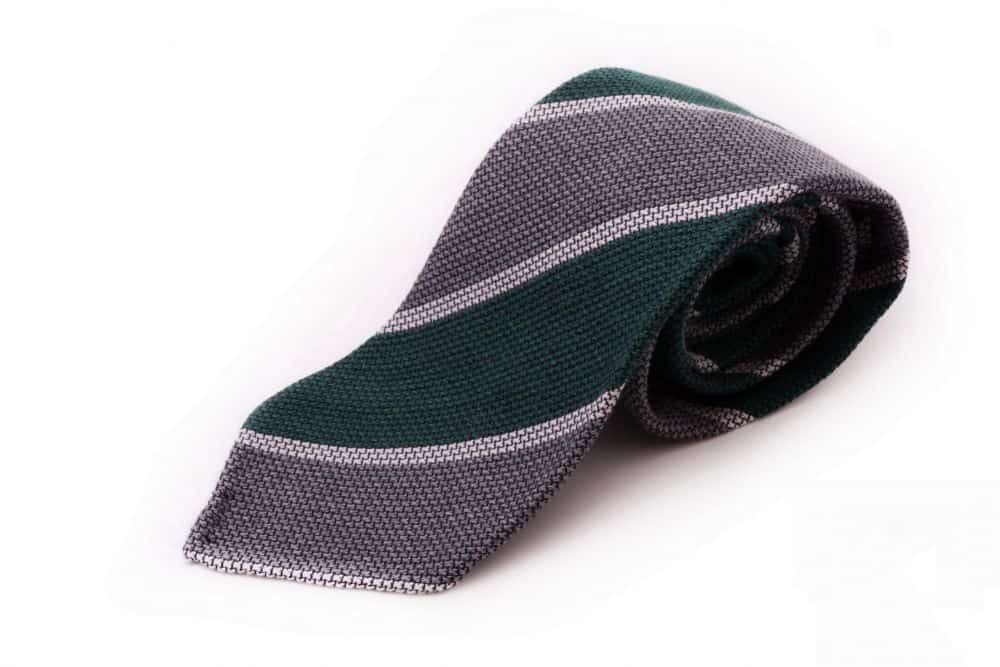
J. Press Rep Stripe Tie: $165
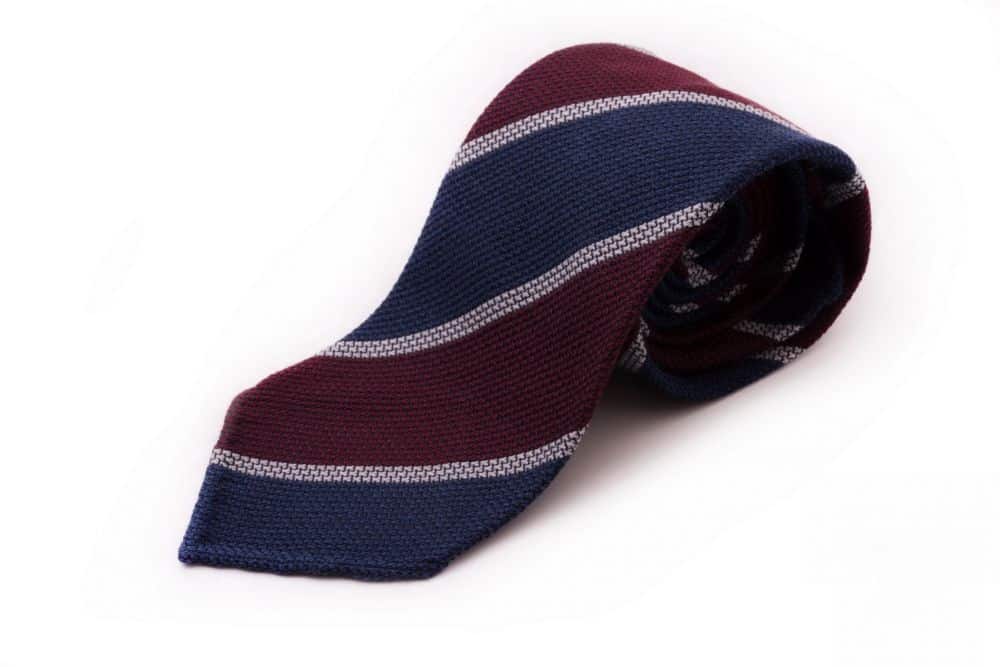
J. Press, an enduring bastion of Ivy League style, was founded in New Haven, Connecticut, in 1902. With its roots firmly planted in the collegiate traditions of the Northeast, J. Press continues to produce classic accessories, including its iconic rep stripe ties, in the United States. The rep stripe tie is a true Ivy staple, reflecting decades of collegiate and preppy style tradition. Made from high-quality silk, often with a subtle texture, these ties are known for their durability and the precise alignment of their stripes, which often signify affiliation with specific clubs or universities. For enthusiasts of traditional American menswear, a J. Press tie is not merely an accessory but a symbol of sartorial continuity.
Outerwear & Finishing Touches
J. Press Camel Hair Polo Coat: $1,895
Another standout piece from J. Press, the camel hair polo coat, is a defining garment of American outerwear. Originating from polo players’ coats in the early 20th century, the polo coat combines luxurious warmth, structured elegance, and a rich heritage. Its double-breasted design, often with a half-belted back and patch pockets, makes it a distinctive and highly functional piece for cooler weather. As the single most significant investment in the entire ensemble, its American manufacture underscores the commitment to preserving classic designs and high-end textile production domestically. It represents a long-term investment in a timeless garment built to last.
Stetson Whippet Fedora: $265
Stetson, founded in 1865, is synonymous with American hatmaking. While primarily known for its iconic cowboy hats, Stetson also maintains a strong tradition in dress hats. The Whippet Fedora, with its refined silhouette, complements tailored clothing perfectly. Made in the brand’s Texas factory, it features high-quality felt, often rabbit or beaver fur, and meticulous finishing details. A Stetson dress hat is not just an accessory; it’s a statement of classic American style, evoking an era when hats were an indispensable part of a gentleman’s wardrobe. Its inclusion completes the outfit with an authentic touch of American heritage.
The Economic Reality: What Does It Cost to Dress American Today?
The total cost for this meticulously assembled, entirely American-made outfit comes to a substantial $4,619.50. This figure is not merely a sum of prices; it represents the "heritage premium" associated with domestic manufacturing. The stark difference in cost compared to globally sourced, mass-produced apparel prompts a crucial discussion about consumer values and economic realities.
Analysis of the "Made in USA" Premium:
The higher price point for American-made menswear is attributable to several interconnected factors:
- Labor Costs: The United States has significantly higher minimum wages and overall labor costs compared to many countries where apparel manufacturing has been outsourced. These wages reflect a higher standard of living for workers and compliance with labor laws.
- Production and Compliance Costs: American manufacturers face stricter environmental regulations, safety standards, and operational costs. These add to the overhead but often ensure better working conditions and more sustainable practices.
- Smaller Production Runs: Many remaining American manufacturers operate on a smaller scale, producing specialized items in limited quantities. This contrasts sharply with the vast economies of scale enjoyed by overseas mega-factories, which can drive down per-unit costs dramatically.
- Quality of Materials and Craftsmanship: Brands committed to "Made in USA" often prioritize high-quality, durable materials and employ skilled artisans whose expertise commands a premium. This translates into garments that are often built to last longer and perform better, reducing the need for frequent replacements.
- Supply Chain Challenges: Sourcing raw materials (e.g., specific fabrics, threads, buttons) domestically can be challenging and more expensive as the entire supply chain for textiles has shrunk in the U.S.
Consumer Sentiment and Implications:

Public opinion surveys often indicate a strong preference among American consumers for "Made in USA" products, with many expressing a willingness to pay more for them. A 2019 report by the Alliance for American Manufacturing, for instance, found that 70% of Americans would pay an extra 10% for American-made products. However, the actual willingness to pay can vary significantly depending on the product category and the magnitude of the price difference.
For the modern gentleman, the decision to invest nearly $5,000 in an American-made outfit involves weighing various factors:
- Support for Domestic Economy: Choosing "Made in USA" directly supports American jobs, factories, and communities.
- Quality and Durability: The expectation is that these higher-priced items will offer superior quality, fit, and longevity, making them a long-term investment rather than a disposable purchase.
- Ethical Considerations: Domestic production often implies better labor practices and environmental standards compared to some overseas facilities.
- Heritage and Authenticity: For some, the connection to traditional American brands and craftsmanship holds significant cultural and personal value.
However, the reality remains that for many consumers, this "heritage premium" is a significant barrier. A mixed wardrobe, combining select American-made pieces with high-quality imported items, often proves to be a more practical and accessible choice.
Broader Impact and the Future of "Made in USA" Fashion
The journey to assemble a purely American-made outfit underscores that while challenging, it is still possible to support domestic manufacturing in menswear. However, it requires significant research, a discerning eye for quality, and a willingness to invest a substantial sum.
The future of "Made in USA" in fashion likely lies in its continued role as a niche market, appealing to conscious consumers, connoisseurs of quality, and those who prioritize ethical and local sourcing. There are ongoing efforts to revitalize domestic manufacturing through technological innovation, such as automation and advanced textile production methods, which could potentially reduce labor costs and increase competitiveness without compromising quality. Additionally, increasing consumer awareness about sustainability and supply chain transparency may further drive demand for locally produced goods.
Ultimately, a stylish and well-constructed wardrobe does not solely depend on a single country of origin. What matters most is the garment’s quality, its fit, its longevity, and how thoughtfully each piece integrates into a cohesive personal style. However, for those who value the legacy of American craftsmanship and the economic benefits of domestic production, the investment in a "Made in USA" wardrobe is a tangible expression of those values, reflecting a commitment to a particular standard of quality and a belief in the enduring spirit of American industry.