









Tea, a beverage often considered ordinary, transforms into a remarkably refined experience when approached with intentionality and care. Far exceeding a mere drink, it embodies a profound ritual that encourages mindfulness, fosters social connection, and serves as a powerful instrument of civility. The precise tools, meticulous brewing methods, and adherence to established etiquette collectively elevate the act of tea drinking, offering an opportunity to slow down, demonstrate consideration for others, and imbue a simple moment with enduring grace. This guide delves into the historical underpinnings, cultural significance, and practical nuances of brewing and partaking in tea with true refinement, examining how this ancient practice continues to shape social interactions and personal deportment.

The Historical Tapestry of Tea as a Civilizing Force
The journey of tea from a medicinal tonic to a global cultural phenomenon is a saga of trade, exploration, and evolving social customs. Originating in ancient China over 5,000 years ago, tea first gained prominence for its purported health benefits. It later flourished in Japan, where it was elevated into the highly ceremonial Chanoyu, or Japanese tea ceremony, by the 15th century—a practice deeply rooted in Zen Buddhist philosophy emphasizing harmony, respect, purity, and tranquility. This early formalization set a precedent for tea’s association with disciplined ritual and aesthetic appreciation.
Tea arrived in Europe in the early 17th century through Dutch traders, but it was its introduction to Britain, notably by Catherine of Braganza, wife of King Charles II, in the 1660s, that cemented its place in Western society. Initially a luxury item, tea became increasingly accessible, particularly after the British East India Company established vast tea plantations in India in the 19th century. This burgeoning popularity led to the development of distinct British tea rituals, most famously the "Afternoon Tea," popularized by Anna, the 7th Duchess of Bedford, in the 1840s. The Duchess’s desire for a light meal and refreshment between lunch and dinner quickly evolved into a fashionable social event, necessitating its own set of protocols and specialized accoutrements.

"The evolution of tea etiquette in Britain," notes cultural historian Dr. Eleanor Vance, "is a fascinating reflection of societal aspirations for order, gentility, and controlled social interaction during a period of rapid industrialization. The tea table became a microcosm of polite society, where every gesture held meaning." This historical context underscores that tea’s significance has always extended beyond its flavor, serving as a conduit for social cohesion and the transmission of cultural values.
The Essential Elements of a Proper Tea Service
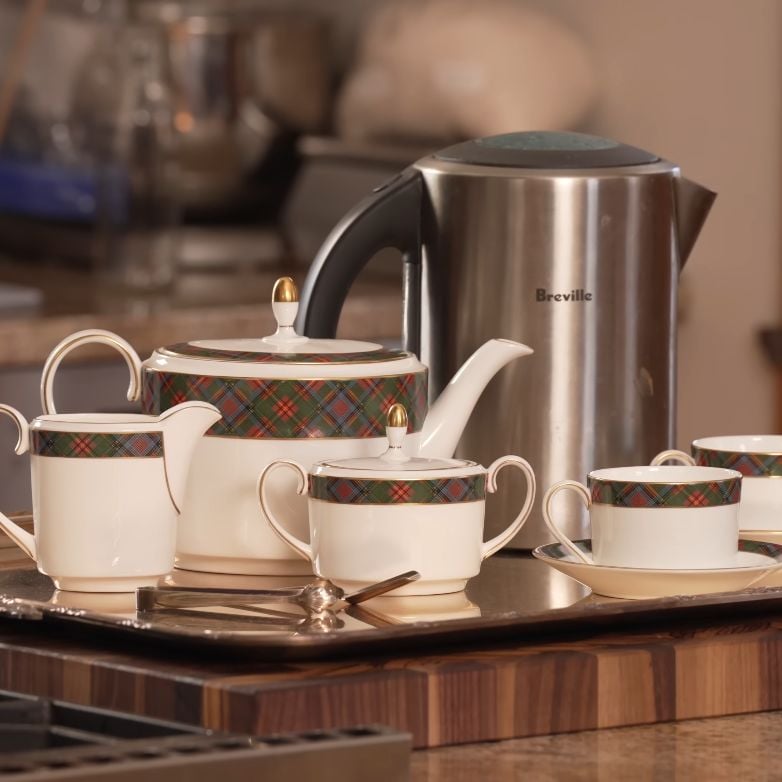
A refined tea service, while not necessarily extravagant, demands a thoughtful selection of essential pieces. These tools are not merely decorative; they serve practical functions that enhance the brewing and drinking experience, reflecting centuries of accumulated wisdom in tea preparation.

Key Components of a Traditional Tea Service:
- Kettle: For boiling water to the precise temperature required.
- Teapot: The heart of the service, where the tea infuses.
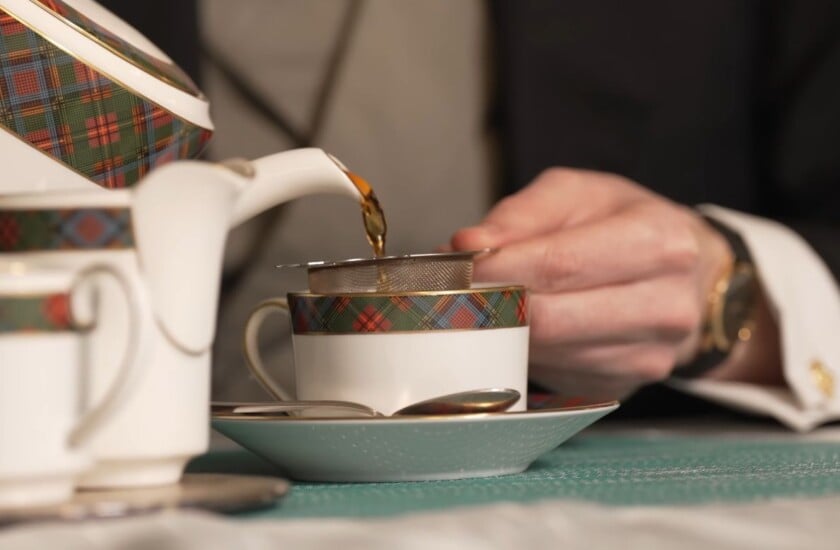
- Tea Strainer: Crucial for filtering loose leaves, ensuring a smooth, clear pour.
- Teacups and Saucers: The vessels for consumption, often chosen for their delicate properties.
- Milk Jug (or Creamer): For serving milk, typically whole milk or half-and-half.
- Sugar Bowl: For granulated sugar or sugar cubes, accompanied by a spoon or tongs.
- Teaspoons: For stirring, and often for resting on the saucer.
- Serving Tray: To present the entire service elegantly and facilitate transport.
The selection of a tea set often begins with the teacups and saucers, which are ideally crafted from bone china. This material, a blend of bone ash, feldspar, and kaolin, is prized for its exceptional whiteness, translucency, and delicate strength. Its thinness contributes to a more elegant drinking experience, allowing the tea’s warmth to be felt without excessive bulk. "The tactile experience of holding a finely crafted bone china cup is integral to the ritual," states Mr. Alistair Finch, a renowned connoisseur of antique ceramics. "It’s a subtle sensory enhancement that distinguishes the experience."
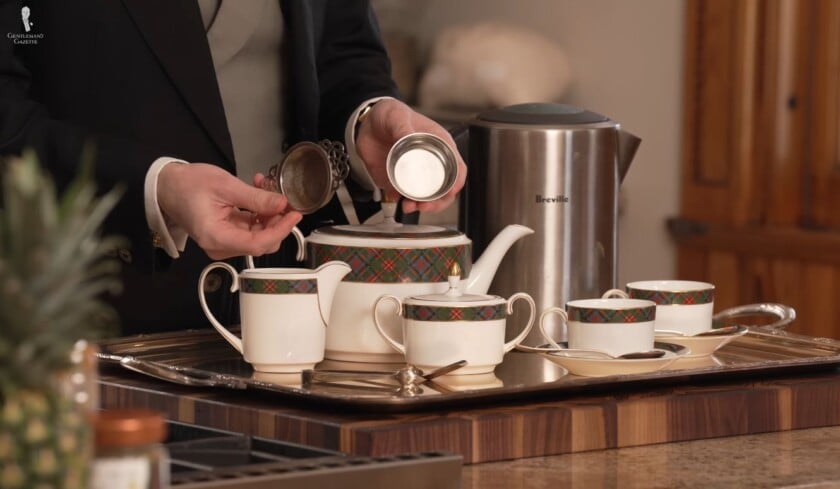
For the teapot, two traditional avenues prevail:
- Matching Bone China: A teapot that complements the delicate teacups, often featuring intricate patterns or gilded accents. This creates a cohesive and aesthetically pleasing set.
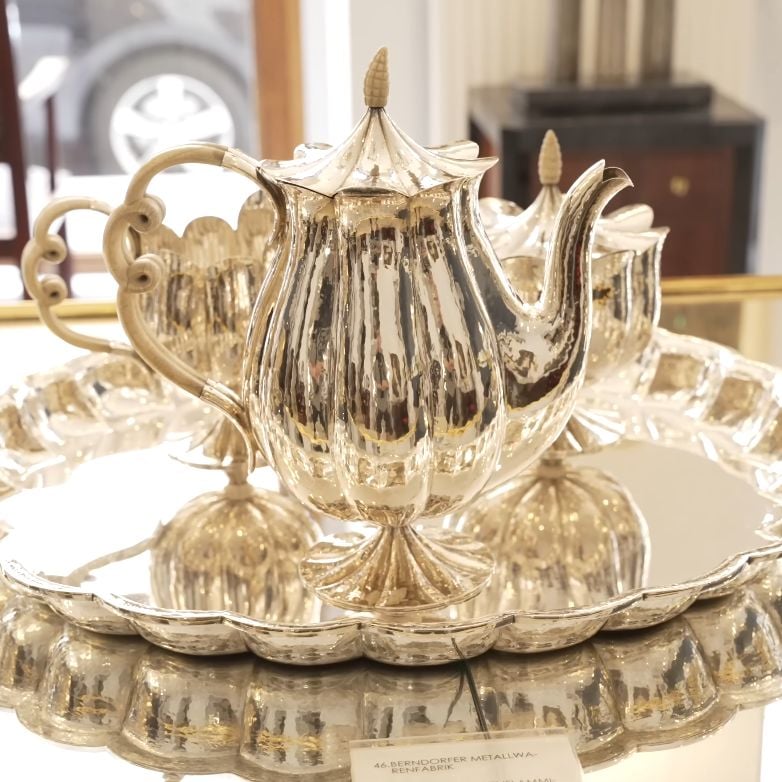
- Silver or Silver-Plated: These teapots, often Victorian or Edwardian in style, exude a classic grandeur. Silver is an excellent heat conductor, helping to maintain the tea’s temperature. Differentiating a teapot from a coffee pot in a mixed service is straightforward: teapots are typically shorter, rounder, and squatter, designed for the expansion of tea leaves, while coffee pots are taller and more tapered, reflecting the brewing method of coffee.
Acquiring these pieces does not necessitate exorbitant expense. Vintage, thrift, and charity shops frequently offer quality antique tea sets at reasonable prices, often featuring pieces that have been meticulously preserved due to their ceremonial nature.
The Art of the Infusion: Why Loose-Leaf Reigns Supreme
Central to a truly refined tea experience is the insistence on loose-leaf tea. Unlike tea bags, which often contain "fannings" or dust—the smallest particles of tea—loose leaves are whole or large broken pieces that require space to unfurl and release their full spectrum of flavors and aromas. This process, known as "the dance of the leaves," is critical for a superior infusion.
"The confinement of a tea bag restricts the full potential of the tea," explains Master Tea Blender, Ms. Clara Beaumont. "Loose leaves allow for proper water circulation around the leaves, extracting a more nuanced, complex, and robust flavor profile. It’s akin to allowing a fine wine to breathe."
This preference for loose leaf makes the tea strainer an indispensable component of the service. Placed over the teacup during pouring, it meticulously filters out the spent leaves, ensuring a smooth, particle-free drink without compromising the quality of the infusion. Strainers range from practical stainless steel models to more ornate silver-plated versions, each serving the same crucial function with varying degrees of aesthetic flourish.
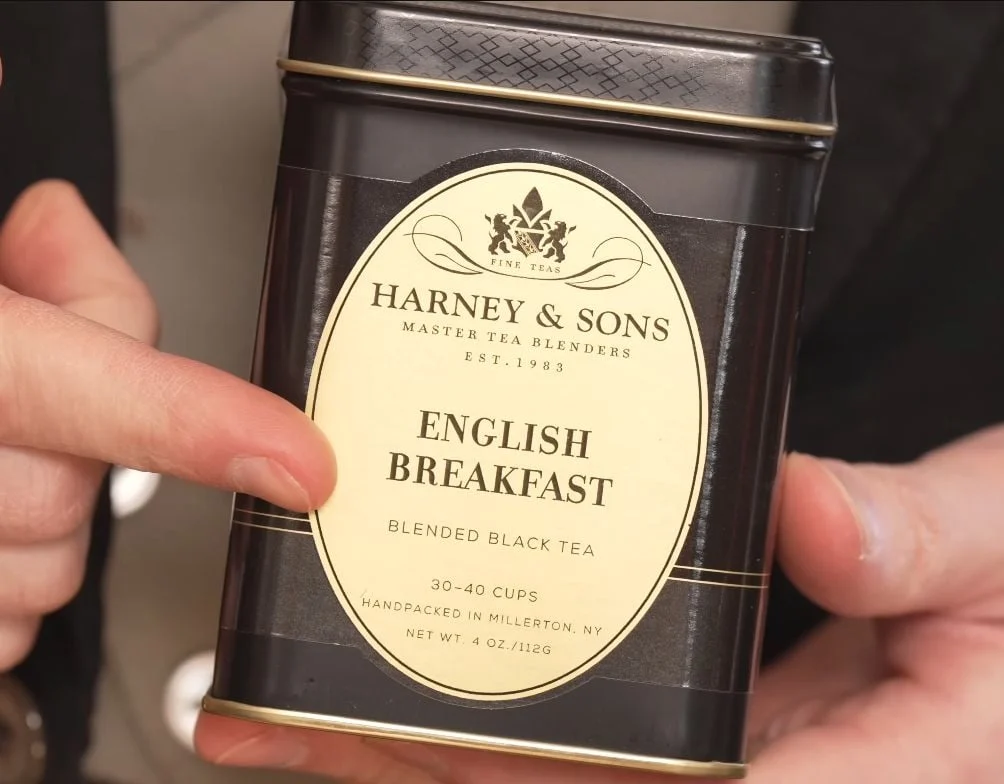
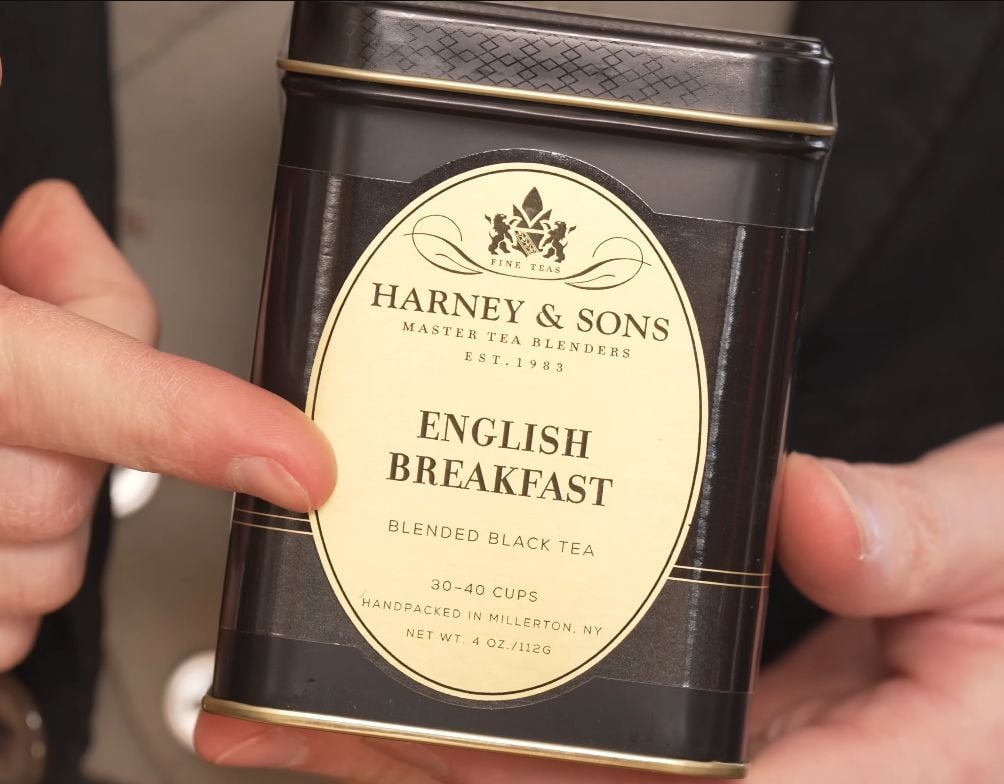
For classic black teas, such as a robust English Breakfast blend, the brewing process follows a precise methodology to optimize flavor extraction:
- Water Temperature: The water should reach a full, rolling boil (approximately 100°C / 212°F). This high temperature is vital for fully extracting the tannins and catechins that give black tea its characteristic strength and depth.
- Water Quality: Whenever possible, filtered water is preferred. Hard water, rich in minerals, can chemically react with tea compounds, resulting in a flatter, weaker, or even cloudy brew. Filtered water allows the tea’s true character to shine through.
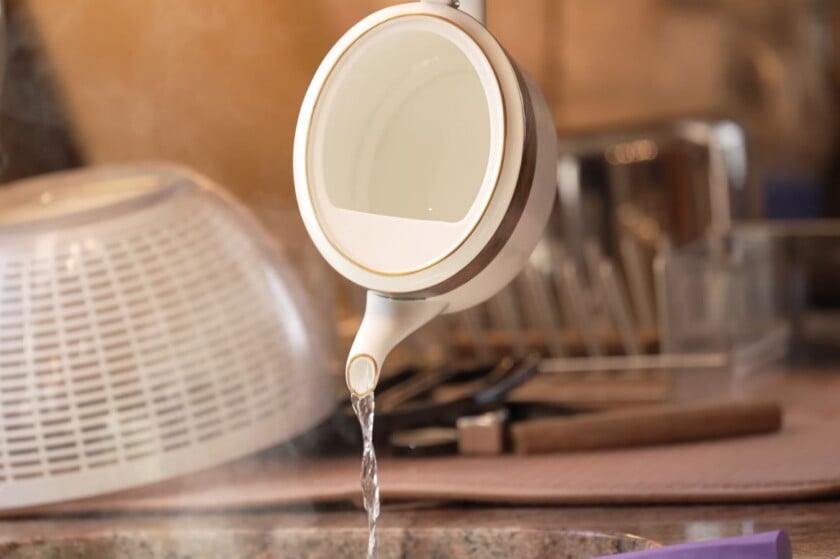
- Warming the Teapot: Before adding the tea leaves, a small amount of hot water should be swirled within the teapot and then discarded. This preheats the ceramic or metal, preventing the brewing water from cooling too rapidly and ensuring a consistent infusion temperature.
- Tea Measurement: The traditional rule dictates "one portion of tea per person, plus one for the pot." A caddy spoon, a specialized measuring spoon for loose tea, or a heaped teaspoon per serving is a reliable guide. For a standard 6-cup teapot, this would typically mean 7 heaped teaspoons of tea.
- Filling the Pot: Once the leaves are in, freshly boiled water is poured until the pot is three-quarters to four-fifths full. This deliberate headspace allows for optimal heat and steam circulation, facilitating the "dance" of the leaves.
- Steeping: Black tea typically requires three to five minutes of steeping, depending on desired strength. Under-steeping results in a weak, insipid brew, while over-steeping can lead to bitterness.
As Fyodor Dostoevsky famously declared in Notes from Underground, "I say let the world go to hell, but I should always have my tea." This sentiment encapsulates the deep personal value many attach to their tea ritual, a moment of steadfast comfort amidst life’s chaos.
Accompaniments and the Etiquette of Enhancement
While the tea steeps, attention turns to preparing the accompaniments that allow guests to personalize their cup. The presentation of milk, sugar, and, on occasion, lemon, is governed by specific traditions.
Milk and Sugar Service:
- Milk: Should be served in a spouted milk jug. Whole milk or half-and-half are traditional choices.
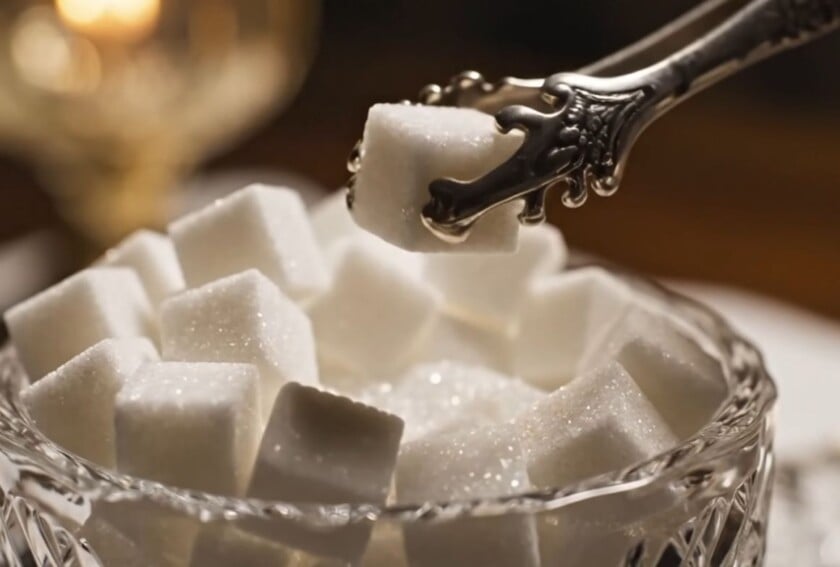
- Sugar: Presented in a sugar bowl. Options include coarse white granulated sugar, accompanied by a communal sugar spoon, or white sugar cubes, served with sugar tongs.
- Cream: Not typically offered with traditional black tea, as its richness can overwhelm the tea’s delicate flavors. Cream is more commonly associated with coffee service.
- Honey and Artificial Sweeteners: These are modern additions and are generally not part of formal, traditional tea service. Their inclusion might suggest a more casual setting.
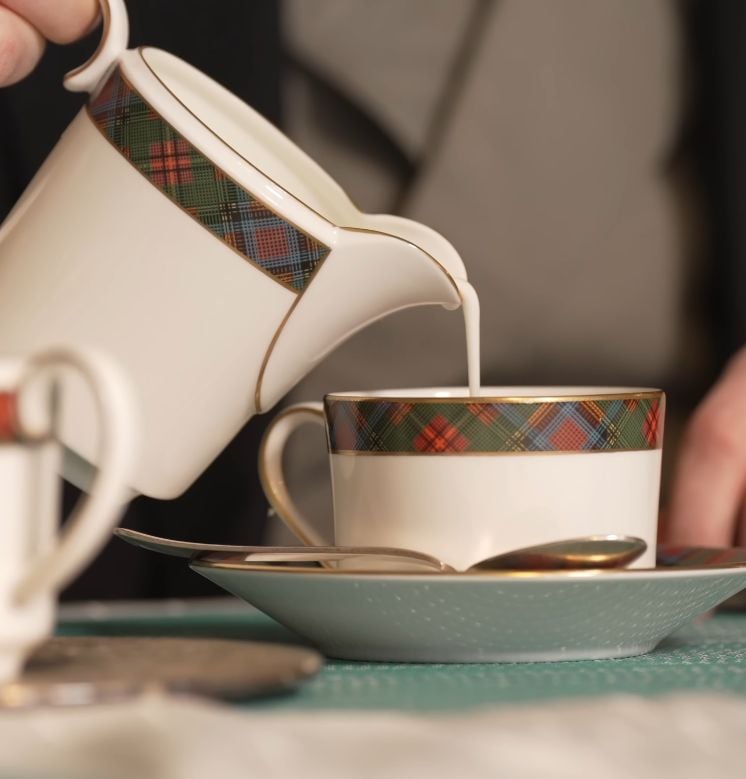
The long-standing debate over whether milk should be added "milk-in-first" (MIF) or "tea-in-first" (TIF) has historical roots. Proponents of MIF argued that adding milk first protected delicate china cups from cracking due to sudden temperature changes, a concern more prevalent with early, less robust porcelain. However, in a contemporary group setting, adding milk after the tea is poured is widely considered the more considerate practice. This allows each individual to accurately assess the tea’s strength and adjust their cup to their precise taste, ensuring a personalized experience without waste.

Lemon Service:
Lemon is typically reserved for lighter, more delicate teas, such as Earl Grey or Darjeeling, where its citrus notes can enhance rather than overpower. It is rarely served with robust breakfast blends, as lemon can curdle milk, which is a common addition to such teas. If offered, lemon slices should be arranged neatly on a separate plate, accompanied by a small fork for serving.
The Graceful Act of Serving and Drinking
Once the tea has steeped to perfection, the serving process unfolds with deliberate care, reflecting the host’s consideration for their guests.
Serving Tea to Guests:
- Pour Slowly: Rushing the pour risks splashes and communicates a lack of care. Each cup should be filled with measured precision.
- Always Use a Strainer: The tea strainer is held close to the cup, ensuring every pour is free of loose leaves, maintaining the tea’s smooth texture.
- Avoid Overfilling: Cups should be filled to approximately three-quarters full. This provides ample space for milk or sugar and allows for safer handling, minimizing spills.
- Serve Others First: The host prioritizes their guests, ensuring every person is served before pouring their own cup. This act of hospitality is fundamental to the ritual.
- Convenient Pot Placement: After the initial round, the teapot is placed back on the table with its handle easily accessible, allowing guests to serve themselves subsequent refills comfortably.
Adding Milk and Sugar with Poise:
- Milk After Tea: As previously noted, milk is poured after the tea, allowing for individual preference. The jug is then returned to its place with consideration for the next person.
- Careful Sugar Application:
- Granulated Sugar: If using granulated sugar, the communal sugar spoon is used to transfer sugar to the cup. Crucially, the spoon should never touch the tea itself. A wet spoon returned to the sugar bowl will cause the sugar to clump, a minor but noticeable lapse in etiquette.
- Sugar Cubes: Sugar cubes are added gently with sugar tongs. Dropping a cube carelessly can cause splashing, disrupting the tranquility of the service.
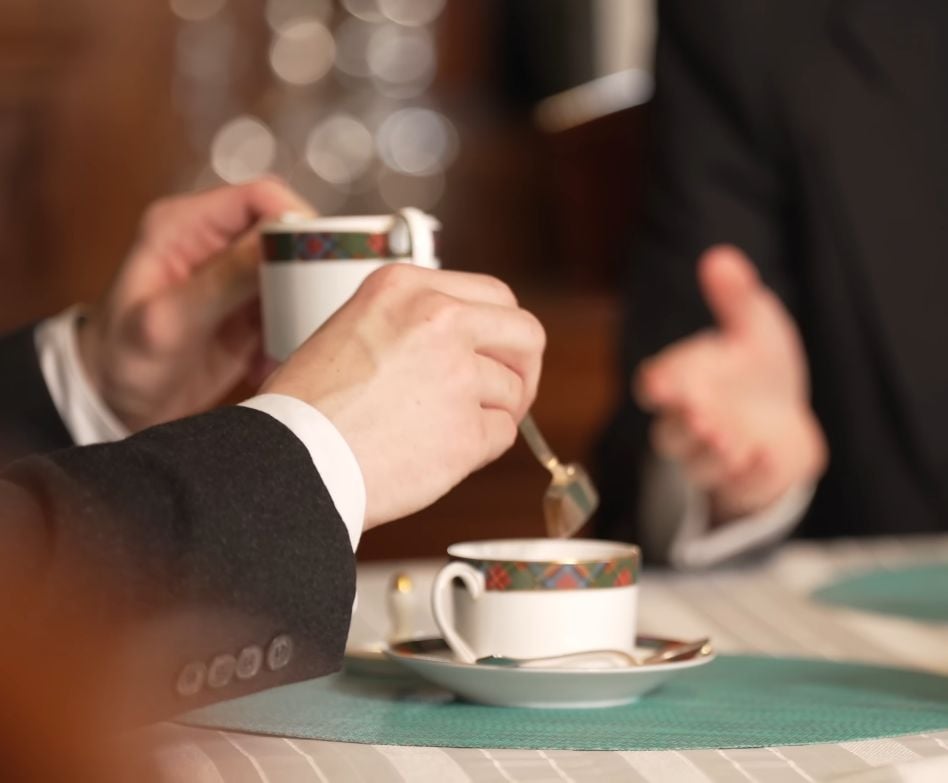
- Neat Stirring: Once milk or sugar is added, stirring is performed with the teaspoon in a back-and-forth motion, from 12 to 6 o’clock, rather than an energetic circular swirl. This method is quieter, neater, and more elegant, preventing the spoon from clinking against the cup or splashing the tea. Upon completion, the teaspoon is placed back on the saucer, parallel to the cup handle, never left in the cup.
Holding the Cup: A Subtle Display of Polish
The etiquette of holding a teacup and saucer is a subtle yet significant indicator of refinement.
Cup and Saucer Positioning:
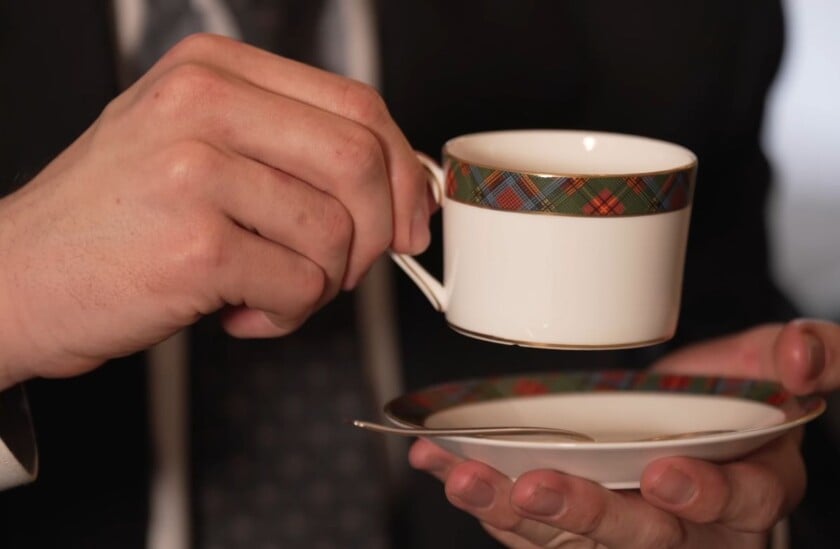
After serving, the cup is returned to its saucer with the handle positioned between 4 and 5 o’clock for a right-handed person, or mirroring this for a left-handed individual. The teaspoon rests neatly on the saucer, parallel to the handle.
Proper Handle Grip:
When lifting the cup, the handle should be pinched lightly between the thumb and forefinger, with the middle finger providing gentle support underneath. The fingers should not be hooked through the handle, nor should the pinky finger be extended. This "pinky up" gesture, contrary to popular belief, is a common misconception and is actually considered a faux pas in traditional etiquette. The remaining fingers should be tucked neatly into the palm or discreetly used to steady the cup. This delicate grip, often referred to by etiquette experts as "the pinch and cradle," is one of the clearest signs of polished tea manners.
As one drinks, the handle may naturally settle at 3 o’clock (or 9 o’clock for left-handers). After each sip, the cup is gracefully returned to its original slight angle on the saucer.
Drinking Tea in Various Settings
The manner of drinking tea adapts slightly depending on the environment, though the underlying principles of control, composure, and care remain constant.
- Seated at a Table: When seated at a table, the cup and saucer remain together on the table until one is ready to drink. Only the cup is lifted to the mouth, leaving the saucer and teaspoon undisturbed. After each sip, the cup is gently returned to its place on the saucer. This prevents unnecessary movement and maintains a composed demeanor.
- Seated Without a Table: If a table is unavailable, the saucer is held steadily in the non-dominant hand, typically resting comfortably in the lap or just above it. The dominant hand then lifts only the cup to drink. The same principle applies: the saucer remains stationary, and the cup returns to it immediately after drinking. This provides stability and prevents spills.
- Standing: In a standing reception, the saucer is again held in the non-dominant hand, close to the body, usually around the natural waistline for stability. The cup is raised to the lips and returned to the saucer without lifting the saucer toward the face. In all scenarios, maintaining an upright posture and controlled movements enhances the elegance of the ritual.
Common Etiquette Missteps to Avoid
A significant aspect of refined tea etiquette lies in avoiding habits that detract from the experience or convey sloppiness:
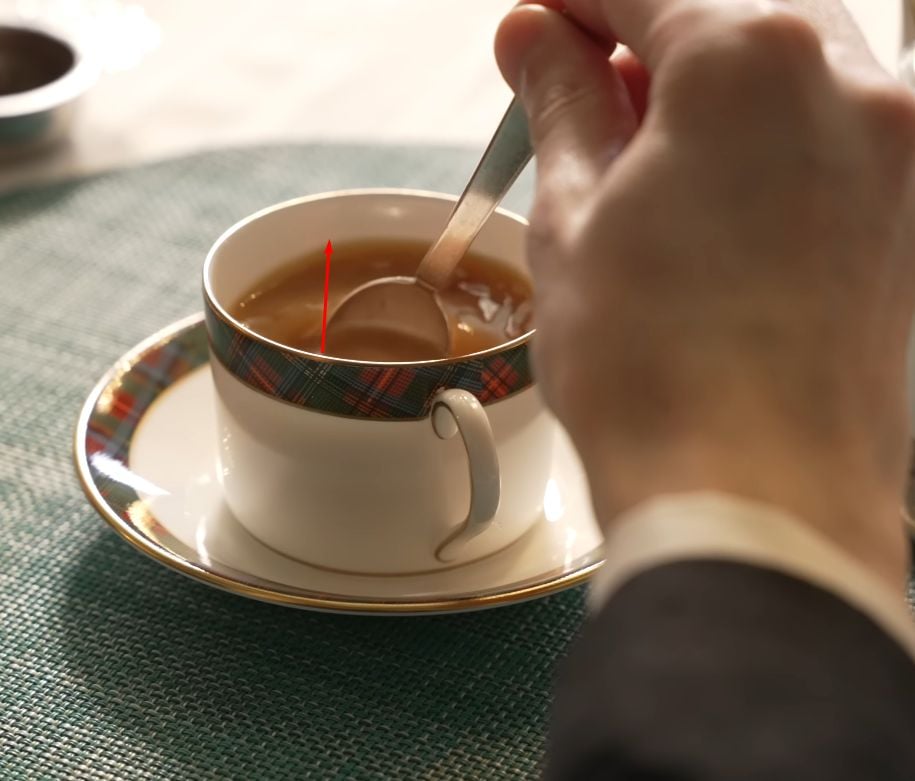
- Slurping: Drinking noisily is considered impolite.
- Leaving the Spoon in the Cup: The teaspoon belongs on the saucer after stirring.
- Hooking Fingers Through the Handle: As discussed, the proper grip is a delicate pinch.
- Extending the Pinky Finger: This is a widely misunderstood gesture; it is not a sign of elegance.
- Clinking the Spoon: Stirring should be quiet and gentle.
- Dunking Food: Dipping biscuits, scones, or other food items into tea is not part of formal etiquette.
- Stirring Vigorously: Circular, energetic stirring can cause splashing and noise.
- Complaining About the Tea: A gentleman accepts the offering with grace, regardless of personal preference.
- Drawing Attention to Spills: Mishaps should be handled discreetly and calmly, with a quiet apology if necessary.
The Essence of True Refinement: Courtesy and Connection
Ultimately, the true mark of a gentleman in the context of tea extends far beyond the mere mechanics of holding a cup or brewing a perfect pot. It resides in the atmosphere created around the occasion and the spirit in which the tea is shared.
"Tea etiquette, at its core, is an expression of courtesy and thoughtful hospitality," asserts Ms. Isabella Thorne, an expert in social graces. "It’s about making others feel comfortable, valued, and respected through the deliberate act of sharing a moment. The meticulousness in preparation and service is not about rigid rules for their own sake, but about honoring the guests and the tradition itself."
A gentleman treats tea as more than a beverage; he sees it as a ceremonial pause in the day, an opportunity for genuine connection. He serves carefully, listens attentively, and ensures the comfort of those around him. This emphasis on hospitality and consideration is what gives the ritual its lasting charm and profound social utility. In a world increasingly dominated by speed and digital interaction, the timeless ritual of tea offers a much-needed sanctuary of calm, fostering genuine human connection and reinforcing the enduring value of grace and mutual respect. The cup matters, the brewing matters, and the manners matter, but the real refinement lies in the spirit of shared civility.