










The public discourse surrounding Kris Jenner’s recent cosmetic enhancements has once again ignited a firestorm of speculation, drawing attention to the ever-evolving intersection of celebrity, aging, and surgical intervention. While the inherent fascination with public figures’ appearances is undeniable, the renewed scrutiny of Jenner’s facial aesthetics warrants a closer examination beyond the ephemeral trends of social media. This article delves into the reported details, the scientific underpinnings of the procedures, and the broader implications for both the plastic surgery community and the public’s perception of aesthetic aging.
The Genesis of a Frenzy: Reports and Reactions
Recent days have seen a surge in online discussion and media coverage regarding Kris Jenner’s current appearance, particularly focusing on a potential facelift. The catalyst for this intensified interest appears to stem from a report by Radar, which quoted a source close to Jenner claiming dissatisfaction with the results of her facelift, stating, "Kris Jenner’s facelift is already slipping. She is not happy with the results and is desperate to get a revision – she feels it has not held the way she expected."
It is crucial to preface this discussion with a note of caution regarding the veracity of such unconfirmed reports. As the original article acknowledged, the definitive truth about Jenner’s satisfaction and the outcomes of her procedure rests solely with her and her medical team. However, the plastic surgery community has been notably active in weighing in on the alleged situation, creating a multi-faceted narrative.
A segment of plastic surgeons has publicly offered their critiques, often via social media platforms, concerning the type of facelift Jenner is believed to have undergone. Specifically, the SMAS (superficial musculoaponeurotic system) facelift has been a focal point of debate, with some practitioners suggesting that it may not offer the same longevity as the deep plane facelift. This professional commentary, while rooted in expertise, has also drawn criticism for its public nature. Beverly Hills plastic surgeon Dr. Charles Galanis, MD, expressed his reservations, stating in his social media stories that he had heard from a "very reliable source" that the Jenner rumor was "actually not true." He further articulated a broader concern: "The number of people I’ve seen gleefully hopping on social media platforms to knock down the surgeon or knock down the cost or knock down the technique, it doesn’t sit right with me. I just think as a collective, we can do more to prop each other up or educate the masses in a positive way, without having to step on someone else to do it." This sentiment highlights a growing unease within the medical field about public criticism of colleagues and the potential for such discourse to erode patient trust and discourage transparency.
A Timeline of Public Statements and Perceptions
To understand the current discourse, it is essential to establish a timeline of publicly available information regarding Kris Jenner’s cosmetic procedures.
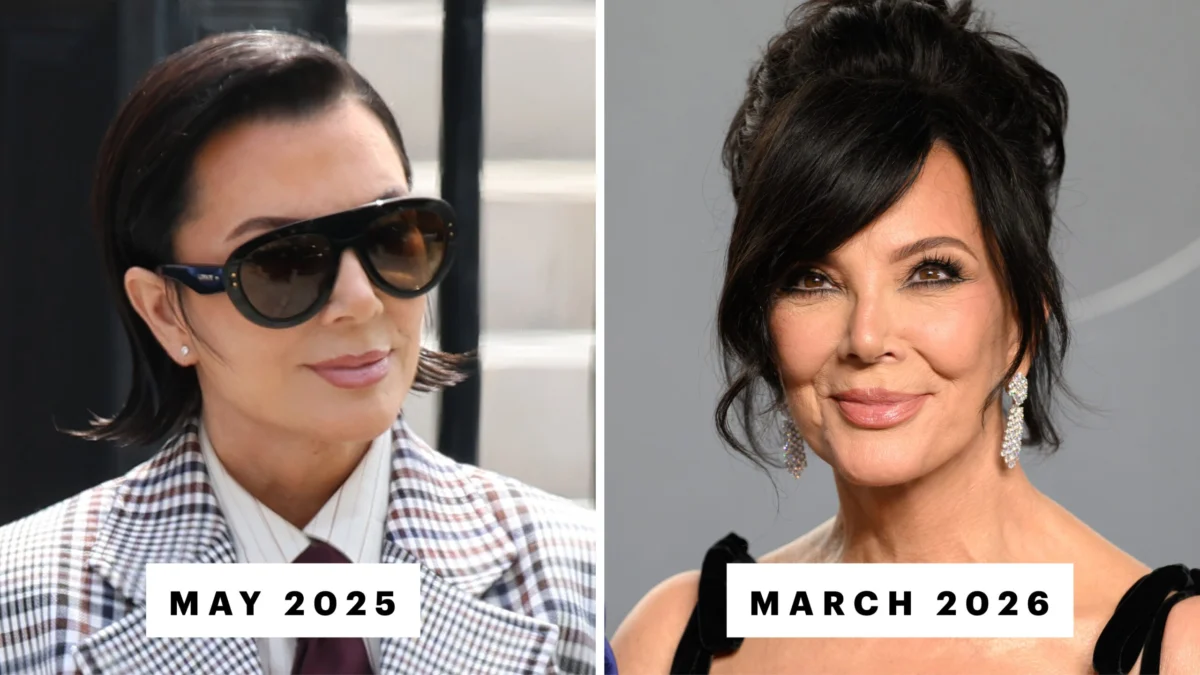
May 2025: Page Six reported that a representative for Kris Jenner confirmed that New York City plastic surgeon Dr. Steven Levine had performed Jenner’s "recent work." The statement was concise, offering little detail beyond the surgeon’s identity.
Following May 2025: Jenner herself began to address the topic more directly. In an interview with Vogue Arabia, she confirmed undergoing a facelift, describing it as a "refresh" of a procedure she had approximately 15 years prior. She further discussed her experience and her surgeon on the "Not Skinny But Not Fat" podcast, even extending an invitation to Dr. Levine to attend her 70th birthday party.
Contrasting Approaches to Transparency: While Jenner acknowledged the procedure, the level of disclosure differed significantly from that of other celebrities. For instance, Denise Richards has been notably open about the details of her facelift, including sharing standardized before-and-after photographs. These photos, typically taken in the weeks preceding and following surgery, serve as crucial documentation of the surgical changes. In contrast, the images of Jenner that circulated online amidst the hype surrounding her work with Dr. Levine were primarily taken in Paris, professionally styled, often featuring sunglasses, and frequently subject to filters. This lack of clear, unfiltered documentation led to observations, such as those made by Allure contributor Val Monroe, that "there’s really no way of knowing what Kris Jenner actually looks like."
This disparity in public presentation underscores a broader challenge in assessing aesthetic outcomes: the curated nature of celebrity imagery. Without direct, unadulterated visual evidence from the period immediately surrounding her surgery, any definitive conclusions about the state of her facelift remain speculative.

Deconstructing the Surgical Techniques: SMAS vs. Deep Plane
A significant portion of the public and professional commentary has revolved around the specific type of facelift Jenner is believed to have had. While social media discussions often lean towards the assumption of a deep plane facelift, the plastic surgery community widely recognizes that Dr. Steven Levine specializes in a particular technique within the SMAS facelift category.
Understanding the SMAS Facelift: The SMAS refers to the superficial musculoaponeurotic system, a fibrous tissue layer that lies beneath the skin and superficial fat of the face and neck. Surgeons manipulate this layer to achieve a more youthful contour. Dr. Levine is known for performing a lateral SMASectomy. This technique involves removing a strip of the SMAS tissue in the lateral (side) part of the face. The remaining edges of the SMAS are then re-sutured, effectively lifting and repositioning the lower face. This procedure is often performed in conjunction with a deep structural neck lift, which addresses the tissues beneath the platysma muscle to sculpt the neck.
The Deep Plane Facelift: In contrast, the deep plane facelift involves dissecting beneath the SMAS layer to access and release specific ligaments that tether the facial tissues. Proponents of this technique argue that by releasing these ligaments and re-suspending the tissues in a tension-free manner, deeper anatomical layers are addressed, potentially leading to a more natural and longer-lasting result.
The debate over which technique yields superior or more durable results is ongoing within the surgical community. While some surgeons advocate for the deep plane approach due to its perceived longevity, others champion the efficacy of various SMAS techniques, including the SMASectomy, for their ability to achieve significant rejuvenation.
Longevity and Aging: Scientific Perspectives on Facelift Durability
The question of how long a facelift lasts is a complex one, influenced by numerous factors including the surgical technique employed, the patient’s age, their genetic predispositions, and their lifestyle. Recent scientific inquiry offers some valuable insights into this matter.
A New Study on Facelift Longevity: A study published in Facial Plastic Surgery & Aesthetic Medicine provides data on the longevity of both deep plane and SMAS facelifts. According to the research:
- Deep Plane Facelifts: On average, deep plane facelifts were found to last approximately 10.9 years. The study further delineated this by age at the time of the first lift:
- Patients undergoing their first lift at or before age 53 experienced an average longevity of 12.4 years.
- Patients who waited until they were 54 or older before their first lift saw an average longevity of 9.3 years.
- SMAS Facelifts: The study also analyzed longevity data for SMAS facelifts, estimating an approximate lifespan of 8 to 12 years.
Implications of Multiple Surgeries: An intriguing aspect of the study involved reviewing the outcomes of patients who had undergone multiple facelifts. The authors observed that patients who had received three or four facelifts tended to return for revisions sooner after their subsequent procedures compared to those returning after their primary, or first-time, deep plane lifts. This suggests that while repeated interventions can maintain a refreshed appearance, the underlying tissue elasticity and response to surgery may diminish over time.
Applying the Data to Kris Jenner: These findings offer a relevant framework for understanding the potential longevity of Kris Jenner’s facelift, particularly given her age at the time of the procedure. At 69 years old when she reportedly underwent her facelift, Jenner falls into the category of older patients for whom facelift results may be less durable compared to younger individuals. Furthermore, if this "refresh" indeed represents a second facelift, as she alluded to, the findings regarding multiple surgeries become pertinent.
However, it is crucial to reiterate that this scientific data provides a general understanding and does not offer a definitive diagnosis for any individual’s specific outcome.
The "Honeymoon Period" and the Reality of Post-Operative Recovery
Beyond the technical aspects of the surgery and the science of longevity, another critical factor in understanding public perception of facelift results is the concept of the "honeymoon period." This term is used by surgeons to describe the early post-operative phase, typically the first few weeks to months after surgery.
.jpg)
During this period, the face often appears swollen, smooth, and taut. This initial appearance can be highly pleasing to patients, as the swelling can create an illusion of extreme youthfulness and tightness. However, as the swelling gradually subsides and the tissues settle into their final position, the results become more realistic and settled.
This phenomenon is a normal and expected part of the facelift recovery process. It is why experienced surgeons consistently advise patients and observers to refrain from making definitive judgments about a facelift’s outcome until at least the one-year mark post-surgery. The initial tautness can sometimes be misinterpreted as the final result, and its subsequent softening can lead to perceptions of the procedure "slipping," when in reality, it is simply a natural progression of healing and tissue settling.
Given the lack of unfiltered, bare-faced photographs from the period immediately following Jenner’s procedure, it remains challenging to ascertain whether the current discourse reflects a genuine decline in results or simply the natural evolution from the "honeymoon period" to a more settled, long-term outcome.
Broader Implications for the Plastic Surgery Industry and Public Perception
The ongoing public discussion surrounding Kris Jenner’s facelift, while seemingly focused on a single individual, carries broader implications for the plastic surgery industry and how the public perceives aesthetic procedures.
The Double-Edged Sword of Celebrity Endorsement: Celebrities like Kris Jenner wield significant influence. Their openness about cosmetic procedures, or their perceived pursuit of them, can normalize these interventions and influence public attitudes. However, when coupled with speculation and unverified reports, this influence can also contribute to misinformation and unrealistic expectations.
The Ethics of Public Commentary by Surgeons: The practice of surgeons publicly commenting on the procedures of public figures without direct knowledge or patient consent raises ethical questions. While such commentary can be educational, it risks becoming speculative, judgmental, and potentially damaging to both the reputation of the surgeon being discussed and the patient involved. Dr. Galanis’s concern about the "collective" of surgeons "stepping on someone else" is a valid point, highlighting the need for a more collaborative and less adversarial approach to professional discourse.
The Quest for Transparency and Trust: In an era where visual information is abundant but often manipulated, the demand for transparency in celebrity cosmetic surgery is growing. Patients and the public alike seek to understand the realities of these procedures, including the techniques, the recovery process, and the long-term outcomes. The contrast between Jenner’s presentation and that of figures like Denise Richards underscores the value of clear, unvarnished information in building trust and fostering informed decision-making.
Navigating the Aging Process in the Public Eye: The scrutiny of Kris Jenner’s appearance also reflects a societal discomfort with visible signs of aging, particularly for women in the public sphere. While cosmetic surgery offers options for individuals seeking to address these concerns, the intense focus on such interventions can inadvertently create pressure and reinforce the idea that aging is something to be "fixed" rather than embraced.
Conclusion: A Landscape of Unanswered Questions
The narrative surrounding Kris Jenner’s facelift remains largely one of speculation, amplified by unconfirmed reports and the inherent allure of celebrity. While scientific data provides a valuable context for understanding the potential longevity and complexities of facelift procedures, the absence of definitive information leaves many questions unanswered.
The debate highlights the critical need for nuanced discussions about aging, beauty standards, and the role of cosmetic surgery in contemporary society. As the public continues to engage with these topics, a commitment to factual reporting, ethical professional conduct, and genuine transparency will be paramount in fostering informed perspectives and building trust within the evolving landscape of aesthetic medicine. Until verifiable information emerges, the public discussion will likely remain a complex interplay of conjecture, expert opinion, and the enduring fascination with the ever-changing visages of public figures.