










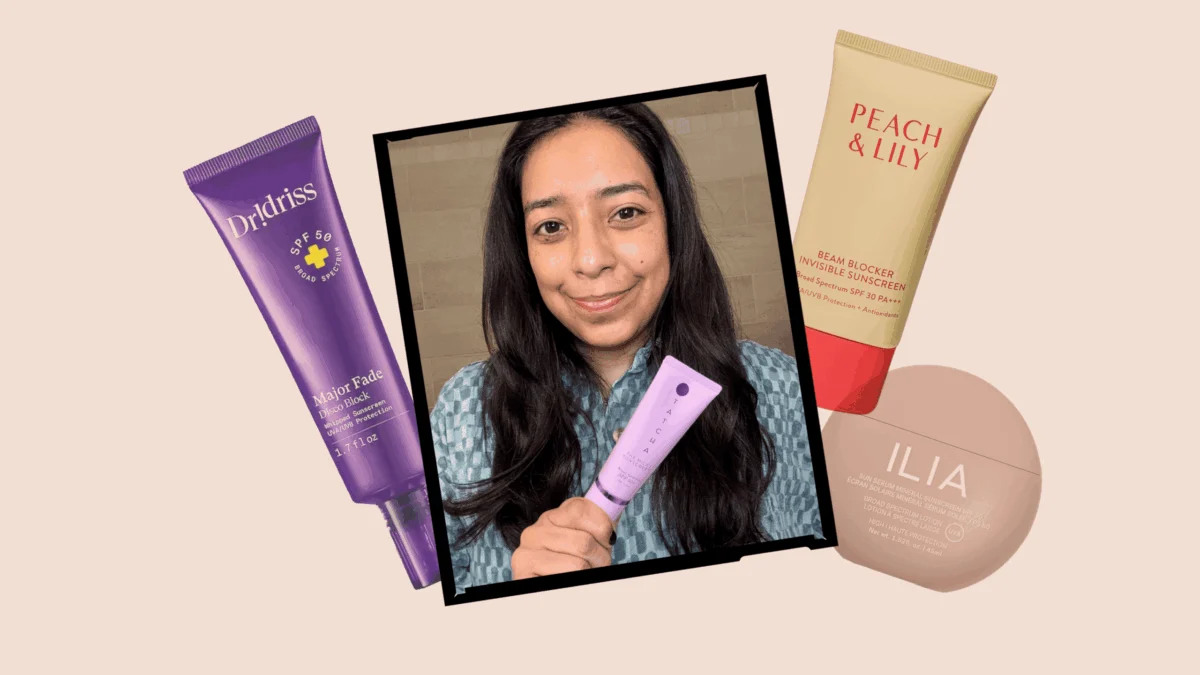
The sun, a vital source of life and energy for our planet, also poses significant risks to human skin. Understanding the mechanisms of sun protection and the various product types available is crucial for safeguarding long-term skin health. Dermatologists consistently emphasize the importance of daily application of broad-spectrum sunscreen with a minimum SPF of 30, and regular reapplication every two hours, to mitigate the damaging effects of ultraviolet (UV) radiation. Prolonged exposure to the sun’s UVA and UVB rays can lead to a cascade of dermatological issues, ranging from cosmetic concerns like sun spots, skin sagging, fine lines, and wrinkles, to more severe health implications, including various forms of skin cancer. UVA rays, in particular, penetrate deeper into the skin, increasing the risk of aggressive cancers such as melanoma.
Understanding Sun Protection Factor (SPF) and Its Efficacy
The Sun Protection Factor, commonly abbreviated as SPF, is a key metric for assessing a sunscreen’s effectiveness against UVB rays. Scientific studies and expert consensus have established clear benchmarks for SPF ratings. For instance, an SPF 30 sunscreen is capable of blocking approximately 97% of UVB rays, while an SPF 50 offers around 98% protection. Even minor differences in SPF can translate to significant variations in protection levels, with SPF 15 only guarding against 93% of UVB rays. This distinction is why dermatologists and leading beauty publications, such as Allure, strongly recommend a minimum SPF of 30. The evidence supporting the efficacy of sunscreen in preventing sun damage is robust and well-documented in peer-reviewed scientific literature. Consistent application and reapplication are paramount to minimizing the cumulative effects of sun exposure, which, in its most severe manifestation, can result in a skin cancer diagnosis.
The Science Behind Sunscreen: Mineral vs. Chemical Formulations
Navigating the vast array of sunscreen products on the market can be a daunting task, particularly when seeking a formula tailored to individual skin types and tones. The choice often comes down to personal preference and specific skin concerns. Dermatologists distinguish between two primary categories of sunscreen: mineral and chemical.
Mineral Sunscreens: These formulations, often favored by individuals with sensitive skin, utilize mineral filters such as zinc oxide and titanium dioxide. As explained by board-certified dermatologist Loretta Ciraldo, MD, these ingredients work by creating a physical barrier on the skin’s surface that reflects ultraviolet rays, preventing them from penetrating the skin cells. This reflective mechanism offers a gentle yet effective means of protection.
Chemical Sunscreens: In contrast, chemical sunscreens employ organic compounds that absorb UV rays. These chemicals then convert the absorbed UV radiation into non-damaging heat, which is subsequently released from the skin. Board-certified dermatologist Sejal Shah, MD, elaborates that this process allows chemical sunscreens to feel lighter and more akin to a serum or moisturizer, often avoiding the undesirable white or gray cast that some mineral sunscreens can leave, especially on deeper skin tones. Common chemical UV filters include avobenzone, homosalate, octocrylene, octisalate, and ensulizole. Notably, certain chemical filters like oxybenzone and octinoxate have faced scrutiny and have been banned in regions such as Hawaii due to environmental concerns regarding coral reef damage. This has prompted many manufacturers to reformulate their products and remove these ingredients from their ingredient lists, reflecting a growing awareness of the environmental impact of cosmetic products.
Expert Insights and Rigorous Testing Methodologies
Allure‘s commitment to providing reliable product recommendations is underpinned by a comprehensive testing and review process that involves a multidisciplinary approach. When evaluating any beauty product, including sunscreens, editors meticulously examine ingredient lists, scrutinize brand claims, and, where relevant, consult peer-reviewed scientific and medical studies. This rigorous vetting process ensures that recommendations are not only based on product performance but also on sound scientific principles.
In addition to hands-on product testing by their editorial team, Allure collaborates with leading experts in dermatology, cosmetic chemistry, and medicine. These specialists play a crucial role in validating the efficacy of ingredients and the integrity of product formulations. For their curated lists of best sunscreens, Allure considers five primary evaluation criteria: ingredient composition and efficacy, packaging design and functionality, fragrance profile, textural feel, and overall product wearability throughout the day. Every product featured in their reviews is assessed to have met high standards across all these categories, with particular emphasis placed on expert dermatologist consultations. A detailed explanation of Allure‘s complete review and testing methodology is available for consumers seeking further information on their evaluation processes.
The Importance of a Diverse Testing Panel
Allure recognizes that beauty is inherently personal, and a product’s effectiveness can vary significantly from one individual to another. Whether a consumer is seeking a solution for chronic dryness, exploring new nail care trends, or simply staying abreast of the latest hair product launches, Allure‘s goal is to ensure that every recommendation resonates with their audience. This commitment is realized through the cultivation of a diverse editorial team and the engagement of a wide spectrum of external testers and industry professionals.
The publication asserts that a diverse testing panel is indispensable for providing equitable and comprehensive product assessments. For example, they question the validity of deeming a skincare product "the best" for individuals over 50 without soliciting feedback from testers who fall within that age demographic. Similarly, a high-end diffuser’s suitability for all hair types cannot be accurately assessed without including individuals with textured or curly hair in the testing pool. Allure proudly maintains a staff that represents a broad range of ages, skin tones, hair textures, genders, and backgrounds, enabling them to conduct fair and thorough evaluations of any beauty product that enters their testing facilities. This inclusive approach ensures that their recommendations are representative and useful for a wide and varied consumer base.
Broader Implications: Sunscreen as a Public Health Imperative
The consistent recommendation of sunscreen by dermatologists and beauty experts transcends mere aesthetic concerns; it is fundamentally a public health imperative. Skin cancer, a prevalent form of cancer globally, is largely preventable through consistent sun protection. According to the Skin Cancer Foundation, one in five Americans will develop skin cancer in their lifetime. Early detection and prevention strategies, with sunscreen application at the forefront, are critical in reducing these statistics.
The background context for this emphasis on sun protection has evolved over decades of dermatological research. Initially, the focus was primarily on preventing sunburn. However, as scientific understanding deepened, the long-term implications of UV exposure, including premature aging and increased cancer risk, became clearer. This led to a paradigm shift in public health messaging, elevating sunscreen use from an occasional beach activity to a daily essential.
The timeline of understanding UV radiation and its effects has been marked by significant milestones. In the early 20th century, the concept of SPF was introduced. Over time, research elucidated the distinct roles of UVA and UVB rays, leading to the development of "broad-spectrum" protection. More recently, concerns about specific chemical filters and their environmental impact have driven innovation in sunscreen formulations, leading to the rise of mineral-based options and reef-safe alternatives.
Supporting data from organizations like the World Health Organization (WHO) and the American Academy of Dermatology (AAD) consistently reinforce the link between UV exposure and skin cancer. The AAD, for instance, recommends that individuals use a broad-spectrum, water-resistant sunscreen with an SPF of 30 or higher. They also advocate for seeking shade, wearing protective clothing, and avoiding tanning beds.
The implications of widespread and consistent sunscreen use are far-reaching. Beyond individual health benefits, there are economic considerations related to healthcare costs associated with treating skin cancer. Public health campaigns and educational initiatives aimed at increasing sunscreen awareness and adoption can contribute to a reduction in these costs. Furthermore, the growing demand for effective and environmentally conscious sunscreens is driving innovation within the beauty industry, encouraging the development of more sustainable and inclusive products.
Reactions from related parties, such as public health officials and dermatological associations, consistently underscore the critical role of sunscreen in preventative healthcare. They often issue statements and guidelines reinforcing the scientific consensus on sun protection. For example, public health campaigns might highlight the cumulative nature of sun damage, emphasizing that even incidental sun exposure throughout the day contributes to long-term risks.
A brief, fact-based analysis of the implications reveals that investing in daily sunscreen use is a cost-effective strategy for individuals and society. The minimal cost of a quality sunscreen product pales in comparison to the potential costs of treating skin cancer, which can include surgeries, chemotherapy, and radiation therapy. Moreover, the long-term impact on quality of life is immeasurable, as skin cancer treatment can be arduous and have lasting physical and emotional effects. The continued research into novel UV-filtering technologies and the development of user-friendly formulations are likely to further enhance the accessibility and effectiveness of sun protection in the years to come. The collective efforts of dermatologists, scientists, beauty editors, and public health advocates are crucial in fostering a culture of proactive skin health, ensuring that individuals are well-equipped to enjoy the benefits of sunlight while minimizing its inherent risks.