







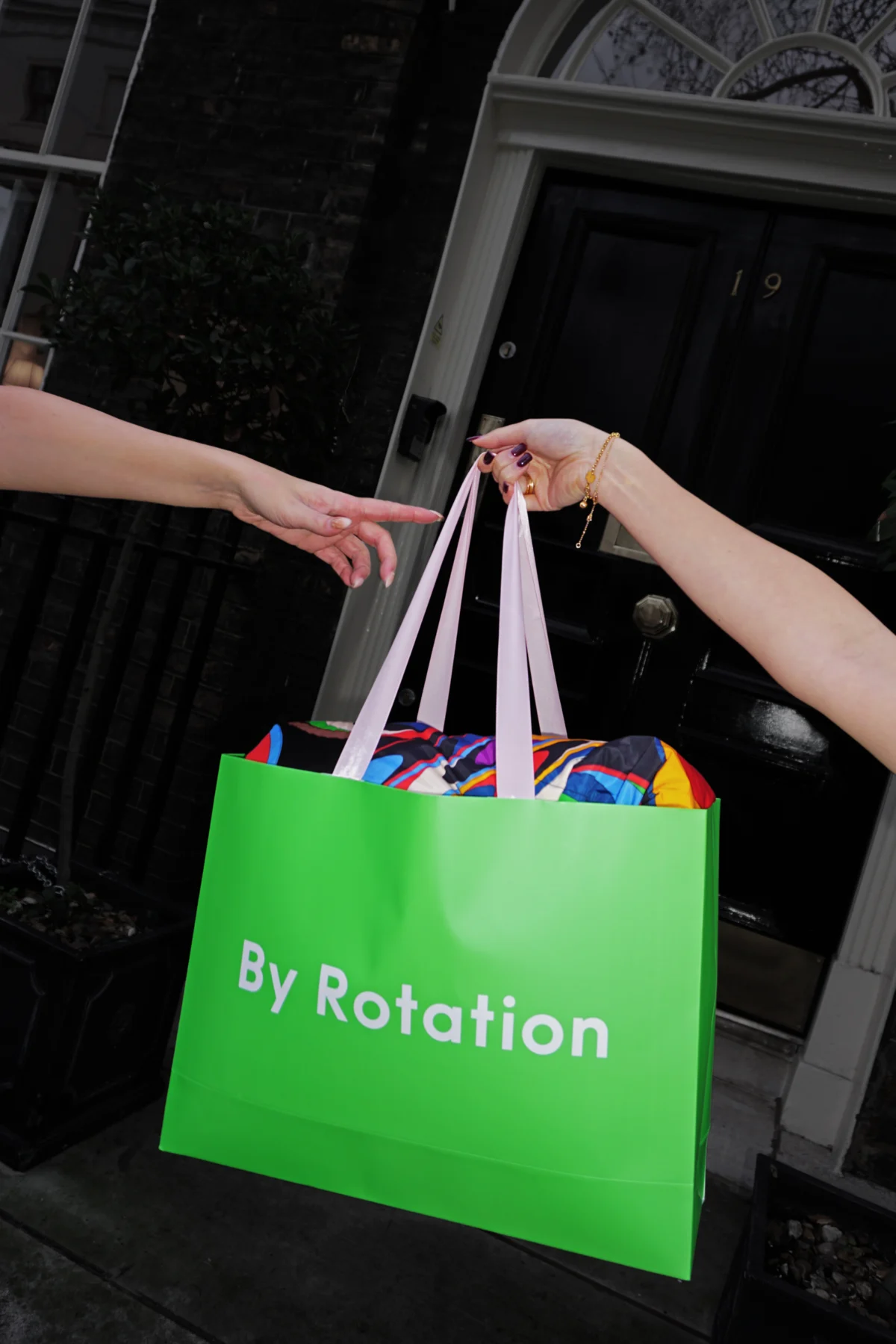
By Rotation, the United Kingdom’s leading peer-to-peer fashion rental marketplace, has officially announced a strategic partnership with the global ride-sharing and logistics giant Uber to provide ultra-fast delivery services for its users across the country. This collaboration, which is scheduled to run through May 31, allows By Rotation users to rent designer outfits and accessories from neighbors and have them delivered via Uber Courier within 60 minutes. To incentivize the adoption of this rapid-delivery model, the partnership includes a 10% discount on delivery fees, which is automatically applied through the By Rotation app interface.
While the service is available for the platform’s entire inventory, the initiative specifically targets the winter sports market. Data released by By Rotation indicates that approximately 30% of users seeking ski and snowboarding gear on the platform require same-day pickup. By integrating Uber’s logistics network, the company aims to eliminate the logistical burden of transporting bulky, high-value winter equipment, which is often both expensive to purchase and cumbersome to move via traditional postal services.
The Rise of the Emergency Economy and Sartorial Panic
The partnership is a direct response to a phenomenon that By Rotation CEO and founder Eshita Kabra-Davies describes as the "emergency economy." According to internal company metrics, one in four rental requests on the platform is made within 48 hours of an event. This high volume of last-minute demand often leads to what Kabra-Davies terms "sartorial panic," a state where consumers feel compelled to make "panic purchases" of low-quality, fast-fashion items because they lack the time to source more sustainable alternatives.
By offering a 60-minute delivery window, By Rotation and Uber are attempting to replicate the convenience of e-commerce giants while maintaining the sustainability of the circular economy. The goal is to shift consumer behavior away from "disposable" fashion by providing a high-quality rental alternative that can reach the consumer’s doorstep faster than a traditional retail delivery.
"Our community values the sustainability of renting, but they also demand the speed and convenience they have come to expect from modern e-commerce," Kabra-Davies stated. "Logistics was the final friction point. By removing that barrier, we give our community the luxury of choice—allowing them to secure a high-quality, high-value piece over a disposable garment simply because it can reach their door just as quickly."
Strategic Timeline and Partnership History
The collaboration with Uber represents the latest in a series of high-profile strategic partnerships for By Rotation. This move follows a successful campaign with Airbnb, where the two companies teamed up to provide curated wedding guest outfits for travelers attending destination weddings. These partnerships highlight a growing trend of "cross-industry synergy," where lifestyle and tech platforms integrate their services to meet specific consumer needs based on location and activity.
The timeline of By Rotation’s growth reflects the broader expansion of the sharing economy:
- 2019: Eshita Kabra-Davies launches By Rotation as a side project to address the waste she witnessed during a trip to her native Rajasthan, India.
- 2020–2021: Despite the global pandemic, the platform sees a surge in users as consumers become more conscious of sustainability and personal finances.
- 2022: The company completes a successful seed funding round and expands its operations to New York City, marking its first major international foray.
- 2023–2024: The platform reaches over 1 million registered users and expands its inventory to include luxury items valued at more than $100 million.
- Late 2024: The Uber partnership is launched to tackle the winter "ski-core" fashion trend and holiday season demand.
Economic and Environmental Implications of Circular Fashion
The fashion industry is currently responsible for approximately 10% of global carbon emissions and nearly 20% of global wastewater. As the environmental cost of "fast fashion" becomes more apparent, the circular economy—which emphasizes the reuse, repair, and sharing of existing items—has seen a significant uptick in adoption, particularly among Gen Z and Millennial consumers.
Market analysts suggest that the global clothing rental market is expected to reach a valuation of roughly $2.1 billion by 2025. By Rotation’s peer-to-peer model differs from traditional rental services (which often hold their own inventory in centralized warehouses) by decentralizing the "wardrobe." This reduces the carbon footprint associated with large-scale warehouse operations and allows for hyper-local transactions.
The partnership with Uber further optimizes this local model. By using Uber Courier, the platform utilizes existing drivers and couriers already on the road, potentially reducing the need for additional long-haul logistics. This "last-mile" solution is critical for the peer-to-peer model, as it solves the problem of two individuals having to coordinate a physical meeting time to exchange a rented item.
Technical Integration and User Experience
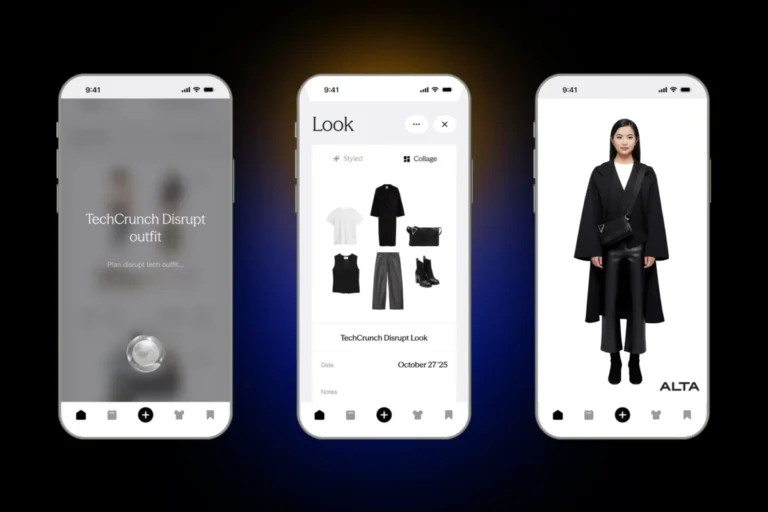
The integration of Uber’s services into the By Rotation app is designed to be seamless. When a user selects an item from a lender in their neighborhood, the checkout page displays a pop-up banner for "Uber Courier." The 10% discount is applied automatically, and the user can track the delivery in real-time, similar to a standard Uber ride or Uber Eats order.
This technical bridge allows By Rotation to scale its logistics without the massive capital expenditure required to build its own delivery fleet. For Uber, the partnership represents an expansion of "Uber Direct," its white-label delivery service that allows retailers to offer on-demand delivery through their own apps.
Industry experts view this as a significant step in the evolution of the "everything app" concept, where logistics platforms like Uber become the backbone for various niche marketplaces. By providing the "plumbing" for peer-to-peer fashion, Uber solidifies its role as a critical infrastructure provider for the circular economy.
Financial Empowerment and the "Shared Wardrobe"
Beyond the environmental benefits, By Rotation has positioned itself as a tool for financial empowerment. The platform allows users to monetize their personal wardrobes, effectively turning their clothing into income-generating assets. Kabra-Davies noted that some of the platform’s top lenders have earned enough to fund significant life events. One notable example involves a lender who used her earnings to fund her IVF journey, which eventually led to a successful surrogacy.
This "wardrobe as an asset" mindset has attracted high-profile users, including celebrities and influencers like singer-songwriter Ellie Goulding. By democratizing access to luxury fashion, the platform allows users to wear brands like Ganni, Self-Portrait, and Prada at a fraction of the retail cost, while the owners of those items recoup their initial investments.
Future Outlook: Global Ambitions and Market Expansion
The current partnership with Uber is focused on the U.K. market, which remains By Rotation’s strongest hub. However, the company has clear ambitions for global dominance in the rental space. Following its launch in New York, the brand is currently eyeing the United Arab Emirates (UAE) as its next major market, citing the region’s high interest in luxury fashion and rapid tech adoption.
The long-term vision for By Rotation is to make the "rotating wardrobe" the default mode of consumption globally. By partnering with a company that has the global reach of Uber, By Rotation is positioning itself to scale its "emergency economy" solutions to other major metropolitan areas where logistics and traffic often hinder peer-to-peer exchanges.
As the May 31 deadline for the Uber partnership approaches, industry observers will be watching to see if the pilot program becomes a permanent fixture. If successful, the model could serve as a blueprint for other peer-to-peer marketplaces—such as those for electronics, tools, or home goods—to integrate with rapid logistics providers, further accelerating the transition away from traditional ownership and toward a more sustainable, access-based economy.
The collaboration ultimately signals a shift in the retail landscape: speed is no longer the exclusive domain of fast fashion. Through technological integration and strategic logistics, the "slow fashion" movement is proving that it can compete on the same playing field as the giants of the "throwaway" culture, offering a future where convenience and sustainability are no longer mutually exclusive.