







The wedding industry is currently navigating a significant shift in how ceremonies and receptions are documented, as the traditional focus on authentic celebration increasingly competes with the demands of digital content creation. For over a decade, wedding photography was primarily viewed as a tool for preservation—a means of capturing the organic interactions between a couple and their guests. However, industry veterans and photographers with over ten years of experience, such as Emily Tyler, have identified a growing trend where the wedding day is no longer just a milestone event, but a meticulously curated production designed for social media consumption. This evolution has sparked a broader debate within the hospitality and event planning sectors regarding the balance between "living the moment" and "performing for the camera."
The Transformation of Wedding Documentation: A Ten-Year Perspective
The landscape of wedding photography has undergone a radical transformation since the early 2010s. In the previous decade, the standard photographic "shot list" was largely confined to family formal portraits, the exchange of vows, and candid captures of the reception. While professional photography has always been a cornerstone of the wedding budget, the primary objective was to document the day as it naturally unfolded. In contrast, the current era is characterized by "continuous content moments"—staged or semi-staged vignettes designed specifically to generate high-engagement social media posts.
These "faux moments" are often scheduled with the precision of a commercial film set. They include choreographed "first looks" not only between the couple but also with bridesmaids and parents, multiple outfit changes, and highly stylized "mini-shoots" that occur throughout the day. Industry analysts suggest that this shift is driven by the visual-centric nature of platforms like Instagram and TikTok, where the aesthetic quality of an event often serves as a form of social capital. Consequently, the wedding photographer’s role has expanded from a silent observer to a director, often tasked with managing a rigorous schedule that prioritizes visual output over the couple’s actual participation in their own celebration.
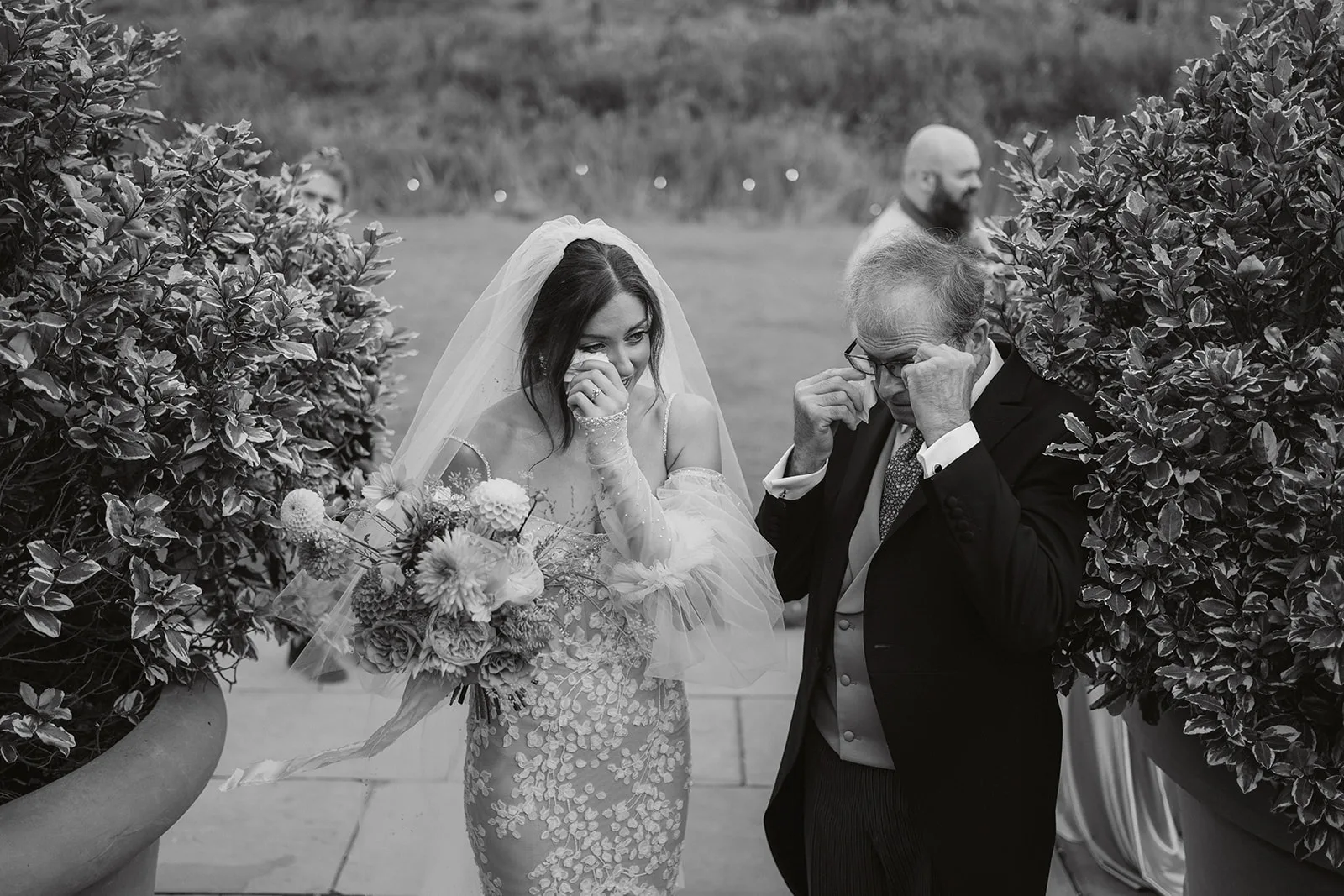
The Digital Imperative: Statistical Trends and Social Pressures
The pressure to produce "perfect" wedding content is supported by data from the broader wedding market. According to industry reports from 2023, the average couple now spends approximately 10% to 15% of their total wedding budget on photography and videography alone. Furthermore, surveys conducted by wedding planning platforms indicate that nearly 60% of couples feel "significant pressure" to ensure their wedding looks "Pinterest-perfect."
This digital imperative has led to the emergence of a new professional category: the "Wedding Content Creator." Unlike traditional photographers who focus on high-resolution, edited galleries delivered weeks after the event, content creators are hired to capture behind-the-scenes footage on mobile devices for immediate social media distribution. While this provides instant gratification, it also adds another layer of performance to the day. The result is often a schedule so tightly packed with content-related tasks that the couple finds themselves constantly pulled away from their guests, leading to what some professionals describe as "celebration fatigue."
Chronology of the Content-Centric Wedding Day
To understand the impact of this trend, it is necessary to examine the typical timeline of a modern, content-focused wedding. The traditional timeline, which allowed for ample "mingling" and buffer time, has been replaced by a more rigid structure:
- Pre-Ceremony (3–4 Hours): Dedicated to "getting ready" shots, flat lays of stationery, and multiple "first look" reveals.
- Post-Ceremony (1.5–2 Hours): While guests typically enjoy a cocktail hour, the couple is often engaged in an extended series of portraits and "content moments."
- Reception (4–6 Hours): Interrupted by "golden hour" shoots, staged cake cuttings (often done before guests are seated to ensure perfect lighting), and "outfit reveals."
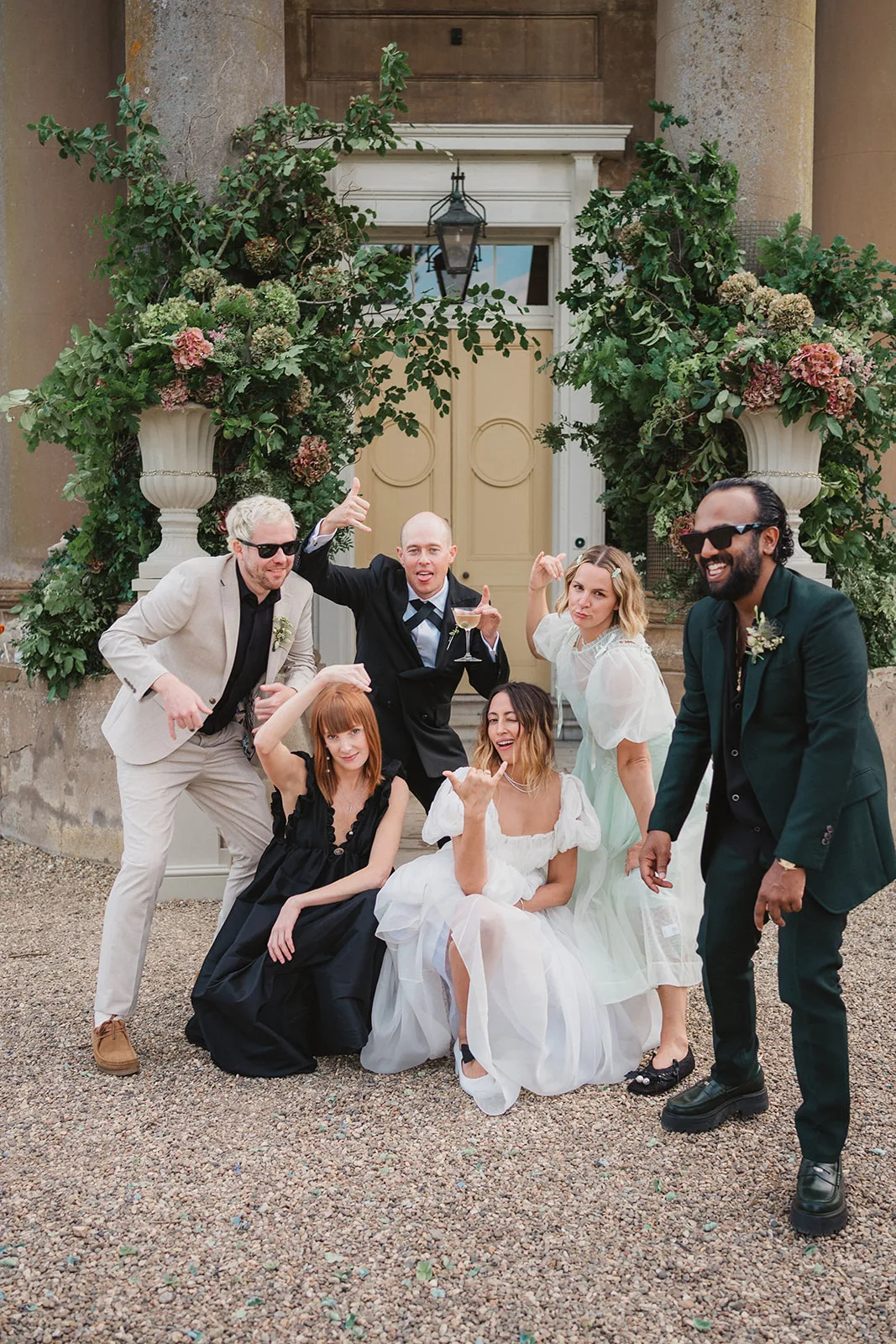
This chronology reveals a significant reduction in the time couples spend interacting with their guests. In many cases, the "cocktail hour"—traditionally the primary time for a couple to greet their friends and family—is entirely consumed by photographic requirements. This has led to reports from venue managers about "guest neglect," where attendees are left for extended periods without the hosts, sometimes in suboptimal conditions, while the couple completes a series of obscure mini-shoots.
Logistical Strains and the Guest Experience
The prioritization of content over community has practical implications for venues and guests. Wedding planners and venue managers have begun to voice concerns over the "horror stories" that emerge from content-heavy weddings. In several documented instances, guests have been left waiting outside or in holding areas for over 30 minutes while the couple utilizes the main event space for private photo sessions.
This disconnect is particularly poignant given that weddings are historically viewed as the "joining together of two worlds." The guest list typically represents a "tapestry of life," including childhood friends, university peers, and distant relatives who may have traveled significant distances to attend. When the schedule becomes a series of tasks to "tick off," the opportunity for meaningful conversation and connection is lost. Industry experts note that the very people who helped shape the couple’s identity are often the ones most sidelined by the demands of the camera.
The "Digital Mirage": Discrepancy Between Online and Reality
One of the most complex aspects of the content-driven wedding is the discrepancy between the final visual product and the actual atmosphere of the event. High-energy videos and vibrant photos can create an "epic" representation of a party that, in reality, felt disjointed or low-energy. This "digital mirage" occurs when the energy of the room is sacrificed for the sake of a three-second clip of "joy" or "celebration."
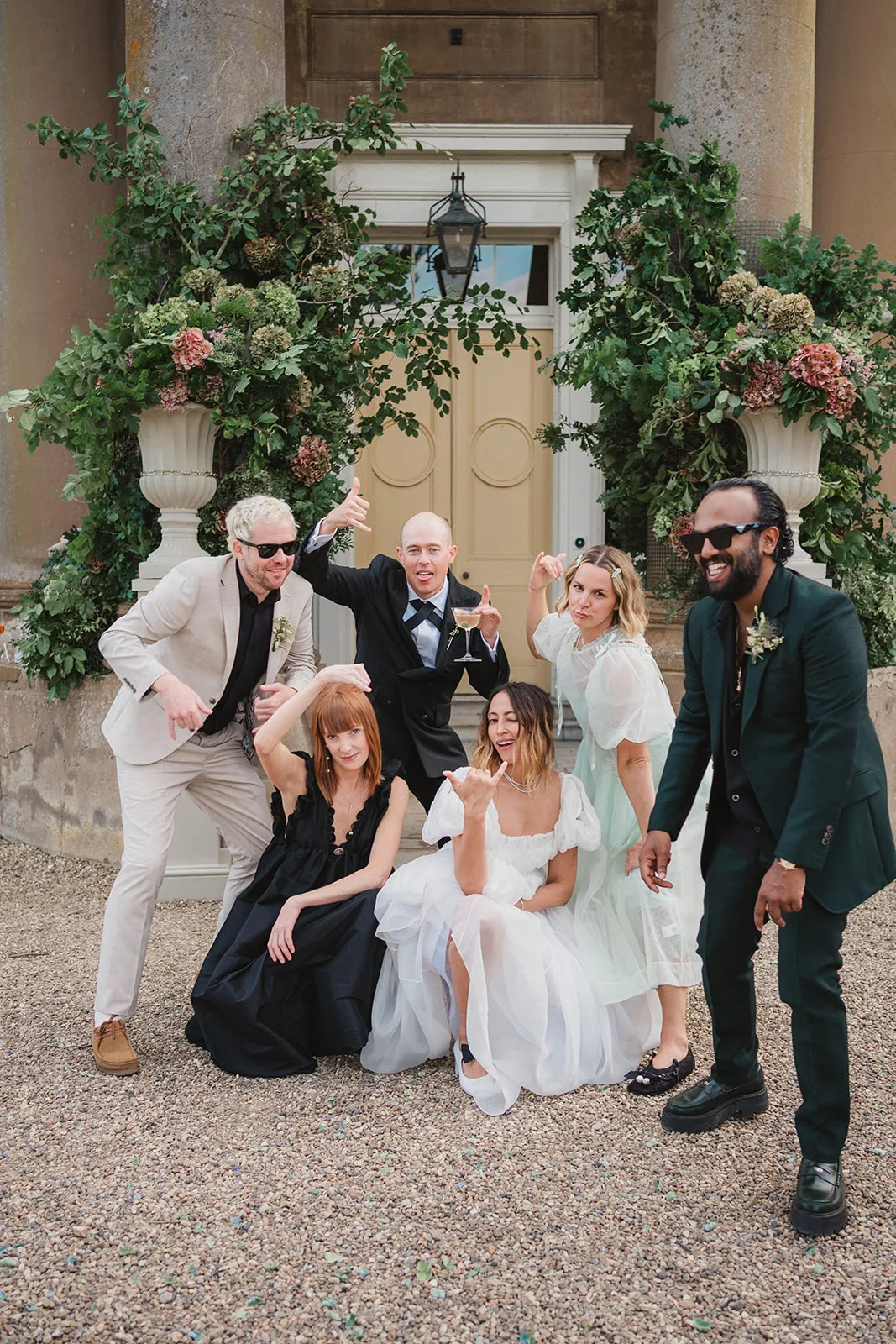
Photographers have noted that they are often tasked with creating scenes of "enormous joy" through direction, such as asking guests to cheer repeatedly for a specific shot. While the resulting content may look spectacular on Instagram, the behind-the-scenes reality is often one of frustration and boredom for the participants. This raises questions about the long-term value of these images. If a photo represents a performance rather than a memory, its ability to evoke genuine emotion in the years to come may be diminished.
Industry Response and the Rise of "Documentary-Style" Photography
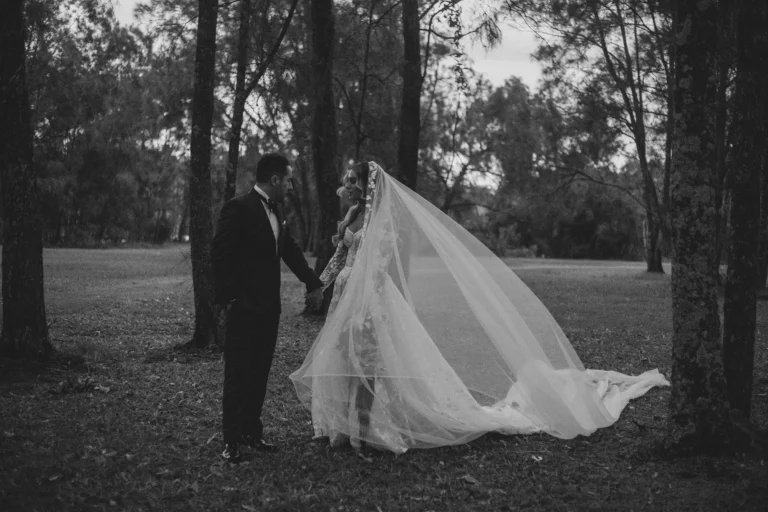
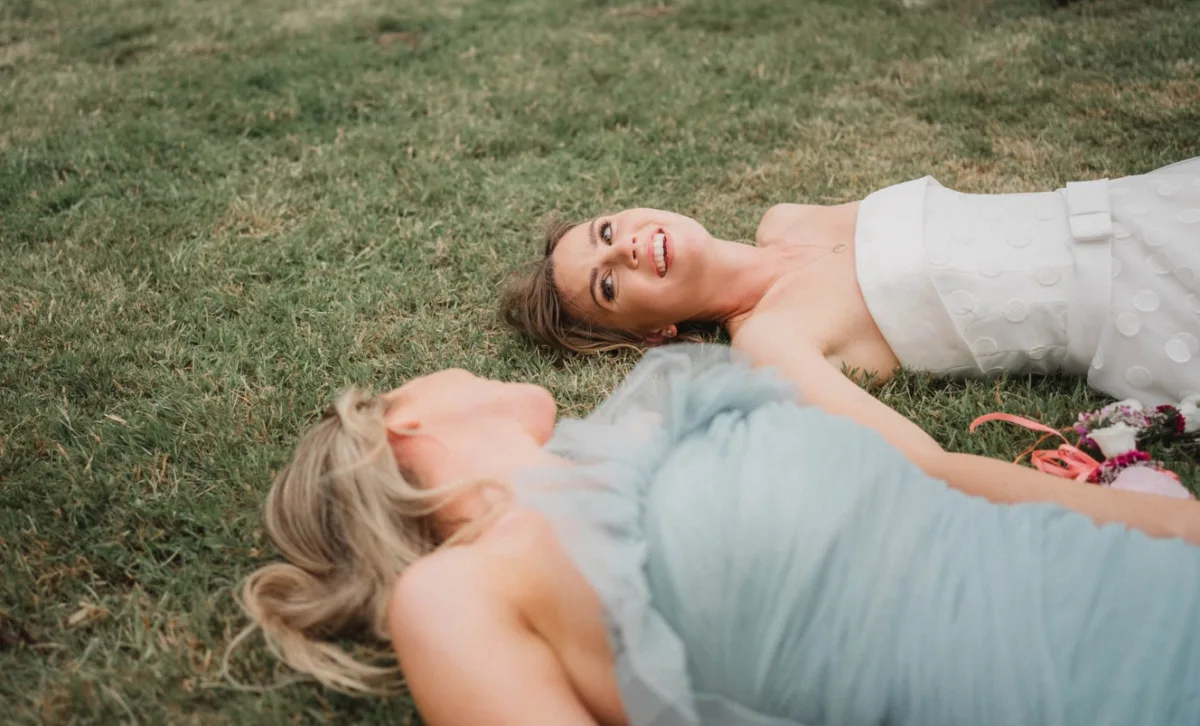
In response to the "content-first" trend, a counter-movement is gaining traction within the industry. Many couples and photographers are advocating for a return to "documentary-style" or "reportage" photography. This approach prioritizes the natural flow of the day, with the photographer acting as a fly-on-the-wall rather than a director.
Official responses from professional photography associations suggest a growing emphasis on "intentionality." The goal is to provide couples with high-quality images without removing them from the experience of their wedding. This involves:
- Setting Boundaries: Encouraging couples to limit the number of staged shots.
- Unplugged Ceremonies: Asking guests to put away phones to ensure they are mentally present and not obstructing the professional photographer.
- Prioritizing the "Cocktail Hour": Designing schedules that allow the couple to spend at least 75% of the drinks reception with their guests.
Broader Impact and Implications for the Future
The debate over wedding content is a microcosm of a larger societal struggle with digital presence. As weddings are one of the most significant financial and emotional investments a person will make, the way they are documented reflects broader cultural values. The current trend suggests a tension between the desire for private, authentic experience and the drive for public, digital validation.
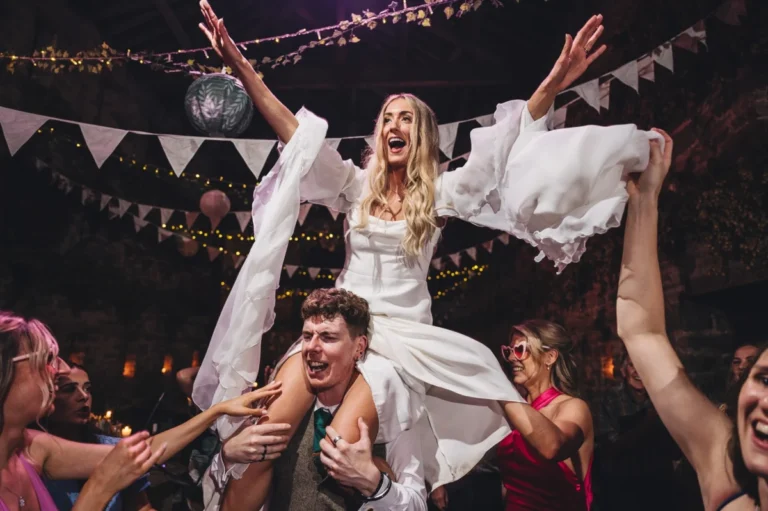
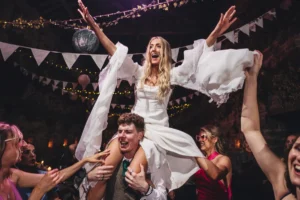
Years in the future, when couples look back at their wedding albums, the images that resonate most are rarely the ones meticulously recreated from a Pinterest board. Instead, they are the images that capture the "feeling" of the day—the spontaneous laughter during a speech, the quiet conversation with a grandparent, or the genuine energy of a crowded dance floor. These moments are the true "story" of a wedding, representing the love and community that the event was intended to celebrate.
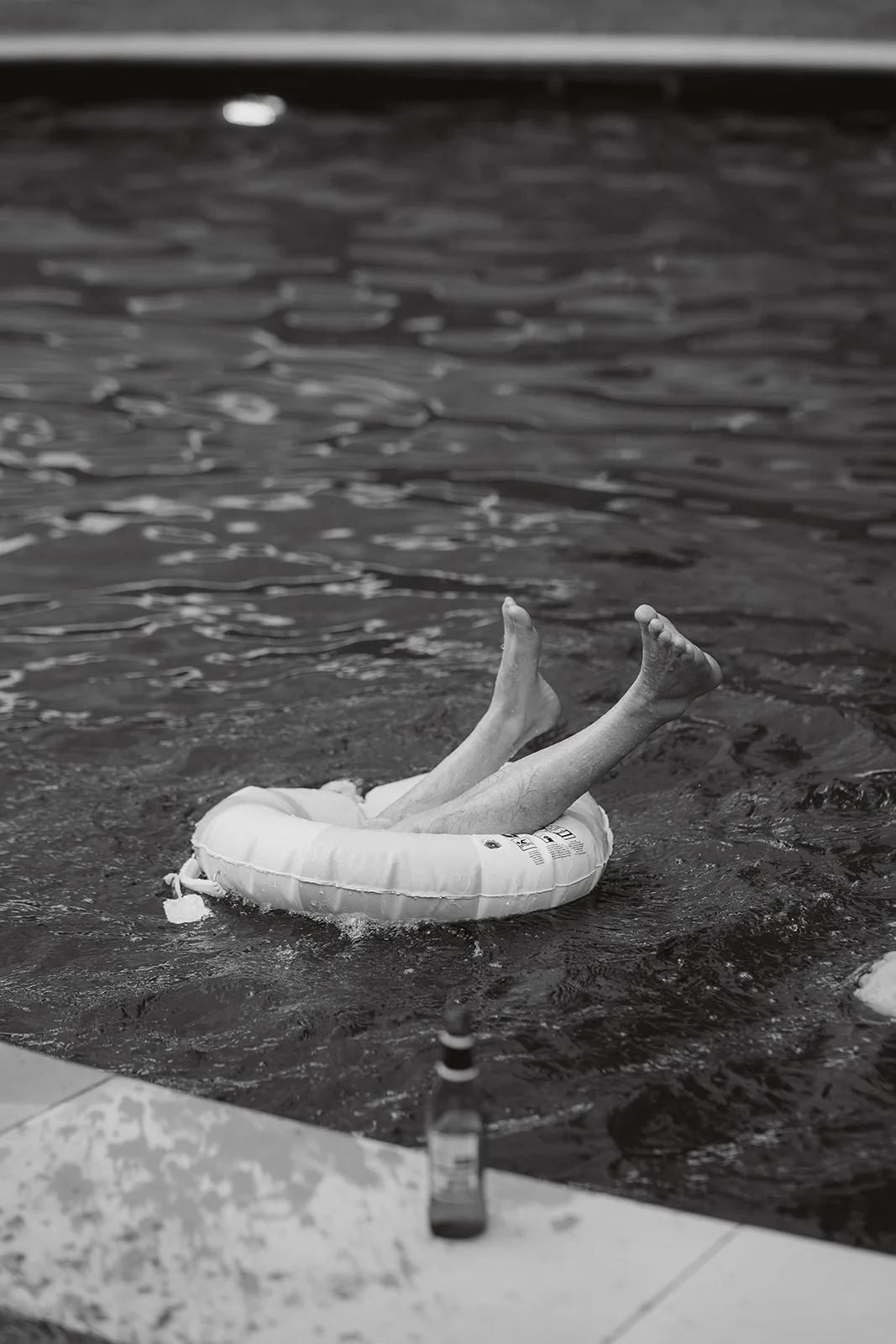
The wedding industry stands at a crossroads. While the technology and platforms for sharing content will continue to evolve, the fundamental purpose of a wedding remains a gathering of people. Professionals in the field are increasingly emphasizing that photography should happen "within" the celebration, not "instead" of it. By preserving space for the unexpected and the organic, the industry can ensure that weddings remain a living experience rather than a performed one. The ultimate goal of wedding photography, as noted by long-term practitioners, is to preserve the threads of a couple’s life tapestry without ever pulling them away from the loom.