


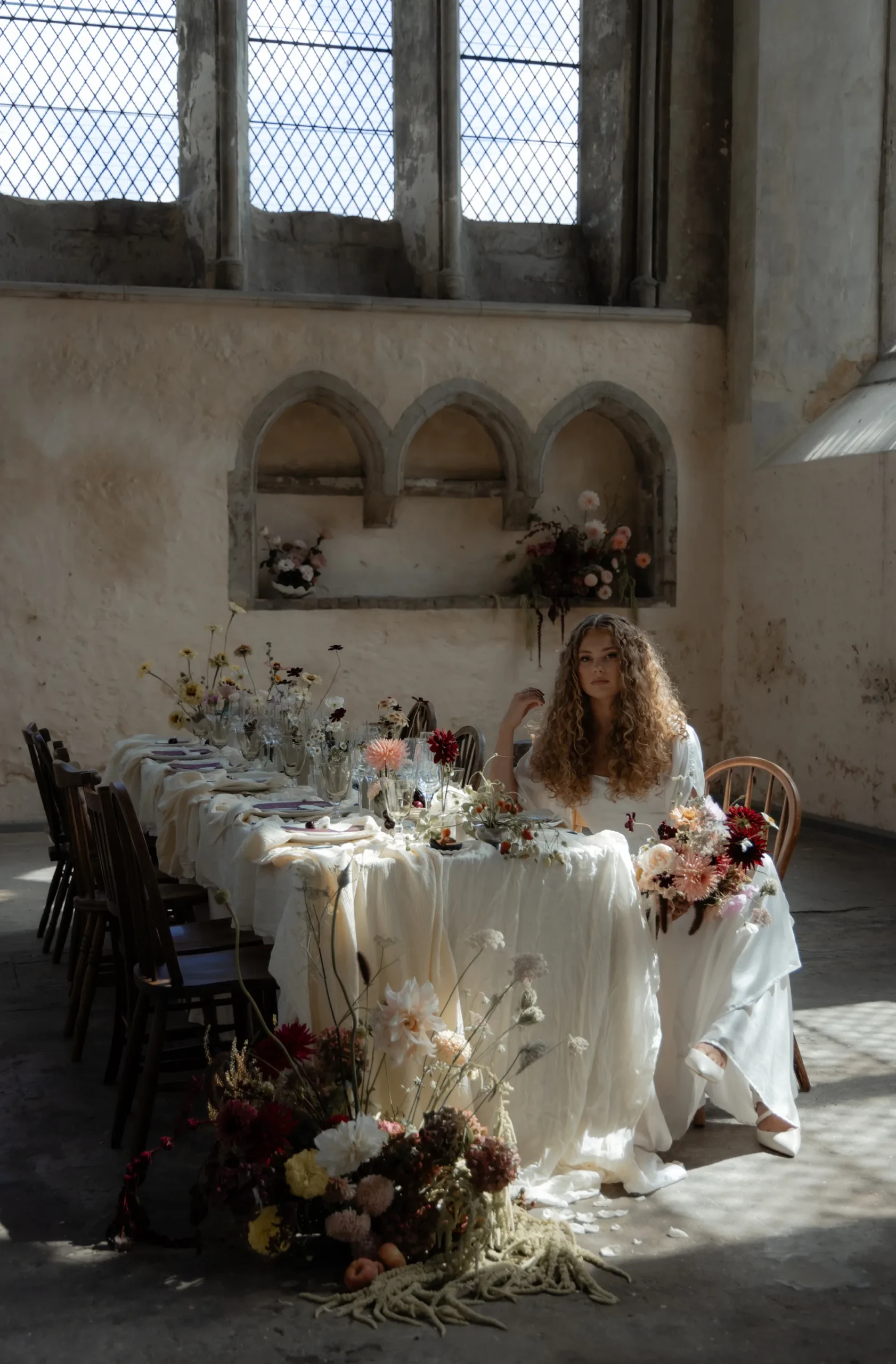
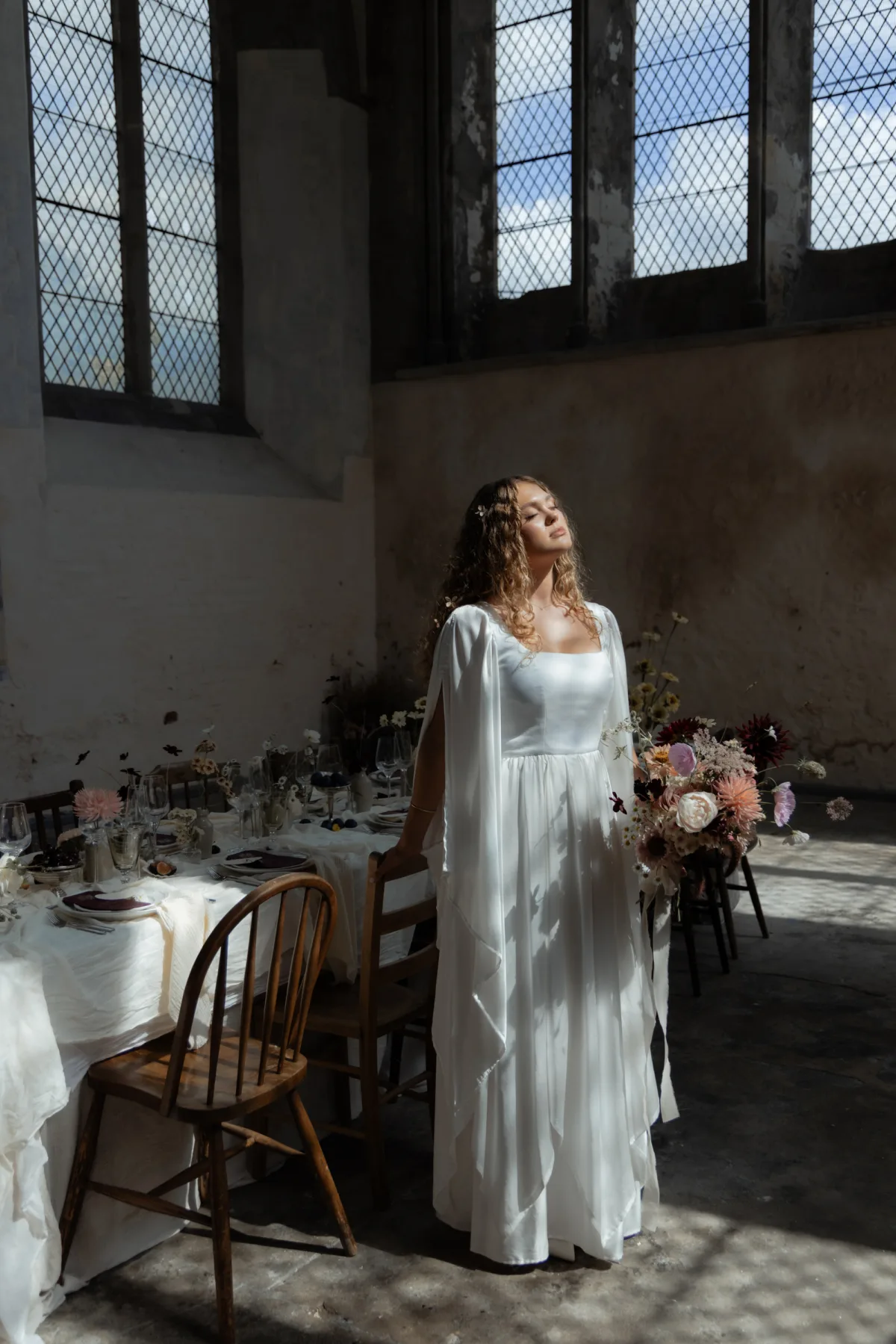
The convergence of historical architecture and contemporary wedding artistry has reached a new benchmark with the release of a high-concept bridal editorial captured at The Guildhall in Chichester. This collaborative project, led by West Sussex-based Lucy Fergusson Photography, serves as a technical and aesthetic exploration of the Pre-Raphaelite movement adapted for the modern bridal market. By utilizing the Grade I listed venue’s atmospheric stone interiors and soaring proportions, the creative team has produced a body of work that emphasizes texture, light, and "storytelling" over traditional, highly curated wedding tropes. The editorial highlights a growing trend within the UK wedding industry toward "mood-based" styling, where the atmosphere of the venue dictates the floral and fashion choices, rather than adhering to a rigid color palette or commercial theme.
Architectural Significance and Venue Context
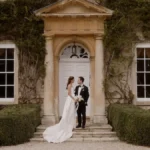
The Guildhall, situated in the heart of Priory Park, Chichester, provides more than just a backdrop for this editorial; it acts as a primary character in the visual narrative. Managed by The Novium Museum, the building dates back to the late 13th century, originally serving as the chancel of a Franciscan Friary church. Its architectural pedigree includes high-reaching ceilings and expansive lancet windows that allow for dramatic natural light—a critical element for the editorial’s painterly aesthetic.
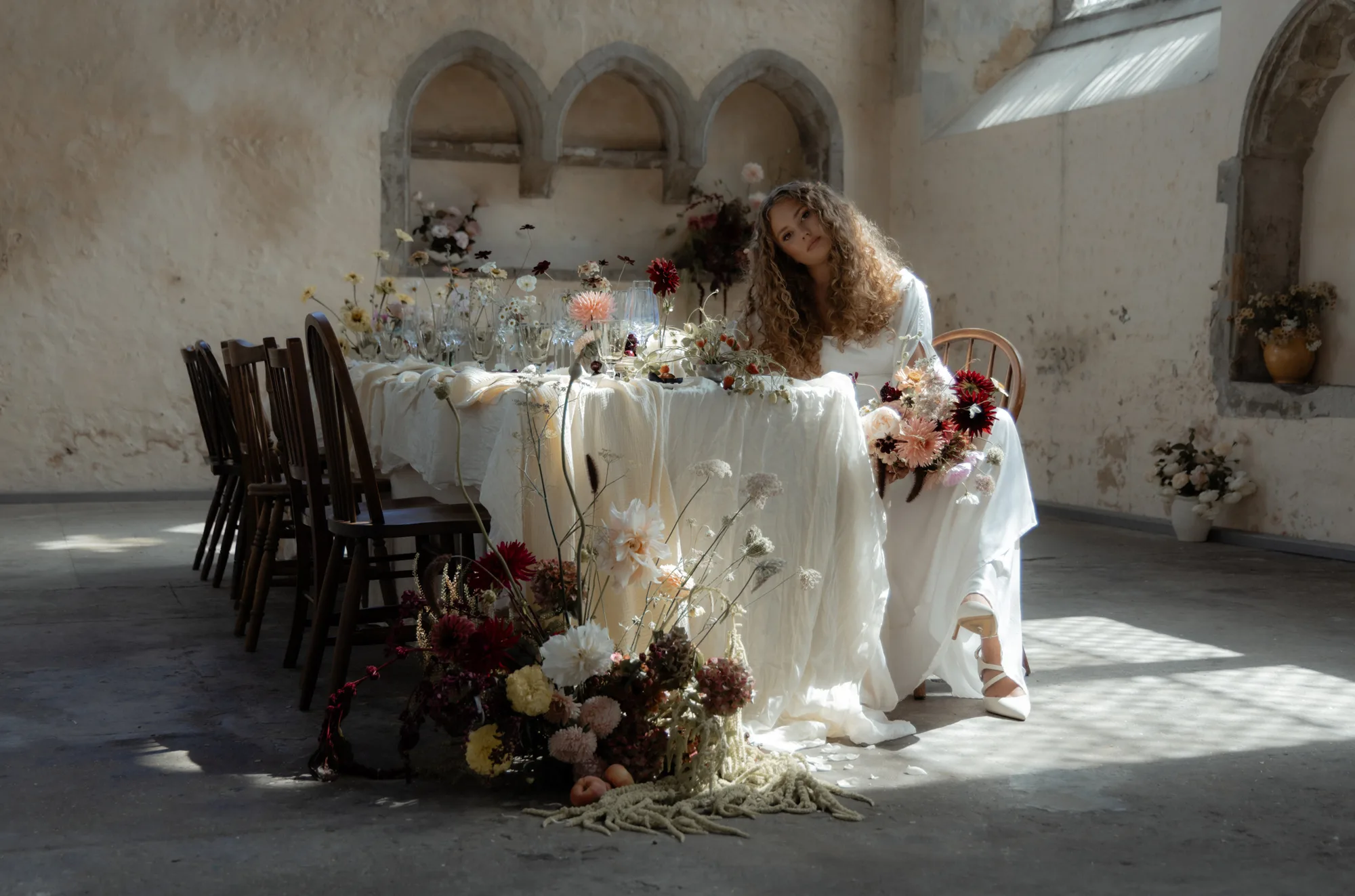
The choice of The Guildhall reflects a broader shift in the South East wedding market toward heritage sites that offer "raw" or "unpolished" historic character. According to industry data, there has been a 15% increase in inquiries for non-traditional historic venues that allow for bespoke styling. The Guildhall’s worn stone walls and lack of modern ornamentation provided the "blank canvas" necessary for Whimsy’s Floral Design and stylist Sally of Luna And The Lane to implement a layered, antique-inspired design.
The Pre-Raphaelite Aesthetic: Artistic and Stylistic Foundations
The central vision for the shoot was a deliberate homage to the Pre-Raphaelite Brotherhood, a group of 19th-century English painters who rejected the mechanistic approach of Mannerist artists in favor of abundant detail, intense colors, and complex compositions. In a bridal context, this translates to an emphasis on "truth to nature."
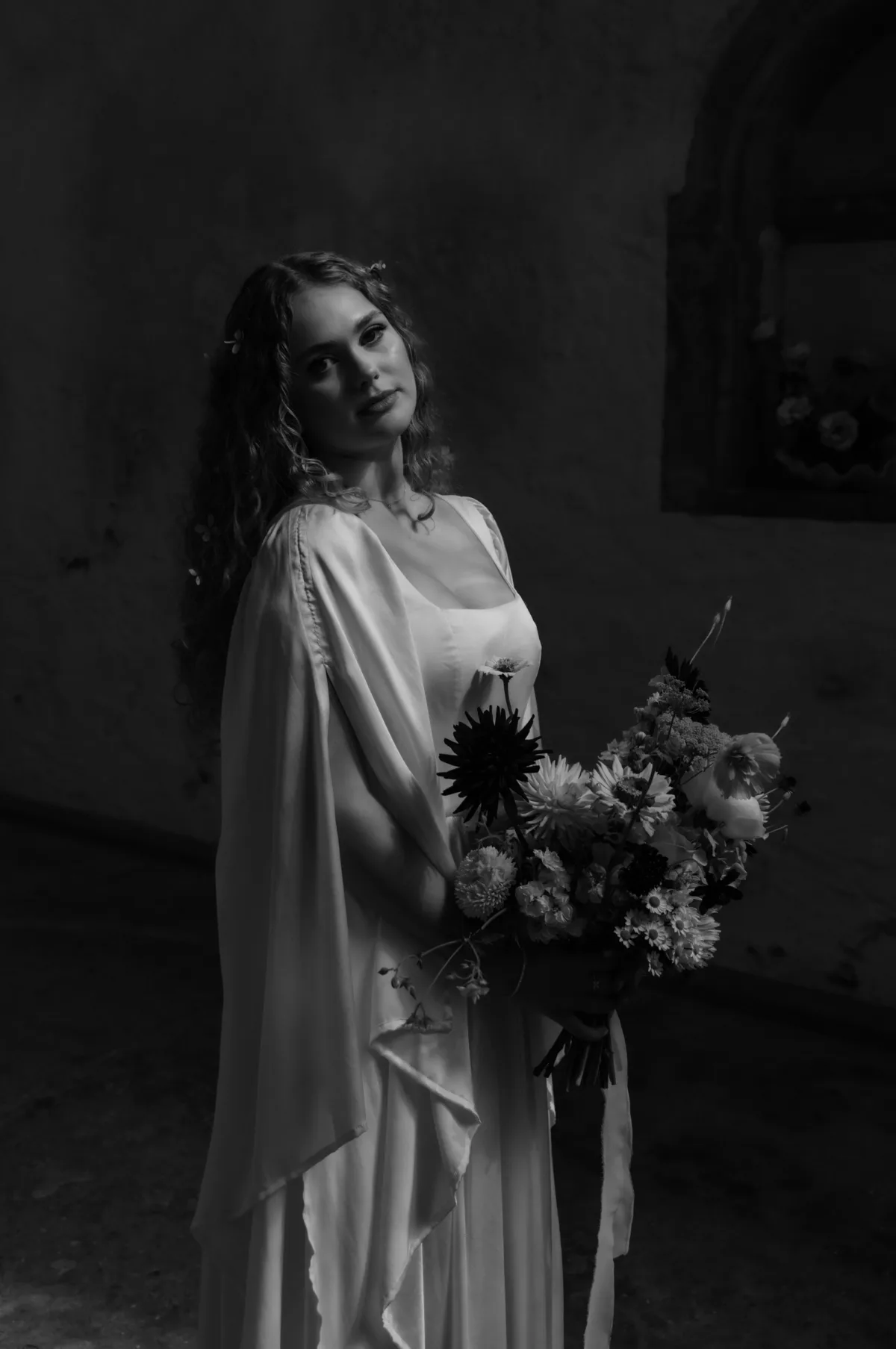
To achieve this, the styling team focused on fluid movement and organic textures. The bridal gowns selected for the editorial featured multiple layers of lightweight fabric designed to catch the air and light, mimicking the ethereal quality found in the works of Dante Gabriel Rossetti and John Everett Millais. This was complemented by hair styling characterized by "big, wild curls," a departure from the sleek, structured updos that have dominated the bridal industry for the past decade. The intent was to create a sense of natural drama that felt both grounded in history and relevant to the contemporary "bohemian-luxe" market.
Technical Execution: The Integration of 35mm Film
A significant technical aspect of this editorial was the decision by Lucy Fergusson to utilize a hybrid photography approach, weaving 35mm film photography into the digital collection. While digital photography offers precision and high-speed workflow, the resurgence of analog film in the wedding industry is driven by a desire for "authenticity" and a specific aesthetic quality that digital sensors often struggle to replicate.
The use of 35mm film introduces a natural grain and a softer color roll-off, which Fergusson noted was essential for capturing the movement of the gowns and the delicate textures of the floral arrangements. This "painterly" quality aligns with the Pre-Raphaelite theme, providing a sense of nostalgia and timelessness. Market analysis suggests that "hybrid" photography packages—those offering both digital and film—are increasingly sought after by couples in the luxury sector who prioritize artistic expression over volume.
Floral Design and Color Theory
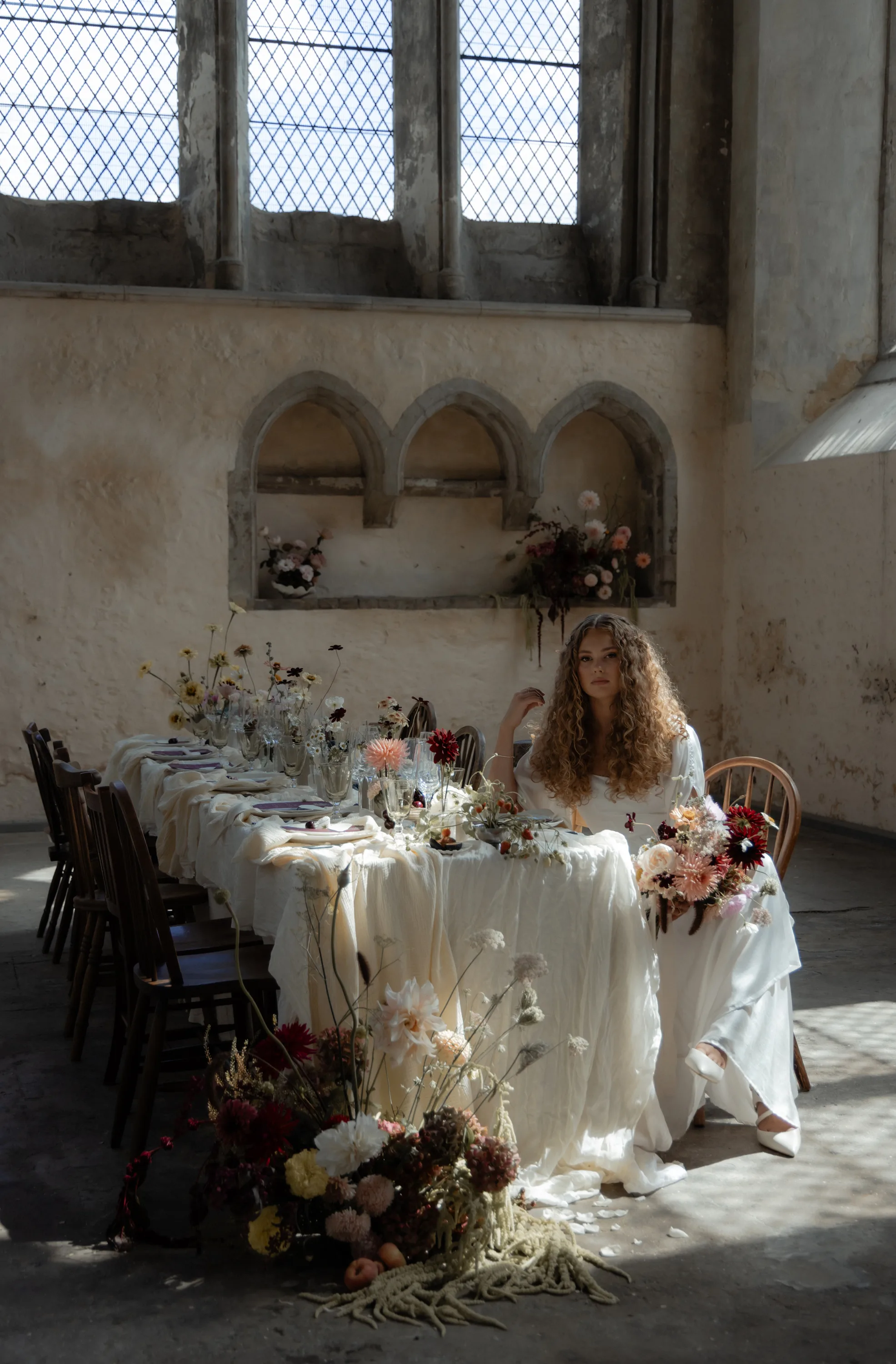
Whimsy’s Floral Design provided the botanical elements for the shoot, which were instrumental in bridging the gap between the cold stone of the venue and the warmth of the bridal styling. The floral arrangements utilized a "naturalistic" philosophy, avoiding tight, symmetrical bundles in favor of overflowing, asymmetrical installations that appeared to "grow" from the ceremony plinths and dining tables.
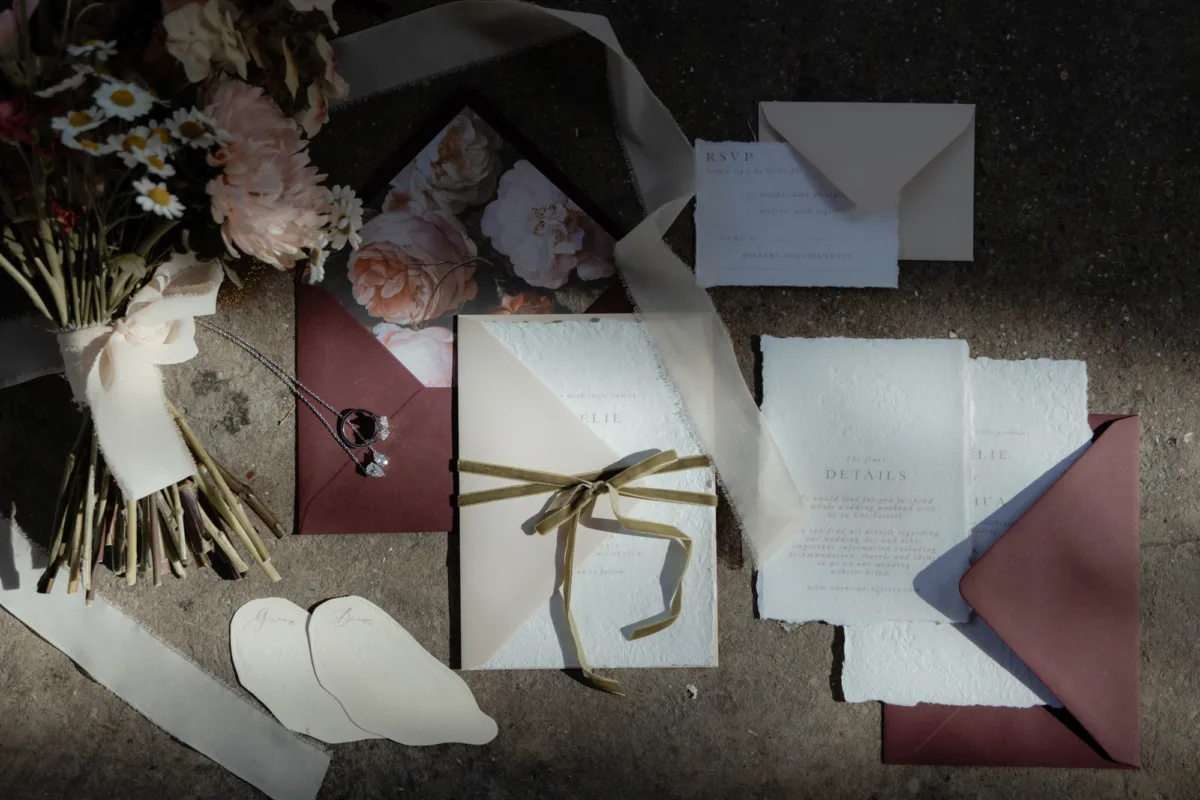
The color palette was a sophisticated exercise in contrast. The base of the design relied on cream and butter yellow tones to maintain an airy, light-filled environment within the cavernous hall. However, the introduction of deep plum accents provided the "dramatic statement" necessary to ground the visuals. This use of dark, moody tones against a pale background is a hallmark of the Pre-Raphaelite style, intended to evoke a sense of soulful depth. The inclusion of seasonal blooms and foraged-style greenery further emphasized the "truth to nature" directive of the project.
Table Styling and Materiality
Sally of Luna And The Lane oversaw the tablescape design, which sought to balance whimsicality with earthy textures. The editorial moved away from the "glamour" of polished metals and sequins, opting instead for a tactile mix of materials:
- Textiles: Draped, flowing fabrics were used as runners to soften the lines of the vintage wooden chairs.
- Ceramics and Glass: Tableware consisted of clay vases and porcelain plates, paired with delicate glass vessels. This juxtaposition of "raw" clay and "refined" porcelain mirrored the contrast between the venue’s stone walls and the delicate bridal gowns.
- Lighting: Candlelight was used extensively to create pockets of warmth and shadow, enhancing the "quiet storytelling" atmosphere mentioned by the creative team.
The objective was to create a scene that felt like a "celebration unfolding like a love story," focusing on the sensory experience of the guests rather than just the visual appeal for the camera.
Chronology of the Editorial Production
The production of the editorial followed a rigorous timeline to maximize the natural light conditions at The Guildhall:
- Conceptualization (Month 1-2): Development of the mood board by Lucy Fergusson and Luna And The Lane, focusing on the intersection of 19th-century art and modern bridal fashion.
- Supplier Sourcing (Month 3): Selection of regional artisans, including Whimsy’s Floral Design, who could execute the specific "untamed" botanical look required.
- On-Site Execution (Shoot Day): The day began with the installation of large-scale floral plinths at the ceremony site, followed by the styling of the tablescape. Photography commenced during the "golden hour" to utilize the low-angled light entering through The Guildhall’s lancet windows.
- Post-Production (Weeks 4-6): The processing of 35mm film and the careful color-matching of digital images to ensure a cohesive visual narrative across both mediums.
Official Responses and Creative Statements
The creative team expressed a unified goal of prioritizing "feeling" over "perfection." Sally of Luna And The Lane stated that the aim was to keep the settings "light and airy," using vintage wooden chairs to maintain a sense of the "natural and earthy." She emphasized that the dark plum accents were a deliberate choice to "cut through" the softness and provide a modern edge.
Lucy Fergusson highlighted the importance of the venue in the creative process, noting that The Guildhall "already holds a story within its walls." Her approach was to build upon that existing atmosphere rather than imposing a foreign aesthetic onto the space. This philosophy of "listening to the venue" is becoming a cornerstone of high-end editorial work in the UK.
Broader Impact and Industry Implications
This editorial at The Guildhall represents more than just a collection of bridal images; it is a case study in the power of regional collaboration. By bringing together West Sussex suppliers, the project showcases the high level of creative talent available outside of London’s metropolitan hub.
Furthermore, the project taps into several key trends identified in recent wedding industry reports:
- The "Slow Wedding" Movement: A focus on intentionality, heritage, and timelessness rather than fast-moving trends.
- Analog Resurgence: The continued growth of film photography as a premium service.
- Heritage Tourism: The use of historic sites like The Guildhall for private events provides essential revenue for the maintenance of UK heritage assets.
As the wedding industry continues to evolve in the post-pandemic era, editorials like this provide a blueprint for how couples can create deeply personal, atmospheric celebrations that honor both the history of their chosen venue and their own unique aesthetic preferences. The Pre-Raphaelite influence, with its focus on soulfulness and nature, offers a compelling alternative to the "white-box" wedding, suggesting that the future of the industry may lie in a return to the romanticism of the past.