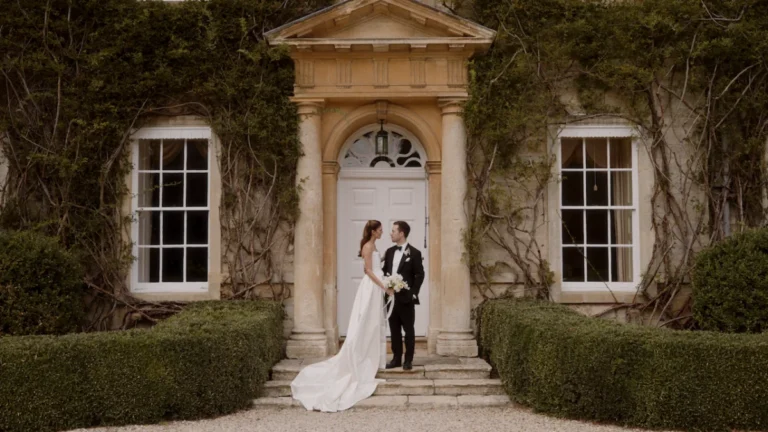











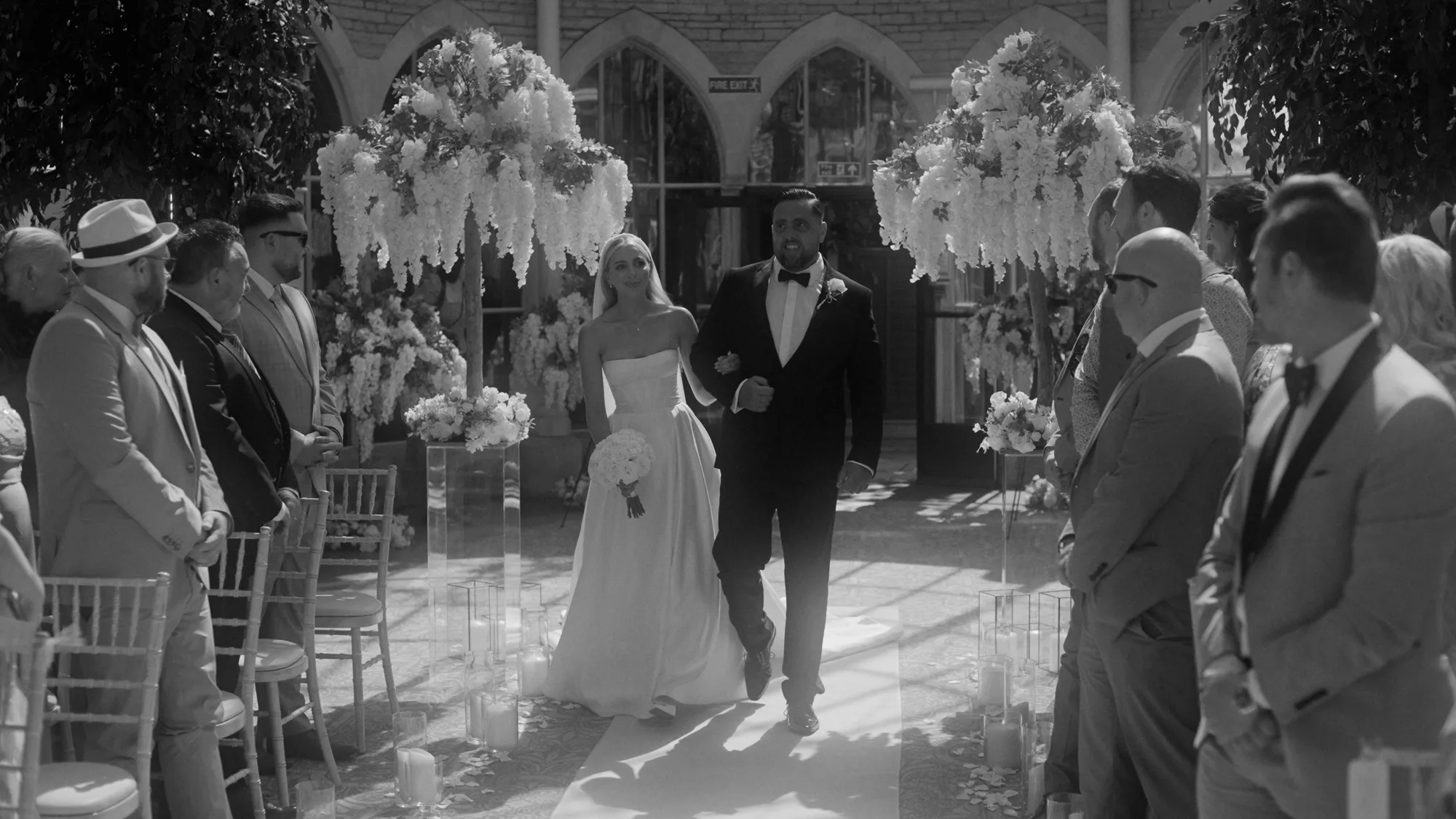
The landscape of the United Kingdom’s wedding industry, currently valued at several billion pounds annually, has seen a significant shift in consumer priorities over the last decade, with a marked increase in the demand for documentary-style cinematography over traditional videography. Central to this movement is Karl Mitchell, the founder of Cheshire-based Mitchell Films, whose approach to wedding filmmaking emphasizes emotional honesty, candid observation, and a technical methodology that prioritizes the experience of the couple over the production itself. As the wedding sector continues to adapt to post-pandemic social dynamics, Mitchell’s work offers a case study in how professional filmmakers are balancing the high-stakes environment of live event recording with the artistic nuances of cinematic storytelling.
The Professional Trajectory of Karl Mitchell
The emergence of Mitchell Films was not the result of a deliberate entry into the bridal market but rather a serendipitous transition from the broadcast television sector. Having completed a degree in filmmaking, Karl Mitchell was established as a freelancer in the television industry when he was commissioned to document a family member’s wedding. Despite having never attended a wedding in a professional or personal capacity prior to that event, Mitchell identified a natural aptitude for the observational nature of the work.
The initial project served as a catalyst for a career pivot. While the technical execution of his early work differed significantly from the polished, atmospheric films he produces today, the emotional reception from the clients highlighted a specific market gap: the need for films that move beyond a chronological recording of events to capture the psychological and emotional "flow" of the day. This realization led to the formal establishment of Mitchell Films, which now serves a diverse clientele across the United Kingdom and internationally.
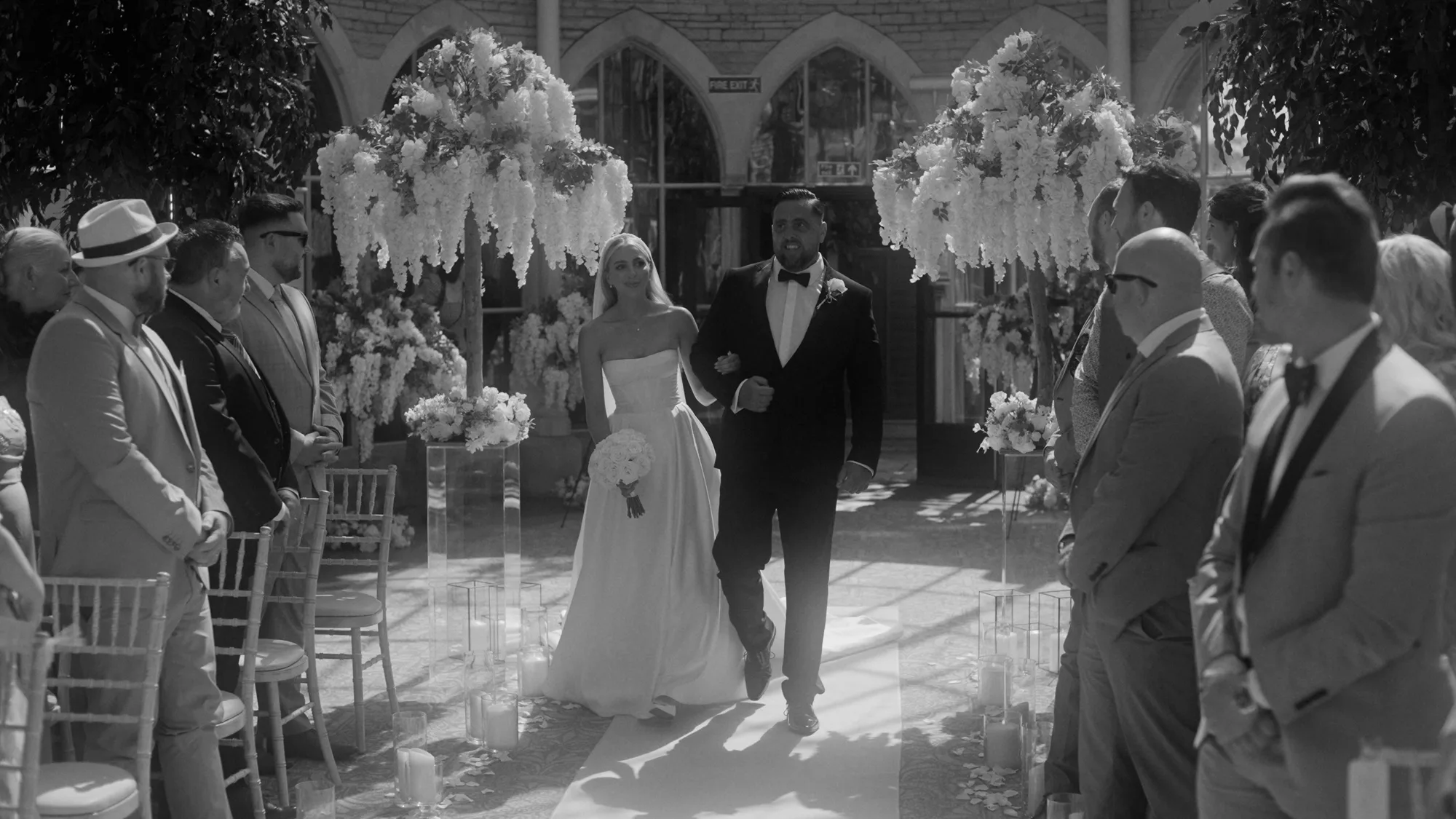
Parallel to his commercial practice, Mitchell serves as a Media Production educator. This dual role provides a unique feedback loop between contemporary academic theory and practical application. By engaging with student filmmakers who are often unencumbered by industry tropes, Mitchell maintains a creative agility that prevents his work from becoming formulaic. He notes that the "rule-breaking" tendencies of younger creators often prompt a re-evaluation of his own compositional choices and narrative structures, ensuring that Mitchell Films remains at the forefront of stylistic innovation.
The Methodology of Unobtrusive Documentation
One of the primary challenges in wedding cinematography is the "observer effect," a phenomenon where the presence of a camera alters the behavior of the subjects. To mitigate this, Mitchell has developed a methodology defined by a "light kit" approach. Unlike traditional production crews that may utilize heavy stabilizers, extensive lighting rigs, and multiple personnel—all of which can create a distracting environment—Mitchell operates with a streamlined set of equipment.
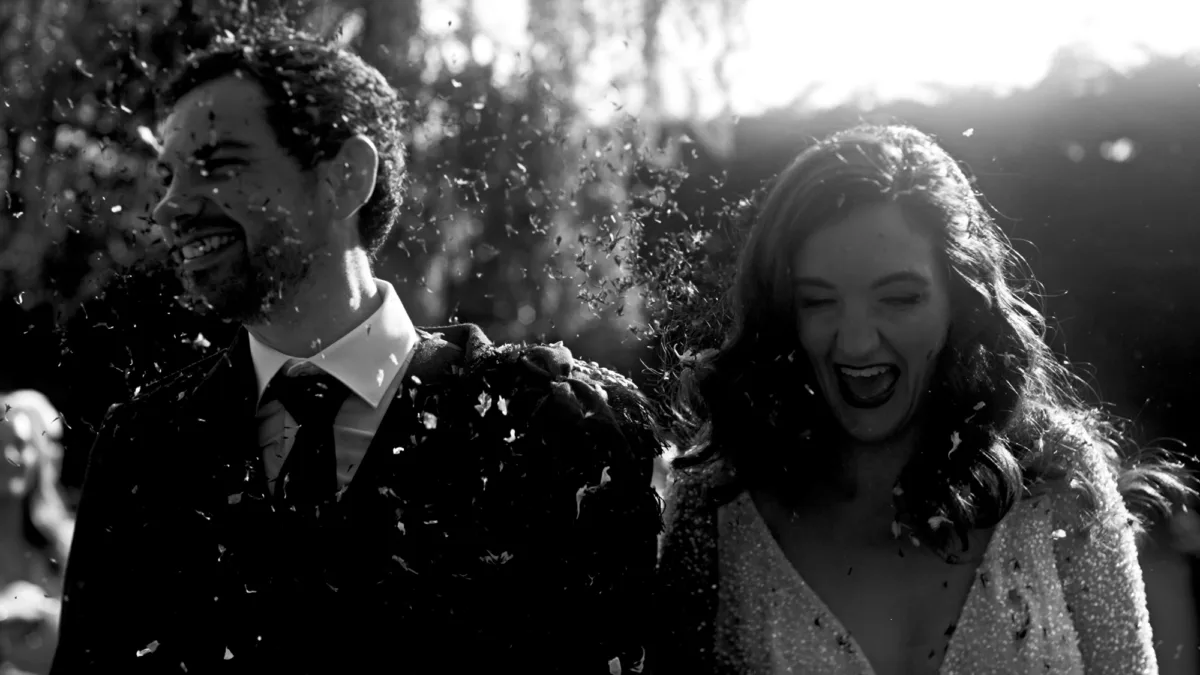
This technical minimalism is a deliberate strategic choice. By reducing the physical footprint of the filmmaker, Mitchell is able to blend into the background of the event, allowing guests and the couple to remain fully immersed in the celebration. This "without fuss" philosophy is critical for capturing genuine reactions—the fleeting glances, the unscripted laughter, and the subtle emotional shifts that define the human experience of a wedding.
The process on the day of the event involves a high degree of situational awareness. Mitchell focuses on identifying the key figures in the couple’s lives early in the proceedings, establishing a rapport that fosters comfort. This allows him to anticipate moments before they occur, relying on instinct and composition rather than intrusive direction. The priority is to ensure that the subjects do not feel they are "performing" for the camera, thereby preserving the authenticity of the archive.
Industry Context and the Value of Wedding Cinematography
Data from long-term industry observers, including platforms such as Love My Dress, which has tracked wedding trends for over sixteen years, suggests a consistent pattern in post-event reflections. A recurring sentiment among couples is the high value placed on the wedding film, often cited as the most cherished investment or, conversely, the most significant omission for those who opted out.
While wedding budgets are subject to rigorous prioritization—with the average UK wedding cost often exceeding £20,000—the long-term value of cinematography is increasingly recognized as a "legacy" asset. Unlike other aspects of the wedding day that are ephemeral, such as catering or floral arrangements, a film serves as a permanent historical record. As time passes, the value of capturing the voices, movements, and personalities of loved ones increases, particularly as family dynamics evolve over decades.
The shift toward cinematic wedding films also reflects a broader cultural move toward "experience-based" consumption. Modern couples are less interested in staged, formal portraits and more invested in a narrative that captures the atmosphere and "feeling" of their specific union. This has led to the rise of filmmakers like Mitchell, who eschew "copy and paste" templates in favor of bespoke storytelling.
The Pre-Production and Editing Framework
The success of a Mitchell Films production is rooted in a structured pre-production phase. Every project begins with a consultation or meeting, moving away from a purely transactional relationship to one based on a mutual understanding of the couple’s history and priorities. This is supplemented by detailed questionnaires designed to extract the nuances of the couple’s story, which then informs the filming strategy.
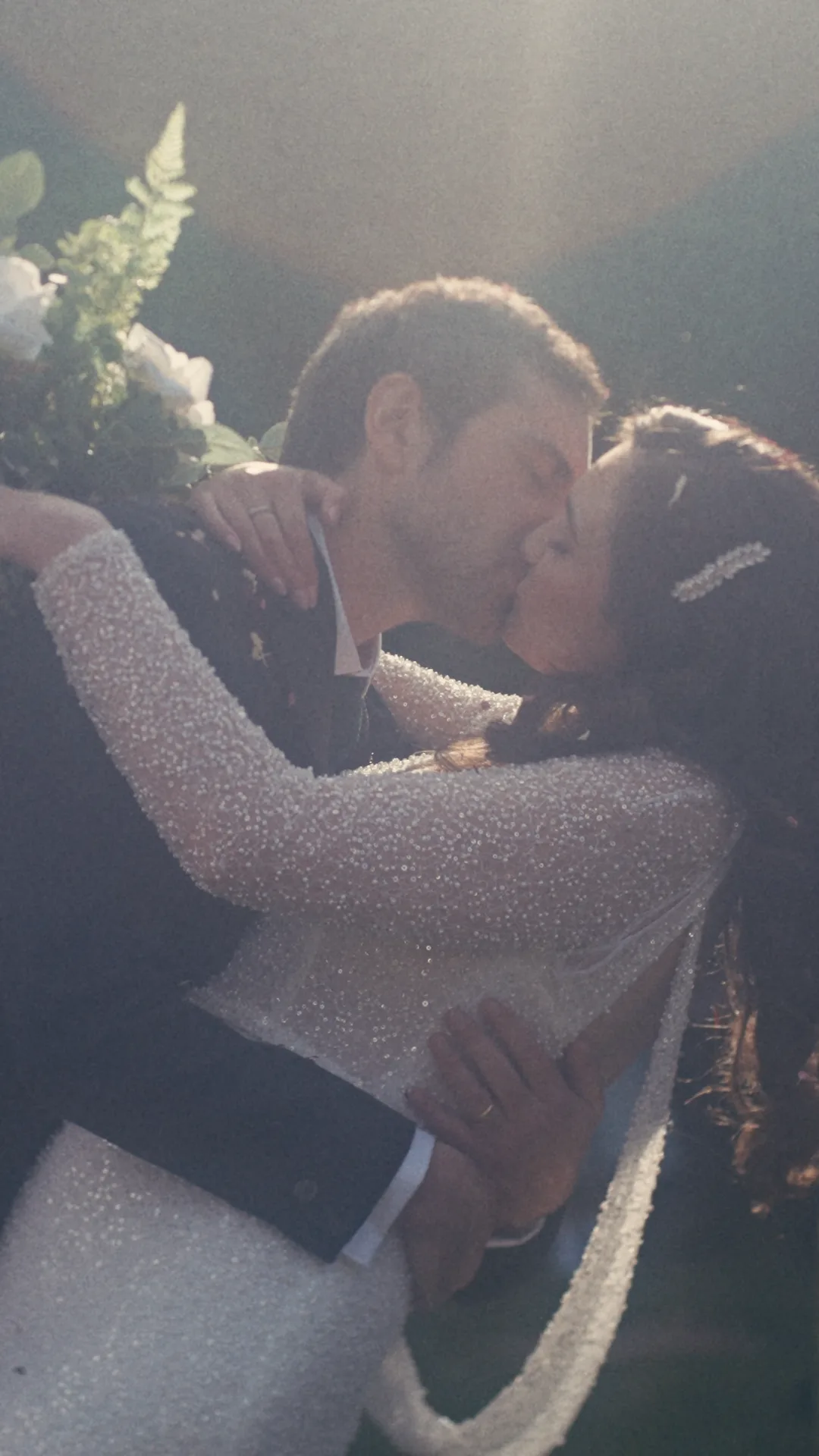
During the editing process, Mitchell rejects fixed structures. A common trope in the industry is to open every film with a wide-angle drone shot of the venue. Mitchell, however, looks for an "emotional anchor" unique to each wedding. This might be a poignant moment from the speeches, a quiet interaction during the reception, or the high energy of the evening celebrations. By building the film around the specific emotional arc of the day, the final product becomes a unique reflection of the clients’ personalities rather than a generic industry product.
The integration of sound is also a critical component of the Mitchell Films aesthetic. By capturing high-quality audio of vows, speeches, and ambient environmental sounds, the films provide a multi-sensory return to the event. This focus on "atmosphere" is what distinguishes cinematic films from traditional video recordings, creating a more immersive and evocative experience for the viewer.
Broader Implications for the Creative Economy
The work of Mitchell Films highlights several broader trends within the creative economy. First, it demonstrates the viability of specialized, high-end boutique services in an era of mass-market digital content. Second, it underscores the importance of the "human element" in a landscape increasingly influenced by automation and artificial intelligence. While AI can assist in basic video editing, it cannot replicate the emotional intelligence required to anticipate a mother’s reaction to a speech or the specific timing of a shared joke between friends.
Furthermore, Mitchell’s dual career as a teacher and a practitioner exemplifies the "pro-am" (professional-amateur) synergy that is currently driving innovation in media production. The exchange of ideas between the classroom and the field ensures that professional standards are informed by fresh perspectives, while students benefit from real-world insights into the pressures and requirements of a commercial film career.
Conclusion: The Future of the Wedding Archive
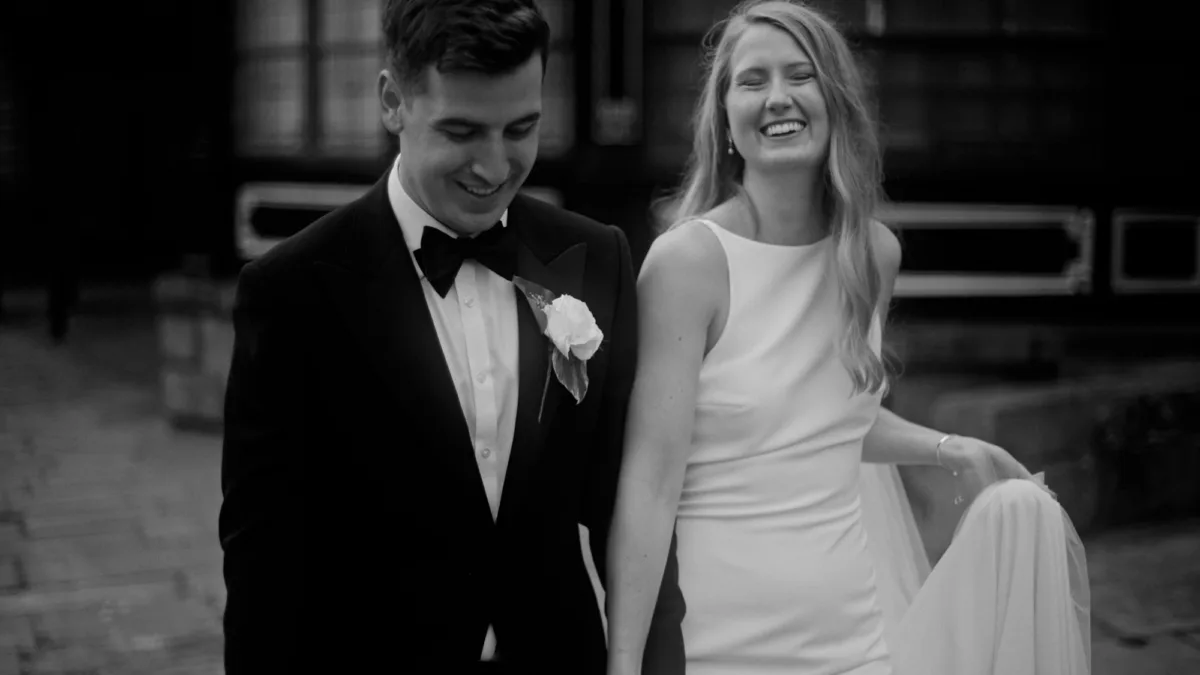
As the wedding industry continues to evolve, the role of the filmmaker is shifting from a mere documentarian to a curator of family legacy. Karl Mitchell’s approach at Mitchell Films represents a sophisticated intersection of technical skill, psychological insight, and artistic integrity. By prioritizing the natural flow of the event and the comfort of the participants, he produces work that transcends the immediate context of the wedding day to become a lasting piece of personal history.
For couples navigating the complexities of wedding planning, the evidence suggests that the decision to invest in professional cinematography is rarely regretted. As Mitchell himself notes, the ability to relive the voices, laughter, and atmosphere of a gathering of all one’s most important people is a unique affordance of the medium. In an increasingly digital and fast-paced world, the slow, deliberate, and authentic storytelling of Mitchell Films provides a vital connection to the moments that define a lifetime.
The ongoing success of Mitchell Films, based in Cheshire but operating on a global scale, serves as a testament to the enduring power of film to capture the "beautiful humanity" of the wedding day. As Karl Mitchell continues to refine his craft and inspire the next generation of filmmakers, his work remains a benchmark for excellence in the field of modern wedding cinematography.