









The global fashion and beauty industries are navigating a complex landscape marked by escalating geopolitical conflicts, persistent ethical challenges, and a renewed push for sustainability, as evidenced by a series of significant developments this month. From high-profile collaborations sparking industry debate to critical disruptions in global supply chains and groundbreaking steps in sustainable materials, stakeholders across the sector are confronting both urgent crises and opportunities for transformative change.
Geopolitical Unrest Threatens Global Supply Chains and Garment Workers
The ongoing conflict in the Middle East, particularly the US-Israel-Iran war, has sent ripples across global supply chains, raising significant alarms for the garment and textile industries. The Business and Human Rights Centre has been diligently tracking these impacts, highlighting that disruptions caused by the potential closure or severe restriction of the Strait of Hormuz are precipitating a crisis that could lead to widespread factory closures, unpaid wages, and the imposition of additional, often unbearable, costs on already vulnerable suppliers and workers.
The Strait of Hormuz, a narrow maritime chokepoint between the Persian Gulf and the Gulf of Oman, is one of the world’s most strategically important waterways. Approximately one-fifth of the world’s total petroleum consumption and a substantial volume of global cargo, including raw materials and finished goods for the fashion industry, pass through this strait daily. Its disruption, whether through direct military action, blockades, or increased insurance premiums and rerouting efforts, has immediate and profound consequences. Shipping companies are already grappling with increased transit times and costs due to diversions around the Cape of Good Hope, a response to similar threats in the Red Sea. These delays can add weeks to delivery schedules and escalate freight costs by 15-20% or more, figures that disproportionately burden manufacturers in developing nations who operate on thin margins.
For garment workers, predominantly in South and Southeast Asia, the implications are dire. Factories reliant on a continuous flow of materials and timely shipments face severe operational challenges. Delays mean stalled production, inability to meet deadlines, and ultimately, a reduction in orders or even cancellation. This directly translates into reduced working hours, temporary layoffs, or, in worst-case scenarios, permanent factory closures. The Business and Human Rights Centre’s analysis underscores that the "burden of the additional cost" is frequently pushed down the supply chain, forcing suppliers to absorb losses or pass them on to their employees through wage cuts or delayed payments. Industry estimates suggest that millions of workers could be affected, particularly in countries like Bangladesh, Vietnam, and Pakistan, which are heavily integrated into global apparel supply chains. This situation exacerbates pre-existing vulnerabilities within a workforce already susceptible to exploitation and precarious employment conditions, reminiscent of the widespread wage theft and factory closures seen during the initial phases of the COVID-19 pandemic.
Zara x John Galliano Collaboration Sparks Industry Debate
In a move that has ignited considerable controversy and discussion within the fashion world, fast fashion giant Zara announced a collaboration with renowned designer John Galliano. The partnership aims to "reinvent" Zara’s "archive," a concept that has itself become a point of contention. Anna Roos van Wijngaarden’s analysis for FashionUnited reveals a spectrum of industry reactions, ranging from outright skepticism regarding the existence of a true "archive" for a brand frequently accused of appropriating designs, to a more nuanced examination of the reputational impacts on both Galliano and Zara.
John Galliano’s career has been marked by both extraordinary creative brilliance and significant personal scandal, particularly his dismissal from Dior in 2011 following anti-Semitic remarks. His subsequent journey toward rehabilitation in the fashion industry, notably with Maison Margiela, has been a gradual process. This collaboration with Zara, a brand synonymous with rapid trend replication and mass-market accessibility, is seen by many as a complex strategic maneuver. Some industry observers interpret it as a "power move" from Inditex, Zara’s parent company. By aligning with a figure of Galliano’s stature, Zara could be seeking to elevate its brand image, injecting a dose of high-fashion credibility and perceived artistry into its fast-fashion model. Conversely, for Galliano, the collaboration offers an unparalleled platform for mass visibility and commercial reach, potentially accelerating his public rehabilitation and expanding his influence beyond the haute couture niche.
However, the collaboration also reopens debates about ethical accountability and the commercialization of artistic integrity. Critics question whether a brand built on speed and volume can authentically engage with the concept of an "archive," typically associated with heritage, original design, and slower fashion cycles. The notion of Galliano, a designer known for his elaborate, handcrafted couture, working within the parameters of fast fashion raises eyebrows about the potential dilution of his artistic vision and the underlying motivations. The industry is closely watching to see how this partnership will ultimately shape both Galliano’s legacy and Zara’s evolving brand narrative in an era increasingly scrutinizing fashion’s social and environmental footprint.
SHEIN’s Supply Chain: An Offer with Reputational Risk
The ultra-fast fashion behemoth SHEIN has made a significant strategic pivot, offering its highly efficient "on-demand" supply chain infrastructure to other brands for manufacturing. Shayeza Walid’s exclusive report in Business of Fashion delves into the implications of this unprecedented move, highlighting both the allure and the inherent risks for potential partners.
SHEIN’s meteoric rise has been largely attributed to its unparalleled supply chain agility, characterized by real-time data analysis, rapid prototyping, and production cycles that can turn trends into products in a matter of days. This proprietary system allows for minimal waste by producing small batches and scaling up only based on actual demand, a model that has disrupted traditional fashion manufacturing. For brands struggling with inventory management, long lead times, and the complexities of global sourcing, access to SHEIN’s infrastructure presents a compelling proposition for speed and cost efficiency.
However, Walid cautions that this offer comes with substantial "reputational risk." SHEIN has faced intense scrutiny and widespread criticism regarding its labor practices, environmental impact, and allegations of intellectual property theft. Numerous reports have detailed concerns about working conditions in its supplier factories, its massive contribution to textile waste, and its opaque supply chain. Partnering with SHEIN, even if only for its logistics and manufacturing capabilities, could therefore entangle other brands in these controversies, potentially alienating ethically conscious consumers and investors. The ethical dilemma is stark: leveraging SHEIN’s efficiency risks tacitly endorsing or contributing to the very ultra-fast fashion system that many in the industry are trying to reform or dismantle due to its unsustainable nature. The decision for any brand to integrate with SHEIN’s supply chain will require a careful balancing act between commercial opportunity and the imperative of maintaining brand integrity and ethical credibility.
Scrutiny on Natural Fibers: Do They Always Biodegrade?
A new report co-authored by Fashion Revolution co-founder Carry Somers has sparked an increasingly prevalent and critical question within the fashion industry: what if natural fibers don’t always biodegrade as readily as commonly assumed? Journalist Sophie Benson reports for Vogue Business on this evolving conversation, challenging a long-held assumption in sustainability narratives.
For years, natural fibers like cotton, linen, and wool have been championed as inherently sustainable alternatives to synthetics, largely due to their perceived biodegradability. The new report, however, prompts a deeper examination of what "biodegradation" truly entails. It highlights that the process is highly dependent on specific environmental conditions—such as the presence of certain microbes, adequate moisture, temperature, and oxygen—conditions often not met in typical landfill environments, which are anaerobic and designed to preserve waste rather than decompose it. Consequently, natural fibers can persist for decades or even centuries in landfills, contributing to the waste problem alongside their synthetic counterparts.
This emerging discourse necessitates a more nuanced understanding of textile waste and end-of-life solutions. It pushes the industry to move beyond simplistic distinctions between "natural" and "synthetic" and to focus instead on holistic circularity, including design for durability, repair, reuse, and effective composting infrastructure. The conversation also draws parallels with the ongoing debate around synthetic fabrics’ persistence in the environment, particularly concerning microplastic shedding. By questioning the universal biodegradability of natural fibers, the report encourages a more rigorous scientific approach to sustainability claims, challenging potential "greenwashing" and advocating for greater transparency and accountability from brands regarding the entire lifecycle of their products.
Marks & Spencer Embraces Faster Fashion with Monthly Capsules
In a strategic move to invigorate its fashion offering and compete more effectively in a rapidly evolving retail landscape, Marks & Spencer has launched a monthly product capsule programme. This initiative, reported by FashionUnited, significantly reduces the time it takes to design and deliver clothing to the shop floor, bringing the turnaround to just two weeks. The retailer states that this shift aims to offer "more frequent newness and greater trend credibility," aligning M&S closer with the ultra-fast fashion business model pioneered by brands like Zara and SHEIN.
Historically, M&S operated on a more traditional seasonal buying cycle, often struggling to react quickly to emerging trends. The new monthly drop model represents a dramatic acceleration, designed to capture consumer interest with a constant influx of fresh styles. While this could potentially boost sales and market share by making M&S more responsive and fashion-forward, it also raises questions about the brand’s long-term sustainability commitments. Increased production frequency typically implies a higher volume of garments, potentially leading to more waste if not managed carefully. The challenge for M&S will be to reconcile this accelerated business model with its stated environmental and ethical goals, ensuring that speed does not come at the expense of quality, responsible sourcing, or worker welfare. This move reflects a broader industry trend where even established retailers are feeling pressure to adapt to the speed and responsiveness demanded by modern consumers, often blurring the lines between traditional retail and fast fashion.
Innovations and Positive Strides in Sustainable Fashion
Despite the challenges, the industry continues to see significant investment and innovation in sustainable practices and materials.
Seaweed Dye Start-up Raises £200,000: Scottish dye company SeaDyes has successfully raised £200,000 to scale its pioneering work in creating seaweed-based dyes. This development, reported by EcoTextile News, represents a promising step towards reducing the environmental footprint of textile dyeing. Traditional synthetic dyes are often petroleum-derived and contribute significantly to water pollution and chemical waste. Seaweed dyes offer a natural, renewable, and potentially non-toxic alternative, aligning with the growing demand for eco-friendly manufacturing processes. The investment will enable SeaDyes to expand its research and development, optimize production, and ultimately bring these innovative dyes to a wider commercial market, offering brands a viable path to more sustainable coloration.
H&M and EY Advocate for CFO-Led Decarbonisation: H&M, in collaboration with EY, has released a new industry whitepaper urging Chief Financial Officers (CFOs) to prioritize and finance the decarbonization of fashion supply chains. Published by ESG News, the paper emphasizes that decarbonization should be viewed not merely as a "nice to have" feature of a sustainability strategy, but as a crucial financial strategy that mitigates climate-related business risks and aligns companies with global climate targets. The initiative calls for increased industry collaboration and robust funding mechanisms to achieve meaningful reductions in the fashion sector’s substantial carbon footprint, particularly within its complex global supply chains. By reframing climate action as a core financial imperative, H&M and EY aim to unlock necessary investment and accelerate the transition towards a lower-carbon industry.
Youth Drive Growth in UK Charity Shops: The Guardian reports a positive trend for UK charity shops, noting increased profits last year driven by a surge in interest from young fashion enthusiasts. This growing engagement with online secondhand resale platforms is having a beneficial ripple effect on brick-and-mortar charity stores. After years of struggling against digital competitors and being overwhelmed by an influx of low-value, ultra-fast fashion garments, the sector is experiencing a revitalization. Experts suggest that while challenges remain, such as managing inventory and logistics, this renewed interest from younger, sustainability-conscious consumers presents a significant opportunity for charity shops to reshape their operations, promote circular consumption, and further support their charitable causes. This indicates a broader cultural shift towards valuing pre-owned items and embracing more sustainable shopping habits.
Accountability and Consumer Protection in Beauty
The beauty industry is also facing increased scrutiny regarding corporate accountability and ethical marketing practices, particularly concerning younger consumers.
Yves Rocher Held Accountable for Workers’ Rights Violations: Industriall Union reports a landmark ruling in France where cosmetics company Yves Rocher was found to have failed in its duty of vigilance. The French court determined that the company did not adequately identify and prevent human rights violations within its global operations, specifically concerning labor abuses in its Turkish subsidiary. France’s 2017 "duty of vigilance" law obliges large French companies to establish and implement vigilance plans to prevent severe human rights and environmental harms throughout their supply chains. This ruling sets a significant precedent, underscoring the legal and ethical responsibilities of multinational corporations to ensure fair labor practices and human rights protections extend across their entire value chain, irrespective of geographic location. It signals a growing trend of holding companies legally accountable for abuses occurring far down their supply lines.
Italy Investigates Sephora Over Marketing to Children: Reuters reports that the Italian Competition Authority has launched an investigation into beauty retailers Sephora and Benefit. The probe focuses on allegations of prematurely marketing adult cosmetics and skincare products to children, primarily through the use of very young micro-influencers on social media platforms. The regulator expressed concerns that such practices are contributing to "compulsive purchasing of face masks, serums and anti-ageing creams," behaviors it linked to "cosmeticorexia"—an unhealthy fixation with skincare among minors. This investigation highlights critical issues around ethical advertising, child protection in the digital age, and the potential psychological and physical harm caused by exposing young children to products not designed for their age group. It could lead to stricter guidelines for beauty brands on marketing to minors and underscores the growing global concern about the impact of social media on youth consumption patterns.
Featured "Good" and "Great" Brands Drive Progress
In a testament to ongoing efforts towards a more responsible industry, several highly-rated brands continue to make notable strides:
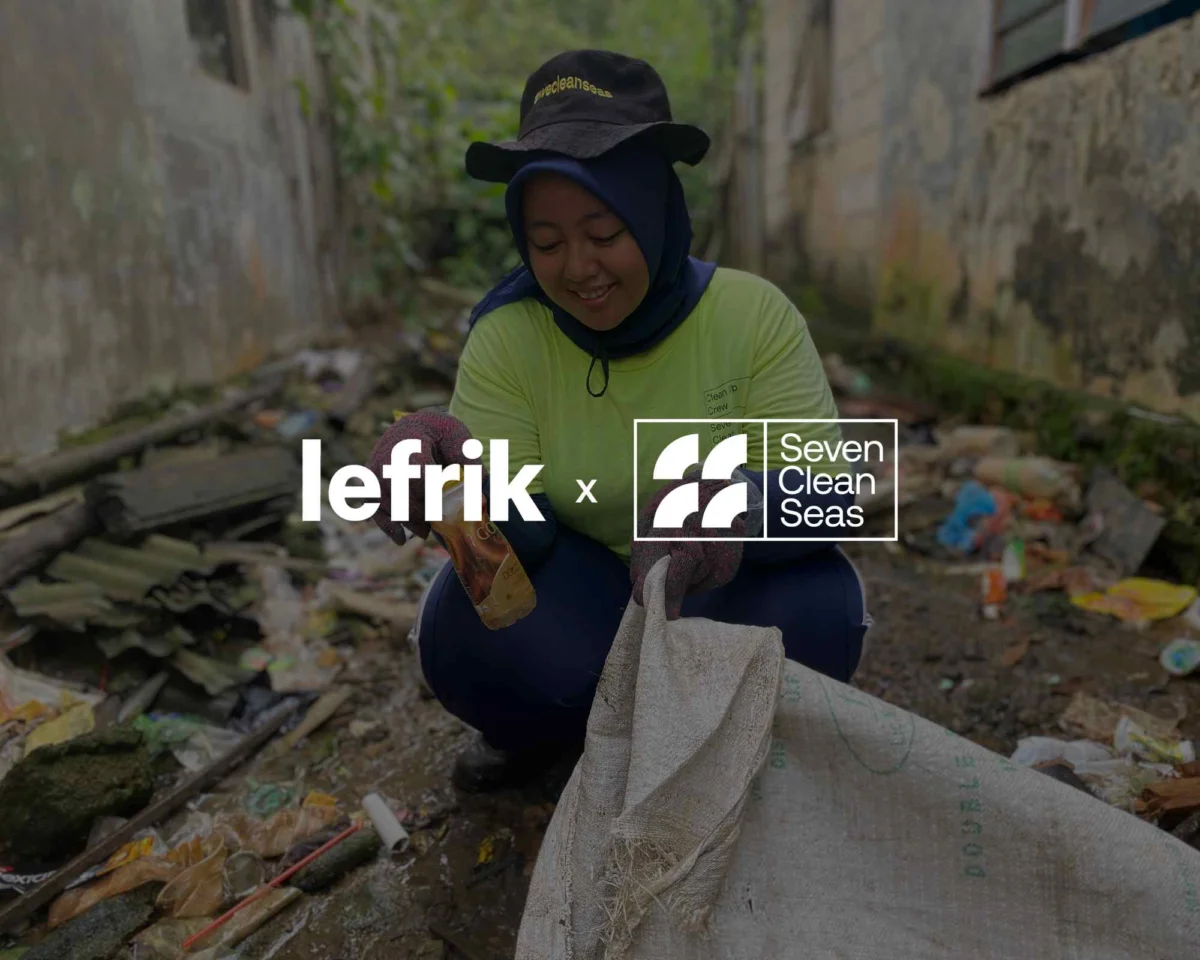
Lefrik Partners with Seven Clean Seas: "Great" rated sustainable bags brand Lefrik has announced a partnership with Seven Clean Seas, an organization dedicated to plastic pollution prevention. For every Lefrik product sold, the brand will allocate resources to support plastic collection efforts in Indonesia, directly linking its design principles (many products are made from recycled plastic) with tangible environmental action. This initiative exemplifies a commitment to circularity and active participation in addressing global waste challenges.
DAWN Denim and Partners Explore Regenerative Cotton: "Great" rated DAWN Denim, alongside sustainable retailer Shop Like You Give a Damn and organization Cotton Diaries, has launched a fascinating new podcast episode. The discussion delves into common myths surrounding cotton fiber and provides insightful explanations of what regenerative cotton farming truly entails. This educational initiative promotes transparency and informed consumer choices regarding sustainable material sourcing.
Kuyichi Celebrates 25 Years of Pioneering Sustainable Denim: "Great" denim brand Kuyichi marks its 25th anniversary by launching a 25-part blog series. The inaugural post highlights the brand’s inspiring origins, stating, "Long before sustainable fashion became a movement, [Kuyichi] was simply a response to a reality we could not accept." This series will detail Kuyichi’s history and ongoing commitment to sustainability, showcasing its enduring leadership in the ethical denim space.
Triarchy Launches Investment Drive for Sustainable Production: "Great" rated denim brand Triarchy has initiated an investment drive with FrontFundr to secure financial stability for the next 12 months. The funding will specifically support further sustainable production options, including digitally dyed denim and the development of next-generation materials, demonstrating a commitment to continuous innovation in environmental responsibility.
Armedangels Introduces Wind-Resistant Outerwear with TENCEL Lyocell: "Great" brand Armedangels has launched a new line of wind-resistant jackets utilizing TENCEL Lyocell, a lower-impact fiber, as an alternative to traditional, often chemically treated or plastic-coated technical outerwear. The brand explains that "wind protection comes from the fabric itself, not from an added membrane. The material is permanently compacted using heat and pressure, increasing its density. This process provides up to 97% wind resistance while maintaining breathability." This innovation showcases how performance and sustainability can be integrated without relying on harmful chemicals.
These diverse developments underscore a fashion and beauty industry in flux, simultaneously confronting profound global challenges and demonstrating a resilient capacity for innovation, ethical introspection, and a commitment to more responsible practices.