











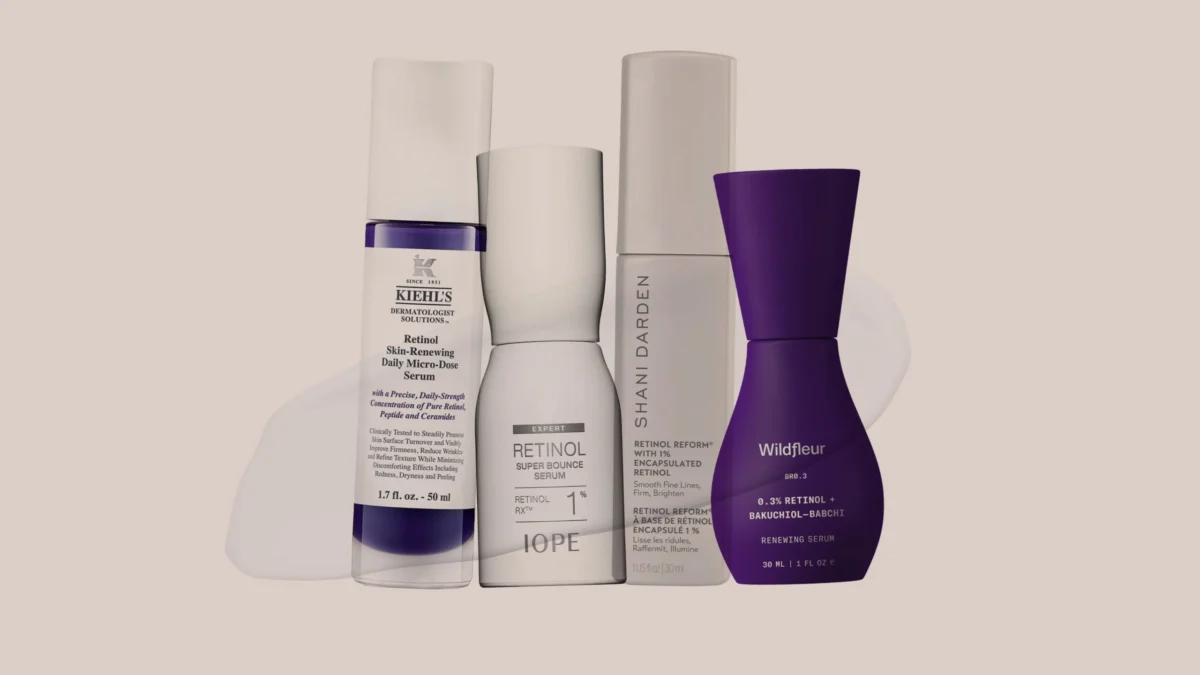
The world of skincare is continually evolving, and at the forefront of anti-aging and skin rejuvenation technology stands the retinoid family. These potent vitamin A derivatives have garnered significant attention from dermatologists and consumers alike for their remarkable ability to improve skin texture, reduce the appearance of fine lines and wrinkles, combat acne, and promote overall skin health. However, navigating the various forms of retinoids and understanding their optimal usage can be a complex undertaking. This in-depth guide, drawing on insights from leading dermatologists, aims to demystify these powerful ingredients, offering clarity on their different types, recommended concentrations, and essential usage guidelines to achieve transformative results safely and effectively.
The Spectrum of Retinoids: Understanding the Key Players
At the core of retinoid efficacy lies their ability to act as keratolytics, meaning they accelerate skin cell turnover. This process is crucial for shedding dull, damaged skin and revealing fresher, more vibrant cells underneath. Furthermore, retinoids are celebrated for their capacity to stimulate collagen synthesis, a vital protein responsible for skin’s firmness and elasticity. As Sheila Farhang, MD, a board-certified dermatologist based in Tucson, explains, "retinoids are keratolytics, which means they increase skin cell turnover and are known to stimulate collagen synthesis."
The most frequently encountered retinoids in skincare products can be broadly categorized into four main types: retinoic acid, retinol, retinyl esters, and retinaldehyde. Each possesses a unique conversion pathway within the skin, influencing its potency and gentleness.
Retinoic Acid (Tretinoin): The Prescription Powerhouse
Retinoic acid, often recognized by its prescription name tretinoin, is the most biologically active form of vitamin A. It works directly on skin cells without requiring further conversion. Due to its potent nature and potential for irritation, retinoic acid is exclusively available through prescription from a dermatologist. Its efficacy in treating acne, photoaging, and hyperpigmentation is well-documented in numerous clinical studies.
Retinol: The Over-the-Counter Staple
For consumers seeking the benefits of retinoids without a prescription, retinol is the most prevalent vitamin A derivative found in over-the-counter (OTC) skincare products. While it is a step away from direct retinoic acid activity, retinol undergoes a two-step conversion process in the skin to become retinoic acid. "There’s a lot of literature showing that while retinol is more gentle than retinoic acid, biochemically it does exactly the same thing—it may just take longer to see results," notes Dana Sachs, MD, a board-certified dermatologist based in Perrysville, Ohio. This makes retinol an excellent starting point for many individuals, offering significant benefits with a generally lower risk of irritation compared to its prescription counterpart.
Retinaldehyde (Retinal): The Potent Intermediate
Often referred to as retinal, retinaldehyde occupies an interesting position within the retinoid spectrum. It requires only a single conversion step in the skin to become retinoic acid, making it more potent than retinol and closer in efficacy to prescription retinoic acid. "Retinal can be directly converted to retinoic acid and is more stable than retinol," explains Dr. Kim, a dermatologist. This intermediate potency offers a compelling option for those seeking stronger results than retinol but perhaps not ready for the intensity of prescription tretinoin. Its improved stability also contributes to its effectiveness.
Retinyl Esters: The Gentle Entry Point
At the gentler end of the retinoid spectrum are retinyl esters. These are less potent but also less likely to cause irritation, making them suitable for individuals with highly sensitive skin or those new to retinoids. A common example is retinyl palmitate, often marketed as a "pro-retinol." "Products that are designed for sensitive skin typically have retinyl palmitate (a type of pro-retinol), but because it has to be converted to retinol before it becomes retinoic acid (the active form), it is not as potent as retinol," Dr. Kim elaborates. While they offer mild benefits, their slower conversion rate means results may be less dramatic and take considerably longer to manifest.
Navigating Concentrations and Starting Your Retinoid Journey
The question of how to begin using retinoids is paramount for safe and effective integration into a skincare routine. Dermatologists emphasize that there is no universal correct dosage, and the optimal starting concentration is highly individualized, depending on skin type and sensitivity.
For individuals with sensitive skin, a conservative approach is recommended. Dr. Kim suggests starting with a concentration of 0.25% and using it only twice a week. For those with regular skin types, a starting point of 0.5% used twice weekly is often advised. Individuals with particularly oily skin might be candidates for prescription-strength retinoic acid from the outset, also used twice weekly.
The vehicle in which the retinoid is delivered—serum or cream—is largely a matter of personal preference. However, some dermatologists, including Dr. Chang, advocate for the use of retinol serums followed by a soothing moisturizer. This strategy aims to mitigate potential side effects such as dryness, flaking, and irritation.
Essential Considerations: What to Avoid and What to Embrace
When incorporating retinoids into your regimen, understanding which other active ingredients to avoid is crucial to prevent over-exfoliation and significant skin irritation. Dr. Kim strongly advises against using exfoliating acids concurrently with retinoids. This includes alpha hydroxy acids (AHAs) like glycolic and lactic acid, beta hydroxy acids (BHAs) such as salicylic acid, and polyhydroxy acids (PHAs). These ingredients, while beneficial on their own, can amplify the exfoliating and potentially irritating effects of retinoids when used together.
However, for those keen on harnessing the benefits of both retinoids and exfoliating acids, a strategic approach is possible. Alternating days between retinoid and exfoliating acid treatments can allow the skin to recover and minimize the risk of irritation.
Perhaps the most non-negotiable addition to any retinoid routine is sunscreen. Retinoids inherently increase the skin’s photosensitivity, making it more susceptible to sun damage and burning. "Retinol ‘makes your skin more easily prone to burning,’ so it’s even more critical to layer up," Dr. Chang emphasizes. Therefore, daily application of a broad-spectrum sunscreen with an SPF of 30 or higher is not merely recommended but essential, regardless of weather conditions or indoor/outdoor exposure.
Optimizing Retinoid Frequency and Application Techniques
The ideal frequency for using a retinol serum, according to Dr. Kim, is nightly. However, for individuals who find this too intense, a regimen of two to three times per week is a viable alternative. For those specifically targeting hyperpigmentation, alternating gentle acids and retinol every other day can be an effective strategy.
For individuals with sensitive skin, a dermatologist-approved technique known as "sandwiching" can greatly improve tolerability. This involves applying a layer of moisturizer before and after the retinol product. This buffered application helps to soften the impact of the retinoid. Dr. Shari Marchbein, a board-certified dermatologist in New York City, reassures that "Studies have shown that this base layer of moisturizer does not dilute or reduce the efficacy of the retinoid, but instead helps with tolerability."
In terms of morning routines, while there’s no need to wash off retinol products specifically, a gentle cleanse with lukewarm water is recommended to remove any sweat accumulated overnight.
Retinol’s Role in Acne Management and Beyond
The benefits of retinoids extend significantly to acne treatment. Their ability to accelerate cell turnover effectively unclogs pores, a primary cause of acne. Furthermore, they help to reduce inflammation and improve skin texture. "Higher levels of retinol (0.5% or higher) or prescription-strength retinoic acid are the most effective at making the biggest difference," Dr. Kim notes. These higher concentrations also play a significant role in fading hyperpigmentation and improving the appearance of acne scars.
The efficacy of retinoids is not confined to the face. Their regenerative properties can be applied to other areas of the body to address similar concerns. "Retinol can help improve texture, crepiness, and hyperpigmentation on all areas of the skin," says Nazanin Saedi, MD, a double board-certified dermatologist. She advocates for the use of retinol products on the neck, chest, arms, and legs, in addition to the face, to achieve comprehensive skin rejuvenation.
The Crucial Companion: Choosing the Right Moisturizer
Selecting an appropriate moisturizer to use alongside retinoids is key to combating potential dryness and irritation. Dr. Saedi advises opting for moisturizers that focus on soothing and skin barrier repair. Ingredients such as ceramides, which help restore the skin’s natural protective barrier, and niacinamide, known for its redness-reducing properties, are highly beneficial. Drugstore staples like CeraVe’s Moisturizing Cream and La Roche-Posay’s Toleriane Double Repair Face Moisturizer are excellent, accessible choices that can effectively support the skin during retinoid treatment.
Expert Insights and Editorial Standards
The information presented in this guide is informed by the expertise of board-certified dermatologists including Sheila Farhang, MD, Dana Sachs, MD, and Nazanin Saedi, MD. Their contributions, along with those of other medical professionals, are integral to Allure’s rigorous product testing and review process. Allure’s editorial team meticulously evaluates products based on ingredient efficacy, packaging, fragrance, texture, and overall performance. This comprehensive approach ensures that readers receive well-researched and reliable information to make informed decisions about their skincare. The commitment to diverse testing panels, spanning various ages, skin tones, and concerns, further solidifies the integrity of their recommendations.