






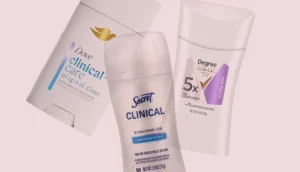


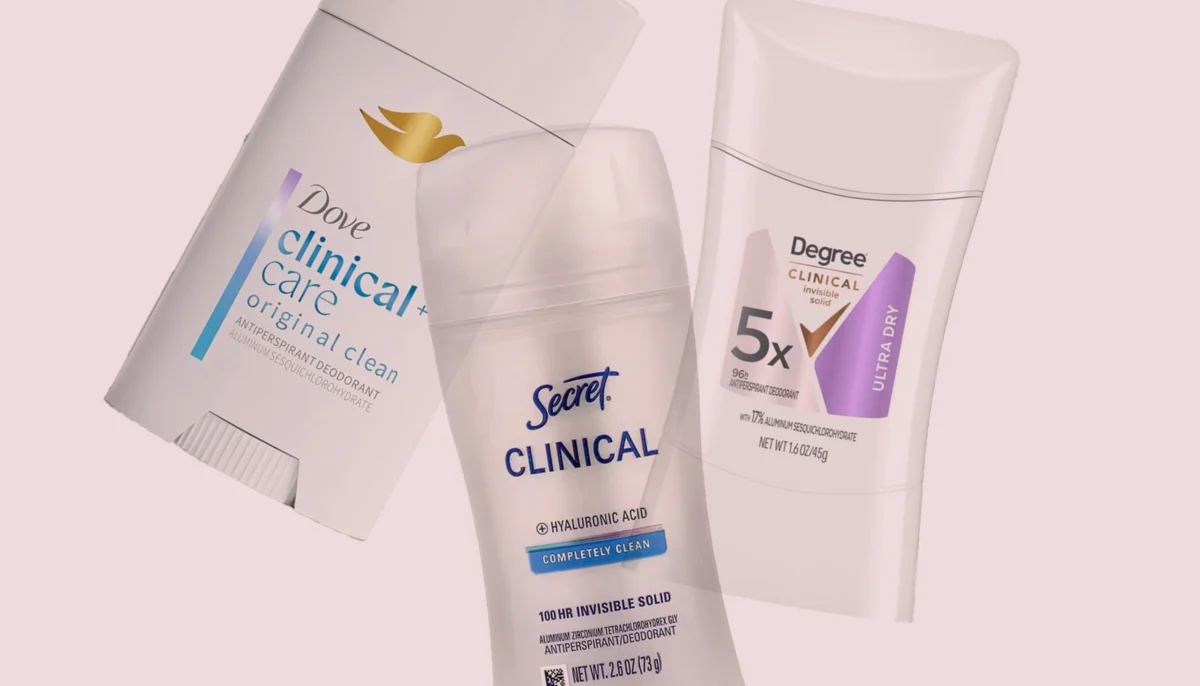
Navigating the personal care aisle can be an exercise in frustration for those struggling with excessive perspiration. While the term "clinical strength" often appears in bold lettering on deodorant packaging, it is important to understand that this is primarily a marketing designation rather than a strictly regulated medical category. Despite this, dermatologists agree that these products differ significantly from standard over-the-counter (OTC) antiperspirants in both their formulation and their physiological impact on the skin.
Understanding the Clinical Distinction
The fundamental difference between a standard deodorant and a clinical-strength antiperspirant lies in the concentration of active ingredients designed to manage sweat. Standard deodorants are generally formulated to mask odor or kill surface bacteria, while clinical-strength products focus on suppressing the production of sweat itself.
According to Dr. Vidya Shivakumar, a board-certified dermatologist based in Chicago, the efficacy of these products is driven by higher concentrations of aluminum salts. These compounds function by creating temporary physical plugs within the sweat ducts, effectively reducing the volume of moisture that reaches the skin’s surface. While the FDA does not require a specific medical license for the use of the term "clinical," the industry standard generally implies a higher potency than entry-level offerings.
The Science of Active Ingredients
The efficacy of clinical-strength antiperspirants is heavily dependent on the specific metallic salts utilized in the formula. Aluminum chloride is widely considered the gold standard for high-potency sweat reduction, typically found in concentrations ranging from 12% to 15%. This ingredient is highly effective at blocking sweat glands but can be harsh on sensitive skin.
Alternatively, aluminum zirconium compounds and aluminum sesquichlorohydrate are frequently used. While these are slightly less potent than pure aluminum chloride, they are often preferred by manufacturers because they offer a superior balance between efficacy and skin tolerability. Dermatologists, including Dr. Oska, often suggest that for products utilizing aluminum zirconium, a concentration between 15% and 20% is optimal for achieving the "clinical" effect without inducing excessive irritation.
Determining the Need for Higher Potency
For the average consumer, standard antiperspirants provide sufficient protection against daily perspiration. However, for a segment of the population, these standard options fall short. The transition to clinical-strength products is often prompted by lifestyle interference. If an individual finds themselves reapplying deodorant multiple times throughout the day, experiencing consistent underarm dampness that necessitates frequent wardrobe changes, or suffering from persistent odor despite maintaining rigorous hygiene, a clinical-strength option may be warranted.
Dr. Spearman, a contributor to dermatological discussions on the topic, notes that sweating is a critical bodily function for thermoregulation. However, when the psychological or social impact of sweating begins to influence daily choices—such as the types of fabrics one wears or the avoidance of social situations—the product becomes more than a convenience; it becomes a tool for maintaining confidence and social comfort.
Chronology of Care: When to Seek Professional Advice
It is essential for consumers to understand the progression of treatment for excessive sweating. The chronology of care typically begins with lifestyle adjustments and OTC products. If these fail to provide relief, the next step is often a move to clinical-strength OTC options.
However, if these products still do not yield the desired results, it may indicate an underlying medical condition, such as hyperhidrosis. Hyperhidrosis is a medical condition characterized by excessive sweating that is not always related to heat or exercise. In such cases, the implication of continued self-treatment is that the underlying condition remains undiagnosed. Patients in this category are encouraged to consult a board-certified dermatologist who can provide access to prescription-strength topical treatments, iontophoresis, or even specialized procedures like Botox injections, which have been FDA-approved to treat axillary hyperhidrosis.
Balancing Efficacy and Skin Health
The primary trade-off in using high-potency antiperspirants is the risk of skin irritation. Because clinical-strength formulas create a more substantial blockage within the sweat ducts, they can cause inflammation, redness, or contact dermatitis in individuals with sensitive skin.
Dr. Michael Tassavor, a board-certified dermatologist practicing in New York and New Jersey, emphasizes that the mechanical action of these ingredients is precisely what makes them effective, but also what makes them potentially irritating. To mitigate these side effects, experts often recommend applying these products at night on clean, dry skin. This allows the active ingredients to plug the ducts more effectively while the body is at rest, potentially reducing the need for repeated applications during the day and minimizing the risk of irritation.
Industry Standards and Testing Methodologies
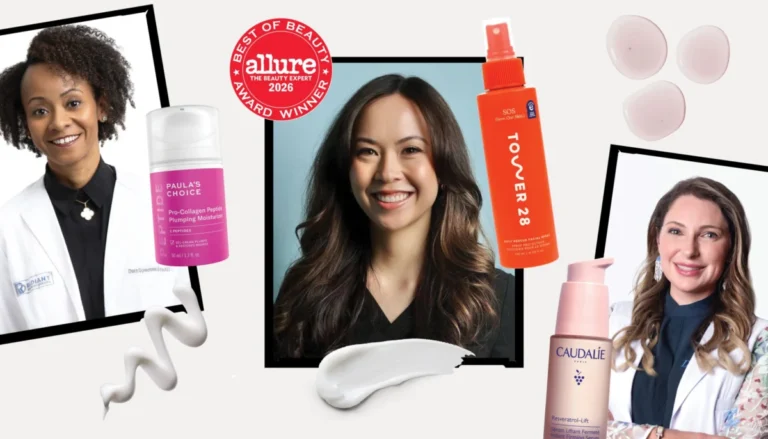
The proliferation of "clinical" labels necessitates a high level of scrutiny from both consumers and beauty publications. Reputable testing protocols, such as those employed by Allure, involve a multifaceted approach to verifying product claims. This process includes a review of ingredient profiles, an analysis of brand-specific clinical trial data, and consultation with experts in cosmetic chemistry and dermatology.
Testing methodologies generally evaluate five core pillars:
- Ingredient Efficacy: Does the concentration of aluminum-based compounds align with clinical standards?
- Product Wear: Does the formula maintain its integrity over a 24-hour period?
- Texture and Application: Does the product leave residue or cause discomfort upon application?
- Fragrance Profile: Is the scent overwhelming, or does it complement the formula without masking odor improperly?
- Dermatological Compatibility: How does the formula perform on various skin types, particularly those prone to irritation?
By incorporating a diverse panel of testers—spanning various ages, skin types, and hormonal profiles—publications aim to provide a representative view of how a product will perform for the general public, rather than relying on a narrow demographic.
Broader Implications of Excessive Perspiration
The market for clinical-strength deodorants is projected to grow as awareness of hyperhidrosis and the social pressures regarding body odor increase. From a public health perspective, the shift toward these products reflects a broader trend of consumers seeking more "medicalized" beauty solutions.
However, the implication of this trend is a potential misunderstanding of what constitutes "normal" sweating. It is vital for the public to remain informed that while clinical-strength deodorants are highly effective tools for managing perspiration, they are not a cure-all. For those experiencing sweat that is truly excessive or asymmetrical, seeking medical guidance is paramount. Relying solely on high-potency OTC products can mask the symptoms of underlying health issues, ranging from hormonal imbalances to thyroid dysfunction.
Conclusion
Clinical-strength deodorants represent a specialized tier of personal care that offers genuine benefits for those struggling with excessive sweat and odor. By utilizing higher concentrations of aluminum salts, these products effectively bridge the gap between standard grocery store options and prescription medical treatments.
However, consumers must approach these products with an understanding of their physiological effects. The efficacy of these deodorants comes with the responsibility of monitoring skin health and recognizing when the limitations of over-the-counter solutions have been reached. As the beauty industry continues to evolve, the distinction between marketing claims and clinical reality will remain a critical point of interest for both dermatologists and the public alike. By prioritizing ingredient transparency and professional consultation, individuals can make informed decisions that improve their quality of life while ensuring their skin remains healthy and protected.