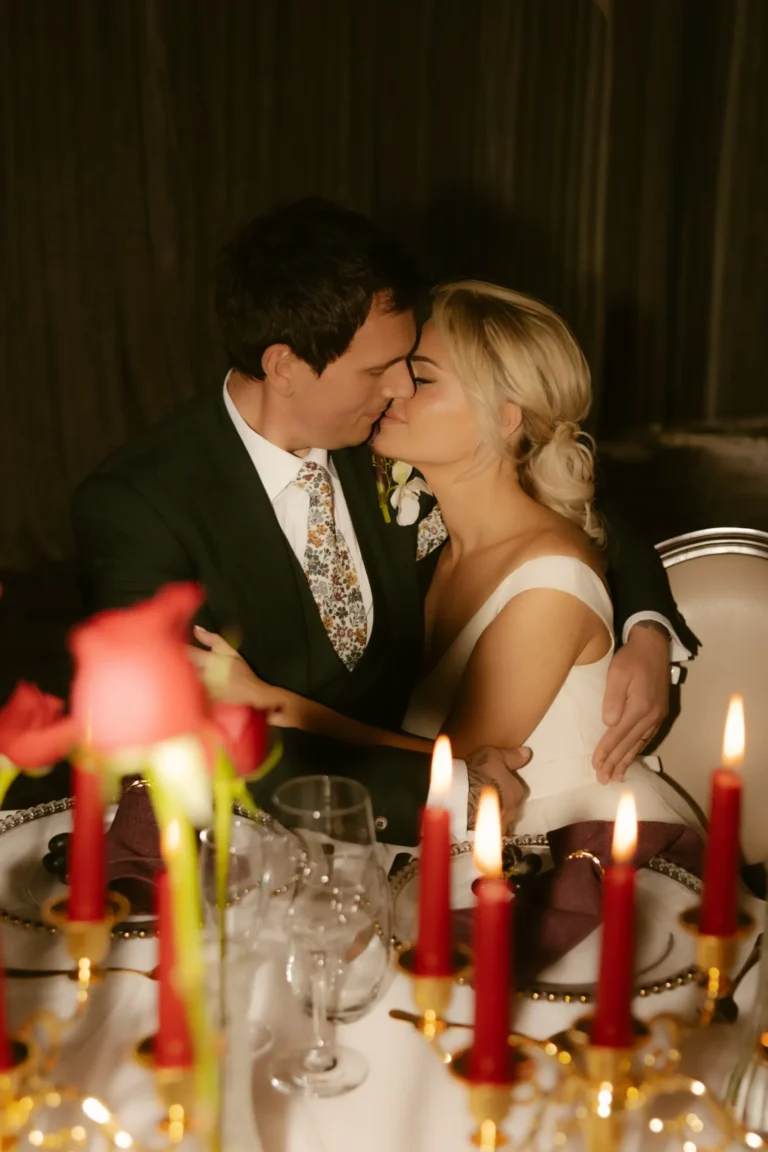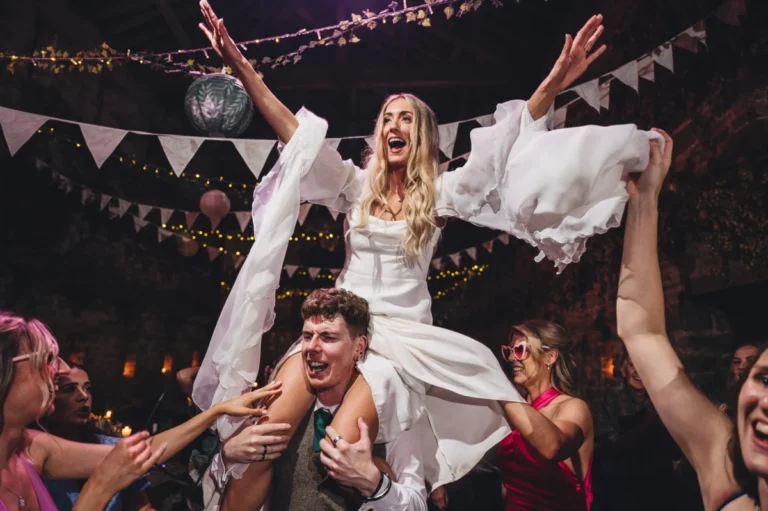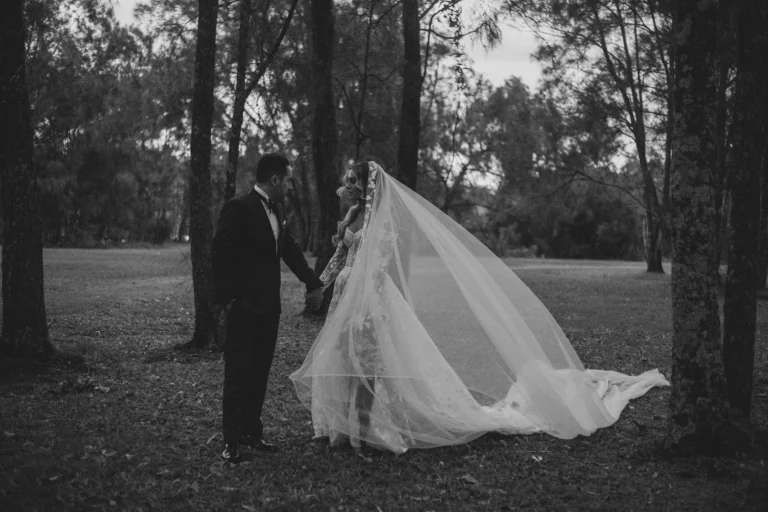







The modern wedding industry is currently witnessing a significant shift toward smaller, more intentional celebrations, moving away from the traditional, high-pressure large-scale reception. This trend, often categorized as the "micro-wedding" or "elopement" movement, prioritizes the couple’s personal connection and the quality of their time together over the logistics of guest management. A recent editorial project led by Christy Photography in the historic town of Knaresborough serves as a case study for this evolving preference, illustrating how couples are increasingly treating their wedding day as a curated, romantic date rather than a conventional event.
The Shift Toward Intimate Celebrations
Data from recent wedding industry surveys indicates a steady rise in the popularity of elopements and intimate ceremonies. According to figures from the Association of Wedding Professionals, there has been a 15% year-over-year increase in inquiries for destination elopement packages since 2022. This shift is attributed to a combination of rising costs for traditional large-scale events and a cultural pivot toward sustainability and mindfulness.
For many couples, the logistical burden of coordinating hundreds of guests can detract from the emotional significance of the occasion. By opting for a smaller footprint, partners can allocate their budget toward higher-quality vendors, unique locations, and an extended, leisurely schedule. The Knaresborough shoot, organized by Christy Photography, aimed to demonstrate the aesthetic and emotional viability of this "slow wedding" approach. By removing the pressure of a traditional timeline, the couple is afforded the space to engage with their surroundings and each other in a way that feels organic rather than performative.
Chronology of the Knaresborough Editorial
The production of this editorial followed a meticulous, albeit relaxed, creative process designed to reflect the spontaneity of an authentic elopement. The location selection was central to the concept. Knaresborough was chosen for its specific visual characteristics: a blend of medieval cobbled streets, Victorian-era viaducts, and tranquil riverbanks.
The day began in the early morning to capture the soft, diffused light characteristic of spring, which is essential for the "natural and candid" aesthetic requested by the creative team. The timeline was structured around a leisurely exploration of the town. Rather than a rigid schedule of photo opportunities, the team prioritized movement—walking along the riverside, visiting cottage doorsteps, and taking a boat out onto the water. This allowed the photographer to move between editorial, posed portraits and spontaneous, candid documentary-style shots, effectively blending two distinct photographic traditions into one narrative.
Materiality and Aesthetic Curation
The success of a small-scale, high-impact wedding relies heavily on the quality of individual design elements. The collaboration involved a select group of specialists who focused on materials that emphasized lightness and movement.
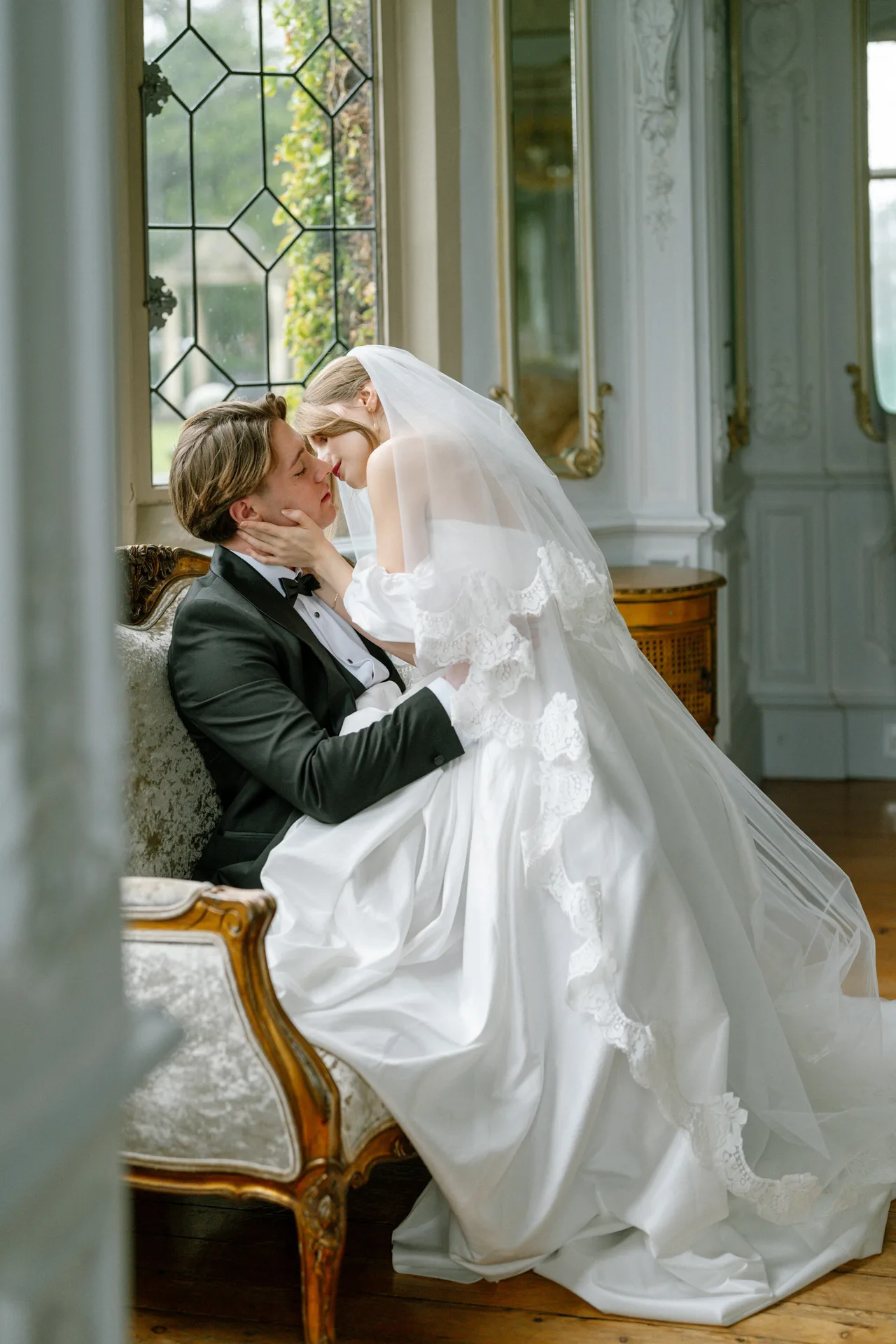
The bridal fashion was provided by the British atelier Wilderness Bride. Their design philosophy centers on ease of wear, utilizing fabrics that drape naturally, which is crucial for an outdoor, moving editorial. This choice stands in contrast to the traditional, heavy ballgowns often associated with large church weddings, which can restrict a bride’s movement during a full-day, active celebration.
The floral arrangements, designed by Sarah Hinchliffe of North & Flower, were selected for their seasonal relevance and subtle color palette. Hellebores, ranunculus, and narcissi were utilized to reflect the transition of the season. By selecting flowers that grow naturally in the region during the spring months, the editorial adhered to principles of floral sustainability—a growing concern among modern couples looking to reduce the carbon footprint of their celebrations. The use of soft white and cream tones provided a neutral, sophisticated backdrop that harmonized with the earthy, rustic tones of the groom’s brown suit.
Perspectives from the Creative Team
The editorial was not merely a visual exercise but a statement on the changing nature of wedding photography. Christy Photography, a specialist based in Manchester, emphasized the need for a "softer, more intimate love story."
"After photographing countless pre-wedding shoots in busy city centers and familiar parks, I wanted to create something more romantic," said the lead photographer. "The goal was to move away from the noise of the city and find a location that felt like a scene from a classic romance. By allowing the couple to interact with the environment—sitting on a bench, rowing a boat, or walking through the streets—we captured a level of intimacy that is difficult to manufacture in a crowded venue."
The team from Wilderness Bride echoed these sentiments, noting that the modern romantic is increasingly interested in "refined silhouettes with elegant details." Their contribution was designed to be functional, ensuring the garment looked as graceful in motion as it did in static portraiture. This reflects a broader industry trend where bridal fashion is increasingly designed for the experience of the day rather than solely for the aesthetic impact of the ceremony.
Implications for Future Wedding Planning
The implications of this movement are significant for the wedding industry at large. Vendors are being forced to adapt their service models to accommodate smaller, more bespoke requests. The traditional "full-day" photography package is being reimagined as "elopement coverage," which often includes more hours of candid, documentary-style work and fewer hours of traditional group photography.
Furthermore, the "date-day" model of wedding planning serves as a blueprint for couples seeking to manage the stress of their nuptials. By treating the wedding day as a shared experience rather than a performance, couples are reporting higher levels of satisfaction and lower levels of "wedding fatigue."
Economic and Cultural Considerations
From an economic perspective, the rise of the intimate wedding represents a redirection of capital rather than a decrease in spending. While the total number of guests decreases, the per-person expenditure often rises, allowing for higher quality in food, photography, fashion, and travel. This shift supports local, specialized artisans and small businesses like those involved in the Knaresborough project.
Culturally, this trend signals a move away from the expectation of the "big day" as a massive social event, repositioning it instead as a private, deeply personal commitment. This is particularly relevant in the post-pandemic landscape, where couples have become more comfortable with the idea of unconventional, private, and highly personalized gatherings.
Conclusion
The Knaresborough editorial provides a compelling argument for the merits of a slow, intentional wedding. By combining thoughtful design with a focus on shared experience, the team demonstrated that the most memorable celebrations are often those that allow the couple to simply "be." Whether through the careful selection of seasonal florals or the choice of a location that offers both visual splendor and a sense of history, the elements described in this shoot provide a viable alternative to the traditional wedding model. As more couples look to customize their experiences, it is likely that we will continue to see a rise in these intimate, date-inspired celebrations, proving that the most romantic moments are often the ones captured in quiet, unhurried, and authentic settings.