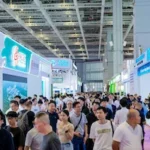






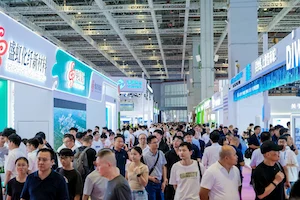


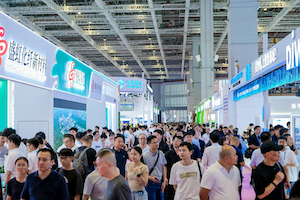
The curtains have drawn on the 2026 edition of Yarn Expo Autumn, an event that has firmly established itself as the epicenter for global fiber and yarn innovation. Held in Shanghai, the fair served as a pivotal nexus for approximately 600 exhibitors representing 14 countries and regions, who engaged with a robust attendance of nearly 22,000 visitors from 110 international markets. As the global textile sector navigates the dual pressures of economic fluctuation and the urgent mandate for environmental sustainability, the gathering provided a diagnostic look at the industry’s current material agenda.
A Strategic Convergence of the Textile Value Chain
The event was strategically co-located with the Intertextile Shanghai Apparel Fabrics Autumn Edition, CHIC, and PH Value. This symbiotic arrangement created a comprehensive ecosystem, linking the upstream stages of fiber production and yarn spinning with the downstream realities of fabric development, garment manufacturing, and global fashion-market demand. By bridging these segments, the expo facilitated a continuous dialogue that is essential for shortening lead times and aligning production capabilities with shifting consumer preferences.
The scale of the event underscores its significance in the global supply chain. By integrating fiber-level innovation with ready-to-wear production, organizers enabled stakeholders to evaluate the commercial viability of emerging materials in real-time. For a garment manufacturer, this means the ability to touch, test, and verify the performance of a new recycled yarn while simultaneously consulting with fabric developers about the knitting properties of that same material.
Industry Evolution: From Niche to Necessity
For years, sustainability was often treated as a peripheral product category—an "add-on" for eco-conscious collections. The 2026 edition of Yarn Expo marked a definitive departure from this trend. Industry experts and exhibitors noted that sustainability and technical performance have now merged into a single, non-negotiable requirement for buyers.
"This edition showed that sustainability and performance are no longer separate product categories; buyers increasingly expect credible solutions that deliver both," noted Ms. Wilmet Shea, General Manager of Messe Frankfurt (HK) Ltd. She emphasized that the platform has evolved from a simple exhibition space into a catalyst for tangible business outcomes, where material innovators and processors work directly with brands to solve the practical challenges of scaling greener production methods.
Global Innovations and Material Advancements
The exhibition floor served as a showcase for the rapid maturation of circular economy technologies. Notable international displays included Thailand’s Indorama Ventures, which presented its 100% recycled PET deja™ range, and Japan’s Toray Industries, which highlighted its sophisticated plant-based polyester and proprietary NANODESIGN® technology. These advancements address a critical historical hurdle in the industry: the perceived trade-off between recycled materials and aesthetic quality.
Domestic Chinese exhibitors, such as Hangzhou Benma Chemfibre and Spinning, demonstrated the scale of the transition by showcasing regenerated polyester derived from post-consumer PET bottles and textile scrap. This supply-side shift is crucial for industries ranging from high-performance activewear to nonwovens, where the demand for recycled content is outpacing current supply capacity.
The return of the Uzbekistan Pavilion served as a reminder of the importance of vertical integration in modern trade. With eight participating companies, the pavilion highlighted the nation’s end-to-end cotton-textile sector—a model that provides brands with the transparency and traceability they increasingly require to meet regulatory demands in the European and North American markets.
Data-Driven Insights and Technical Displays
Beyond the booth displays, the expo provided deep technical insights through organized forums. The China Chemical Fibre Association’s "Tongkun – China Fibre Fashion Trends Display Zone" presented a curated selection of over 300 new fiber and yarn samples, offering a roadmap for future material adoption. Simultaneously, the "New Fibre New World" activities focused on temperature-regulating fibers and resource recycling, addressing the industry’s need for functional materials that perform under extreme climate conditions while maintaining a reduced carbon footprint.
The analytical implications of these displays are significant. As global brands commit to "net-zero" targets, the data gathered at such forums becomes the basis for R&D spending. By standardizing the evaluation of fiber properties, the expo helps reduce the "innovation friction" that often prevents new, sustainable materials from moving from the laboratory to mass-market production.
Perspectives from the Frontlines of Sourcing
The diverse feedback from attendees highlighted the varied, yet converging, needs of the global market. For Lurex Company (UK), the event provided a necessary physical touchpoint for their metallic and special-effect yarns. "The fair allows buyers to experience the handle and softness of our specialized yarns directly, which is particularly important," said Ms. Sally Bugg, Commercial Director.
For manufacturers based in emerging textile hubs, the expo functioned as a vital networking and educational tool. Ms. Rania El Nouehi of the Egyptian Co. For Flax And Its Products noted that the expo provided an efficient entry point into markets like Pakistan, where they previously lacked direct connections. This type of cross-border synergy is precisely what drives global trade volumes in the textile sector.
On the buyer side, the narrative remained centered on the necessity of high-quality, certified inputs. Mr. Adrian Rios, owner of Brazil’s Rios Trading Import and Export Co., identified the expo as the most essential platform for maintaining relationships with over 50 of his suppliers. Meanwhile, Mr. Mahedi Hassan of MASCO, Bangladesh, underscored the shift in purchasing behavior: "95% of our consumption is already in sustainable products such as BCI, organic, and recycled fibers." For companies like MASCO, the expo is not just a place to buy yarn, but a research facility for future collection development.
Broader Economic and Environmental Implications
The 2026 Yarn Expo Autumn illustrates several macro-trends currently shaping the textile industry:
- Transparency and Certification: The consistent mention of GRS (Global Recycled Standard) and other certifications by buyers confirms that sustainability is now a compliance issue rather than a marketing preference.
- Geographic Diversification: While China remains a dominant force in production and consumption, the rise of pavilions from nations like Uzbekistan and the participation of Egyptian flax producers signals a more nuanced, multi-polar supply chain.
- Technological Integration: The rise of synthetic, plant-based, and bio-engineered fibers suggests that the industry is looking beyond traditional cotton and standard polyester to solve future resource scarcity issues.
As the industry looks toward the next major gathering—Yarn Expo Spring, scheduled for March 10–12, 2027—the takeaways from the Autumn edition are clear. The textile value chain is becoming more responsive, more transparent, and significantly more integrated. The commercialization of innovation is no longer a slow-moving process; it is happening on the floor of the expo, where the buyer’s need for sustainability meets the supplier’s technical capability.
The success of the 2026 event serves as a bellwether for the textile sector’s resilience. Despite global economic pressures, the appetite for high-performance, responsibly sourced materials remains strong. By facilitating these face-to-face exchanges, Messe Frankfurt and the China Textile Industry stakeholders have ensured that the industry remains equipped to handle the complexities of the next decade, from supply chain volatility to the rapid advancement of material science.
As the curtains close, the legacy of Yarn Expo Autumn 2026 is a stronger, more connected, and more sustainable textile market, ready to face the challenges of the coming year with a clearer vision of what constitutes a responsible and profitable future.