











We are all creatures of habit, and while some routines are harmless, others can be detrimental to the health and longevity of our skin. Dermatologists have long observed a correlation between daily lifestyle choices—often performed mindlessly—and the acceleration of visible aging, skin barrier compromise, and chronic irritation. While the aesthetic industry frequently pushes the "next big thing," medical professionals emphasize that long-term skin health is less about chasing trends and more about consistent, evidence-based maintenance.
The pursuit of "glass skin" has led to an era of hyper-consumption, where social media trends dictate skincare regimens. This shift has created a cycle of over-treating, which frequently lands patients in dermatological offices with inflammatory conditions rather than glowing complexions. By analyzing the habits that dermatologists most frequently advise against, it becomes clear that simplicity is often the most effective clinical strategy.
The Dangers of Skincare Trend-Chasing
The modern skincare market is driven by rapid-fire trends—from slugging with petroleum jelly to the use of complex peptides and growth factors. Board-certified dermatologist Dr. Laurel Naversen Geraghty notes that the "holy grail" quest is often counterproductive. "It is not how much you blast your face with new ingredients; it is the good, proven steps that you stick to over time," she says.
Chronologically, the rise of "skintellectual" culture has accelerated the rate at which consumers rotate products. When a new ingredient gains traction on social media, the impulsive purchase often leads to the layering of incompatible actives. Dr. Ava Shamban, a board-certified dermatologist based in Los Angeles, observes that many young patients present with compromised skin barriers, characterized by redness, itching, and flaking, specifically because they are "piling on multiple active ingredients at once."
Clinical data suggests that the skin requires a minimum of three months to adapt to a new formula. When consumers rotate products every few weeks, they fail to allow for the physiological turnover required to see results. Retinoids, for example, typically require six months of consistent use to demonstrate measurable improvements in fine lines and skin texture.
The Persistence of UV Exposure and Tanning
Despite decades of public health warnings, ultraviolet (UV) radiation remains the primary cause of premature skin aging and skin cancer. The recent emergence of anti-sunscreen sentiment on certain social platforms has prompted dermatologists to re-emphasize the scientific consensus: UV light is a proven carcinogen.
The mechanism of damage is two-fold. First, UV radiation causes DNA damage to skin cells, which, if not repaired by the body, can lead to precancerous lesions and malignant melanoma. Second, it degrades collagen and elastin fibers, the structural proteins responsible for skin firmness. Dr. Geraghty compares the risks of tanning to smoking or asbestos exposure, noting that the desire for a tan often blinds patients to the physiological harm being inflicted.
For those concerned about Vitamin D levels, medical experts advocate for dietary sources—such as fortified dairy, eggs, and oily fish—or oral supplementation, rather than intentional sun exposure. The clinical reality is stark: surgical excision of skin cancer, particularly in areas with limited skin laxity like the nose or eyelids, often requires complex grafts and results in permanent scarring.
The Mechanics of Picking and Barrier Damage
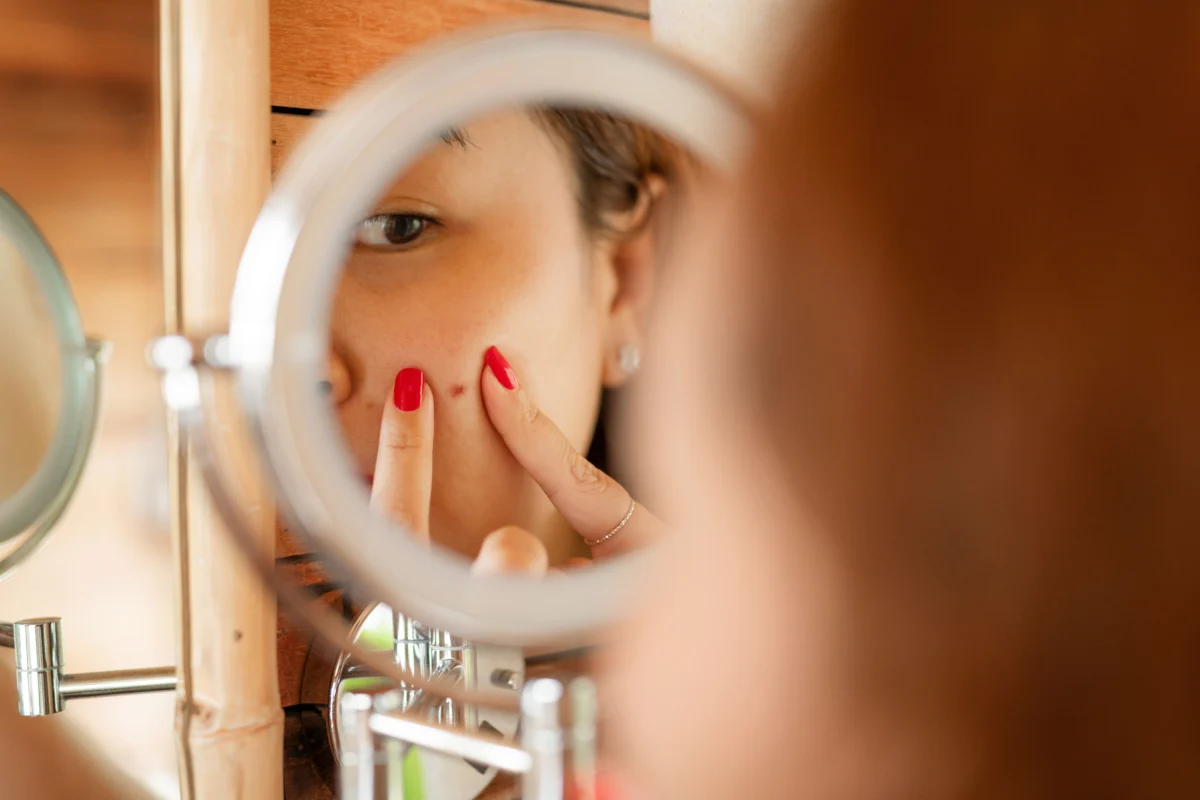
Dermatillomania, or compulsive skin picking, is frequently categorized as an anxiety-driven behavior rather than a dermatological one. However, the physical consequences are severe. When an individual attempts to "pop" a pimple, they are often pushing bacteria and cellular debris deeper into the dermis. This not only increases the risk of infection but significantly raises the likelihood of post-inflammatory hyperpigmentation (PIH) and permanent scarring.
Dr. Rachel Nazarian, a board-certified dermatologist, emphasizes that picking is often an unconscious habit. Clinical recommendations for breaking this cycle include:
- Physical Deterrents: Using hydrocolloid patches to cover lesions, effectively removing the tactile temptation.
- Behavioral Redirection: Using fidget toys or squeeze balls to channel nervous energy.
- Lifestyle Adjustments: Increasing physical activity to lower cortisol levels, which can reduce the systemic stress that triggers breakout-related picking.
The Risks of Over-Cleansing
The popularization of "double-cleansing" has led to a misunderstanding of what constitutes a clean face. While double-cleansing is effective for removing heavy makeup or long-wear sunscreen, it is frequently unnecessary for most individuals on a daily basis.
"I think more people are double-cleansing than really need to be," says Dr. Corey Hartman. Over-cleansing strips the skin of its natural lipid barrier, leading to transepidermal water loss, increased sensitivity, and paradoxically, more breakouts as the skin attempts to compensate for the dryness by overproducing oil. The shift toward gentle, fragrance-free cleansers is a foundational recommendation for maintaining the integrity of the stratum corneum.
The Impact of Oral Hygiene and Lifestyle Habits
Small, seemingly unrelated habits can have significant impacts on facial skin. For instance, the timing of tooth brushing is often overlooked. Most standard toothpastes contain sodium lauryl sulfate (SLS), a foaming agent known to cause contact dermatitis in sensitive individuals. Residue left on the skin around the mouth can lead to perioral irritation and chapped lips.
Furthermore, lifestyle factors such as smoking—whether traditional cigarettes, vapes, or cannabis—continue to be major contributors to poor skin health. Smoking induces oxidative stress, which degrades collagen and reduces oxygen delivery to the skin surface. The result is a dull, sallow complexion and an increased risk of inflammatory conditions like eczema and psoriasis.
The Med Spa Phenomenon and Professional Oversight
The proliferation of med spas has made aesthetic procedures more accessible, but it has also introduced significant risks. A 2023 survey published in Dermatologic Surgery highlighted that complications from non-surgical procedures are more common in non-physician-led settings.
The primary concern is the lack of medical oversight. Procedures like radiofrequency skin tightening or filler injections carry risks of thermal burns, tissue necrosis, and vascular occlusion. When these complications occur, a facility without a trained medical doctor on-site may be ill-equipped to manage the emergency.
Medical professionals stress the importance of verifying the credentials of any provider. Board-certified dermatologists undergo years of medical school and residency, providing them with a deep understanding of facial anatomy and the ability to manage potential complications. The trend of "over-filling," particularly among younger patients, has also raised concerns regarding the long-term stretching of facial tissues.
Conclusion: A Shift Toward Sustainability
The cumulative evidence suggests that the most effective approach to skin health is a minimalist, consistent routine. By prioritizing sun protection, avoiding aggressive physical manipulation, and consulting with qualified professionals for cosmetic enhancements, patients can significantly reduce their risk of premature aging and chronic skin issues.
The "long game" of dermatology is not about finding the newest product on the market, but about protecting the body’s largest organ from environmental stressors and unnecessary trauma. Whether it is moving a sunscreen bottle next to a toothbrush to ensure daily compliance or switching to an SLS-free toothpaste, the most successful strategies are those that are simple, sustainable, and grounded in medical science. As dermatologists continue to advocate for these changes, the focus remains clear: healthy skin is not a quick fix, but a lifetime of protection and care.