










With Chancellor John Healey’s inaugural Budget statement scheduled for 28 October 2026, the UK fashion retail sector is bracing for a policy shift that could fundamentally reshape the high street’s economic landscape. As the industry grapples with high operational costs, shifting consumer sentiment, and a complex regulatory environment, major players—including stalwarts such as Primark and Superdry—are coalescing around a set of urgent fiscal demands. The forthcoming Budget is widely viewed not merely as a routine financial update, but as a critical juncture for a sector that has been instrumental in the post-pandemic recovery but remains vulnerable to inflationary pressures and structural headwinds.
The Fiscal Context of the October 2026 Budget
The economic backdrop for the autumn statement is characterized by a delicate balancing act. While inflation has largely stabilized compared to the volatility seen in 2024 and 2025, consumer spending power remains constrained by persistent high interest rates and the lingering impact of previous fiscal tightenings. For fashion retailers, the challenge is twofold: they must absorb the rising costs of raw materials and international logistics while simultaneously maintaining price points that appeal to cost-conscious shoppers.
John Healey enters this Budget cycle under intense pressure to reconcile the need for public service investment with the imperative of driving private sector growth. For the retail industry, the primary areas of concern include the business rates system, employment-related tax burdens, and the potential for new environmental levies that could disproportionately affect apparel supply chains.
Chronology of Retail Policy Challenges
The current landscape is the culmination of several years of legislative and economic friction.
- Early 2024: Retailers faced a significant increase in business rates, leading to widespread calls for reform from industry bodies such as the British Retail Consortium (BRC).
- Late 2024: The introduction of more stringent sustainability reporting requirements began to place additional administrative and financial burdens on mid-sized fashion firms.
- Early 2025: A period of sustained high interest rates forced a consolidation wave across the sector, with several high-street brands undergoing restructuring or administrative proceedings.
- Mid-2026: Leading up to the new administration’s fiscal planning, retailers intensified lobbying efforts, focusing on the "levelling up" of physical high streets versus online competitors.
Industry Priorities: Business Rates and Taxation
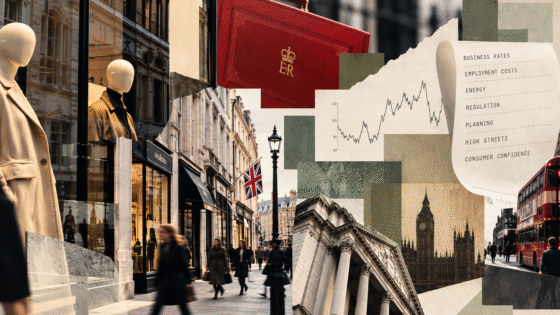
Central to the demands from retail leaders is a comprehensive overhaul of the business rates regime. For years, industry executives have argued that the current system penalizes physical stores, which are burdened with property-based taxes, while e-commerce giants often operate with a lighter physical footprint and, consequently, lower relative tax obligations.
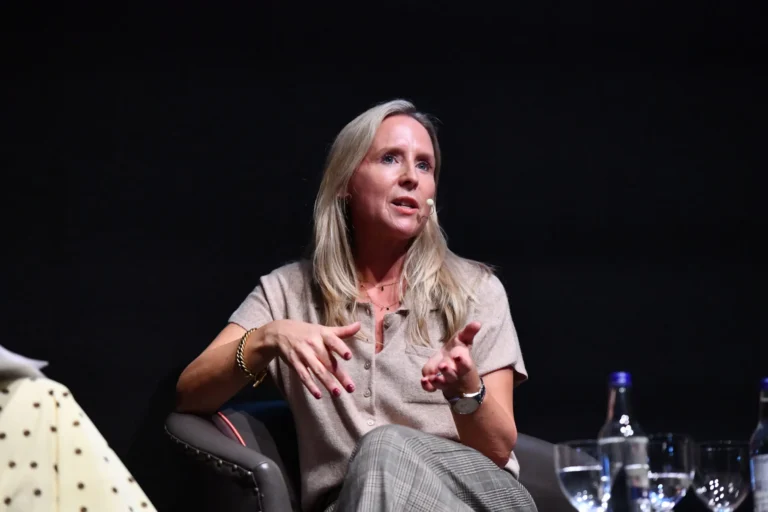
"The current tax system is an anachronism in a digital-first economy," noted one senior retail consultant. "Retailers are calling for a ‘Retail Rates Corrector’—a mechanism that would align the tax burden more closely with turnover rather than just the physical square footage of a store."
Furthermore, retailers are closely watching the government’s stance on National Insurance contributions and potential changes to the minimum wage trajectory. With labor costs representing a significant portion of operating expenditure for fashion retailers, any aggressive upward shift in employer costs without corresponding productivity offsets could trigger further store closures or a move toward automated, staff-light retail models.
Supporting Data and Market Analysis
Data from recent retail performance indicators suggests that the sector is at a tipping point. According to recent market reports, discretionary spending on apparel has seen a modest year-on-year growth, but this is largely attributed to price inflation rather than an increase in transaction volumes.
- Operating Margin Compression: Average operating margins for high-street fashion retailers have tightened by approximately 150 basis points over the last 18 months.
- The Cost of Compliance: Sustainability compliance costs are projected to increase by 5% to 8% annually as new ESG (Environmental, Social, and Governance) disclosure mandates come into full effect.
- Employment Trends: The retail sector remains one of the largest private-sector employers in the UK. However, data indicates a 3% decline in full-time retail roles over the past year, as companies pivot toward flexible, part-time contracts to manage wage bill volatility.
Perspectives from Key Industry Players
While individual retailers have refrained from commenting on specific legislative outcomes, the consensus among major chains like Primark and Superdry is that the government must provide a stable environment for investment.
For Primark, a brand defined by high-volume, value-driven sales, the priority lies in supply chain stability and customs facilitation. Any changes to trade agreements or the introduction of new import duties on textiles would have immediate and severe consequences for their pricing model.
Conversely, for brands like Superdry, which have navigated significant restructuring, the focus is on the tax incentives for "turnaround" capital expenditure. These companies are urging the Chancellor to implement tax credits that encourage the modernization of legacy retail estates, enabling them to invest in energy-efficient technology and omnichannel integration.
Implications for the High Street
The implications of the 28 October Budget extend far beyond corporate balance sheets. The health of the fashion retail sector is intrinsically linked to the vitality of the UK high street. Retail stores act as "anchor tenants" for town centers; their departure leads to a cycle of decline that impacts local hospitality, transport, and ancillary services.
If the Chancellor fails to address the competitive disadvantage faced by physical retailers, the trend of high-street attrition is expected to accelerate. Analysts suggest that a "wait and see" approach from the government could lead to a further 5-10% reduction in physical retail footprints over the next 24 months, as brands accelerate their shift to "digital-only" or "concession-led" strategies.
Legislative Analysis: The Path Forward
Economists suggest that John Healey has limited room for maneuver. To deliver a pro-growth Budget, he may consider targeted tax relief for small-to-medium-sized enterprises (SMEs) in the retail space, or a temporary freeze on business rate multipliers. However, such measures would require offsetting revenue elsewhere, potentially through increased taxes on digital services or high-margin luxury goods.
The government’s response to these industry demands will likely be shaped by the "Growth and Productivity" mandate. If the Treasury concludes that the retail sector can achieve efficiency gains through technological adoption, the Budget might prioritize grants for digital transformation rather than direct tax cuts.
Conclusion: A Defining Moment
As 28 October approaches, the fashion retail sector finds itself in a state of cautious anticipation. The industry is not asking for a bailout, but rather for a fiscal framework that acknowledges the structural changes in how people buy and sell clothes. The decisions made in the upcoming Budget will determine whether the UK remains a competitive market for global retail investment or if it will continue to see the erosion of its traditional high-street identity.
For investors, policymakers, and consumers alike, the Budget will serve as a bellwether for the broader economic strategy of the current administration. Whether through rate reform, labor market policy, or trade facilitation, the actions taken in this fiscal session will set the trajectory for the industry for the remainder of the decade. The fashion sector stands ready to contribute to the UK’s economic growth, but, as industry leaders have repeatedly emphasized, they require the fiscal environment to do so effectively.