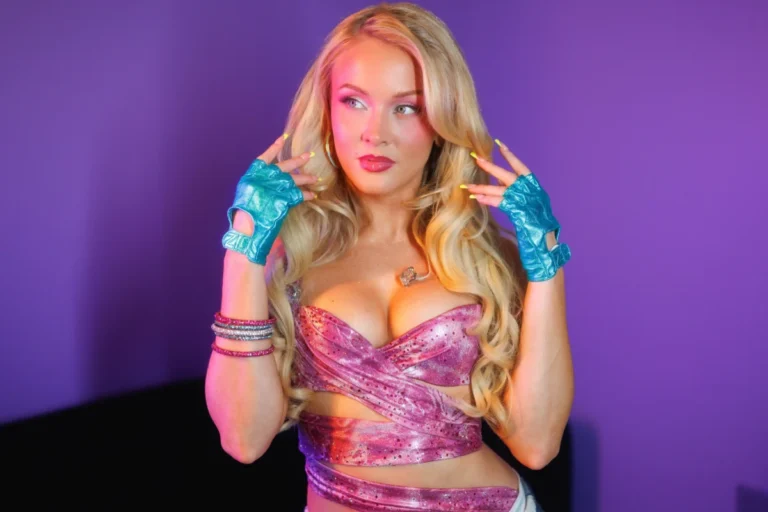


The year is 2026, and the fashion and beauty landscapes are in a constant state of evolution. Yet, amidst the forward-thinking trends that define contemporary aesthetics, a potent wave of nostalgia is undeniably reshaping our sartorial choices. Swedish pop sensation Zara Larsson, a prominent figure in the global music scene, recently underscored this enduring appeal of the early 2000s with her striking appearance at Radio 1’s Big Weekend in England. Her chosen manicure, a meticulously executed French tip with unmistakable Y2K undertones, signals a robust resurgence of this iconic aesthetic, suggesting that the embrace of early aughts beauty is far from over. Larsson’s decision to champion this classic style, with a contemporary twist, positions the Y2K revival as a dominant force in 2026 beauty trends.
A Nod to the Turn of the Millennium: Larsson’s Signature Mani
The "Midnight Sun" singer, known for her dynamic stage presence and evolving style, graced the stage at Radio 1’s Big Weekend, an annual music festival organized by the BBC, with a manicure that immediately captured attention. Her signature look for the event featured a classic French manicure, a style that has maintained its cult status through decades of changing trends. However, Larsson’s interpretation injected a distinct Y2K flair. Her nails were sculpted into a modern square shape, elongated and polished with a thick, crisp white tip contrasted against a soft, milky pink base. This specific silhouette and coloring strongly evoke the French manicures popular during the late 1990s and early 2000s, a period often referred to as the Y2K era. This era was characterized by a distinct aesthetic that blended futuristic optimism with a playful, often glamorous sensibility.
What further distinguished Larsson’s manicure was the subtle detailing of the white tip. Instead of a straightforward horizontal line or a perfectly rounded curve, she opted for a delicate "V" shape at the apex of each nail. This nuanced design element, while understated, adds a contemporary edge to the otherwise retro-inspired look, demonstrating a sophisticated understanding of how to update classic styles for a modern audience. This type of detail is indicative of a broader trend where vintage aesthetics are not merely replicated but reinterpreted with current sensibilities.
The Enduring Appeal of the French Manicure: A Timeless Classic
The French manicure, in its various iterations, has long been recognized as a staple in the world of nail artistry. Its inherent versatility and universally flattering aesthetic have cemented its status as a "forever classic." This enduring appeal is not merely anecdotal; it is reflected in its consistent presence in celebrity style, high fashion, and everyday beauty routines. Figures such as Ariana Grande and Demi Lovato, alongside Zara Larsson, are consistent proponents of the French manicure, demonstrating its broad appeal across different musical genres and personal styles.
The historical trajectory of the French manicure is noteworthy. As previously reported by Allure, the style is believed to have originated in 1975, created by Jeff Pink, the founder of Orly, for Hollywood filmmakers seeking a versatile nail look that would complement a variety of costumes. Its popularity surged through the 1980s and 1990s, becoming synonymous with polished and sophisticated aesthetics. While the rise of intricate nail art in the 2010s saw a temporary dip in the French manicure’s prominence, its inherent adaptability ensured its eventual return to the forefront of beauty trends.
Manicurist Miss Pop, a respected figure in the nail industry, has articulated the enduring allure of the French manicure, stating, "When I was a kid, I spent every waking minute trying to figure out how to do a French manicure. I’ve spent so much of my career reimagining it—it’s hard not to. It’s the most natural shape you can possibly do." This sentiment highlights the fundamental elegance of the design, which mimics the natural appearance of a healthy nail. Furthermore, the French manicure’s inherent customizability allows for endless creative expression. Variations can include changes in the color of the tip, the addition of different textures, the embellishment of the tip with rhinestones, or the exploration of unconventional shapes. Larsson’s choice, however, leans into the pure, unadulterated classicism of the original, celebrating its "old-school goodness" as a statement in itself.
Radio 1’s Big Weekend: A Platform for Cultural Trends
Radio 1’s Big Weekend is one of the United Kingdom’s largest free music festivals, attracting hundreds of thousands of music lovers annually and featuring a diverse lineup of global and local artists. Held in various locations across the UK, the festival serves as a significant cultural event, often setting trends and reflecting prevailing youth culture. The 2026 iteration, hosted in England, provided a prominent stage for artists to showcase their personal style and for emerging beauty trends to gain visibility. Larsson’s participation in this high-profile event amplified the impact of her fashion and beauty choices, reaching a vast audience of fans and media.

The festival’s programming typically spans multiple days and genres, drawing in a demographic that is highly engaged with contemporary culture, including fashion and beauty. Artists performing at Big Weekend are often seen as style influencers, and their on-stage appearances are closely scrutinized. Larsson’s Y2K-inspired manicure, therefore, was not just a personal style choice but a public declaration of a trending aesthetic. The event’s broad reach and diverse audience make it a powerful platform for the dissemination of style narratives, and Larsson’s retro-chic nails quickly became a talking point.
A Harmonious Pairing: Y2K Nails and Vibrant Makeup
Complementing her nostalgic nail art, Zara Larsson also made a statement with her vibrant and playful eye makeup, a signature element of her glamorous aesthetic. Working once again with makeup artist Sophia Sinot, Larsson sported a bold look that further reinforced the Y2K theme. Sinot applied a striking turquoise shade to the inner corners of Larsson’s eyes, artfully blending it into a vivid party-girl pink that extended across the entire lid. The look was then elevated with the liberal application of rhinestones, adding a touch of sparkle and opulence characteristic of early 2000s beauty.
This bold makeup choice aligns with a broader sentiment expressed in the beauty industry for a "fun" makeup revival. The embrace of playful colors, frosted finishes, and glittering accents harks back to the experimental and uninhibited beauty trends of the Y2K era. Larsson’s recent dalliance with body glitter tattoos, for instance, further illustrates her commitment to this revival. The combination of her retro French manicure and her dazzling, colorful eye makeup created a cohesive and impactful aesthetic that celebrated the joyous and expressive spirit of the early 2000s. This approach suggests a growing desire among consumers and influencers to move away from more minimalist trends towards looks that are overtly creative and celebratory.
Data-Driven Trends: The Resurgence of Y2K Aesthetics
The influence of the Y2K aesthetic on current trends is not merely anecdotal. Data from various fashion and beauty platforms indicates a significant uptick in searches and engagement related to early 2000s styles. For example, social media analytics reveal a surge in hashtags like #Y2Kfashion, #2000sstyle, and #Y2Knails, with user-generated content and influencer posts driving significant visibility. Retail data also supports this trend, showing increased sales of clothing items, accessories, and beauty products that draw inspiration from this era.
Furthermore, trend forecasting agencies have identified the Y2K revival as a dominant force in fashion and beauty for the current year and beyond. Reports from these agencies often cite the cyclical nature of fashion, with trends typically returning every 20 to 30 years. The early 2000s, falling squarely within this timeframe, are therefore ripe for rediscovery and reinterpretation. The appeal of Y2K fashion and beauty lies in its blend of nostalgia, optimism, and a certain playful extravagance that resonates with a generation seeking comfort and escapism in familiar aesthetics. Zara Larsson’s adoption of these trends, particularly on a public platform like Radio 1’s Big Weekend, serves to validate and amplify these emerging patterns, solidifying their place in the broader cultural conversation.
Broader Implications: Nostalgia as a Driving Force in Contemporary Culture
The widespread embrace of Y2K aesthetics, as exemplified by Zara Larsson’s recent style choices, reflects a broader cultural phenomenon. The persistent appeal of nostalgia in fashion and beauty can be attributed to several factors. For younger generations, Y2K represents a nostalgic ideal of a pre-digital or early-digital age, often perceived as simpler and more optimistic. For those who lived through the era, it evokes personal memories and a sense of comfort.
In the context of 2026, this trend also signifies a departure from the more subdued and minimalist aesthetics that have dominated previous years. The return of bold colors, playful designs, and maximalist elements suggests a collective desire for joy, self-expression, and a break from the uncertainties of the contemporary world. The fashion and beauty industries, always attuned to cultural shifts, are capitalizing on this sentiment by reintroducing and reimagining elements from the Y2K era. This includes everything from low-rise jeans and butterfly motifs to frosted eyeshadow and, of course, the classic French manicure with a modern twist.
The implications of this trend extend beyond personal style. It influences product development, marketing strategies, and even the curation of cultural events. As more influential figures like Zara Larsson embrace these nostalgic elements, their widespread adoption becomes more likely, further embedding the Y2K revival into the mainstream. This cyclical nature of trends, driven by a combination of historical reference, evolving tastes, and cultural sentiment, ensures that the fashion and beauty landscapes remain dynamic and engaging. The enduring power of the French manicure, particularly when reimagined with a nod to its Y2K roots, stands as a testament to the timeless appeal of classic styles and the potent influence of nostalgia in shaping contemporary aesthetics.