











Clothes moths (primarily Tineola bisselliella, the webbing clothes moth, and Tinea pellionella, the case-bearing clothes moth) represent a pervasive and often underestimated threat to textile collections worldwide. These insidious pests are responsible for millions of dollars in annual damage to wardrobes, heirlooms, historical artifacts, and natural fiber furnishings, necessitating a strategic, multi-faceted approach for effective management and long-term prevention. The challenge lies not only in their destructive feeding habits but also in their secretive nature, often allowing infestations to become severe before detection.
The Silent Threat: Understanding Clothes Moths
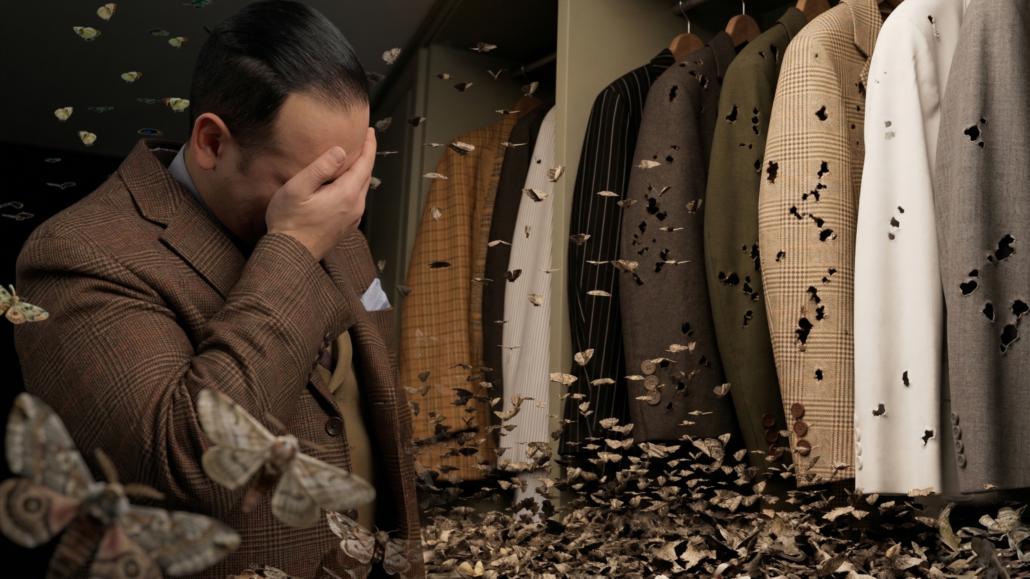
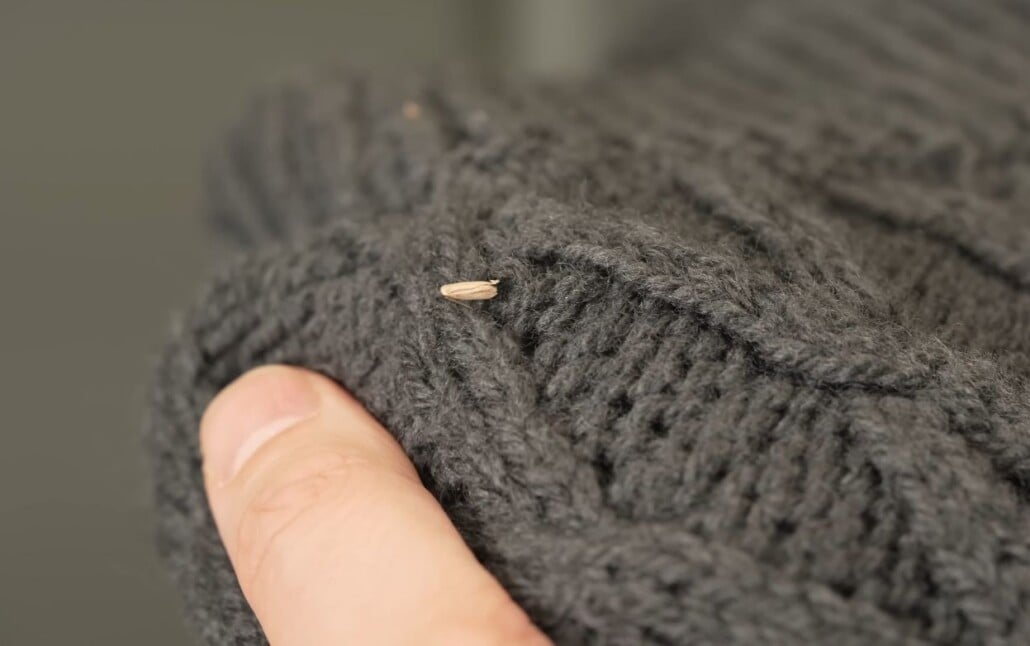
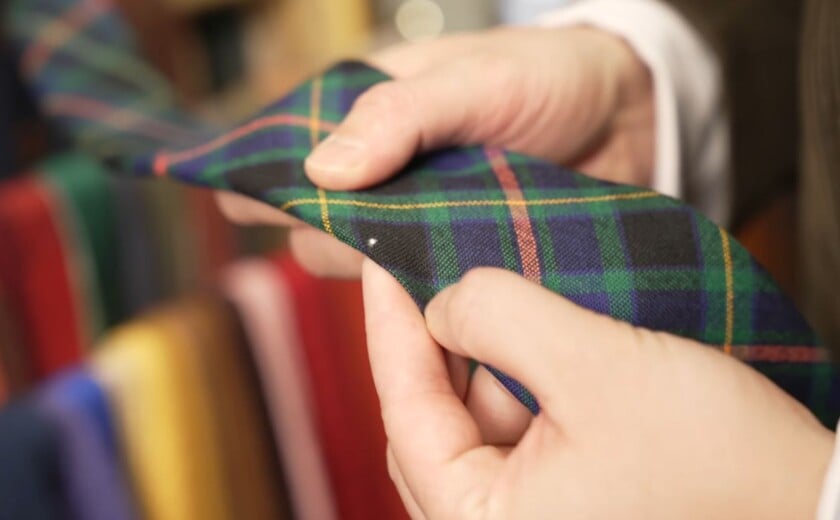
Unlike many common household moths that are drawn to light, clothes moths are lucifugous, meaning they actively shun illumination. They thrive in dark, undisturbed environments, making closets, attics, and storage areas ideal breeding grounds. The adult moths, which are typically small (6-8mm wingspan) and dull gold or buff-colored, do not feed. Their sole purpose is reproduction. It is the larval stage, characterized by creamy-white caterpillars, that consumes keratin, the protein found in animal fibers such as wool, cashmere, silk, fur, feathers, and felt. A single female moth can lay up to 200 eggs over her lifespan, with larvae hatching within 4-10 days under optimal conditions. These larvae can then feed for several weeks or even months, growing up to 1/2 inch in length, before pupating and emerging as new adults, perpetuating a destructive cycle.
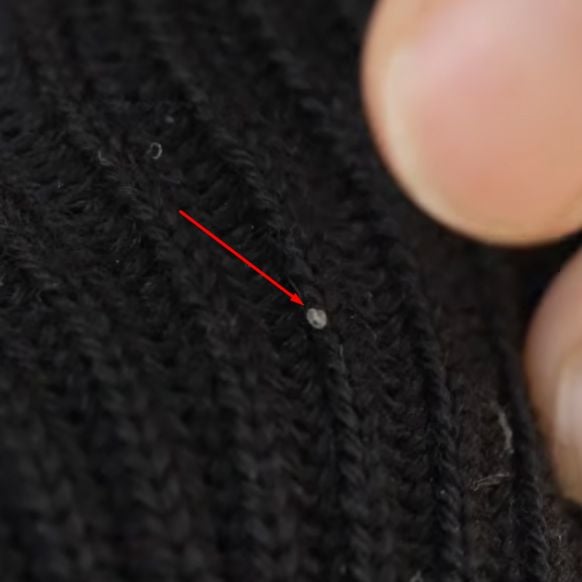
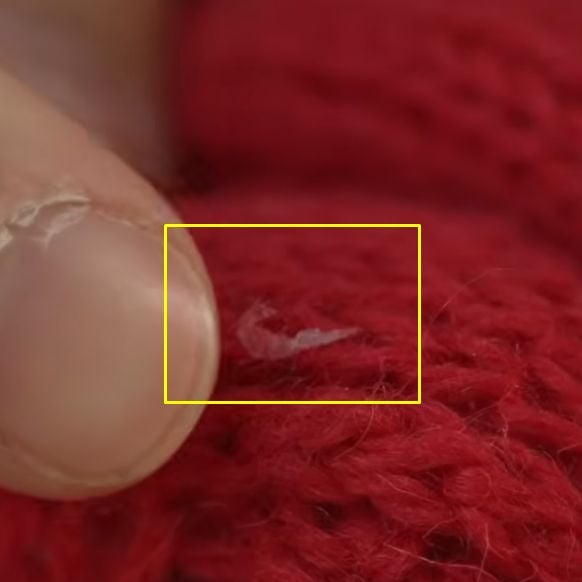
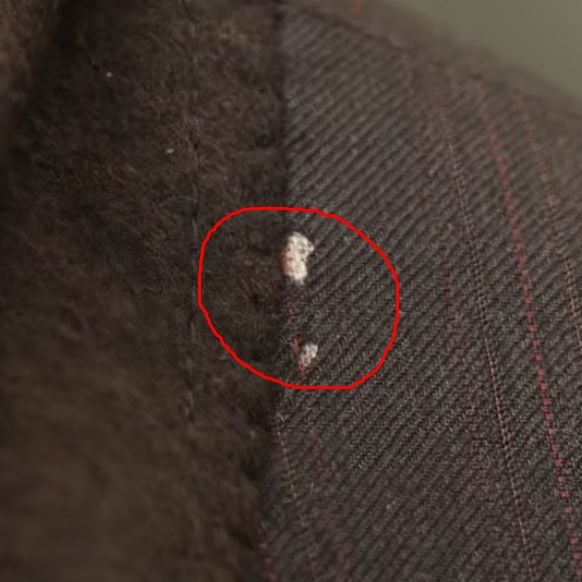
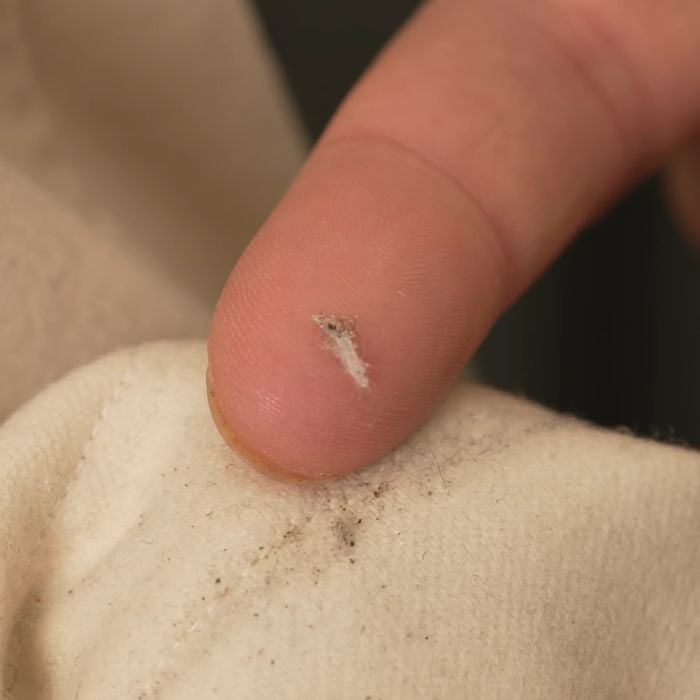
The discovery of an infestation often begins subtly. One homeowner recounted the initial sighting of a small white larva on upholstery, initially dismissed as an isolated incident. This common initial denial quickly gave way to the realization of a full-blown infestation after observing adult moths flying in undisturbed areas of the home. Early signs of damage include irregular holes in garments, particularly in less frequently worn items, and the presence of silken webbing, cocoons, or a powdery residue in affected areas. These indicators confirm larval activity, often long after the eggs were laid and the initial damage began.
Beyond the Wardrobe: Unseen Breeding Grounds
A critical misconception is that clothes moth infestations are confined solely to closets. Entomological studies confirm that these pests are opportunistic scavengers, driven by a biological imperative to find keratin. This means they make no distinction between a finely tailored suit, a vintage Persian rug, or the felt hammers inside a grand piano. Once established, they readily migrate to any location offering a suitable food source and the preferred dark, undisturbed conditions.
Investigations into household infestations frequently reveal extensive damage in unexpected places. Common hidden breeding grounds include:
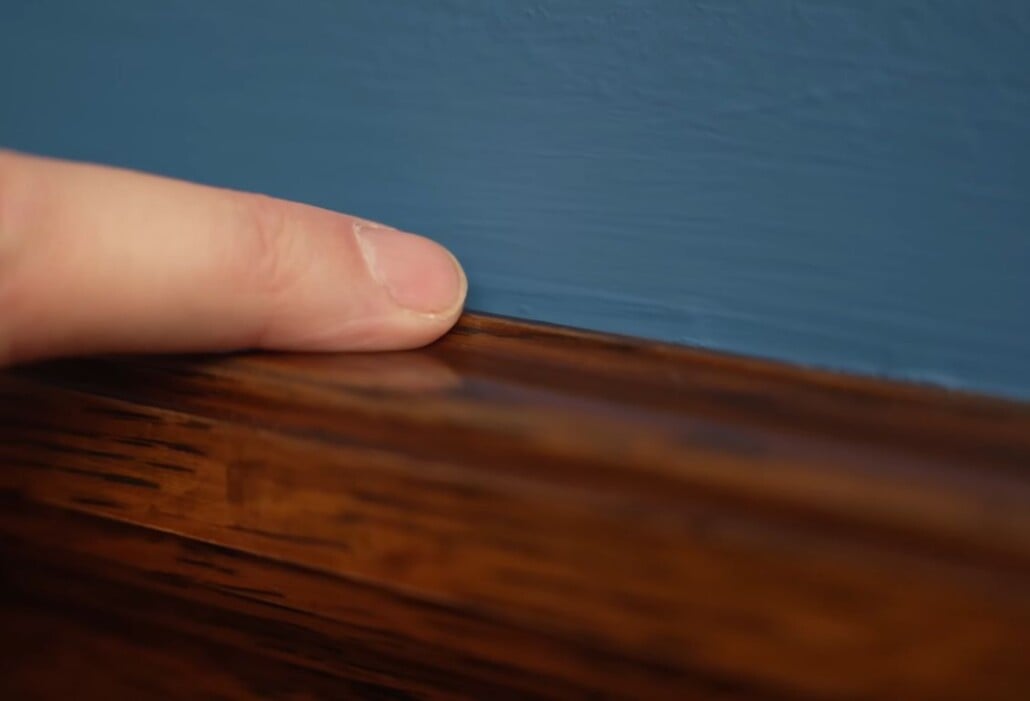
- Wool Rugs and Carpets: Especially areas beneath furniture or along baseboards where dust and debris accumulate.
- Upholstered Furniture: The underside, crevices, and padding, particularly if made with natural fibers like wool or horsehair.
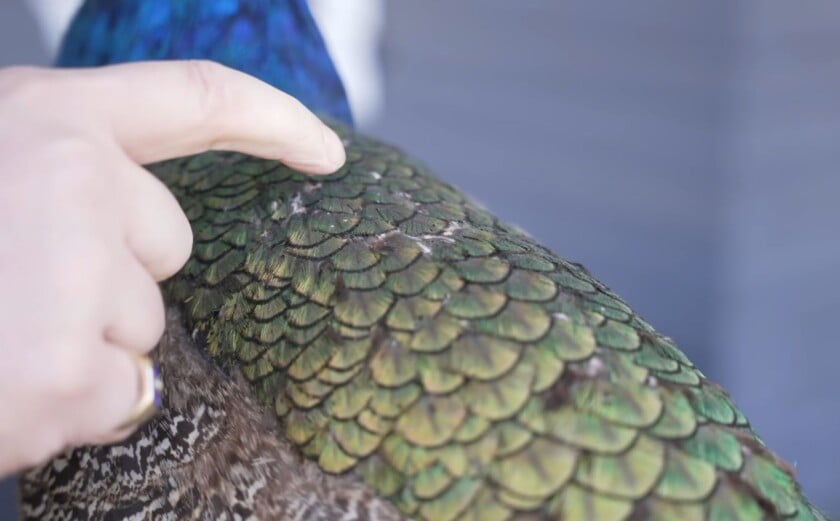
- Taxidermy: Feathers, fur, and hides provide a rich keratin source.
- Pianos: The high-quality wool felt used in hammers is highly susceptible. A single infestation can lead to significant repair costs, often exceeding the value of multiple garments.
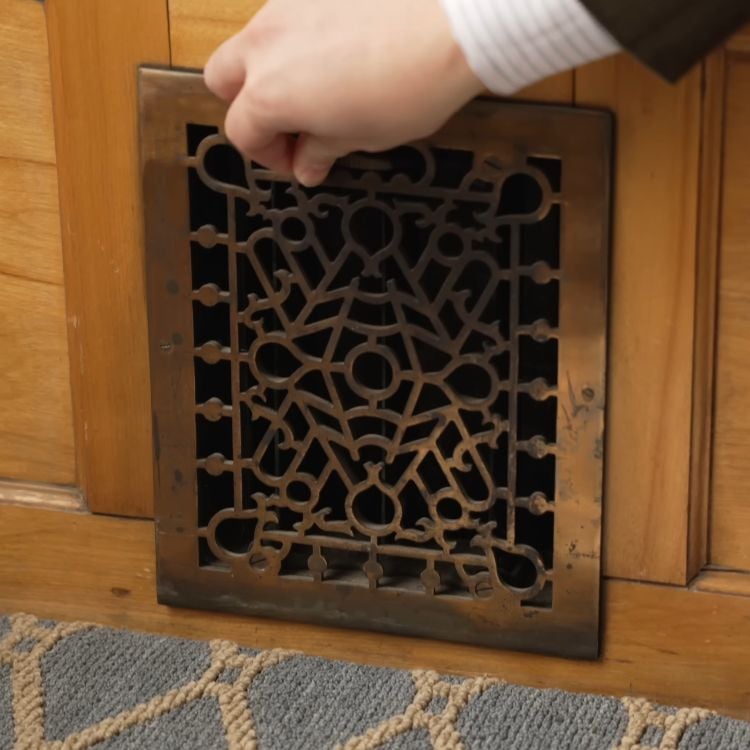
- HVAC Ductwork: Accumulated dust, lint, and pet hair within ducts can create an ideal, dark breeding environment.
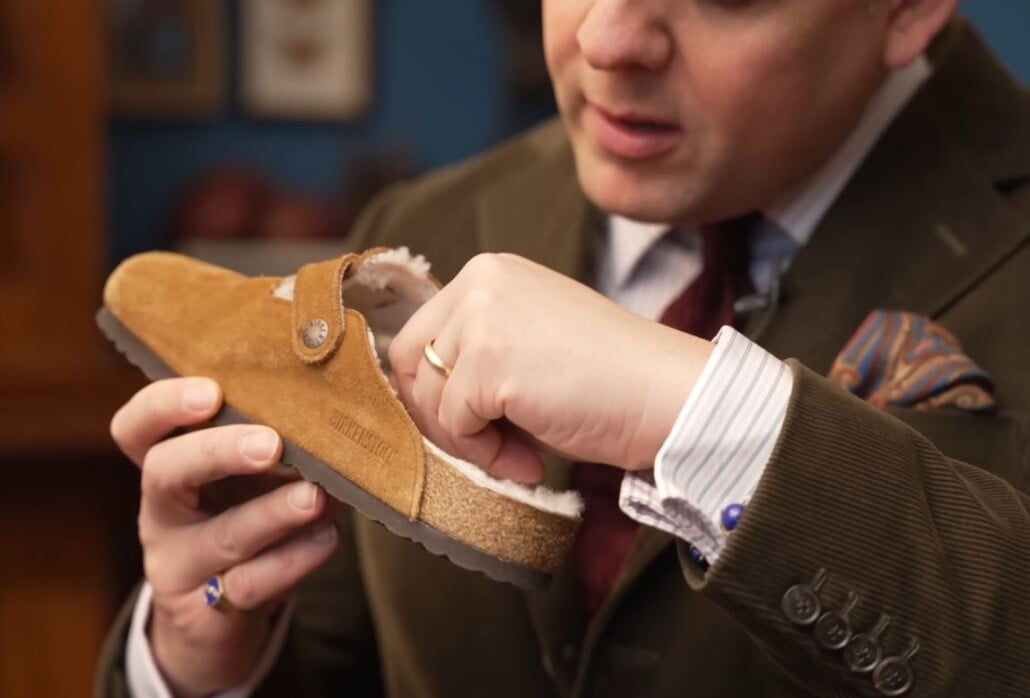
- Shearling-lined Slippers and Boots: Stored in dark closets, these often-forgotten items offer a readily available food source.
- Attics and Basements: Stored blankets, antique textiles, or even animal nests can harbor infestations.
- Lint Traps and Dust Accumulations: Anywhere human or pet hair gathers can provide sustenance.
The realization that an entire home, rather than just a single wardrobe, is vulnerable can be overwhelming. This widespread potential for infestation underscores the inadequacy of localized treatment methods.
The Limitations of Conventional Remedies
In the initial stages of battling an infestation, many individuals turn to widely circulated home remedies, often finding them to be ineffective against a pervasive problem. A critical analysis of these common approaches reveals their shortcomings:
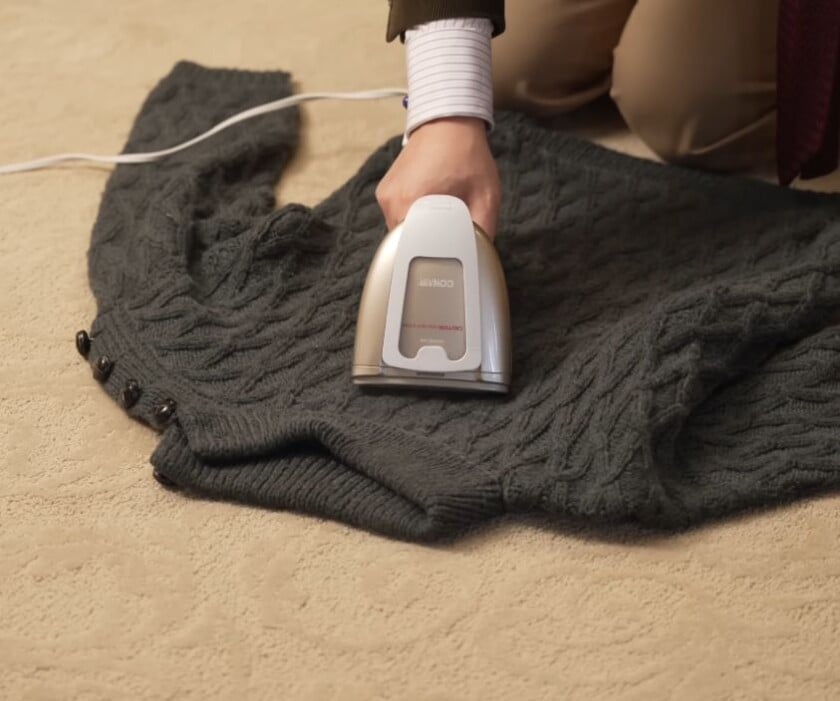
- Vodka Sprays and Steamers: While alcohol can kill some surface larvae on contact and high heat from steaming can be lethal, these methods are superficial. They cannot guarantee penetration into deep fabric folds, interlinings, or hidden crevices where eggs and larvae reside. The sheer volume of garments in an extensive wardrobe makes steaming an impractical, time-consuming, and often incomplete solution.
- Cedar and Lavender: The notion that the strong aromas of cedar blocks or lavender sachets deter moths is a popular one. While these natural oils may act as mild repellents in very high concentrations within airtight environments, they do not kill existing eggs or larvae. In an open closet, the vapors quickly dissipate, rendering them largely ineffective. At best, they might encourage moths to simply relocate to other parts of the house where the scent is less potent, rather than eradicating the problem.
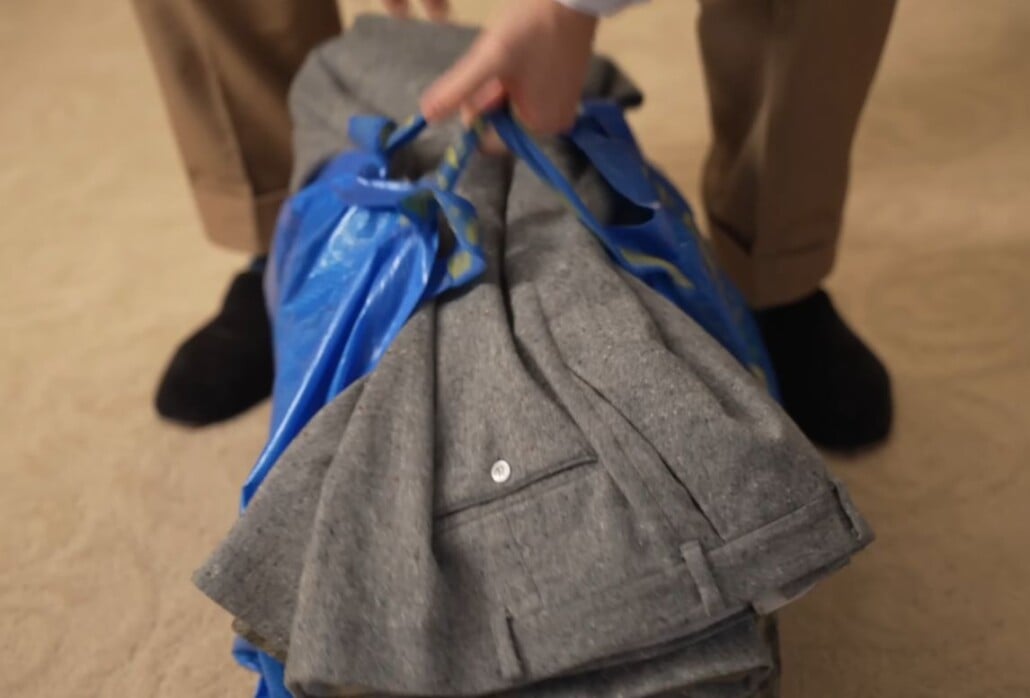
- Freezing Method: Extreme cold can effectively kill moth eggs and larvae. For individual garments, sealing them in plastic bags and freezing them at 0°F (-18°C) for at least 72 hours (with some experts recommending up to two weeks for thicker items) can be successful. However, for a whole-house infestation, the freezing method presents significant logistical challenges. The limited capacity of household freezers, combined with the extended freezing time required for each batch of items, means that while some garments are being treated, moths continue to breed and spread in untreated areas. This makes it an impractical solution for widespread problems.
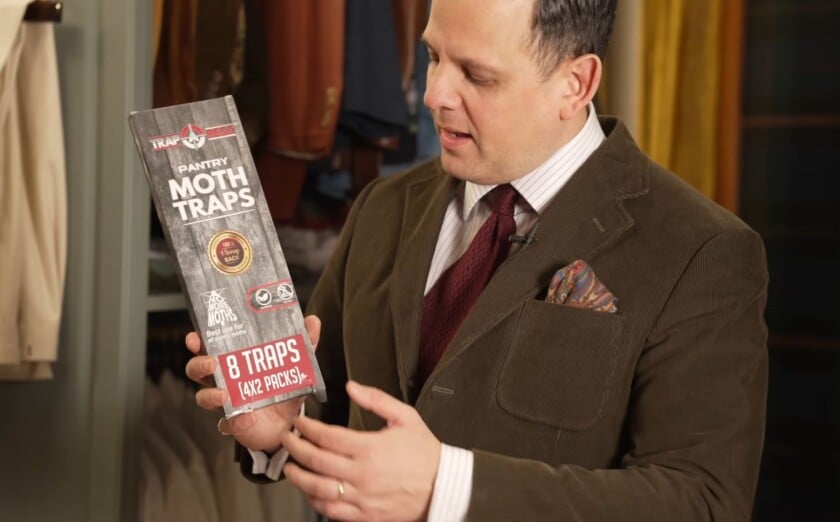
- Pheromone Glue Traps: Marketed as a solution, these traps often lead to a false sense of security. They are designed to attract and trap male adult clothes moths, using pheromones mimicking female moths. While they can serve as excellent monitoring tools to confirm the presence of clothes moths and identify active areas, they are largely ineffective for eradication. By the time a male moth is caught, it has likely already mated, and countless eggs have been laid. These traps do nothing to interrupt the egg-laying cycle or eliminate the destructive larvae. Moreover, it is crucial to use species-specific traps; pantry moth traps will not attract clothes moths.
- Whole-House Heating Strategy: The idea of heating a house to extreme temperatures (above 130°F or 54°C) to "bake" pests to death is a method sometimes used by professional exterminators for certain insect infestations. However, attempting this without professional equipment and expertise carries significant risks. Rapid and extreme temperature changes can cause substantial structural damage to a home, leading to peeling wallpaper, warped wood, and compromised structural integrity. The potential cost of repairs far outweighs the benefit of DIY heat treatment for moths.
- Mothballs: These are registered pesticides containing naphthalene or paradichlorobenzene. While effective in airtight containers where the toxic vapors can concentrate sufficiently to kill larvae, they are hazardous. The strong, persistent odor is notoriously difficult to remove from fabrics, and prolonged exposure to these chemicals can cause respiratory irritation and other health issues. In open closets, the vapors dissipate, making them ineffective and still potentially harmful. Modern pest management generally advises against their use due to safety and aesthetic concerns.
The Breakthrough: Biological Control with Parasitic Wasps
When conventional and DIY methods prove insufficient for widespread or persistent clothes moth infestations, a highly effective and environmentally friendly solution emerges: biological control using parasitic wasps, specifically Trichogramma species. This method, rooted in entomological science, represents a paradigm shift from reactive pest management to proactive biological intervention.
Trichogramma wasps are microscopic insects, typically less than 0.5 millimeters long, making them practically invisible to the naked eye. Crucially, they pose no threat to humans or pets; they do not sting, bite, or carry diseases. Their entire life cycle is dedicated to a singular biological purpose: parasitizing the eggs of various pest insects, including clothes moths.
How Biological Control Eradicates Moth Larvae
The mechanism of Trichogramma wasps is remarkably efficient. Once released into an infested environment, these tiny wasps actively seek out moth eggs. Upon locating an egg, the female wasp lays one of her own eggs inside the moth egg. The wasp larva then develops within the moth egg, consuming the moth embryo and preventing it from hatching. Instead of a destructive moth larva emerging, a new, beneficial Trichogramma wasp emerges to continue the cycle, hunting for more moth eggs.
This biological control method offers several distinct advantages:

- Targeted Eradication: Trichogramma wasps actively hunt down moth eggs no matter where they are hidden – deep within upholstery, behind baseboards, in HVAC ducts, or within the intricate folds of garments. Their small size allows them to access crevices and undisturbed areas that are impossible to reach with sprays or cleaning tools.
- Breaks the Life Cycle: By destroying the moth egg, the wasps prevent the destructive larval stage from ever developing, thus stopping the damage before it starts. This targets the root of the problem, rather than merely addressing adult moths or surface larvae.
- Environmentally Safe: As a natural predator, Trichogramma wasps are non-toxic, chemical-free, and pose no risk to the indoor environment, human health, or pets.
- Zero Cleanup: The wasps have very short lifespans (typically less than two weeks). Once they complete their task, their minuscule remains simply turn to dust, which is easily removed during routine cleaning and vacuuming. There is no residue, odor, or lingering chemical presence.
Strategic Deployment of Trichogramma Wasps
Implementing a successful Trichogramma wasp program requires understanding their life cycle and ensuring consistent deployment. Reputable biological control suppliers, such as Arbico Organics, provide these wasps in various forms, most commonly as microscopic eggs adhered to small paper strips or tabs.
The deployment process is straightforward:
- Acquisition: Order the wasps from a specialized supplier. Due to their nature as live organisms, there is typically a lead time for shipping, making immediate ordering upon detection crucial.
- Placement: Place the paper strips or tabs in areas identified with moth activity. This includes closets, drawers, near upholstered furniture, rugs, taxidermy, and any other suspected breeding grounds. Strategic placement ensures the wasps are released directly into the problematic zones.
- Dosage and Coverage: Suppliers often recommend a certain number of wasps per square footage. For example, a single tab containing approximately 10,000 wasp eggs might cover 3,000 square feet. For a severe or widespread infestation, it is advisable to err on the side of caution and deploy more wasps than the minimum recommendation to ensure comprehensive coverage.
- Consistent Application: Because moth eggs hatch in stages and the wasps have a short lifespan, a single application is usually insufficient. A sustained attack is necessary to break the entire life cycle. This typically involves placing new strips of wasp eggs weekly, every 10 days, or every two weeks, for a period of several weeks or months, depending on the severity of the infestation and environmental conditions. This "Netflix subscription" approach to moth prevention ensures continuous suppression of new generations.
Fortifying Defenses: Long-Term Prevention Protocols
While parasitic wasps are highly effective at clearing an active infestation, permanent victory requires transitioning from active battle to a fortified, ongoing defense. Moths are opportunistic and can easily be reintroduced into a home through open windows, secondhand items, or even hitching a ride on clothing. Therefore, integrating consistent preventative measures into daily and seasonal routines is paramount.
1. Regular Garment Care: Brushing After Every Wear
One of the simplest yet most effective preventative measures is the regular brushing of natural fiber garments. Moth eggs are loosely attached to fabric fibers. A vigorous brushing with a high-quality clothes brush after every wear physically dislodges and destroys any microscopic eggs or nascent larvae that may have been picked up or laid. This also removes dust, lint, and skin cells, which can attract moths. This practice is particularly crucial for items like wool suits, cashmere sweaters, and overcoats before they are returned to the closet.
2. Optimal Storage Solutions: Breathable Garment Bags
For seasonal items or valuable pieces, physical barriers are essential. However, the common practice of storing clothes in thin plastic dry cleaner bags is detrimental. Plastic traps moisture, leading to fabric degradation, mildew, yellowing, and an environment conducive to pests. Instead, invest in high-quality, breathable garment bags made from cotton, linen, or non-woven polypropylene. These materials allow air circulation, protecting the fabric while creating a physical mesh barrier that female moths cannot penetrate to lay eggs. Vacuum-sealed storage bags can also be effective for long-term storage of thoroughly cleaned items, provided they are truly airtight.
3. Environmental Control and Housekeeping
Maintaining a clean household environment significantly reduces moth appeal.
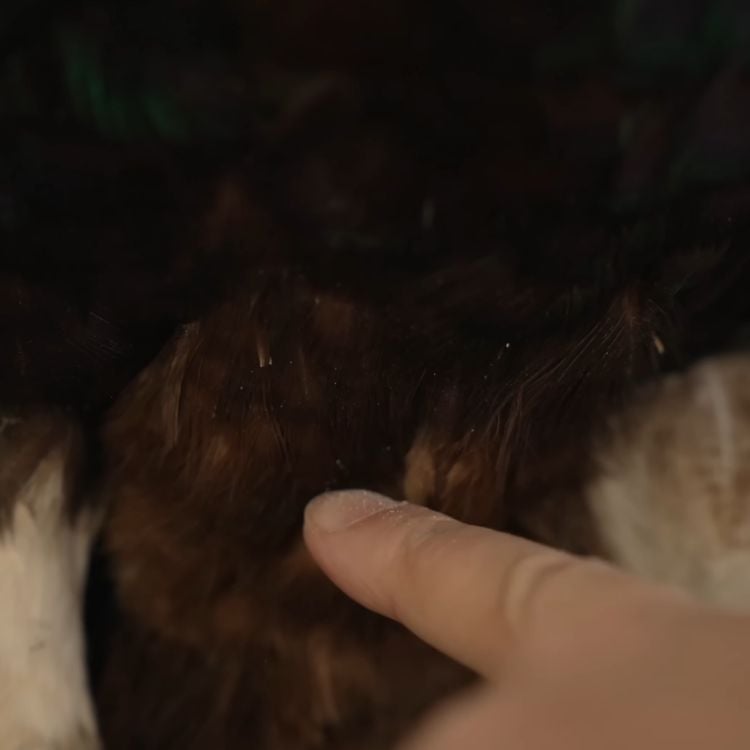
- Regular Vacuuming: Focus on carpets, rugs, and especially the often-overlooked crevices where floors meet walls, under heavy furniture, and in corners where dust and debris accumulate. Empty the vacuum canister outside the house immediately after use to prevent re-releasing any collected eggs or larvae.
- Dusting: Thoroughly dust all surfaces, including shelves, baseboards, and the tops of furniture.
- Temperature and Humidity Control: Clothes moths thrive in moderate temperatures and higher humidity. Maintaining a consistent, drier environment (below 50% humidity) can make the home less hospitable.
- Inspection of Non-Clothing Items: Periodically inspect all natural fiber items in the home, including wool blankets, antique textiles, felt hats, and decorative items.
4. Continuous Vigilance and Monitoring
Even after an infestation is eradicated, continuous monitoring is crucial. Clothes moth-specific pheromone traps, while not an eradication tool, are invaluable for early detection of any new moth activity. Placing these traps strategically in different rooms and checking them regularly can alert homeowners to the presence of new moths before a full-blown infestation takes hold.
5. Professional Consultation
For severe or persistent infestations, or in cases involving valuable antique textiles or large-scale collections, consulting with a professional pest control specialist or a textile conservator is advisable. These experts can provide tailored advice, implement specialized treatments, and assist in developing a long-term preservation plan.
Economic and Cultural Implications
The economic impact of clothes moth infestations is substantial. Damage to high-quality garments, bespoke tailoring, and luxury textiles can quickly accrue to thousands of dollars in replacement or repair costs. Beyond personal wardrobes, museums, historical societies, and antique dealers face ongoing battles to protect valuable collections, where a single infestation could compromise irreplaceable artifacts. The adoption of integrated pest management strategies, including biological controls, is increasingly vital for both private citizens and institutional custodians of our textile heritage.
Conclusion
The battle against clothes moths is a persistent one, but it is winnable with a strategic, scientifically informed approach. The journey from initial denial to a comprehensive eradication strategy, often involving a shift away from conventional, ineffective remedies, highlights the need for effective solutions. While initial attempts with vodka sprays, steamers, cedar blocks, and even freezing methods often fall short due to issues of scale and efficacy, the introduction of biological controls like Trichogramma wasps offers a potent, eco-friendly solution that targets the moth life cycle at its most vulnerable point.

Coupled with diligent preventative measures—such as regular garment brushing, proper storage in breathable bags, and consistent environmental hygiene—a home can remain free from these destructive pests. The investment in these methods, whether through a "subscription" to parasitic wasps or the mindful maintenance of a wardrobe, is a small price to pay to protect textiles that represent significant financial, aesthetic, and sentimental value. This proactive, scientific approach ensures that valuable collections will endure for generations to come.
Frequently Asked Questions
Where do clothes moths come from?
Clothes moths are typically drawn to dark, quiet areas rich in natural fibers, lint, dust, and organic debris. They can enter homes through open windows, on secondhand items like rugs or clothing, or even from birds’ nests or animal carcasses in attics or chimneys. Once inside, they seek out undisturbed locations such as closets, drawers, storage boxes, rugs, upholstery, and even unexpected places like taxidermy, felt hats, or piano mechanisms.
What are the most common clothes moth species?
The two most common species known for damaging fabrics are the webbing clothes moth (Tineola bisselliella) and the case-bearing clothes moth (Tinea pellionella). Both species feed on keratin-rich materials during their larval stage, causing characteristic holes and webbing in textiles.
What do clothes moth larvae actually eat?
It is exclusively the larvae that cause damage. They feed on keratin, a protein found in animal-based fibers. This includes wool, cashmere, silk, fur, felt, and feathers. They are also attracted to human and pet hair, dander, and other organic debris, which often accumulate in undisturbed areas.
Do I need to wash all my clothes if I have moths?
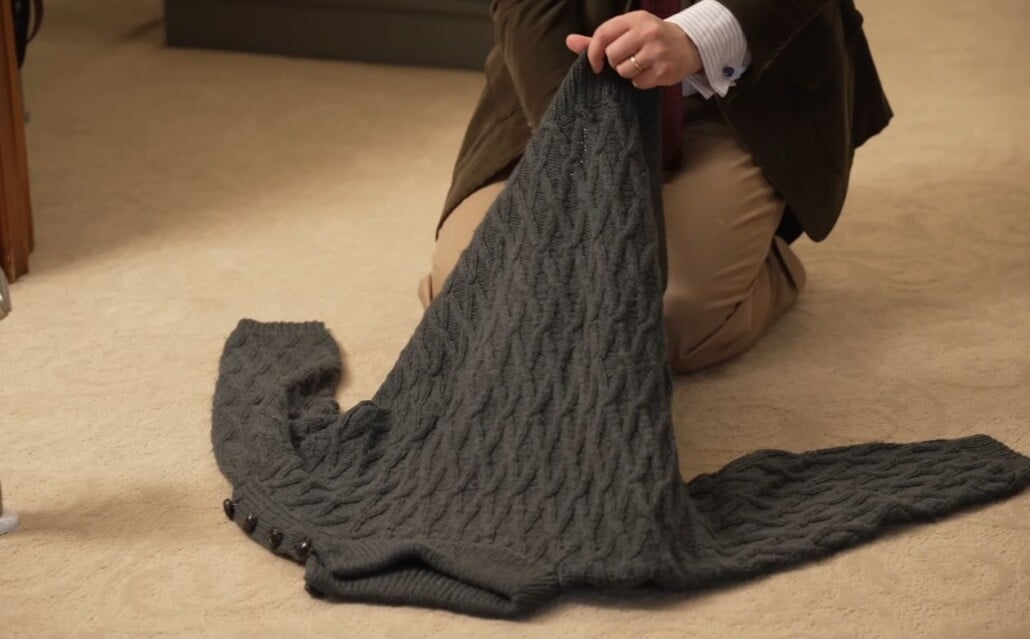
Any garment containing animal fibers (wool, silk, cashmere, fur) that has been exposed to the infestation should be treated. This is because moth eggs and early-stage larvae are microscopic and can be invisible until damage becomes apparent. Effective treatments include dry cleaning, laundering in hot water (at least 120°F or 49°C) for 20-30 minutes, or freezing garments at 0°F (-18°C) for several days. Vigorous physical brushing can also dislodge eggs and small larvae from items that cannot be washed or frozen.
Are mothballs safe or toxic?
Mothballs are registered pesticides and should be handled with extreme caution. They typically contain naphthalene or paradichlorobenzene, which sublimate into toxic gases. While they can kill larvae in truly airtight containers where gas concentration is high, they are often ineffective in open closets where the vapors dissipate. Furthermore, their strong odor is difficult to remove from fabrics and the chemicals can cause respiratory irritation or more serious health issues with prolonged exposure. Modern pest management generally advises against their use.
Do cedar blocks or cedar hangers really work?
Cedar wood contains natural oils that can act as a mild deterrent to clothes moths, but its effectiveness is limited. For cedar to have any significant impact, the scent must be highly concentrated in an airtight environment. In open closets, the vapors quickly dissipate, making them largely ineffective at killing moths or preventing infestations. At best, cedar may discourage moths from settling in a new area but will not eradicate an existing problem; moths may simply relocate.
Can freezing clothes kill moths?
Yes, freezing is an effective method for killing clothes moth eggs and larvae on individual garments. Items should be sealed in plastic bags and placed in a freezer at 0°F (-18°C) for a minimum of 72 hours, though longer periods (up to two weeks for thick items) are often recommended for complete eradication. The primary limitation of freezing is its impracticality for treating an entire wardrobe or a widespread household infestation due to freezer capacity and the time required for each batch.
What is the best way to get rid of clothes moths permanently?
The most effective long-term solution involves a multi-pronged approach: thorough cleaning and treatment of all affected and potentially affected items (e.g., dry cleaning, washing, freezing), combined with a biological control method like parasitic wasps to actively eliminate eggs throughout the home. This should be supported by ongoing preventative measures such as regular garment brushing, proper storage in breathable bags, meticulous house cleaning, and continuous monitoring with species-specific pheromone traps.
Are clothes moths dangerous to humans or pets?
No. Clothes moths (both webbing and case-bearing species) are not dangerous to the health of humans or pets. They do not bite, sting, or transmit diseases. Their only threat is to natural fiber textiles and items containing keratin, leading to aesthetic and financial damage to wardrobes and furnishings.
References
Mallis, A. (2011). Handbook of pest control: The behavior, life history, and control of household pests (10th ed.). Mallis Handbook Company. https://books.google.com.ph/books/about/Handbook_of_Pest_Control.html?id=iHMRSgAACAAJ&redir_esc=y
O’Connor-Marer, P. J. (2006). Residential, Industrial, and Institutional Pest Control. University of California Agriculture and Natural Resources.
Potter, M. F. (2018). Clothes moths. University of Kentucky Entomology. https://entomology.mgcafe.uky.edu/ef609
University of California Statewide IPM Program (UC IPM). (2021). Pest Notes: Clothes Moths. Publication 7435. https://ipm.ucanr.edu/PMG/PESTNOTES/pn7435.html
Combating Clothes Moth Infestations: A Comprehensive Guide to Eradication and Prevention
Clothes moths (primarily Tineola bisselliella, the webbing clothes moth, and Tinea pellionella, the case-bearing clothes moth) represent a pervasive and often underestimated threat to textile collections worldwide. These insidious pests are responsible for millions of dollars in annual damage to wardrobes, heirlooms, historical artifacts, and natural fiber furnishings, necessitating a strategic, multi-faceted approach for effective management and long-term prevention. The challenge lies not only in their destructive feeding habits but also in their secretive nature, often allowing infestations to become severe before detection.
The Silent Threat: Understanding Clothes Moths
Unlike many common household moths that are drawn to light, clothes moths are lucifugous, meaning they actively shun illumination. They thrive in dark, undisturbed environments, making closets, attics, and storage areas ideal breeding grounds. The adult moths, which are typically small (6-8mm wingspan) and dull gold or buff-colored, do not feed. Their sole purpose is reproduction. It is the larval stage, characterized by creamy-white caterpillars, that consumes keratin, the protein found in animal fibers such as wool, cashmere, silk, fur, feathers, and felt. A single female moth can lay up to 200 eggs over her lifespan, with larvae hatching within 4-10 days under optimal conditions. These larvae can then feed for several weeks or even months, growing up to 1/2 inch in length, before pupating and emerging as new adults, perpetuating a destructive cycle.
The discovery of an infestation often begins subtly. One homeowner recounted the initial sighting of a small white larva on upholstery, initially dismissed as an isolated incident. This common initial denial quickly gave way to the realization of a full-blown infestation after observing adult moths flying in undisturbed areas of the home. Early signs of damage include irregular holes in garments, particularly in less frequently worn items, and the presence of silken webbing, cocoons, or a powdery residue in affected areas. These indicators confirm larval activity, often long after the eggs were laid and the initial damage began.

Beyond the Wardrobe: Unseen Breeding Grounds
A critical misconception is that clothes moth infestations are confined solely to closets. Entomological studies confirm that these pests are opportunistic scavengers, driven by a biological imperative to find keratin. This means they make no distinction between a finely tailored suit, a vintage Persian rug, or the felt hammers inside a grand piano. Once established, they readily migrate to any location offering a suitable food source and the preferred dark, undisturbed conditions.
Investigations into household infestations frequently reveal extensive damage in unexpected places. Common hidden breeding grounds include:
- Wool Rugs and Carpets: Especially areas beneath furniture or along baseboards where dust and debris accumulate.
- Upholstered Furniture: The underside, crevices, and padding, particularly if made with natural fibers like wool or horsehair.
- Taxidermy: Feathers, fur, and hides provide a rich keratin source.
- Pianos: The high-quality wool felt used in hammers is highly susceptible. A single infestation can lead to significant repair costs, often exceeding the value of multiple garments.
- HVAC Ductwork: Accumulated dust, lint, and pet hair within ducts can create an ideal, dark breeding environment.
- Shearling-lined Slippers and Boots: Stored in dark closets, these often-forgotten items offer a readily available food source.
- Attics and Basements: Stored blankets, antique textiles, or even animal nests can harbor infestations.
- Lint Traps and Dust Accumulations: Anywhere human or pet hair gathers can provide sustenance.
The realization that an entire home, rather than just a single wardrobe, is vulnerable can be overwhelming. This widespread potential for infestation underscores the inadequacy of localized treatment methods.
The Limitations of Conventional Remedies
In the initial stages of battling an infestation, many individuals turn to widely circulated home remedies, often finding them to be ineffective against a pervasive problem. A critical analysis of these common approaches reveals their shortcomings:
- Vodka Sprays and Steamers: While alcohol can kill some surface larvae on contact and high heat from steaming can be lethal, these methods are superficial. They cannot guarantee penetration into deep fabric folds, interlinings, or hidden crevices where eggs and larvae reside. The sheer volume of garments in an extensive wardrobe makes steaming an impractical, time-consuming, and often incomplete solution.
- Cedar and Lavender: The notion that the strong aromas of cedar blocks or lavender sachets deter moths is a popular one. While these natural oils may act as mild repellents in very high concentrations within airtight environments, they do not kill existing eggs or larvae. In an open closet, the vapors quickly dissipate, rendering them largely ineffective. At best, they might encourage moths to simply relocate to other parts of the house where the scent is less potent, rather than eradicating the problem.
- Freezing Method: Extreme cold can effectively kill moth eggs and larvae. For individual garments, sealing them in plastic bags and freezing them at 0°F (-18°C) for at least 72 hours (with some experts recommending up to two weeks for thicker items) can be successful. However, for a whole-house infestation, the freezing method presents significant logistical challenges. The limited capacity of household freezers, combined with the extended freezing time required for each batch of items, means that while some garments are being treated, moths continue to breed and spread in untreated areas. This makes it an impractical solution for widespread problems.
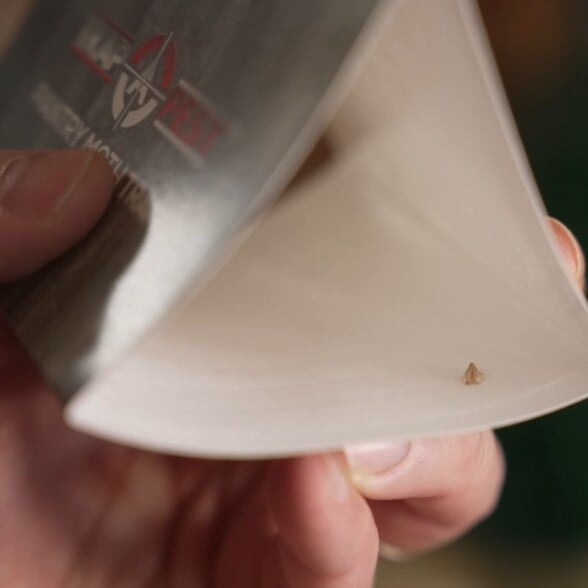
- Pheromone Glue Traps: Marketed as a solution, these traps often lead to a false sense of security. They are designed to attract and trap male adult clothes moths, using pheromones mimicking female moths. While they can serve as excellent monitoring tools to confirm the presence of clothes moths and identify active areas, they are largely ineffective for eradication. By the time a male moth is caught, it has likely already mated, and countless eggs have been laid. These traps do nothing to interrupt the egg-laying cycle or eliminate the destructive larvae. Moreover, it is crucial to use species-specific traps; pantry moth traps will not attract clothes moths.
- Whole-House Heating Strategy: The idea of heating a house to extreme temperatures (above 130°F or 54°C) to "bake" pests to death is a method sometimes used by professional exterminators for certain insect infestations. However, attempting this without professional equipment and expertise carries significant risks. Rapid and extreme temperature changes can cause substantial structural damage to a home, leading to peeling wallpaper, warped wood, and compromised structural integrity. The potential cost of repairs far outweighs the benefit of DIY heat treatment for moths.
- Mothballs: These are registered pesticides containing naphthalene or paradichlorobenzene. While effective in airtight containers where the toxic vapors can concentrate sufficiently to kill larvae, they are hazardous. The strong, persistent odor is difficult to remove from fabrics and the chemicals can cause respiratory irritation or more serious health issues with prolonged exposure. In open closets, the vapors dissipate, making them largely ineffective and still potentially harmful. Modern pest management generally advises against their use due to safety and aesthetic concerns.
The Breakthrough: Biological Control with Parasitic Wasps
When conventional and DIY methods prove insufficient for widespread or persistent clothes moth infestations, a highly effective and environmentally friendly solution emerges: biological control using parasitic wasps, specifically Trichogramma species. This method, rooted in entomological science, represents a paradigm shift from reactive pest management to proactive biological intervention.
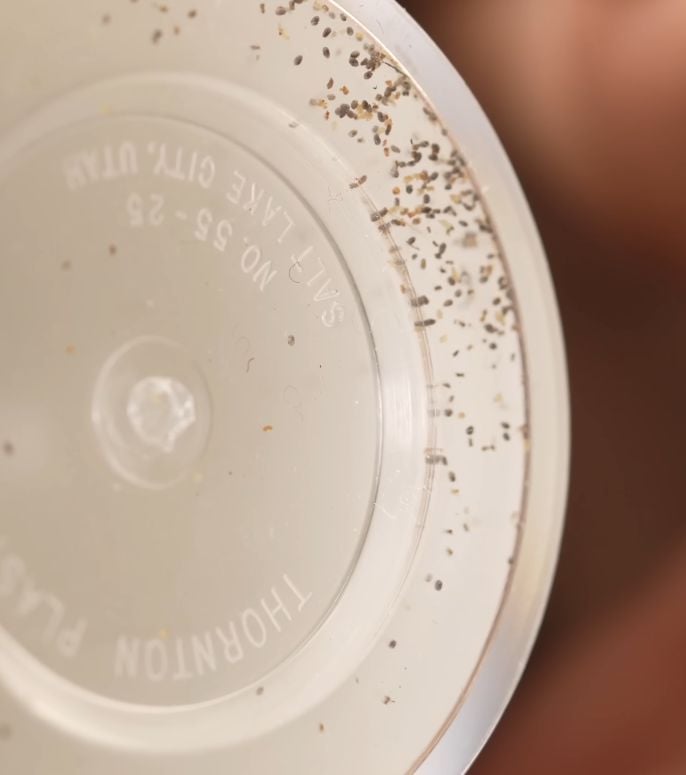
Trichogramma wasps are microscopic insects, typically less than 0.5 millimeters long, making them practically invisible to the naked eye. Crucially, they pose no threat to humans or pets; they do not sting, bite, or carry diseases. Their entire life cycle is dedicated to a singular biological purpose: parasitizing the eggs of various pest insects, including clothes moths.
How Biological Control Eradicates Moth Larvae
The mechanism of Trichogramma wasps is remarkably efficient. Once released into an infested environment, these tiny wasps actively seek out moth eggs. Upon locating an egg, the female wasp lays one