









June 2026 has emerged as a pivotal month for the global fashion industry, with a series of events highlighting both the persistent challenges and nascent advancements in sustainability, ethics, and corporate accountability. From high-profile luxury brand controversies to significant regulatory actions and grassroots labor victories, the industry finds itself at a critical juncture, facing increasing scrutiny from consumers, regulators, and advocacy groups alike.
Luxury Spectacle Meets Climate Reality: Louis Vuitton’s Parisian Waterfall Controversy
In a striking illustration of the widening gap between luxury fashion’s opulence and the urgent realities of climate change, Louis Vuitton faced considerable backlash for its elaborate fashion show held in Paris amidst a record-breaking heatwave. On June 26, the brand unveiled a giant artificial waterfall outside one of the city’s prominent student accommodation complexes, a spectacle that quickly drew criticism from industry observers and local residents.
The event unfolded as Paris sweltered under temperatures well above seasonal averages, part of a broader trend of escalating heatwaves across Europe. This meteorological context amplified concerns about the environmental impact of such grand displays. While Louis Vuitton stated that the water for the installation was sourced from Paris’s municipal supply and would be returned via a closed-loop system, ensuring minimal net consumption, the visual juxtaposition proved potent. Students residing nearby voiced their dismay, noting that "the show underscored a stark gap between extreme wealth and their own living conditions," as reported by Reuters. This sentiment resonated widely, highlighting societal inequalities exacerbated by environmental crises.
Background and Broader Implications:
The incident is not isolated but rather indicative of a growing tension between the traditional extravagance of high fashion and the increasing demand for corporate environmental responsibility. Luxury brands, often seen as trendsetters, are under pressure to demonstrate leadership in sustainability, not just through product lines but also through their operational practices and events. The fashion industry, a significant contributor to global carbon emissions and resource depletion, is being forced to reconcile its image with its impact. According to a 2020 McKinsey report, the fashion industry accounts for approximately 2-4% of global carbon emissions, with large-scale events contributing to this footprint through energy consumption, travel, and material waste.
Environmental advocacy groups swiftly condemned the display, arguing that even a closed-loop system carries an inherent energy cost for pumping and filtering, and that the optics of a massive water feature during a heatwave send the wrong message. This episode underscores the need for luxury brands to consider not only the technical aspects of their environmental claims but also the broader symbolic and social implications of their actions in an era of climate consciousness. The scrutiny faced by Louis Vuitton may prompt a re-evaluation across the luxury sector regarding the scale and nature of their promotional events, pushing for more understated or genuinely sustainable alternatives that align with public expectations and planetary needs.
Cracking Down on Greenwashing: UK Bans "Recycled" Clothing Ads
In a significant move to combat "greenwashing" within the fashion industry, the UK’s Advertising Standards Authority (ASA) announced in late June that it had banned adverts by major brands Adidas, Uniqlo, and Calvin Klein. The bans were issued over "misleading" claims regarding "recycled" clothing and shoes, stemming from a lack of clarity on the precise recycled content of the products.
The ASA’s ruling highlighted that these brands failed to provide sufficient specifics about the proportion of recycled material used in the advertised items, rendering their claims potentially deceptive to consumers. This action is part of a broader, ongoing investigation by the ASA into environmental claims made by fashion brands, reflecting a concerted effort to ensure greater transparency and accuracy in marketing.
Context and Data:
The prevalence of "recycled" or "sustainable" claims has surged in recent years as consumer demand for eco-friendly products grows. A 2023 study by the European Commission and national consumer protection authorities found that 40% of sustainability claims made by companies on their websites were vague, unsubstantiated, or exaggerated. In the fashion sector specifically, the complexity of supply chains and material sourcing makes verifying such claims particularly challenging. Many products labeled "recycled" may contain only a small percentage of recycled content, or use materials derived from plastic bottles (bottle-to-fibre) rather than post-consumer textile waste (textile-to-textile), which presents a more complex recycling challenge.
The ASA’s intervention sends a clear message to the industry: vague environmental claims will no longer suffice. Brands are now expected to provide clear, verifiable data to substantiate their sustainability assertions. This increased regulatory scrutiny is likely to drive more honest labeling practices and push brands towards genuinely higher recycled content, or at least more transparent communication about their current efforts. The implications extend beyond the UK, as other regulatory bodies globally are similarly intensifying their focus on environmental marketing claims, pushing for standardized definitions and verifiable metrics for sustainability.
The Ultra-Fast Fashion Backlash: SHEIN’s Partnership Ends in Paris
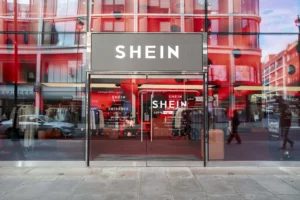
The controversial partnership between ultra-fast fashion giant SHEIN and the historic Parisian department store BHV came to an abrupt end in mid-June, following widespread protests and significant internal dissent. Reuters reported that a representative from BHV openly described the collaboration as a "mistake," signaling a notable shift in how established retailers are perceiving the risks of aligning with ultra-fast fashion models.
The collaboration, which saw SHEIN products displayed within BHV, sparked immediate outrage among activists and environmental groups. Protests erupted in Paris, condemning SHEIN’s business model, which is frequently criticized for its rapid production cycles, low prices, massive waste generation, and opaque labor practices. The controversy was so intense that several independent brands operating within BHV reportedly decided to withdraw their products from the store, unwilling to be associated with SHEIN.
Background and Analysis:
SHEIN’s ascent has been meteoric, driven by its ability to rapidly churn out thousands of new styles daily at incredibly low prices, appealing to a young, digitally-native demographic. However, this model comes at a significant environmental and social cost. A 2022 report by the Changing Markets Foundation estimated that SHEIN could be responsible for as much as 6.3 million tonnes of CO2 emissions annually. Furthermore, numerous investigations have raised serious concerns about labor conditions in its supply chain, with allegations of excessive working hours and inadequate wages.
The termination of the BHV partnership highlights a growing awareness among consumers and businesses of the ethical and environmental implications of ultra-fast fashion. For BHV, a store with a long-standing reputation, the reputational damage and the loss of other brands likely outweighed any perceived commercial benefits. This incident serves as a stark warning to other retailers considering similar collaborations: the public and independent brands are increasingly unwilling to overlook the ethical dilemmas posed by ultra-fast fashion. It signifies a potential turning point where the pursuit of profit through controversial partnerships is increasingly being met with robust resistance, forcing a re-evaluation of brand values and supply chain transparency.
France’s Anti-Fast Fashion Law: A Step Forward, But Is It Enough?
In mid-June, French lawmakers reached a preliminary agreement on a groundbreaking bill aimed at curbing the excesses of fast fashion. However, the legislative effort has immediately faced criticism from industry organizations and campaign groups, who argue that the measure is too narrowly focused on "ultra-fast fashion" and lacks the necessary scope and enforceability to make a significant impact on the broader fast fashion industry.
The "Stop Fast-Fashion" coalition, a leading voice in the debate, criticized the bill for being "too vague and hard to enforce." Their primary concern is that the legislation disproportionately targets brands identified as "ultra-fast fashion" while potentially allowing conventional fast fashion brands, which still contribute significantly to environmental degradation and overconsumption, to fall outside its effective reach. This distinction between "fast" and "ultra-fast" fashion, while relevant in terms of scale and speed, complicates regulatory efforts.
Legislative Context and Challenges:
France has been at the forefront of environmental legislation, notably with its AGEC law (Anti-Waste Law for a Circular Economy) which includes provisions for extended producer responsibility (EPR) for textiles. The new anti-fast fashion bill seeks to build on these efforts by imposing penalties and restrictions on companies that produce and sell clothes at an unsustainable pace. However, defining "ultra-fast fashion" legally, often based on metrics like the number of new styles introduced daily or weekly, presents an enforcement challenge.
Advocacy groups contend that a truly effective law must address the entire spectrum of fast fashion, encouraging all brands to slow down production, improve material sourcing, and invest in circularity. They point to data showing that the average consumer buys 60% more clothing today than 15 years ago, but keeps each garment for half as long, regardless of whether it comes from an "ultra-fast" or merely "fast" fashion retailer. The current criticism suggests that while France is taking a commendable step, the journey towards comprehensive and impactful regulation of the fashion industry’s environmental footprint is complex and requires a broader legislative lens to truly drive systemic change across the industry.
EU Uncovers "Systemic Issue" of Inaccurate Clothing Labels
A comprehensive investigation by the European Commission, published on June 18, has revealed a troubling and "systemic issue" with the accuracy of fibre composition labels on clothing. The findings are significant, showing a 39% failure rate across 132 items tested, underscoring a pervasive problem that misleads consumers and complicates efforts towards a more circular economy.
The investigation uncovered various inaccuracies, including incorrect fibre percentages, the use of different or cheaper fibres than those declared on the label, and instances where fibres were incorrectly named or declared. For example, items labeled as 100% cotton might contain a blend of polyester, or expensive fibres like cashmere might be substituted with cheaper alternatives without disclosure.
Impact and Recommendations:
Accurate fibre labeling is crucial for several reasons. For consumers, it informs purchasing decisions, garment care, and expectations regarding durability and performance. For the textile recycling industry, precise fibre composition is essential for effective sorting and reprocessing, as different fibres require different recycling technologies. Inaccurate labels thus pose a significant barrier to achieving genuine textile-to-textile recycling and contribute to the vast amounts of textile waste sent to landfills or incineration.
The European Commission’s report advises consumers to be vigilant, suggesting they "be cautious of very low prices, or deals that seem too good to be true, and to prefer products where the manufacturer’s name, address or website is mentioned on the label." This emphasis on accountability and traceability is a direct response to the findings, aiming to empower consumers to make more informed choices. The report’s implications are far-reaching, potentially leading to stricter enforcement of existing labeling regulations, calls for improved supply chain transparency, and potentially new legislative measures to ensure the integrity of clothing labels across the EU market.
Fashion’s Lagging Climate Targets: A Critical Assessment
A recent report by Shayeza Walid for Business of Fashion has delivered a sobering assessment of the fashion industry’s progress in cutting emissions, highlighting that the sector is significantly falling behind its climate targets. The analysis delves into brands’ actions and investigates the systemic challenges hindering the industry’s transition towards a more sustainable future.
The report identifies several key reasons for this deceleration. Alongside broader economic and corporate landscape challenges, Walid points to a "lack of a clear roadmap to implementation" for sustainability initiatives within many companies. Crucially, the absence of "few consequences for missing goals" allows brands to set ambitious targets without sufficient accountability or tangible repercussions for failing to meet them. This creates a "do-say gap" where commitments often outpace actual progress.
The Urgency of Climate Action:
The fashion industry is a major global polluter, with its supply chain responsible for significant greenhouse gas emissions, particularly Scope 3 emissions from raw material extraction, processing, and manufacturing. While many brands have signed onto initiatives like the UNFCCC Fashion Industry Charter for Climate Action, which aims for 30% aggregate greenhouse gas emission reductions by 2030, the report suggests that collective action is insufficient.
Data from the Textile Exchange’s 2023 Material Change Insights Report indicates that while some progress has been made in adopting preferred materials, the overall pace of emission reduction across the value chain is not aligning with the urgency of the climate crisis. The Business of Fashion analysis implies that without stronger internal governance, external regulatory pressure, and genuine financial investment in decarbonization strategies—especially at the supplier level—the industry risks failing to meet its climate commitments, contributing to global warming beyond critical thresholds. This necessitates a fundamental shift from aspirational pledges to concrete, measurable actions with robust accountability frameworks.
The State of Refillable Beauty: Progress and Potential
On the occasion of World Refill Day, a Vogue Business report offered an insightful look into the evolving landscape of refillable products within the beauty industry. The report highlights L’Oréal as a leader in this burgeoning space and identifies the critical factors that motivate consumers to invest in refillable beauty options.
The beauty sector, much like fashion, is under immense pressure to reduce its environmental footprint, particularly concerning plastic packaging waste. Refillable models offer a promising solution by decoupling product consumption from packaging waste. The Vogue Business analysis found that "convenience, consistency, and creating original packaging that consumers want to keep" are paramount to driving consumer adoption. Brands must ensure that the refill process is simple and hygienic, that product quality remains consistent, and that the initial packaging is aesthetically pleasing and durable enough to justify long-term retention.
Industry Trends and Data:
The global beauty packaging market is projected to reach over $30 billion by 2027, with plastic accounting for a significant portion. The shift towards refillable solutions could dramatically reduce this waste. While early refill initiatives sometimes struggled with consumer uptake due to inconvenience or a perception of reduced luxury, brands like L’Oréal are demonstrating how to overcome these hurdles through innovative design and user-friendly systems. For instance, L’Oréal’s various brands have introduced refillable options for skincare, haircare, and makeup, often leveraging premium materials for their primary packaging to enhance perceived value. The report suggests that as consumer awareness of plastic pollution grows, coupled with improved brand offerings, the refillable beauty market is poised for significant expansion, contributing meaningfully to circular economy principles in the personal care sector.
The World Cup as a Catalyst for Recycled Polyester Innovation
The 2026 FIFA World Cup is serving as a significant showcase for advancements in sustainable materials, with many team kits now incorporating textile-to-textile (T2T) recycled polyester. This marks a notable departure from the more common practice of using polyester derived from recycled plastic bottles (bottle-to-textile recycling), indicating a step forward in circularity for the sportswear industry.
Business of Fashion investigated whether this widespread adoption of T2T polyester in high-profile merchandise is sufficient to signal a sustained demand for scaling this technology among recyclers. While acknowledging the positive shift, the report introduces crucial caveats. Firstly, the very nature of football merchandise, driven by frequent new kit releases and fan consumption, remains centered around "overconsumption," undermining the overall sustainability gains. Secondly, much of the T2T polyester currently utilized is derived from post-industrial waste (factory scraps) rather than the far more challenging and prevalent issue of post-consumer textiles being sent to landfills.
The Circularity Challenge:
The global textile waste problem is staggering, with an estimated 92 million tons of textile waste generated annually, much of which ends up in landfills. While bottle-to-textile recycling diverts plastic waste from oceans and landfills, it doesn’t create a closed loop for textiles. T2T recycling, particularly from post-consumer waste, is considered the gold standard for textile circularity. However, technological and logistical challenges, such as sorting mixed-fibre garments and depolymerizing complex blends, have limited its widespread adoption.
The World Cup’s use of T2T polyester is a positive development, demonstrating brand commitment and creating market demand for advanced recycling technologies. However, for true systemic change, the industry must address the underlying issue of overproduction and overconsumption, alongside investing heavily in infrastructure for collecting and recycling post-consumer textile waste at scale. Without tackling these fundamental issues, material innovations, while welcome, will only offer partial solutions to a much larger environmental crisis.
A Rare Victory for Indonesian Garment Workers
In a rare and significant victory for labor rights in global supply chains, Public Eye reported on the successful reinstatement of 64 factory workers in Indonesia. These workers had been unjustly dismissed by a facility that supplies sportswear to major brands, including On Running. The report, "Inside On’s Supply Chain: Pricy Shoes, Underpaid Workers, and a Fearless Union," sheds light on the often-harsh realities faced by workers in Indonesia’s booming sportswear production sector.
The reinstatement of the workers, achieved through the concerted efforts of a local trade union, underscores the vital role of organized labor in advocating for fair treatment and upholding workers’ rights in regions where such protections are often weak or unenforced. The victory demonstrates the power of collective bargaining and the potential for positive change when unions are empowered to act.
Labor Rights in the Global Garment Industry:
Indonesia is a major hub for garment and footwear manufacturing, attracting international brands due to competitive labor costs. However, this often comes at the expense of workers’ wages and conditions. Reports from organizations like the Clean Clothes Campaign consistently highlight issues such as poverty wages, excessive overtime, unsafe working environments, and restrictions on freedom of association across garment-producing countries. Union busting, where employers attempt to suppress or dismantle trade unions, is a common tactic to prevent workers from organizing and demanding better conditions.
The case of the On Running supplier factory serves as an important precedent. It sends a message to both brands and their suppliers that labor abuses will face scrutiny and that workers have the right to organize and demand fair treatment. This victory could inspire further unionization efforts in the region and increase pressure on international brands to strengthen their human rights due diligence and ensure their suppliers respect fundamental labor rights, moving beyond mere compliance audits to genuine worker empowerment.
Pioneering Less Toxic Performance Wear
Journalist Sophie Benson’s insightful article for Vogue Business delves into the complex challenges and promising innovations in creating "less toxic performance wear." The piece highlights that traditional performance garments, valued for characteristics like water repellence and moisture-wicking, heavily rely on synthetic materials and chemical coatings, many of which pose significant environmental and health risks.
The production of high-performance fabrics often involves the use of per- and polyfluoroalkyl substances (PFAS), commonly known as "forever chemicals," which are highly persistent in the environment and have been linked to various health issues. Similarly, many synthetic materials like polyester and nylon are derived from fossil fuels and contribute to microplastic pollution.
Innovation and Sustainable Alternatives:
Benson’s report explores brands and material developers actively working to mitigate these issues. This includes the development of bio-based synthetics derived from renewable resources, such as castor beans or corn, which offer performance comparable to traditional synthetics but with a lower environmental footprint. Furthermore, innovators are exploring alternative, non-toxic chemical treatments for water repellence, moving away from harmful PFAS compounds. Examples include technologies based on natural waxes, plant-based oils, or novel polymer structures that achieve desired performance without persistent chemicals.
The transition to less toxic performance wear is crucial for both environmental protection and consumer health. It requires significant investment in research and development, supply chain transparency, and a willingness from brands to adopt new, often more expensive, materials and processes. This trend signifies a broader shift in the performance wear sector, where functionality is increasingly being harmonized with ecological responsibility, reflecting growing consumer demand for products that are both effective and safe for the planet and people.
Lululemon’s Renewable Energy Fund: A Step Towards Decarbonization
In a significant development for supply chain decarbonization, Lululemon has announced the creation of a new renewable energy investment fund. This initiative aims to enable its suppliers in China to access renewable electricity from wind and solar developments, directly addressing a critical aspect of its environmental footprint. The announcement follows intense pressure from advocacy groups, notably the "Action Speaks Louder" campaign, which highlighted Lululemon’s previous shortcomings in environmental performance through its "mumumelon" campaign.
The establishment of this fund represents a concrete step by Lululemon to "put their money where their mouth is," as Action Speaks Louder noted in a blog post. It signals a move towards closing the "do-say gap" on climate action, where brands’ public commitments are backed by tangible investments in their supply chains. Textile manufacturing is an energy-intensive process, and a significant portion of a fashion brand’s carbon emissions (often over 80%) comes from its extended supply chain (Scope 3 emissions).
The Importance of Supplier Support:
Many suppliers in manufacturing hubs like China face significant barriers to transitioning to renewable energy, including high upfront costs, lack of access to financing, and complex regulatory landscapes. By creating an investment fund, Lululemon is directly addressing these challenges, empowering its manufacturing partners to adopt cleaner energy sources. This model not only helps Lululemon reduce its Scope 3 emissions but also contributes to the broader decarbonization of the manufacturing sector.
This move by Lululemon could serve as a blueprint for other major brands to take direct responsibility for their supply chain emissions, rather than merely setting targets. It underscores the importance of collaboration between brands, suppliers, and financial institutions to accelerate the global transition to renewable energy within industrial sectors, representing a proactive and impactful approach to corporate climate responsibility.
"Good" and "Great" News: Innovations in Sustainable Design
Amidst the challenges and regulatory shifts, several brands assessed highly by rigorous ratings systems are continuing to push boundaries in sustainable design and collaboration, offering beacons of positive progress within the industry.
Lefrik x Coco Dávez: Art Meets Everyday Sustainability
"Great"-rated bags brand Lefrik has launched a vibrant collaboration with artist Coco Dávez, creating a collection that transforms everyday accessories into "expressive statements where art meets everyday movement." Each of the five new bags, featuring striking green and pink designs, is crafted using Lefrik’s established sustainable approach, likely incorporating recycled materials and ethical production practices. This partnership highlights how sustainable functionality can be seamlessly integrated with bold, artistic design, proving that eco-conscious choices do not require compromising on style.
Swedish Stockings x Sylvi Sundkler: Circularity in Hosiery
In an innovative partnership, "Good"-rated Swedish Stockings has teamed up with Sylvi Sundkler to create a unique collection of garments—a top, corset, and dress—made entirely from nylon stockings collected through its pioneering Recycling Club. This initiative gives worn-out tights a second life, transforming them into new, beautiful pieces. Each garment is handmade and made to order, emphasizing artisanal craftsmanship and a commitment to circularity that diverts textile waste from landfills and reduces the demand for virgin materials.
PANGAIA x Coral Gardeners: Protecting Ocean Ecosystems
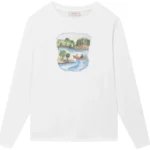
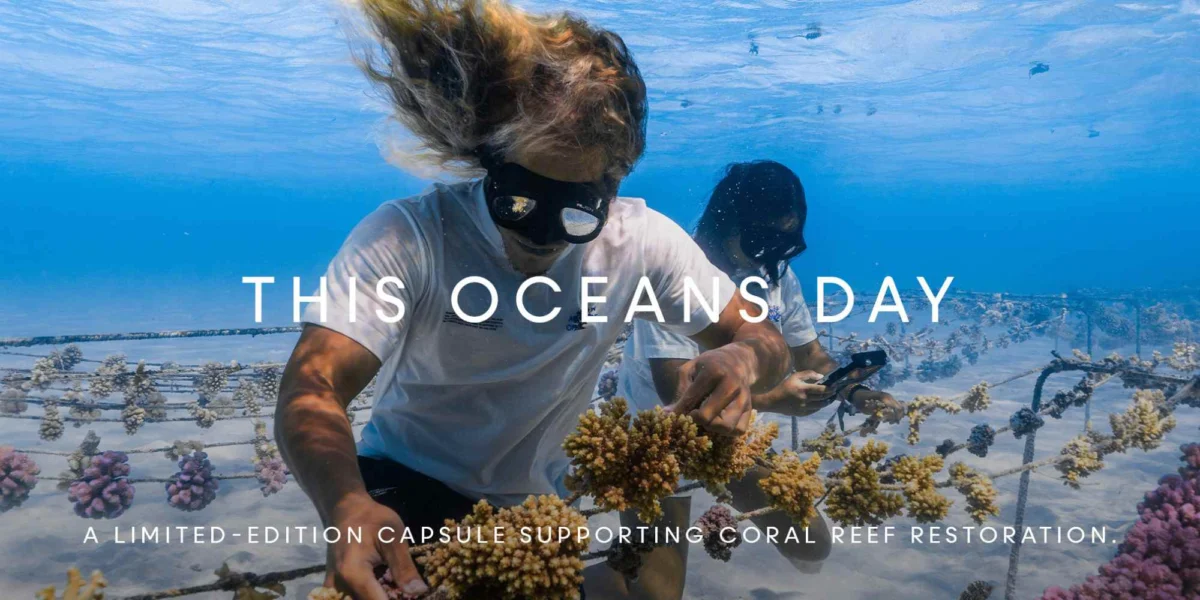
Top-rated "Great" brand PANGAIA has embarked on its second collaboration with Coral Gardeners, an organization dedicated to restoring coral ecosystems and reefs worldwide. This capsule collection, featuring a hoodie and a T-shirt, not only showcases PANGAIA’s commitment to sustainable materials but also directly contributes to marine conservation. For every sale from the collection, PANGAIA will donate to Coral Gardeners, reinforcing a model where fashion directly supports environmental restoration efforts and raises awareness about critical ecological issues.
These collaborations and initiatives demonstrate a growing trend of brands leveraging their platforms for positive impact, blending innovative material science with artistic expression and direct environmental action. They offer a hopeful counter-narrative to the broader industry challenges, showcasing practical examples of how fashion can evolve towards more responsible and regenerative practices.