











In the nuanced world of bespoke menswear, the distinction between a fleeting trend and a foundational wardrobe staple is often measured by a decade of trial and error. Ivan, a professional custom clothier with ten years of experience in the trade, recently provided an in-depth analysis of his personal collection, pulling back the curtain on the design philosophy that governs his commissions. By examining his three most frequently worn sport coats, Ivan illustrates a shift in contemporary tailoring: the transition from chasing individual "statement pieces" toward the cultivation of a versatile, cohesive template that functions as a reliable architectural base for a gentleman’s wardrobe.

The evolution of Ivan’s approach reflects a broader industry trend toward "intelligent consumption." Rather than viewing a commission as an isolated event, modern clothiers are increasingly encouraging clients to view each garment as a node in a larger, interconnected network of clothing. The logic is simple yet demanding: any new addition must harmonize with existing trousers, sweaters, and shirts. As Ivan notes, the goal is to build a wardrobe that is inherently functional rather than merely aspirational.
Chronology of a Wardrobe Philosophy
Over the past decade, Ivan’s sartorial journey has moved through several distinct phases. In his early years, like many burgeoning enthusiasts, his commissions were driven by the allure of unique fabrics and bold patterns—the "collector’s phase." However, around his fifth year in the trade, a shift occurred. He began to track the frequency of wear for each jacket in his closet, a metric that revealed a stark reality: the garments that garnered the most use were those with neutral color palettes and versatile, mid-weight textures.

By year eight, Ivan had solidified the "template" he now uses for almost every commission. This template is not a rigid uniform but a set of technical preferences—specific shoulder constructions, pocket placements, and internal canvases—that he has found to be universally flattering and functional. This systematic approach allows for creative expression in the choice of cloth while ensuring that the structural integrity and fit of the garment remain consistent.
Technical Anatomy and Construction Standards
The efficacy of a sport coat lies in the marriage of its internal construction and its external fabric. Ivan’s analysis focuses heavily on the "three-roll-two" jacket, a classic Neapolitan staple. In this configuration, the jacket is cut with three buttons, but the lapel is pressed to roll over the top button, effectively creating the clean, elongated aesthetic of a two-button jacket. This design choice is emblematic of the "soft tailoring" movement, which prioritizes comfort and movement over the rigid, armored aesthetic of traditional 20th-century suits.

Furthermore, Ivan advocates for the use of "quarter-lining" in most sport coats. By omitting the full lining typically found in mass-market jackets, the wearer experiences significantly improved breathability and a lighter overall garment weight. For the modern professional, who may spend time transitioning between climate-controlled offices and the external environment, this reduction in internal structure is a functional necessity.
The internal "canvas"—the layer of horsehair and wool that sits between the outer fabric and the lining—remains the subject of much debate in the industry. Ivan employs a variable approach, utilizing full canvas for formal structures, half-canvas for mid-range sport coats, and, in some cases, entirely unstructured designs for casual, travel-friendly pieces. The data suggests that the move toward lighter, unstructured jackets has accelerated by approximately 20% in the bespoke market over the last five years, as consumer preference shifts away from the restrictive silhouettes of the past.
The Significance of Subtle Detailing
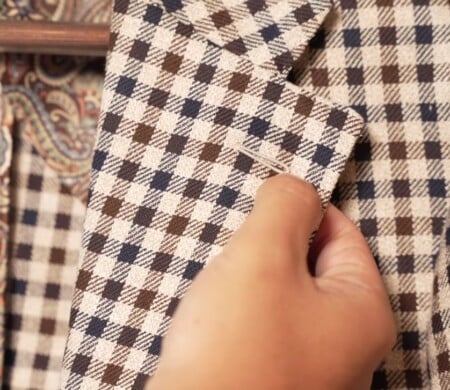
A critical component of Ivan’s design methodology is the strategic application of artisanal details. He distinguishes between details that serve a purpose and those that merely scream for attention. For instance, while he intentionally leaves the lapel buttonhole—a high-visibility area—in a classic, matching thread, he reserves contrasting thread for the final buttonhole on the cuff. This is a subtle, "insider" detail that reveals itself only upon close inspection, particularly during conversation or while gesturing.
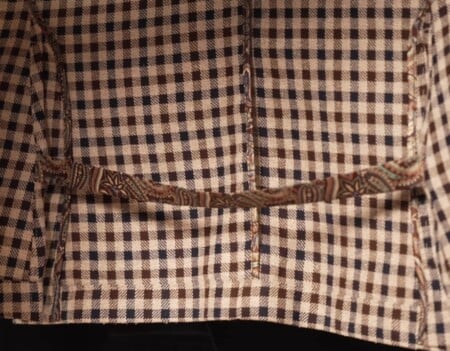
Another technical detail he incorporates is a hidden fabric strap integrated into the back vent. This small, often overlooked addition serves a mechanical function: it prevents the vent from flapping or "gaping" when the wearer is in motion, ensuring that the silhouette of the jacket remains crisp even when the wearer is walking or reaching. Such refinements, while minor in isolation, contribute to the overall durability and aesthetic longevity of the piece.
Industry Implications and Consumer Behavior
The shift toward the "versatile template" model has significant implications for the bespoke tailoring industry. For years, the industry was predicated on the sale of seasonal collections that often encouraged impulsive, mismatched purchases. Today, there is a clear move toward a consultancy-based model. Custom clothiers are acting less as merchants and more as wardrobe architects.
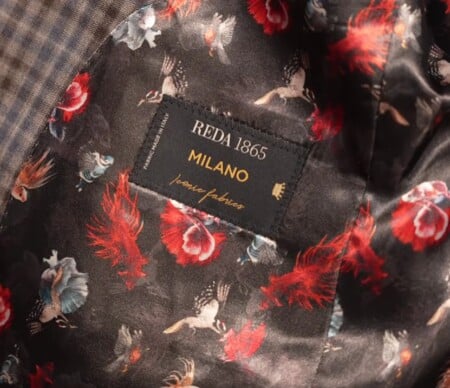
The economic reality of this shift is also notable. Clients who invest in a "template" are more likely to return for subsequent commissions because the baseline fit is already perfected. This reduces the number of alterations required for future orders and increases the overall satisfaction rate. When a client knows that a specific cut works for their body type and lifestyle, they are more willing to invest in high-quality, long-staple fabrics, such as those produced in the historic mills of Italy and the United Kingdom.
Expert Insights on Material Selection
In his analysis, Ivan also addresses the common confusion surrounding fabric terminology. He highlights that a windowpane pattern—a simple grid of lines—is frequently mistaken for a more complex glen check. When a glen check incorporates a colored overcheck, it is historically classified as a Prince of Wales check. Understanding these distinctions is not merely pedantic; it allows the client to make informed choices about how a fabric will drape and how it will interact with other textures in their wardrobe.
The importance of this knowledge cannot be overstated. As the supply chain for fine textiles faces pressure from both climate change and rising production costs, the value of wool-silk blends and high-twist flannels is increasing. These materials, which Ivan favors, offer a "seasonless" quality that allows a single jacket to be worn across at least three, if not four, seasons. By choosing fabrics that offer this level of utility, the client is essentially hedging against the need for excessive, short-lived wardrobe additions.
Looking Toward the Future of Bespoke
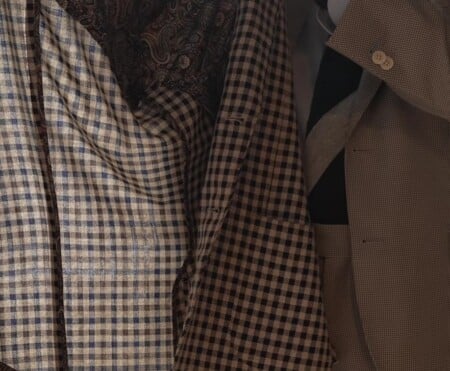
The final piece of advice Ivan offers concerns the "fear of the wardrobe gap." Many clients are hesitant to commit to a bespoke commission because they worry the piece will not be "special" enough. However, the data confirms that the most worn garments in a closet are rarely the loudest. They are the pieces that provide the highest degree of utility—the cream wool-silk jacket that layers perfectly over a navy sweater in autumn, or the Prince of Wales flannel that provides necessary weight during the winter months.
As the industry moves forward, the success of a clothier will increasingly be tied to their ability to guide the client toward these "keystone" pieces. The era of the "statement" suit is waning, replaced by a more mature, thoughtful approach to dress that prioritizes construction, fabric quality, and, above all, the ability of a garment to serve as a reliable foundation for the wearer’s life.
By deconstructing his own collection, Ivan has provided a blueprint for both the aspiring clothier and the discerning client. The message is clear: if you focus on the fundamentals—the fit, the canvas, the fabric, and the utility—the style will inevitably follow. In a world of fast-moving trends, the most radical act one can perform is to build a wardrobe that is designed to last for a decade, rather than a season. This approach, while slower and more demanding of the client’s time, yields a return on investment that is measured not just in style, but in the enduring confidence that comes from wearing a garment built specifically for one’s own existence.