





The digital landscape, for decades a fertile ground for artists to cultivate fanbases and redefine industry norms, is on the precipice of a dramatic transformation in the United Kingdom. With Keir Starmer’s government proposing stringent regulations to ban under-16s from major social media platforms, including TikTok, Instagram, Snapchat, X, Facebook, and YouTube, the intricate relationship between emerging musical talent, their young audiences, and the global music industry faces an unprecedented challenge and, potentially, a profound opportunity for recalibration. This legislative push, primarily driven by concerns over youth mental health and online safety, threatens to disrupt the established promotional pipelines that have launched countless careers, from early internet pioneers like Arctic Monkeys on MySpace to contemporary viral sensations like PinkPantheress and Lil Nas X on TikTok.
The Rationale Behind the Ban: Safeguarding Youth in a Digital Age
The proposed ban, a significant policy initiative, stems from growing governmental and public concern over the pervasive influence of social media on the well-being of young people. Reports from bodies such as the UK’s Office for National Statistics and various mental health charities have highlighted a worrying trend of increased anxiety, depression, and body image issues among adolescents, with social media often implicated as a contributing factor. The Children’s Commissioner for England, Dame Rachel de Souza, has repeatedly advocated for stronger protections, citing research indicating that excessive screen time and exposure to harmful content can have detrimental effects on developing minds. While the full implementation details are still being debated, the government’s intent is clear: to create a safer online environment by restricting access to platforms deemed potentially harmful for those under a certain developmental age. Similar discussions and regulations are emerging globally, with countries like Australia having already implemented comparable measures, though their effectiveness in completely deterring usage among minors remains a subject of ongoing study, with reports indicating approximately 85% of Australian teens still access social media despite the ban.
A Brief History: The Internet as Music’s Catalyst
The internet’s role in the music industry has evolved from a nascent promotional tool to an indispensable ecosystem for discovery, distribution, and direct artist-fan interaction. In the early 2000s, platforms like MySpace offered a revolutionary space for bands like Arctic Monkeys to build grassroots followings, bypassing traditional gatekeepers and attracting industry attention. YouTube soon followed, catapulting artists like Justin Bieber from bedroom obscurity to global superstardom. The advent of streaming services further democratized access to music, while platforms like TikTok have, in recent years, become the ultimate accelerant for virality.
The COVID-19 pandemic further cemented social media’s critical role. With live venues shuttered and traditional promotional avenues closed, artists and labels pivoted entirely to digital strategies. Overnight successes born from viral TikTok challenges became commonplace, demonstrating the platform’s unparalleled power to break artists globally. This period solidified a "social-first" approach that has largely persisted, with artists often feeling compelled to create constant content, engage with trends, and manage their online personas in ways that extend far beyond their musical output.
The Imminent Impact: A Shifting Landscape for Artists and Audiences
The impending ban represents a significant disruption to this established paradigm. For many emerging artists, particularly those without major label backing, social media has been the primary, if not sole, avenue for building a fanbase. Ian Johnson, Head of Industry Partnerships at Access Creative College, notes, "The benefits of access to social media platforms are that a clever, talented artist will start to build a fanbase and then use other means — such as Bandcamp, email lists or Discord — to nurture that relationship." The ban risks severing this initial point of contact for a crucial demographic.
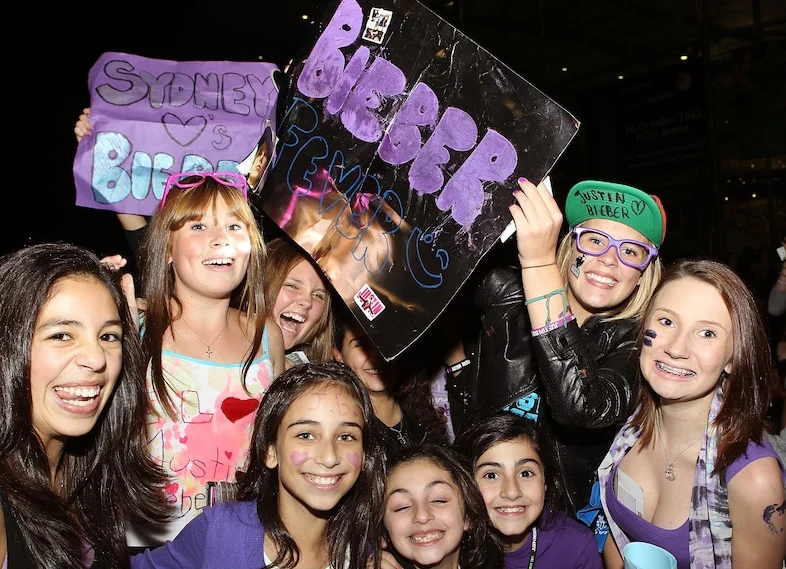
Historically, teenagers, despite having the lowest disposable income, have been the engine of pop culture. Their early adoption of trends, passionate engagement, and willingness to share new discoveries have been instrumental in creating hits and defining musical eras. The "promo power" of teens, amplified by social media’s sharing capabilities, has been a reliable indicator of potential success. Without direct access to these platforms, labels and artists will need to find new, equally effective ways to reach this influential group. This could lead to a slowdown in the accelerated pop culture cycle, where few albums or artists manage to make a significant, lasting dent in a saturated digital atmosphere.
Furthermore, the ban could disproportionately affect artists from less traditional "industry hotspots." Janelle Borg, guitarist of Anglo-Maltese post-punk band GENN, whose drummer was found via Facebook, highlights how social media "helps to level the playing field" for acts not based in major cities like London, New York, or Los Angeles. She also points to the "globalisation of local music genres," enabled by social media, which has seen the number of languages in the global top 50 more than double in five years. Restricting access for young audiences could impede this cross-cultural discovery and limit opportunities for diverse musical voices to find their niche.
Industry Reactions and Strategic Re-evaluation
The announcement has prompted a mix of concern and cautious optimism within the music industry. Managers like Amber Chen attest to the transformative power of viral moments: "I’ve had artists ‘blow up’ in an extremely quick time frame, and it’s changed their lives entirely just from one video. Reaching that level of virality has definitely been a major tool in artist campaigns because it can make an artist an instant success." The loss of this immediate virality mechanism for a key demographic will necessitate a re-evaluation of marketing spend and strategy.
However, there is also a growing sentiment that this ban could force a much-needed re-think. Music publicist Dan McCormick views the ban as a "good thing," suggesting it might prompt the industry to reconsider how it engages with young audiences. "It should be viewed as an opportunity to capture the attention of young music fans, who still have the same passion for music discovery as ever — but now, for the first time in a minute, might actually have a little more time on their hands to look beyond the algorithm."
Jimi Scott, another music publicist and talent consultant, concurs, emphasizing the "huge importance in having more of an offline presence." He argues that "real-life moments are key and should be considered just as much as our world in the digital space," expressing enthusiasm for the potential shift. This perspective reflects a growing fatigue with the "fickle and transient" nature of the online world, as described by Ian Johnson, and the constant pressure on artists to perform for algorithms rather than focus solely on their craft.
The Rise of Offline Engagement and Alternative Discovery
The vacuum left by restricted social media access for under-16s could catalyze a resurgence of traditional and innovative offline engagement strategies. Artists and labels may need to invest more in:
- Live Experiences: Concerts, festivals, and intimate gigs could become even more crucial for fostering deep connections. Ensuring affordability of gig tickets for young people, as advocated by Amber Chen, will be vital to maintain their engagement.
- Physical Media: The surprising resurgence of physical formats, particularly CDs and vinyl, among Gen Z offers a tangible alternative. CD demand, for instance, has reportedly increased by up to 75% among this demographic. Artists like GENN are already embracing this, burning their own bootleg CDs as a "one-of-a-kind moment captured in time," offering a stark contrast to the ephemeral nature of digital content.
- Print Media and Radio: McCormick expresses hope for a "rekindled long-forgotten love affair between teenagers and print media," suggesting a return to music magazines, fanzines, and even traditional radio as discovery channels. Amber Chen reminisces about MTV’s role in her "fan journey," envisioning a return to curated content channels that connect with youth without being patronizing.
- Direct-to-Fan Platforms: While Discord and email lists already exist, their importance will likely grow. Artists may develop more sophisticated direct-to-fan platforms, exclusive content portals, or even engage in community-building initiatives that operate outside the major social media giants.
- Word-of-Mouth and Peer Networks: The fundamental human desire for social connection and sharing will persist. Without algorithm-driven feeds, organic word-of-mouth, friend recommendations, and peer groups could regain their prominence in music discovery, potentially fostering more authentic and deeply felt connections to artists.
Broader Implications: Ethical Considerations and Cultural Shifts
Beyond the immediate music industry, the ban raises broader ethical and societal questions. While the primary goal is to protect children from the documented harms of social media, including exposure to inappropriate content, cyberbullying, and mental health strain, the debate continues regarding the extent of governmental intervention in digital freedoms. Critics argue that outright bans can be circumvented, as seen in Australia, and may lead to a black market of VPNs and fake IDs, pushing children into less monitored online spaces.
There’s also the nuanced issue of young artists themselves. If under-16s are deemed too young to consume social media, the question arises whether they should be permitted to become public figures and celebrities on these very platforms, navigating the intense scrutiny and pressures of digital fame. The ban could inadvertently stifle the early development of genuine talent among aspiring young musicians who rely on these platforms to share their work.
Ultimately, the music industry must acknowledge that music is an integral part of British youth culture, and any policy impacting their digital lives will inevitably alter the fabric of that culture. As Amber Chen eloquently states, "People tend to turn their noses up at young fans, but they are the foundation of our entire industry. That’s where we all came from at the end of the day." The challenge for the industry will be to adapt in a way that continues to engage and nurture this foundational demographic, fostering deep, meaningful connections to music that transcend the fleeting trends of the digital realm. The ban, while disruptive, could indeed be the catalyst for a more sustainable, authentic, and perhaps, healthier relationship between young people, artists, and the music they create.