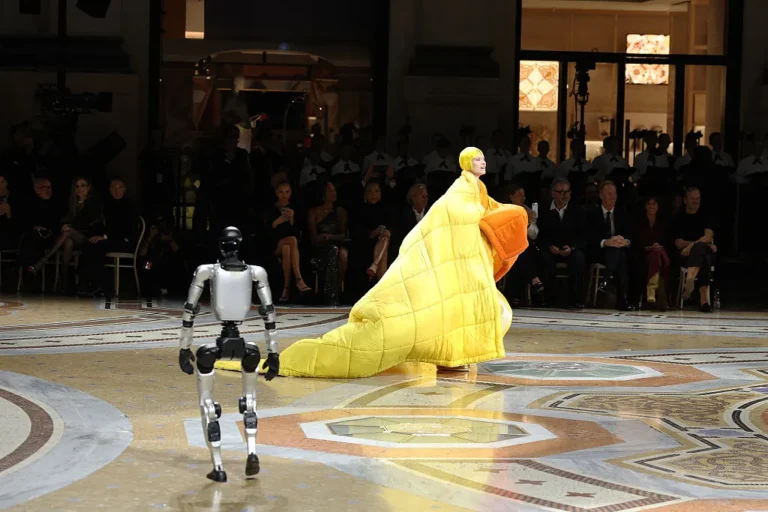










The intersection of fashion, technology, and sustainability has long been an arena of friction. Early in her career, founder and CEO Evelyn Mora observed a glaring contradiction within the apparel industry: while fashion designers were increasingly dedicated to environmental sustainability, the traditional methods of showcasing their collections—such as staging large-scale, resource-intensive physical fashion shows and filming elaborate marketing campaigns—carried a heavy ecological footprint. Furthermore, these traditional runways failed to meaningfully engage the demographic that matters most to the future of retail: Generation Z.
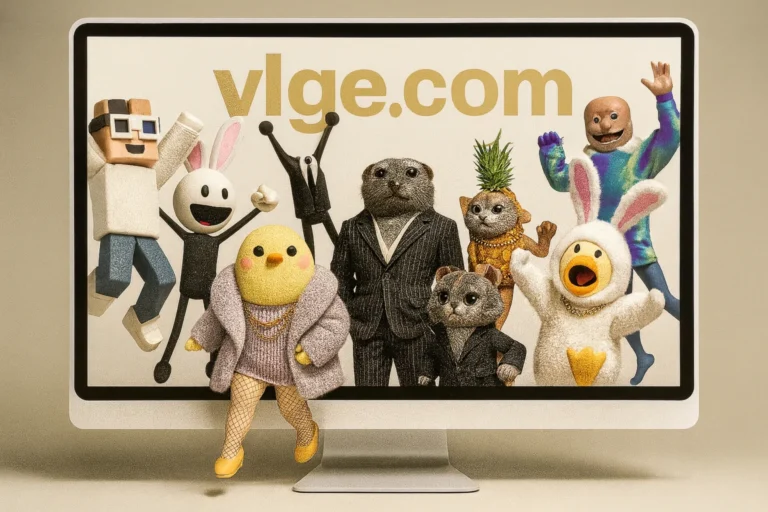
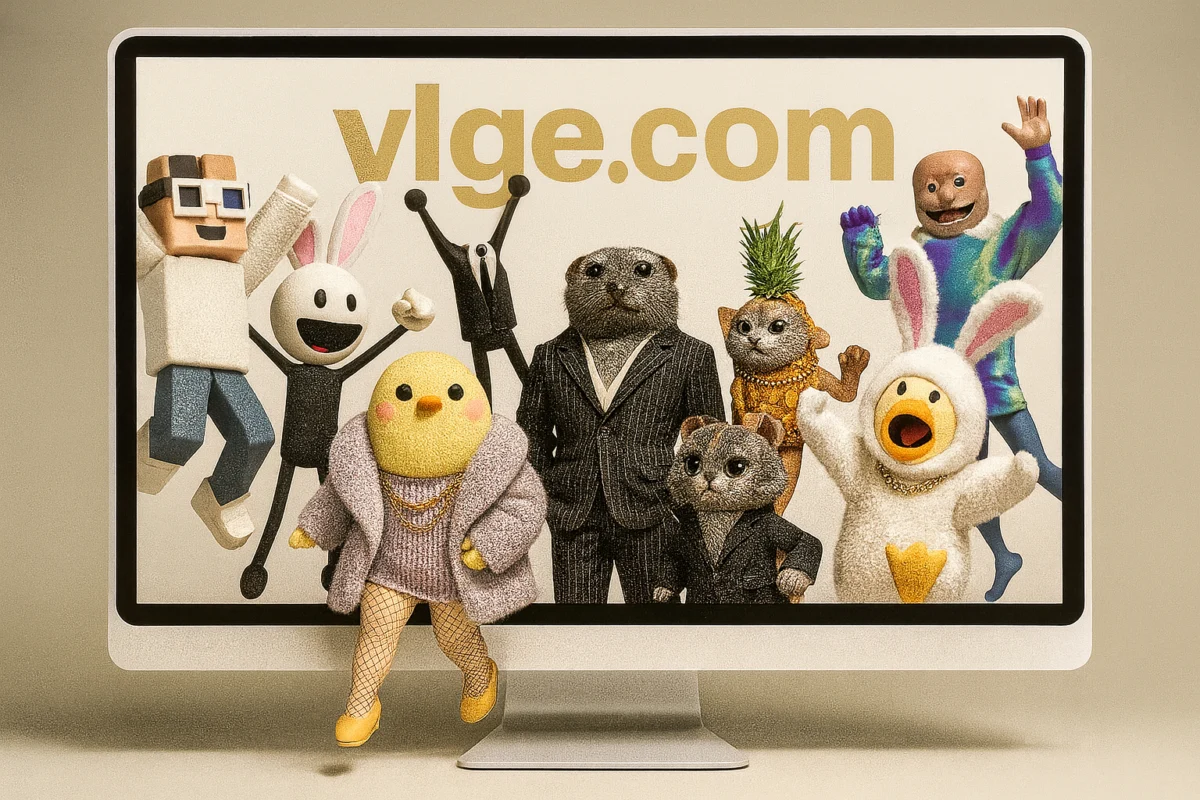
To solve this systemic challenge, Mora launched VLGE in 2021. Designed as a specialized gaming and immersive-world-building platform for consumer brands, VLGE enables companies to construct proprietary virtual spaces, populate them with interactive content and games, and seamlessly export these digital environments to dominant gaming and social ecosystems like Roblox. By bypassing the immense costs and physical waste of traditional runways, VLGE is pioneering a new paradigm for retail—one where virtual worlds and gamified commerce replace physical staging to connect with digitally native consumers.
The Evolution of Immersive Fashion and the Genesis of VLGE
The journey from a sustainability-minded observation to a venture-backed technological platform required navigating the complex worlds of both high fashion and game development. Between 2021 and 2025, VLGE steadily built its reputation by partnering with some of the most recognizable names in the beauty and luxury sectors, including Lancôme, Charlotte Tilbury, and Vogue Scandinavia. These strategic collaborations proved that legacy brands were eager to explore the metaverse and gaming platforms, provided the technical barrier to entry could be lowered.
To fuel its expansion, VLGE has successfully raised a total of $5 million in capital. The funding rounds attracted prominent investors who recognize the convergence of gaming and commerce, including Lammot J. du Pont of the historic du Pont family, the L’Oréal Group, and the British Fashion Council. This financial backing enabled the platform to refine its proprietary engine, ensuring compatibility not only with Roblox but also with Unreal Engine, alongside ongoing development for integration with Meta Horizon Worlds.
VLGE first made international industry headlines when it launched what was heralded as the world’s first 3D and gamified fashion week. Building upon the success of that initial proof of concept, the company announced a massive expansion: 50 prominent fashion brands are set to launch their own shoppable virtual worlds simultaneously for World Fashion Week, entirely powered by VLGE’s infrastructure. World Fashion Week operates as a core initiative of VLGE, serving as a vital bridge designed to empower creators and apparel houses to deploy fully realized, shoppable games across external platforms like Roblox without requiring bespoke development teams.
Democratizing World-Building for the Mass Market
Historically, establishing a corporate presence inside gaming ecosystems like Roblox has been an exclusive luxury reserved for mega-corporations with deep pockets. Building a custom virtual world through traditional creative agencies typically demands investments ranging from $10,000 to $100,000, accompanied by development timelines stretching across several months. Moreover, it required brands to master complex proprietary coding languages and hire specialized technical talent.
VLGE’s core technological breakthrough lies in eliminating these friction points. According to Mora, the platform allows brands and independent creators to build cross-browser environments and instantly deploy them to Roblox in real time.
“This is significant because Roblox has become fashion’s most powerful youth frontier, yet until now, world-building there has been costly, technical, and complex,” Mora stated in an interview. “We make it instant, affordable, scalable, and interoperable, bridging the gap between e-commerce, gaming, and cultural creation.”
By utilizing VLGE, a brand can launch an interactive virtual world without knowing a single line of Roblox’s Luau programming language or possessing any prior technical background. The platform drastically compresses deployment time from months to minutes, while slashing costs to fraction of traditional agency rates.

To accommodate a wide spectrum of users, from independent designers to multinational conglomerates, VLGE operates on a tiered monetization model consisting of a Freemium offering alongside three distinct paid tiers tailored for creators, small businesses, and enterprise-level corporations, respectively.
World Fashion Week: A Turning Point for Retail Infrastructure
The upcoming deployment of 50 fashion brands for World Fashion Week marks VLGE’s most ambitious large-scale activation to date. This event is designed to stress-test the platform’s capacity to handle simultaneous, multi-brand deployments while offering a practical demonstration of real-time, cross-browser world-building.
Industry analysts view the initiative as a critical test case for gamified commerce. As traditional e-commerce metrics plateau and consumer attention fragments across digital entertainment mediums, brands are actively searching for innovative ways to foster brand loyalty. By turning passive viewers into active participants within a game environment, fashion houses can cultivate deeper emotional connections with younger demographics who view digital self-expression as equally important as physical wardrobe choices.
Looking ahead, Mora is positioning VLGE at the forefront of the next evolution in retail. The company has announced plans to launch an integrated e-tail store that will operate on a dual model: selling physical items crafted by emerging, sustainability-focused brands alongside corresponding 3D digital assets that users can export directly into Roblox and other compatible virtual worlds. This hybrid approach mirrors the growing consumer demand for interoperability between physical ownership and digital identity.
Broader Economic and Industry Implications
The rapid adoption of platforms like VLGE signals a structural shift in how marketing budgets and retail strategies are allocated within the fashion industry. For decades, the runway show served as the primary mechanism for generating media buzz, trade orders, and brand prestige. However, the environmental critiques of global fashion weeks—driven by international travel, set construction, and discarded materials—have forced executives to reconsider these traditions.
By transitioning from temporary physical spectacles to permanent digital infrastructure, brands can achieve continuous customer engagement while significantly reducing their carbon footprint. Immersive platforms offer unprecedented data analytics capabilities, allowing brands to track user interactions, spatial dwell times, and virtual item conversions in real time—metrics that traditional physical runways simply cannot capture.
Furthermore, the democratization of metaverse development empowers independent and mid-tier designers who were previously priced out of the digital frontier. When high-end world-building tools are made accessible through affordable subscription tiers, the creative output of the fashion industry diversifies, allowing smaller labels to compete on creativity rather than capital expenditure.
As World Fashion Week approaches and VLGE continues to expand its compatibility across additional engines like Unreal Engine and Meta Horizon Worlds, the platform is cementing its role as foundational infrastructure for the digital economy.
“This moment isn’t just about fashion; it’s about the infrastructure that will power the next generation of commerce for the new generation,” Mora concluded. As digital natives mature into the world’s primary purchasing demographic, the tools built by companies like VLGE will likely define the standard architecture of global retail.