











The landscape of men’s personal grooming has undergone a radical structural shift over the past two decades, transitioning from a rudimentary, low-maintenance wash-and-go model to an advanced, multi-step daily regimen. Historically characterized by little more than a generic bar of soap, a swift towel dry, and the occasional application of heavy petrolatum-based pomades like Brylcreem, contemporary men’s hair care now mirrors the sophistication of modern skincare. Market research underscores this cultural evolution: industry analysts at Mintel initially valued the UK men’s hair care sector alone at £94 million, a figure that has since expanded exponentially as global consumer spending on male cosmetics continues to break historical records.

This commercial boom brings both opportunity and friction. While consumers now enjoy unprecedented access to high-performance styling agents, scalp treatments, and precision tools, the sheer volume of available merchandise has introduced significant market saturation. Navigating an aisle crowded with freeze-hold gels, matte-finish clays, and specialized sea salt sprays risks converting a morning routine into an excessively complex, cost-prohibitive ritual. To counter this overwhelm, industry professionals emphasize a return to fundamentals: establishing a healthy physiological foundation through targeted nutrition, understanding the precise chemical composition of cleansers, and selecting styling products tailored strictly to individual hair density and texture.
Physiological Foundations: Nutrition and Scalp Health
Before examining external styling agents, experts stress that long-term hair vitality begins internally. Hair strands are predominantly composed of keratin, a fibrous structural protein, making adequate dietary protein intake a non-negotiable prerequisite for robust growth. According to Anabel Kingsley, a leading trichologist at the prestigious London-based Philip Kingsley clinic, incorporating palm-sized portions of protein-rich foods—such as eggs, poultry, lean fish, legumes, and nuts—into breakfast and lunch provides the essential amino acids required for cellular synthesis.

Beyond protein, the physiological machinery governing hair production demands sustained energy. Hair follicles represent the second-fastest growing cells produced by the human body, a metabolic demand best met by integrating complex carbohydrates into every meal. Hydration plays an equally critical role; systemic dehydration directly compromises the epidermis of the scalp, precipitating localized dryness, flakiness, and an uncomfortable tightness across the cranium. Conversely, medical professionals advise monitoring dietary triggers known to exacerbate inflammation. High-fat dairy products, excessive consumption of white wine or champagne, and intensely spicy or sugary items have been clinically linked to flare-ups in individuals prone to dandruff, seborrheic dermatitis, or chronic scalp irritation.
Micronutrient optimization is another vital pillar of follicular health. Ferritin, a specialized intracellular protein that stores iron, facilitates the creation of hair cell protein. Trichologists frequently recommend consuming iron-rich foods—such as red meat, organ meats, or fortified alternatives—at least twice weekly, or utilizing targeted supplementation under medical supervision for diagnosed deficiencies. Finally, lifestyle habits such as moderate cardiovascular exercise enhance vascular circulation to the scalp, ensuring optimal nutrient delivery, while deliberate stress management mitigates the hormonal surges that can accelerate telogen effluvium, a common form of stress-induced hair shedding.
The Science of Cleansing: Shampoo and Conditioner Mechanics
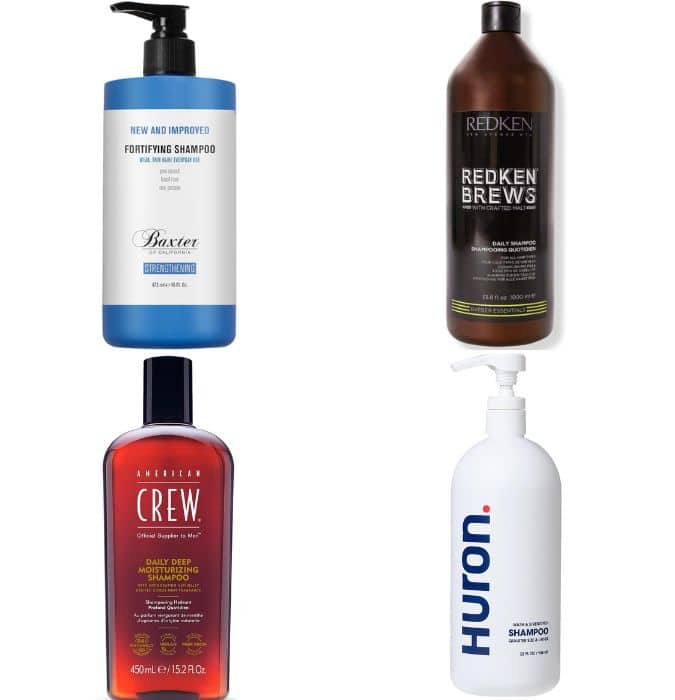
The modern approach to hair cleansing requires a careful balance between hygiene and lipid preservation. Shampoos are formulated to emulsify and lift away accumulated environmental pollutants, dead skin cells, excess sebum, and residual styling polymers. However, daily shampooing can systematically strip the scalp of the natural oils essential for maintaining moisture barriers and hair elasticity.
Barbering experts, including Nick Campbell of the award-winning UK-based Ruffians barbershops, advocate for a calibrated washing frequency. For the average individual, cleansing the hair two to three times a week is entirely sufficient to maintain optimal hygiene without inducing structural dryness. On non-shampoo days, rinsing the hair thoroughly with warm water effectively dissolves water-soluble styling residues and accumulated salts without aggressively disrupting the scalp’s delicate lipid mantle. Individuals dealing with pathological oil overproduction, those residing in high-humidity urban environments, or athletes subjected to daily perspiration may require more frequent interventions.
Technique is equally consequential. Cleansing should focus primarily on the scalp and roots rather than the mid-lengths and ends of the hair shaft. Massaging a coin-sized amount of product into the scalp for approximately 30 to 45 seconds stimulates micro-circulation while ensuring thorough emulsification of sebum.
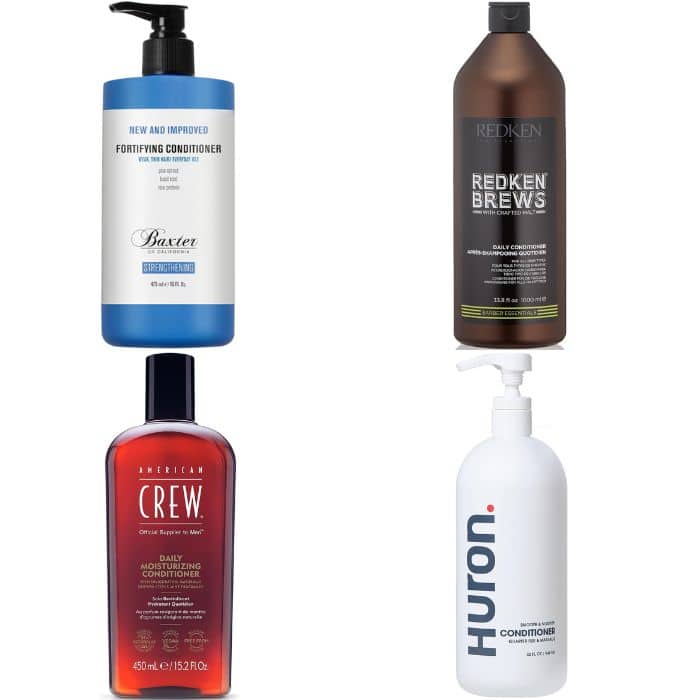
This cleansing step must invariably be paired with conditioning. Just as facial moisturizers replenish hydration lost during cleansing, conditioners restore moisture balance, smooth the cuticle layer, impart natural sheen, and mitigate static electricity. According to clinical guidelines, conditioner should be applied exclusively to the mid-lengths and ends of the hair. Applying rich moisturizing agents directly to the roots often weighs hair down, yielding a flat, greasy aesthetic. For individuals with coarse, highly textured, or afro hair types, specialized leave-in conditioners and natural hair oils serve a dual purpose, providing sustained moisture while softening the hair fiber to facilitate easier styling and curl definition.

Ingredient Literacy: Avoiding Irritants and Harmful Formulations
Consumer awareness regarding cosmetic ingredient labels has reached an all-time high, driven by dermatological research identifying common chemical sensitizers. When evaluating shampoos, conditioners, and treatments, experts recommend scrutinizing formulations for specific compound classes:
- Sulphates: Surfactants such as sodium lauryl sulphate (SLS) and sodium laureth sulphate (SLES) are exceptionally effective foaming agents utilized to generate rich lathers. However, their high detergency can severely strip natural oils, leading to chronic scalp irritation, dryness, and barrier disruption, particularly for individuals with sensitive skin.
- Parabens: Frequently deployed as broad-spectrum synthetic preservatives to inhibit microbial growth and extend shelf life, parabens have faced regulatory scrutiny. While official regulatory bodies continue to evaluate cumulative exposure risks, emerging endocrinological studies suggest potential interference with human hormonal systems and heightened dermal sensitivity.
- Silicones: Compounds ending in "-cone" (such as dimethicone) or "-siloxane" coat the hair shaft in a hydrophobic film, instantly creating an illusion of high gloss and frictionless slip. Over time, however, persistent silicone accumulation forms an impermeable barrier that blocks moisture and nourishing agents from penetrating the hair cuticle.
Additionally, professional groomers advise against heavy, oil-based conditioning treatments for standard male styling routines, as they frequently introduce excessive weight that suppresses natural volume and complicates architectural styling.

Architectural Grooming: Selecting the Right Styling Product
Once the physiological foundation and cleansing protocols are established, selecting the appropriate styling agent depends entirely on hair length, density, texture, and the desired aesthetic outcome. Master barbers universally endorse the principle that "less is more"—starting with a minimal amount of product and building incrementally prevents the common pitfall of product overloading.
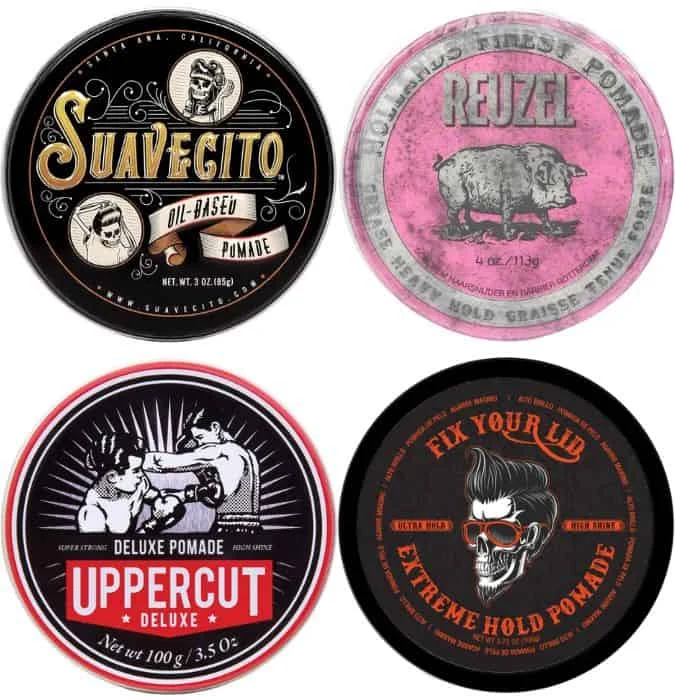
Pomade
Engineered for high-shine, high-hold applications, pomades remain the definitive choice for classic, structured hairstyles such as pompadours, quiffs, and sharp side partings. Divided into oil-based and water-based variants, heavy oil-based formulations offer impenetrable hold that withstands extreme conditions but requires multiple washes to remove. Water-based alternatives sacrifice a fraction of that tenacious grip for effortless washability. Pomades are ideally suited for medium-to-thick hair types but should be strictly avoided by individuals with fine or thinning hair, as their viscous nature causes strands to clump, inadvertently exposing the scalp.

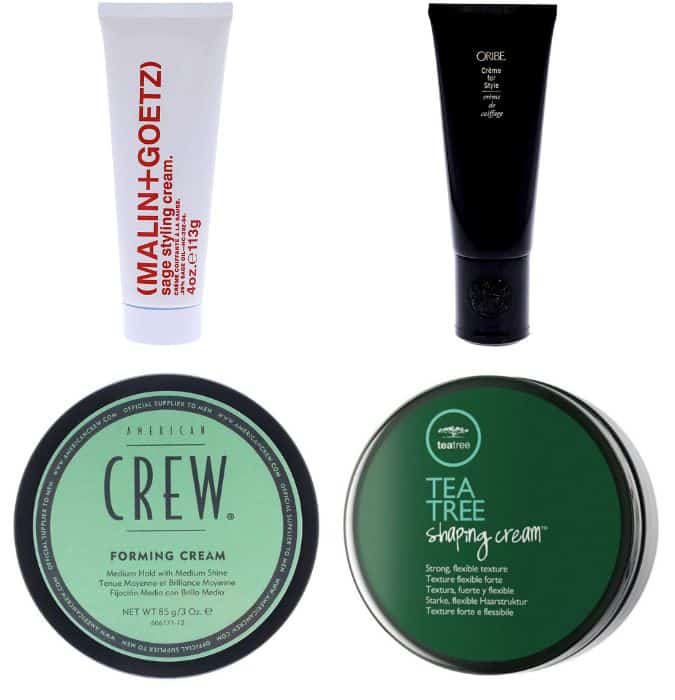
Styling Cream
Styling creams occupy the opposite end of the spectrum, offering lightweight control, low-to-medium hold, and a subtle, natural sheen. Because their chemical structure closely mirrors natural sebum, creams are exceptional for imparting a soft, conditioned finish without structural stiffness. They represent the optimal choice for fine or thinning hair, providing subtle definition without weighing down delicate follicles.
Hair Gel
Historically the dominant force in male grooming, traditional hair gel provides strong hold and a distinct wet-look finish through alcohol- and polymer-based formulas. Modern styling philosophy, however, views heavy gel usage with caution. When applied liberally to create casual, textured looks, traditional gels frequently dry into rigid, flaky, and lifeless carapaces. Gel remains functional primarily for specialized, highly sculpted styles like spikes or mohawks, provided it is applied with extreme restraint.
Paste and Putty
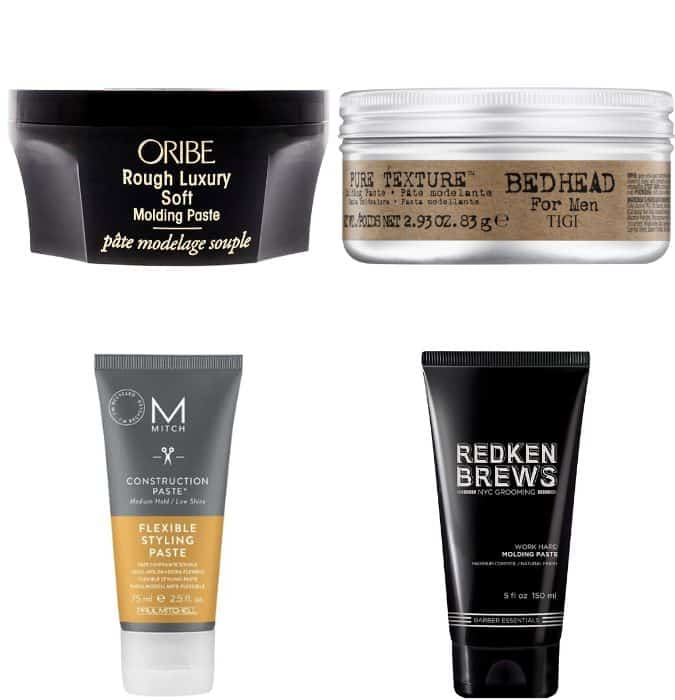
Functioning as a hybrid between a styling cream and a pomade, hair paste is a versatile, pliable medium-to-strong hold product that delivers exceptional textural definition. Suitable for short, medium, and long hair alike, pastes typically yield a modern matte finish and wash out effortlessly due to their water-soluble bases. They adapt seamlessly to blow-drying routines, making them indispensable for loose, voluminous quiffs.
Wax
Hair wax offers superior pliability compared to traditional gels while providing more flexible, reworkable hold than heavy pomades. It provides a less rigid finish for classic slick-backs and side-partings, though like pomades, heavy waxes are generally ill-advised for fine, thinning, or un-heat-styled curly hair.

Clay
Formulated with naturally occurring mineral substances such as bentonite or kaolin clay, hair clay provides a dry, zero-shine finish with robust medium-to-strong hold. The microscopic particles within the clay absorb excess sebum while swelling to expand the hair shaft’s diameter, delivering a significant boost in overall volume and density. Furthermore, dermatological analyses indicate that natural clays assist in drawing out impurities and surface toxins from the scalp while depositing beneficial minerals.
Sea Salt Spray
Designed to replicate the distinct texture achieved after swimming in ocean water, sea salt sprays have evolved into indispensable pre-styling essentials. By utilizing salt to absorb ambient oils and introduce grit, these sprays volumize fine hair, accentuate natural waves, and create an ideal structural foundation for subsequent heavier styling products. Excessive application, however, can induce dehydration, necessitating measured use.
Hairspray
Operating strictly as a finishing agent, aerosol and pump hairsprays utilize polymer blends to lock intricate hairstyles into place. Modern formulations range from flexible to extreme-hold variants, serving as the ultimate structural insurance policy for architectural styles requiring all-day durability.
Essential Tools: Dryers, Combs, and Brushes
Maximizing the performance of grooming products requires utilizing the correct hardware. A high-performance hair dryer featuring variable heat settings, a wattage rating of 1800 or higher, and ionic/ceramic technology significantly accelerates drying time while minimizing thermal degradation. Incorporating a "cool shot" button at the end of a blow-drying session helps set the hair cuticle and lock the hairstyle in place.

Equally critical is the selection of implements used for detangling and distribution. Cheap, injection-molded plastic or sharp metal combs feature abrasive parting lines and sharp edges that can physically lacerate the hair cuticle and irritate the scalp. Experts recommend investing in saw-cut, hand-polished hard rubber or acetate combs, matching tooth spacing directly to hair density—wide teeth for thick, curly hair, and fine teeth for straight strands. For medium-to-long hair, transitioning from combs to high-quality paddle or vent brushes ensures the uniform distribution of natural sebum from root to tip, maintaining overall hair health and structural integrity across the entire head.