










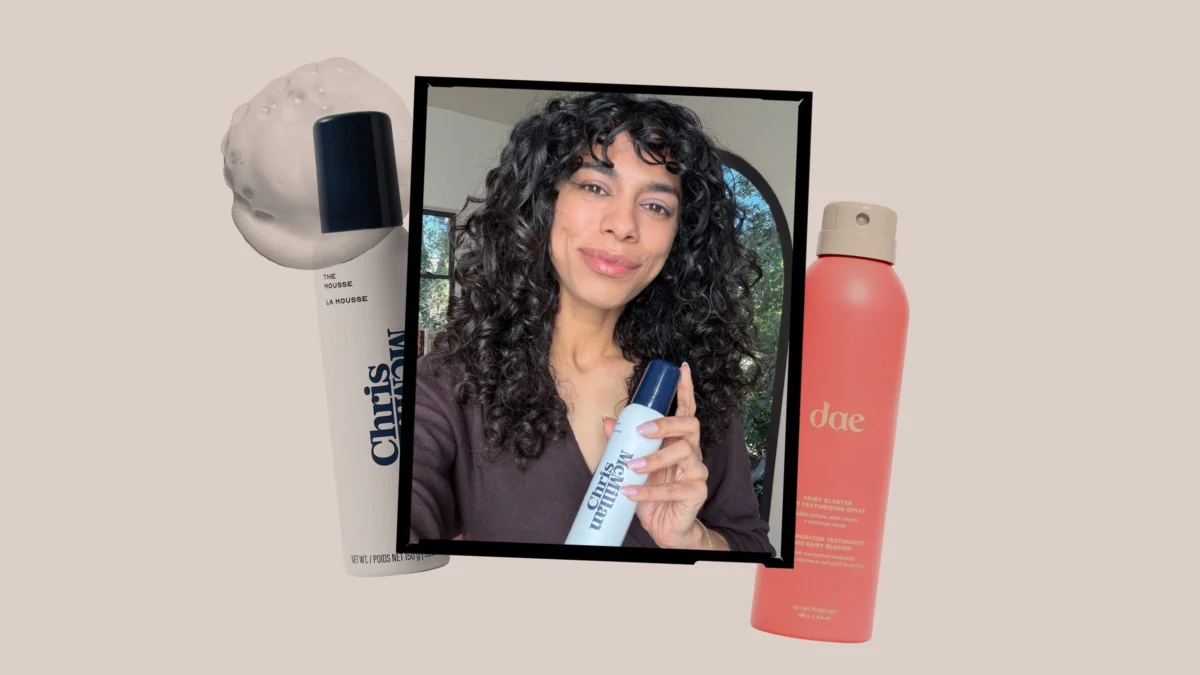
Volumizing hair products are engineered to lift roots from the scalp, creating the illusion of fuller, thicker hair. These formulations can range from weightless sprays that offer a subtle lift to potent mousses and powders that provide significant hold and texture. Cosmetic chemists and hairstylists alike emphasize that the effectiveness of these products lies in their ability to either coat each strand of hair, adding substance, or to create an environment at the root that encourages lift. This can be particularly beneficial for individuals experiencing thinning hair, a common concern influenced by a complex interplay of genetic predispositions, stress, nutritional deficiencies, improper hair care routines, and environmental aggressors like sunlight and aggressive brushing. For those on a regrowth journey, volumizing products can serve as a crucial interim solution, enhancing the appearance of hair density while natural growth occurs.
Understanding the Science Behind Volumizing Hair Products
The primary mechanism behind volumizing hair products is to manipulate the structure and interaction of hair strands. According to experts, some products achieve this by utilizing lightweight polymers and resins. These ingredients form a flexible film around each hair shaft, effectively increasing its diameter. This film can also provide a degree of hold, preventing the hair from collapsing under its own weight. Other formulations focus on the scalp, utilizing ingredients that can absorb excess oil and create a slightly more porous surface at the root, thereby enhancing lift.
A notable aspect of volumizing products is their versatility. Raven Hurtado, a Chicago-based hairstylist, highlighted their utility beyond simple volume enhancement. Hurtado explained to Allure that these products are excellent for updos, providing the necessary grip and texture to keep intricate styles in place. Furthermore, their absorbent properties make them a viable alternative to dry shampoo, capable of refreshing second-day hairstyles without leaving behind a visible residue. This dual functionality underscores the sophisticated formulation behind many modern volumizing treatments.
The impact of these products extends to hair health. While healthy hair can certainly benefit from the aesthetic enhancements offered by volumizers, they can also provide crucial support to compromised locks. Ginger King, a cosmetic chemist, explained that factors such as heredity, stress, poor nutrition, inadequate hair care, and environmental damage can all contribute to hair thinning. In such scenarios, volumizing products can offer an immediate visual improvement, making a significant difference in self-perception and confidence, whether as a standalone solution or a supportive element during the process of hair regrowth.
Choosing the Right Volumizing Product for Your Hair Type and Style
The market is saturated with products claiming to deliver superior volume. However, selecting the most effective option requires a nuanced understanding of one’s own hair type, texture, and desired aesthetic. Santiago, a prominent stylist, advises a personalized approach. For those seeking a smooth, touchable finish, applying a root spray or mousse prior to blow-drying is recommended. These products create a foundation for lift without sacrificing softness.
Conversely, individuals who prefer a more tactile, textured feel to their hair might find aerosol sprays or volume powders to be more suitable. These products often contain ingredients that create a drier, more matte finish, enhancing the perception of fullness and providing a grippier texture that holds styling well. The journey to finding the perfect volumizing product may involve some experimentation, as individual responses to formulations can vary significantly.
Key considerations when choosing a product include its weight and formulation. For fine or thinning hair, opting for lightweight, water-based formulas is generally advisable. These are less likely to weigh the hair down, allowing for maximum lift and movement. For thicker or coarser hair types, products with slightly more substance might be necessary to achieve noticeable volume.
Ingredients to Approach with Caution in Volumizing Formulations
While many ingredients contribute positively to volumizing effects, certain components warrant a more cautious approach. Ginger King has previously advised consumers to be mindful of heavy oils and silicones. She emphasizes that not all oils and silicones are created equal, and their impact on hair volume can be inversely proportional to their weight. While some oils, like coconut and jojoba, offer beneficial moisturizing and softening properties, their density can inadvertently weigh down finer hair, counteracting the desired volumizing effect.
Silicones, too, exist on a spectrum of weight and grade. Without extensive chemical knowledge, discerning their precise impact can be challenging for the average consumer. King offers a practical heuristic: "If it feels greasy on your fingers, chances are it will weigh down your hair." This simple tactile test can serve as a valuable guide in avoiding formulations that might hinder rather than help achieve voluminous locks.
Beyond oils and silicones, consumers should also be aware of ingredients that can build up on the hair over time. While some ingredients are designed to provide hold and texture, excessive accumulation can lead to a dull, heavy appearance, diminishing the very volume they are intended to create. Opting for products with clarifying properties or incorporating a clarifying shampoo into one’s routine periodically can help mitigate this issue.
Expert Insights and Testing Methodologies
The efficacy of hair-care products is often evaluated through rigorous testing protocols. For volumizing hair products, this involves a diverse range of testers with varied hair types, lengths, textures, thicknesses, and colors. This inclusive approach is critical because hair products are frequently formulated to address specific concerns or to optimize performance for particular hair characteristics. For instance, a purple shampoo designed for blonde hair would be of limited use to someone with naturally dark hair. Similarly, a diffuser tested solely on straight hair might not accurately reflect its performance on curls.
In the case of volumizing hair product reviews, Allure has historically enlisted a panel comprising editors, writers, contributors, cosmetic chemists, and makeup artists. These individuals bring a wealth of experience in studying and utilizing such products. Their evaluations typically focus on four primary categories: efficacy (how well the product delivers on its volumizing claims), texture (the feel of the hair after application), experience (ease of use and overall satisfaction), and formula (the composition and perceived quality of the ingredients). This multi-faceted approach ensures that recommendations are based on comprehensive and varied user experiences.
The commitment to diverse testing extends to the broader editorial staff and freelance contributors. Recognizing that beauty products are deeply personal purchases, Allure strives to ensure that its recommendations resonate with a wide audience. This principle is exemplified by the makeup artist who acknowledges that a skincare product’s suitability for individuals over 50 cannot be accurately assessed solely by testers under 30. Likewise, a high-end diffuser’s value cannot be definitively determined if it has never been tested on curly hair. This dedication to a diverse testing pool—spanning ages, skin tones, hair textures, genders, and backgrounds—is fundamental to the publication’s commitment to providing fair and reliable beauty assessments.
The Evolving Landscape of Hair Volume Solutions
The pursuit of voluminous hair is not a new phenomenon, but the methods and products available have evolved dramatically. Historically, women relied on techniques like backcombing and the use of heavy styling waxes, which often resulted in damage and a stiff, unnatural feel. The advent of modern cosmetic chemistry has introduced a more sophisticated array of solutions.
The 1980s and 1990s saw the rise of mousses and hairsprays that offered significant hold, but often at the cost of hair health due to high alcohol content and polymer formulations. The early 2000s brought a greater focus on lighter, more flexible hold products, alongside the introduction of texturizing sprays and powders that aimed to mimic the natural fullness of younger hair.
More recently, the beauty industry has seen a surge in products formulated with ingredients aimed at improving hair health while simultaneously providing volume. This includes the incorporation of proteins, vitamins, and botanical extracts that strengthen the hair shaft and protect it from damage. Furthermore, advancements in ingredient delivery systems allow for lighter, more effective formulations that provide volume without compromising the hair’s natural movement or texture.
The trend towards "clean beauty" has also influenced the development of volumizing products. Many brands are now prioritizing formulations free from parabens, sulfates, and phthalates, offering consumers options that align with their health and environmental values. This shift reflects a growing consumer demand for products that are not only effective but also ethically produced and consciously formulated.
Addressing the Root Causes of Volume Loss
While volumizing products offer an immediate cosmetic solution, understanding the underlying causes of hair thinning is crucial for long-term hair health and confidence. As previously mentioned, genetics play a significant role in determining hair density and growth cycles. However, lifestyle factors can also have a profound impact.
Stress, for instance, can disrupt the natural hair growth cycle, leading to telogen effluvium, a condition characterized by increased hair shedding. Poor nutrition, particularly deficiencies in iron, protein, and essential vitamins like biotin and vitamin D, can also compromise hair health and thickness. Hormonal imbalances, thyroid conditions, and certain medications can also contribute to hair thinning.
For individuals experiencing significant hair loss, consulting with a dermatologist or trichologist is highly recommended. These professionals can diagnose the specific cause of hair thinning and recommend appropriate treatments, which may include topical medications, oral supplements, or other therapeutic interventions. Volumizing products can then be used in conjunction with these treatments to enhance the appearance of hair density and improve overall confidence.
The Future of Volumizing Hair Care
The innovation in hair care, particularly in the realm of volumizing products, shows no signs of slowing. Future developments are likely to focus on even more sophisticated ingredient technologies, such as microencapsulation for targeted delivery of active ingredients, and the use of nanotechnology to create lighter, more effective film-forming agents.
There is also a growing interest in personalized hair care solutions, with brands exploring AI-driven diagnostics and custom formulations based on individual hair profiles. This could lead to a future where consumers can receive volumizing products precisely tailored to their unique needs, maximizing effectiveness and minimizing the trial-and-error process.
Furthermore, the integration of sustainability into product development will continue to be a driving force. Expect to see more innovations in biodegradable packaging, ethically sourced ingredients, and water-saving formulations. The ultimate goal remains to empower individuals with the confidence that comes from healthy, voluminous hair, achieved through science-backed, responsible innovation.