











In the ongoing era of comfort fashion, Birkenstock sandals, particularly the ubiquitous ‘Arizona’ style, have firmly established themselves at the forefront of the enduring "dad sandal" trend. Despite their pervasive popularity and significant cultural cachet, the brand has received a "Not Good Enough" rating from ethical fashion assessors, prompting a focused search for more sustainable and ethically produced alternatives. This assessment, rooted in a rigorous evaluation of environmental, social, and animal welfare practices, highlights a growing tension between mainstream fashion appeal and the increasing demand for corporate responsibility.
The Rise and Scrutiny of a Footwear Icon
Birkenstock, a German footwear company with a history stretching back to 1774, has undergone a remarkable transformation from its orthopedic origins to a global fashion phenomenon. Once considered a niche, comfort-focused brand, and even a fashion faux-pas by some, its chunky cork-soled sandals have defied convention, evolving into an iconic warm-weather staple. The brand’s resurgence gained significant momentum through the late 2010s and into the mid-2020s, propelled by a confluence of factors including social media virality, high-profile celebrity endorsements, a prominent appearance in the 2023 blockbuster Barbie movie, and strategic collaborations with luxury fashion houses such as Rick Owens and Valentino. By 2026, Birkenstock continues its trajectory of market penetration, having expanded into new product categories like a bridal collection with Danielle Frankel and even nail polish, signaling an ambitious diversification strategy. This commercial success was underscored by its highly anticipated initial public offering (IPO) in October 2023, which valued the company at approximately $9.3 billion, cementing its status as a major player in the global footwear market.
However, this meteoric rise in commercial stature has been accompanied by heightened scrutiny regarding the brand’s sustainability performance. Ethical fashion platform Good On You, known for its comprehensive rating system, has consistently rated Birkenstock as "Not Good Enough" across critical dimensions concerning people, the planet, and animals. This assessment suggests a significant disconnect between the brand’s contemporary image and its operational practices from a sustainability standpoint.
Deconstructing the "Not Good Enough" Rating
The "Not Good Enough" rating assigned to Birkenstock by Good On You stems from a detailed analysis of its supply chain and operational policies. The platform’s methodology involves evaluating brands against publicly available information across three key pillars:
-
Planet: This category assesses a brand’s environmental impact, including its use of lower-impact materials, water management, waste reduction, and greenhouse gas emissions. For Birkenstock, the primary concern revolves around a reported lack of integration of lower-impact materials across its product lines. While the brand emphasizes the natural origins of its cork and leather components, the sourcing and processing of these materials, alongside the use of other synthetics, often come with significant environmental footprints if not managed sustainably. The absence of robust, transparent data on renewable energy use or comprehensive waste reduction programs also contributes to a lower environmental score.
-
People: This pillar focuses on labor conditions and human rights within the supply chain. Key indicators include policies on living wages, safe working conditions, freedom of association, and efforts to combat forced or child labor. Good On You’s assessment indicates that Birkenstock lacks sufficient transparency or demonstrable commitments to ensuring living wages for workers throughout its supply chain. While the brand operates factories primarily in Germany, its global supply chain for raw materials and components may extend to regions where labor rights are less stringently protected, and clear policies for monitoring and improving these conditions appear to be lacking in publicly available information.
-
Animals: This category evaluates a brand’s impact on animal welfare, particularly for products using animal-derived materials like leather, wool, or down. Given Birkenstock’s extensive use of leather in its core products, its "Not Good Enough" rating suggests a deficiency in robust animal welfare regulations or certifications. This could include a lack of clear policies on sourcing leather from certified humane farms, ensuring traceability, or avoiding practices such as mulesing for wool (though less relevant for Birkenstock, it illustrates the scope). In an era of increasing consumer awareness regarding animal ethics, the absence of strong, verifiable commitments in this area is a significant concern for many buyers.
In their last comprehensive rating review, Good On You found that these collective deficiencies in lower-impact material adoption, verifiable living wage commitments, and comprehensive animal welfare regulations significantly detracted from Birkenstock’s overall sustainability profile. This finding is particularly salient in a retail landscape where consumer expectations for ethical production are rapidly evolving.
The Broader Landscape: Comfort, Consciousness, and Consumer Demand
The "dad sandal" trend, epitomized by Birkenstock’s Arizona style, is part of a larger shift towards comfort-centric fashion that gained traction in the early 2020s and shows no signs of waning by 2026. This trend, characterized by practical, ergonomic, and often chunky footwear, reflects a societal pivot away from restrictive, purely aesthetic fashion towards items that blend style with ease of wear. Data from market research firms indicates that the global comfort footwear market is projected to continue its robust growth, driven by changing lifestyles and an increasing emphasis on well-being.
Simultaneously, the demand for sustainable and ethical fashion has surged. A 2025 consumer survey by a leading analytics firm revealed that over 70% of consumers globally consider a brand’s environmental and social impact when making purchasing decisions, with a significant portion willing to pay a premium for ethically produced goods. This growing consciousness has placed immense pressure on established brands, including heritage labels like Birkenstock, to adapt their practices and enhance transparency. Brands that fail to meet these evolving expectations risk alienating a significant segment of their customer base and facing reputational damage.
The challenges for heritage brands in particular are multifaceted. Re-engineering complex, long-established supply chains to incorporate sustainable materials, ensure fair labor practices, and implement stringent animal welfare standards can be a costly and time-consuming endeavor. However, the market signals are clear: longevity and authenticity, once sufficient differentiators, must now be paired with verifiable ethical credentials.
The Search for Conscious Comfort: Sustainable Birkenstock Alternatives
Recognizing the widespread appeal of the Birkenstock aesthetic coupled with the brand’s sustainability shortcomings, consumers and ethical advocates are increasingly seeking alternatives that align with both their style preferences and their moral values. The original design ethos of these foot-contouring sandals, developed over centuries in Germany, focused on ergonomic support rather than a flat insole, a principle many ethical brands are now reinterpreting with conscious materials and production methods. The core appeal—a blend of anatomical support, relaxed style, and versatility—remains, but with an added layer of ethical integrity.
The most sustainable fashion choice, as always, remains utilizing what one already owns until it is no longer serviceable. However, for those in need of new footwear, the market for consciously produced sandals that echo the Birkenstock style has expanded considerably. These brands demonstrate a commitment to various aspects of sustainability, from using recycled and innovative lower-impact materials to ensuring fair labor practices and adopting vegan alternatives.
Here are some notable sustainable alternatives:
ESSÄN
Founded in 2016 by Marre Muijs, ESSÄN emerged as a direct response to the prevalent fast fashion cycle, which prioritizes mass production and fleeting trends over craftsmanship and sustainability. The brand meticulously limits its production runs, focusing on a permanent collection that transcends seasonal fashion calendars. This approach inherently reduces waste and overproduction, a significant issue in the fashion industry. ESSÄN also employs low-waste cutting techniques, maximizing material utilization and minimizing textile scrap. Their commitment extends to using responsibly sourced materials and ensuring transparency in their manufacturing processes, offering consumers a truly considered choice for their footwear and accessories.
- See the rating.
- Shop ESSÄN.
Elk
Elk, an Australian design pioneer established in Melbourne in 2004, embodies a design philosophy where simplicity, innovation, and sustainability converge. The brand crafts bi-annual collections with a strong emphasis on timeless designs and ethical production. Elk prioritizes transparency in its supply chain, working closely with manufacturers to ensure fair labor practices and responsible material sourcing. They utilize a range of lower-impact materials and are committed to reducing their environmental footprint through conscious design and operational choices. Elk’s commitment to quality ensures longevity, aligning with the principles of slow fashion.
- Find most items in AU sizes 6-18.
- See the rating.
- Shop Elk.
Up-Fuse
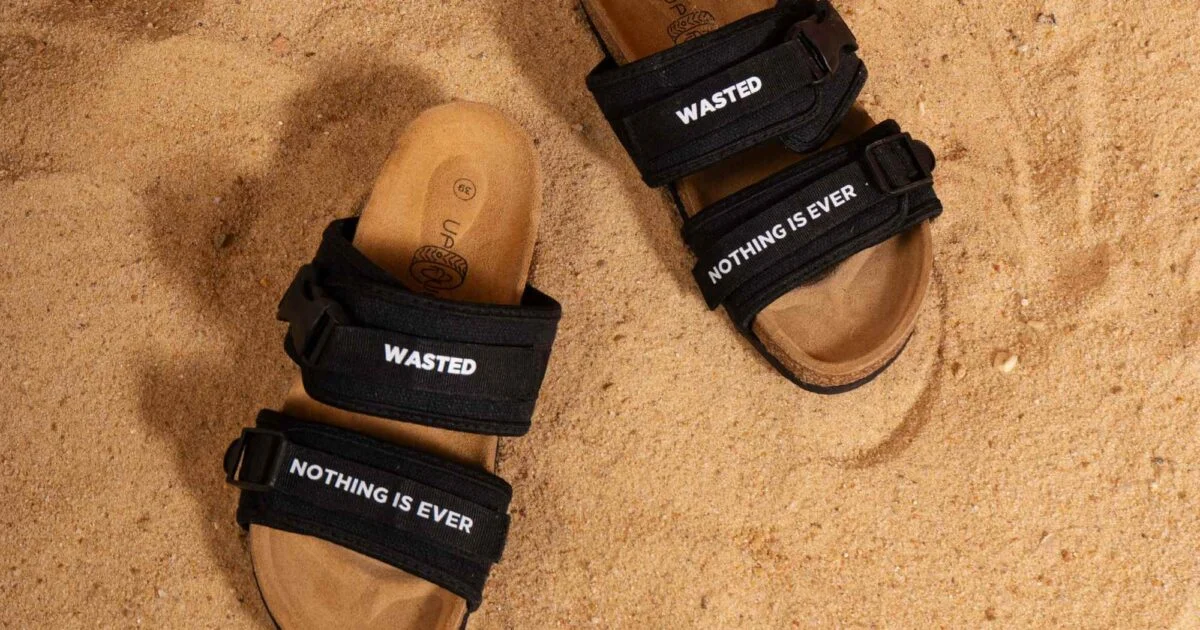
Up-Fuse is a Cairo-based social enterprise driving an eco-conscious lifestyle through innovative product design. Operating under the philosophy that "one’s trash is another’s fabric," Up-Fuse specializes in upcycling materials, primarily plastic waste, into unique and durable products. Beyond its environmental mission, the brand has a profound social impact, collaborating with Syrian, Ethiopian, and Sudanese female refugees in Egypt. This collaboration provides critical employment opportunities, fair wages, and skills training, empowering vulnerable communities while tackling plastic pollution. Their sandals, often featuring distinctive designs born from upcycled materials, offer a truly circular and socially responsible alternative.
- See the rating.
- Shop Up-Fuse.
Spell
Spell, an Australian fashion brand, draws inspiration from eclectic sources: far-off travel, vintage treasures, and nostalgic childhood memories. While known for its bohemian aesthetic, Spell is equally committed to responsible production. All garments are proudly designed and sampled in Byron Bay, Australia, and then produced in factories globally that adhere to ethical labor standards. Spell actively works to improve its environmental footprint by increasing its use of preferred fibers, reducing waste, and implementing responsible water management practices. Their approach blends their distinctive style with a growing commitment to people and the planet.
- Most garments are available in sizes 2XS-2XL.
- See the rating.
- Shop Spell.
Vesica Piscis
Hailing from Spain, Vesica Piscis is a dedicated vegan footwear brand that champions sustainability through its material choices and production methods. The brand uses a high proportion of lower-impact and vegan materials, significantly reducing its environmental footprint. A core tenet of their operation is the use of renewable energy in their manufacturing processes, minimizing reliance on fossil fuels. Furthermore, Vesica Piscis operates on a made-to-order basis, a crucial strategy for eliminating overproduction and textile waste, which is rampant in the conventional fashion industry. This bespoke approach ensures that resources are only expended when there is confirmed demand.
- Find most shoes in sizes 36-46.
- See the rating.
- Shop Vesica Piscis.
Agazi
Agazi, a vegan footwear brand based in Poland, offers a diverse range of shoes, including sneakers, sandals, heels, and flats, all crafted without any animal-derived materials. Their commitment to ethical production is evident in their innovative material choices, which include natural fibers like hemp and cutting-edge plant-based alternatives such as apple skin and grape-based "leathers." By utilizing these materials, Agazi significantly reduces the environmental impact associated with traditional leather production and provides consumers with stylish, cruelty-free options across various footwear categories.
- See the rating.
- Shop Agazi.
Implications and the Future of Ethical Consumption
The ongoing dialogue surrounding brands like Birkenstock underscores a fundamental shift in the consumer landscape. While brand heritage, comfort, and style remain important, they are increasingly being weighed against a brand’s ethical footprint. The "Not Good Enough" rating for a globally recognized brand like Birkenstock serves as a powerful signal to the industry that transparency and demonstrable commitment to sustainability are no longer optional but essential for long-term relevance and consumer trust.
The rise of platforms like Good On You, which provide accessible and comprehensive brand ratings, empowers consumers to make more informed purchasing decisions. This increased scrutiny, combined with growing public awareness of environmental and social issues, is compelling brands across all sectors to re-evaluate their supply chains, material choices, and labor practices. For established brands, this often means significant investment in R&D for sustainable materials, auditing and improving labor conditions, and enhancing transparency across their operations.
The broader implication is a gradual, but irreversible, move towards a more responsible fashion ecosystem. As more consumers actively seek out alternatives that align with their values, the market share for ethically produced goods will continue to expand, incentivizing further innovation and commitment from brands. The story of Birkenstock, while celebrating its commercial success, also highlights the critical imperative for even the most iconic brands to evolve their practices to meet the ethical demands of the 21st century consumer. This transition, while challenging, ultimately promises a future where style and comfort can coexist harmoniously with integrity and sustainability.
Editor’s note: Feature image via Up-fuse, all other images via brands mentioned. Good On You publishes the world’s most comprehensive ratings of fashion brands’ impact on people, the planet, and animals. Use our directory to search thousands of rated brands.
We updated this article on 11 May 2026. Our editors frequently make updates to articles to ensure they’re up to date. We refreshed our selection of products to ensure we’ve got top picks from brands with recent ratings.