










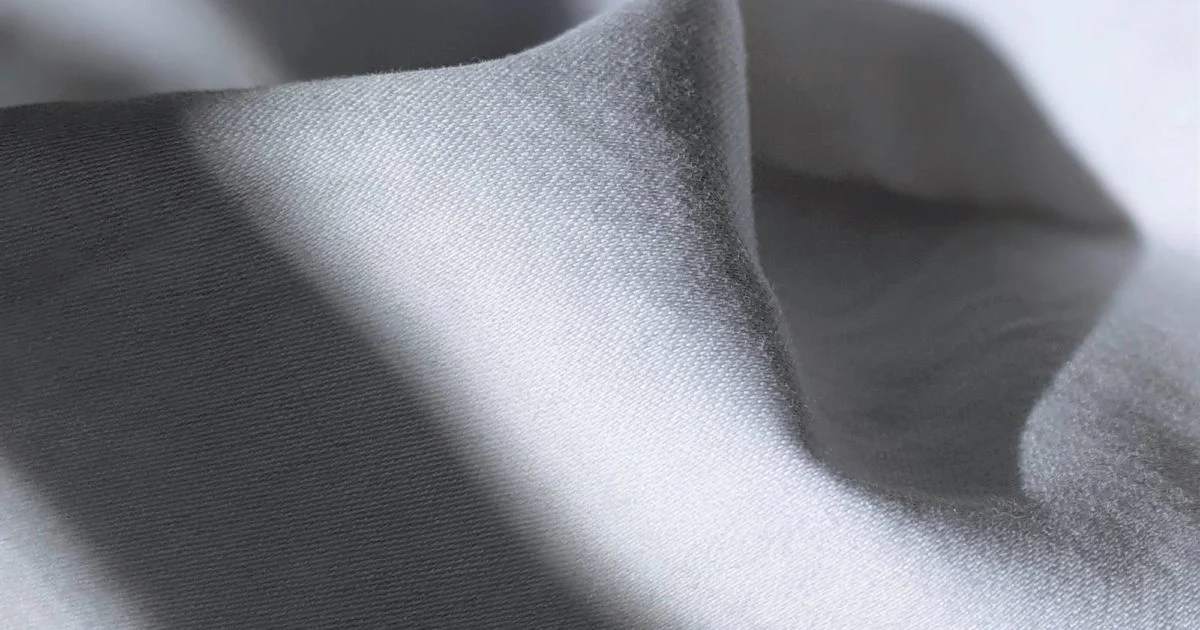
Viscose, commonly known as rayon, stands as one of the fashion industry’s most ubiquitous materials. Classified as a man-made cellulosic fibre (MMCF), its origin from trees often leads to a misconception of inherent sustainability. However, this perception belies a complex reality, positioning viscose as a contentious environmental issue. Despite its plant-based foundation, the journey from tree to textile is fraught with environmental and social concerns, prompting increasing scrutiny from consumers, advocacy groups, and a segment of the industry.
Viscose’s Prominent Role and Historical Trajectory
Viscose holds a significant footprint in the global textile market, commanding approximately 80% of all MMCF production, according to data from Textile Exchange. Its popularity stems from its desirable properties: a soft, smooth texture, excellent drape, and breathability, making it a preferred choice for garments such as flowing summer dresses, skirts, and soft blouses. Beyond apparel, its versatility extends to upholstery, bedding, and carpets. Historically, viscose gained traction as a cost-effective and more durable alternative to silk, as well as a more environmentally benign option compared to conventional cotton or synthetic polyester, though this latter claim is now widely debated.
The genesis of viscose rayon dates back to the late 19th century. French scientist and industrialist Hilaire de Chardonnet (1839-1924) is credited with developing the first commercial viscose fibre. His initial invention aimed to provide a cheaper substitute for natural silk. However, early iterations of the fabric were alarmingly flammable, leading to its swift withdrawal from the market. A safer production process was subsequently developed by the German Bemberg Company. A pivotal moment occurred in 1892 when British scientists Charles Frederick Cross, Edward John Bevan, and Clayton Beadle successfully discovered and patented a more viable production method. By 1905, the first commercially viable viscose rayon entered the market, marking the beginning of its widespread adoption in the textile industry. Over the 20th century, advancements in manufacturing techniques and increasing demand for affordable, versatile textiles solidified viscose’s position as a foundational material in global fashion supply chains.
The Intricate Production Process: From Wood Pulp to Fibre
The manufacturing of viscose begins with cellulose, primarily sourced from the wood pulp of fast-growing, regenerative trees such as eucalyptus, beech, and pine. This natural polymer undergoes a series of chemical treatments to transform it into a usable textile fibre. The process involves dissolving the cellulose material in a chemical solution, typically a mixture of caustic soda and carbon disulphide, to produce a pulpy, viscous substance known as cellulose xanthate. This viscous solution is then extruded through tiny nozzles, called spinnerets, into an acid bath, where the cellulose regenerates into solid filaments. These filaments are then spun into fibres and subsequently into threads, ready for weaving or knitting.
While wood pulp remains the predominant feedstock, the industry is exploring alternative cellulose sources to enhance sustainability. Bamboo-derived cellulose is already in use, leading to "bamboo viscose." Looking ahead, Textile Exchange highlights the potential for agricultural byproducts and post-consumer or industrial waste to serve as future cellulose sources, indicating a shift towards more circular production models. However, these innovations are still nascent compared to the dominant wood pulp pathway.
The Sustainability Conundrum: Unpacking Environmental and Social Impacts
Despite its plant-based origin, the sustainability of conventional viscose production is a significant concern. The rapid expansion of the fast fashion industry has intensified pressure on manufacturers to produce viscose cheaply and quickly, often at the expense of environmental and social responsibility. This has led to the widespread adoption of energy, water, and chemically intensive processes with devastating consequences for ecosystems, local communities, and textile workers.
1. Chemical Intensive Manufacturing and Pollution:
The conversion of wood pulp into viscose fibre is a highly polluting process. The treatment of wood pulp with various chemicals before filtration and spinning releases a range of toxic substances into the air and waterways surrounding production plants. A primary concern is carbon disulphide (CS2), a highly toxic chemical integral to the conventional viscose process. Exposure to carbon disulphide has been unequivocally linked to severe health issues among textile workers and residents near viscose factories, including elevated rates of coronary heart disease, birth defects, various skin conditions, and certain cancers. Beyond CS2, the process can also release other harmful compounds such as sulphur oxides, nitrogen oxides, and hydrogen sulphide, contributing to air pollution and acid rain.
Water pollution is another critical issue. The discharge of untreated or inadequately treated effluents into local rivers and streams can lead to the acidification of waterways, contamination with heavy metals, and depletion of oxygen, severely impacting aquatic life and rendering water sources unsafe for human consumption or agricultural use. The substantial water footprint of conventional viscose production further exacerbates water scarcity in regions where these factories are often located.
2. Deforestation and Biodiversity Loss:
The demand for wood pulp to produce viscose is a significant driver of deforestation, contributing to the rapid depletion of the world’s forests. To meet the ever-growing demand for textile fibres, vast tracts of natural forests, including Ancient and Endangered Forests, are cleared to make way for monoculture pulpwood plantations. This practice has profound ecological repercussions:
- Habitat Destruction: The clearing of natural forests destroys critical habitats for countless species, posing a severe threat to biodiversity and pushing endangered species closer to extinction.
- Carbon Emissions: Forests act as vital carbon sinks. Their destruction releases stored carbon dioxide into the atmosphere, contributing to climate change.
- Human Rights Abuses: Deforestation for pulpwood plantations often involves human rights abuses, including land grabbing from Indigenous communities and local populations who depend on these forests for their livelihoods and cultural heritage. Reports from organizations like Canopy have highlighted numerous instances where these communities are displaced or their rights violated.
Industry Response and Advocacy: Driving Change in the Supply Chain
The environmental and social impacts of conventional viscose production have not gone unnoticed. Advocacy groups and investigative journalists have played a crucial role in exposing these issues and pressuring the industry for change.
The Changing Markets Foundation has been a prominent voice in this discourse. In 2017, the organization published a seminal investigation linking major fashion brands such as Zara, H&M, and Marks & Spencer to highly polluting viscose factories predominantly located in China, India, and Indonesia. This report garnered significant media attention and placed immense pressure on brands to address their supply chain practices. A follow-up report in 2020 by the same foundation revealed disappointing progress, stating that "while viscose suppliers have made considerable strides to eliminate endangered forest fibres from their feedstocks over the years, some 75% of the world’s leading brands have made few to no commitments to sourcing more sustainable viscose." This highlights a persistent gap between awareness and concrete action within the broader fashion industry.
Another key player is Canopy, an organization dedicated to protecting forests. Canopy works directly with brands and producers to ensure that wood pulp for viscose is not sourced from high-risk areas, particularly Ancient and Endangered Forests. Through its annual Hot Button Report, Canopy has achieved remarkable success, tracking 97.5% of the world’s MMCF production and evaluating producers’ risk levels concerning deforestation. This report serves as a critical tool for brands to assess and improve their sourcing practices, driving greater transparency and accountability across the supply chain.
The role of fast fashion giants is particularly significant. Their business model, characterized by rapid production cycles, frequent new collections, and aggressively low prices, exerts immense pressure on manufacturers. This economic pressure often incentivizes the cheapest and fastest production methods, which are typically the most environmentally and socially damaging. While these large brands possess the financial resources and market power to drive more responsible manufacturing, widespread and meaningful action has been slow to materialize. The imperative for greater brand accountability, investment in sustainable innovation, and transparent supply chains is clearer than ever.
Pioneering Sustainable Alternatives: Innovation in MMCF Production
Amidst the challenges, significant advancements are being made in developing more ethical and sustainable alternatives to conventional viscose. These innovations focus on improving sourcing, chemical management, and circularity.
1. Certified and Closed-Loop Viscose:
Companies like Lenzing have emerged as leaders in sustainable MMCF production. Their ECOVERO branded viscose fibre represents a substantial leap forward. ECOVERO is made using sustainably managed wood from certified sources in Europe, adhering to strict standards set by either the Forest Stewardship Council (FSC) or the Programme for Endorsement of Forest Certification Schemes (PEFC). Crucially, ECOVERO manufacturing significantly reduces environmental impact compared to conventional viscose, boasting 50% less water usage and half the carbon emissions. Furthermore, Lenzing implements a sophisticated closed-loop system where nearly all chemicals used during the fibre’s production are recovered and reused, drastically minimizing chemical discharge and pollution.
Lenzing also produces TENCEL Lyocell and TENCEL Modal fibres, which are often cited as benchmarks for sustainable MMCFs. TENCEL Lyocell utilizes a closed-loop solvent spinning process, where the organic solvent used to dissolve the wood pulp is recovered and reused at a rate of over 99%, making it highly resource-efficient. TENCEL Modal, primarily derived from sustainably managed beech wood, is known for its exceptional softness and resistance to shrinkage.
2. Upcycled and Circular Innovations:
The textile industry is increasingly exploring methods to create MMCFs from waste materials, aligning with circular economy principles.
- REFIBRA (Lenzing): This innovative fibre blends wood pulp with a significant proportion of cotton scraps from garment production, thereby giving new life to textile waste.
- Eastman Naia (specifically Naia Renew): Produced by Eastman Chemical Company, Naia Renew is made from a combination of responsibly sourced wood pulp and acetic acid derived from recycled materials. Eastman Chemical Company has received favorable ratings in Canopy’s Hot Button Report, indicating responsible sourcing practices.
- Infinna (Infinited Fiber Company): This groundbreaking fibre is made entirely from cellulose derived from textile waste materials, offering a true circular solution for end-of-life garments.
- Circulose (Renewcell): Similar to Infinna, Circulose is a man-made cellulosic fibre created from 100% textile waste, particularly cotton, diverting it from landfills and giving it new life as high-quality fibre.
- Orange Fiber: A unique innovation, Orange Fiber produces a version of TENCEL Lyocell using cellulose derived from waste orange peel, transforming agricultural byproducts into luxurious textiles.
While these newer fibres represent promising developments, their commercial availability is not yet widespread, and some may not have undergone comprehensive independent analysis against robust sustainability methodologies. Nevertheless, they signify a vital shift towards lower-impact alternatives.
The overall adoption of recycled materials in MMCF production remains low, with Textile Exchange reporting that in 2022, only 0.5% of all MMCFs were created using recycled inputs. However, significant investment is flowing into this area, suggesting that with continued support from brands and increased technological maturity, recycled options are poised to become more prevalent in the coming years.
Consumer Action and Industry Transformation: A Path Forward
Addressing the complexities of viscose sustainability requires a multi-faceted approach involving both industry-wide systemic changes and informed consumer choices.
For Consumers:
- Demand Transparency: When considering a viscose item, consumers should actively seek information from brands regarding their sourcing policies and production processes. Brands that provide assurances about responsibly sourced viscose (e.g., certified by FSC or PEFC) and utilize closed-loop manufacturing are preferable.
- Prioritize Lower-Impact Alternatives: Whenever possible, opting for garments made from certified lower-impact alternatives such as TENCEL Lyocell and Modal, ECOVERO, or emerging recycled options like Infinna and Circulose, can drive market demand for these more sustainable fibres.
- Consider Holistic Material Choices: While focusing on MMCFs, it’s essential to remember that other plant-based fibres like organic cotton, hemp, and linen can also be excellent choices, provided they are cultivated using lower-impact agricultural practices and dyed with eco-friendly methods. It’s equally important to acknowledge that conventional materials like cotton and wool also present their own set of ethical challenges concerning environmental sustainability, labor rights, and animal welfare.
- Embrace Circularity: The most impactful action remains reducing consumption. "Buy less and buy better" is a powerful mantra. Investing in high-quality, durable garments and extending their lifespan through care and repair significantly reduces environmental impact. Furthermore, engaging with the secondhand market through thrifting or resale platforms offers an excellent way to acquire unique styles while minimizing the demand for new production, directly benefiting both the environment and one’s budget.
For the Industry:
- Invest in R&D and Infrastructure: Continued investment in research and development for novel, truly circular fibre technologies and the necessary infrastructure for textile recycling is paramount.
- Strengthen Supply Chain Due Diligence: Brands must implement rigorous due diligence processes to ensure their viscose is sourced responsibly, free from links to deforestation, chemical pollution, and human rights abuses.
- Adopt Robust Certifications: Embracing and promoting certifications like FSC, PEFC, and the EU Ecolabel can provide credible assurance of sustainable practices.
- Policy and Regulation: Governments and regulatory bodies have a crucial role to play in establishing stricter environmental regulations for textile production, incentivizing sustainable practices, and penalizing non-compliant factories.
The journey towards a truly sustainable fashion industry, particularly concerning materials like viscose, is ongoing and complex. While significant challenges remain, the emergence of innovative solutions and the growing collective pressure from consumers and advocacy groups offer a hopeful trajectory. The transformation of viscose from an environmental liability into a genuinely sustainable fibre hinges on a concerted effort across the entire value chain, driven by transparency, accountability, and a commitment to circularity.