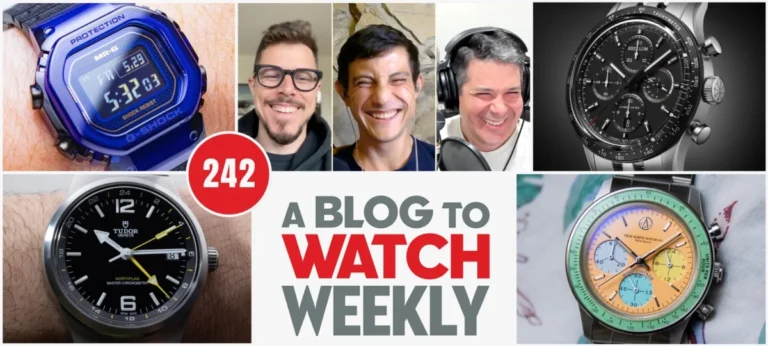









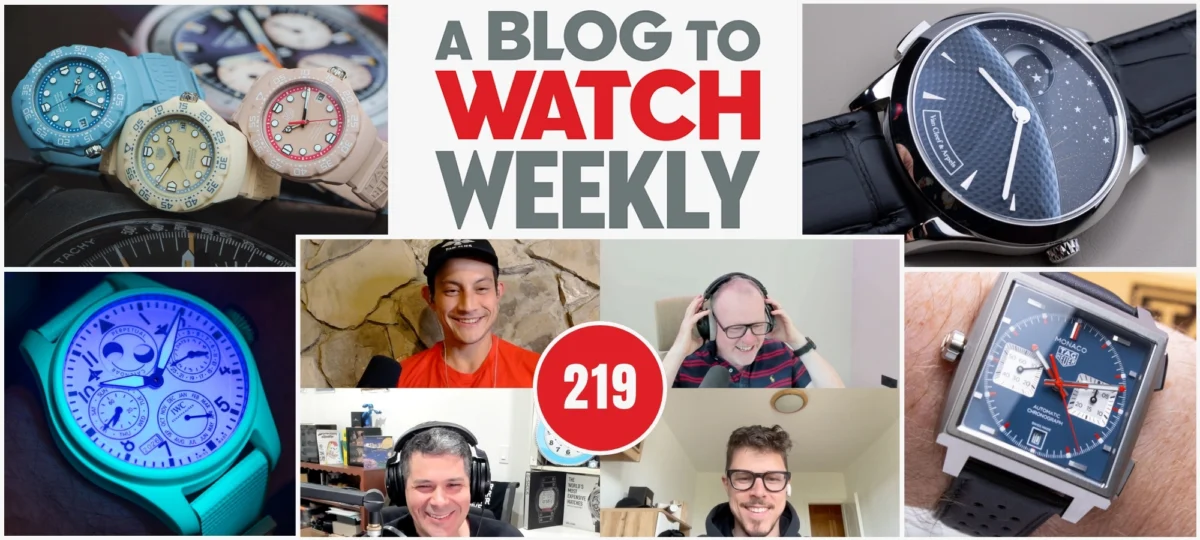
The world of luxury watches, a realm historically defined by heritage, craftsmanship, and aspirational marketing, is currently experiencing a profound identity crisis. This introspection, highlighted on the latest episode of aBlogtoWatch Weekly, centers on a critical question: Who are luxury watch brands truly selling to in today’s rapidly evolving market? The discussion delves into the intricate web of rising prices, unmet consumer expectations, and the often-perplexing chasm between brand messaging and tangible product experience, offering a surprisingly candid examination of where segments of the industry may have veered off course.
The Core of the Crisis: Reaching the Modern Collector
The aBlogtoWatch Weekly crew, in their latest broadcast, dissected the current state of the luxury watch market, identifying a significant disconnect between established brands and their contemporary audience. The conversation was ignited by Ariel Adams’s observations from his recent Watches and Wonders recap, a pivotal industry event. This annual exhibition, typically a showcase of innovation and future direction, seemingly amplified existing anxieties within the sector. Adams’s insights suggested that many brands are struggling to forge genuine connections with collectors in a landscape increasingly shaped by digital influence, changing economic tides, and a new generation of watch enthusiasts with distinct priorities.
The debate touched upon the escalating price points of luxury timepieces, a trend that has accelerated in recent years. While some brands have leveraged scarcity and perceived value to justify these increases, the aBlogtoWatch team questioned whether this strategy is sustainable and whether it alienates a significant portion of potential buyers. The discussion also explored the inherent tension between a brand’s carefully curated image and the actual experience of owning and interacting with their products. When the tangible reality of a watch – its build quality, its functionality, its perceived value for money – fails to align with the aspirational narrative presented by the brand, it can lead to disillusionment and a loss of confidence among consumers.
A Case Study in Marketing Missteps: The London Marathon Fiasco
A particularly illuminating anecdote shared by Rick, a regular contributor to aBlogtoWatch Weekly, underscored the broader marketing challenges facing the industry. His experience at the London Marathon, a globally recognized sporting event with substantial brand visibility, revealed a perplexing lack of presence from official sponsor TAG Heuer. Despite the brand’s prominent role as a sponsor, Rick noted that its visibility was surprisingly minimal, a stark contrast to what one might expect from such a partnership. This observation sparked a wider conversation about missed marketing opportunities and the apparent disconnect between some watch companies and their target audiences.
The London Marathon, held annually, typically attracts millions of viewers globally, both in person and through extensive media coverage. For a luxury watch brand like TAG Heuer, known for its association with sports and high-performance timing, sponsoring such an event presents an unparalleled chance to embed its brand into the narrative of athletic achievement and precision. The apparent lack of impactful brand integration, as described by Rick, suggests a potential miscalculation in marketing strategy. It raises questions about how effectively these brands are translating their sponsorships into tangible brand recognition and consumer engagement, particularly in a competitive sponsorship landscape where other brands might be more adept at capturing attention.
Beyond the Booth: Broader Industry Trends and Consumer Behavior
The aBlogtoWatch Weekly discussion extended beyond specific brand examples to address overarching trends influencing the watch industry. The rise of the "plastic watch" debate, for instance, highlighted a generational shift in consumer preferences. While traditionalists may associate luxury with precious metals and intricate mechanical movements, a new wave of collectors is embracing innovative materials and accessible price points, blurring the lines between high-end and everyday wear. This demographic shift necessitates a re-evaluation of what constitutes "luxury" and how brands can cater to these diverse tastes without diluting their core identity.

Furthermore, the conversation touched upon the often-informal yet crucial aspect of trade show etiquette and the value of promotional merchandise. While seemingly minor, these elements contribute to the overall brand perception and the experience of industry professionals and enthusiasts alike. The team also engaged in lively debates on specific watch models, such as the iconic Monaco, showcasing the passion and detailed knowledge that characterizes the watch community. These exchanges, while lighthearted at times, reveal the deep engagement that enthusiasts have with the industry and their expectations for brands.
The Underlying Dynamics: Data, Context, and Future Implications
To contextualize these discussions, it’s important to consider relevant market data and historical trends. The luxury watch market has demonstrated remarkable resilience in recent years, with sales often outperforming broader luxury goods sectors. Data from Statista, for instance, indicates a consistent upward trajectory in global luxury watch sales, reaching an estimated $40.7 billion in 2023. This growth has been fueled by several factors, including increased demand from emerging markets, a resurgence of interest in mechanical timepieces, and the successful cultivation of secondary markets.
However, this growth has not been without its challenges. The COVID-19 pandemic, while initially disruptive, also accelerated digital adoption within the industry, forcing brands to enhance their e-commerce capabilities and online marketing efforts. The subsequent economic uncertainties and inflationary pressures have also put pressure on pricing strategies. The average price of a luxury watch has steadily increased, with reports suggesting a significant uptick in the average transaction value over the past decade. This trend is partly driven by the introduction of more high-complication and exclusive models, but also by a broader upward price creep across entry-level luxury segments.
The shift in consumer demographics is also a critical factor. According to a report by Deloitte, millennials and Gen Z consumers are increasingly influential in the luxury market, with a greater emphasis on sustainability, ethical sourcing, and brands that align with their values. These consumers are also more digitally native and rely heavily on online reviews, social media influencers, and peer recommendations when making purchasing decisions. This necessitates a more nuanced and authentic approach to marketing, moving beyond traditional advertising to embrace digital storytelling and community building.
Official Responses and the Path Forward
While specific brand representatives were not quoted directly in the aBlogtoWatch Weekly discussion, the industry itself has shown signs of adaptation. Many major watch conglomerates have invested heavily in digital transformation, enhancing their online presence, and engaging with consumers through social media platforms. There’s also a growing emphasis on transparency regarding material sourcing and manufacturing processes, responding to the demand for ethical practices.
Furthermore, brands are experimenting with different distribution models, including direct-to-consumer (DTC) sales, to gain greater control over the customer experience and gather valuable data. The increasing popularity of pre-owned luxury watch platforms also indicates a maturing market where value and authenticity are paramount. Brands that can successfully navigate these evolving consumer expectations and market dynamics are likely to thrive.
The implications of this identity crisis are far-reaching. For brands that fail to adapt, the risk of becoming irrelevant or losing market share to more agile competitors is significant. The disconnect between aspiration and reality can lead to a erosion of brand loyalty, particularly among younger generations who have a wider array of choices and are less bound by historical brand affiliations. Conversely, brands that can authentically connect with their audience, offer compelling value propositions, and adapt their marketing strategies to the digital age stand to benefit immensely. The future of the luxury watch industry hinges on its ability to evolve with its consumers, ensuring that the timeless appeal of horology remains relevant for generations to come. The conversations sparked by aBlogtoWatch Weekly serve as a crucial barometer, reflecting the industry’s ongoing efforts to understand and respond to the complex realities of the modern market.