







Every garment, from the meticulously tailored Italian suit to the rugged denim ensemble, carries a silent narrative, a lineage traceable through centuries of sartorial evolution. The way a jacket is buttoned, the precise break of a trouser cuff, or the choice of neckwear—these are not arbitrary decisions but echoes of innovations pioneered by a select few who dared to challenge prevailing norms, inadvertently crafting the very rules that govern contemporary men’s fashion. This exploration delves into the lives and lasting legacies of ten such luminaries, whose influence transcended mere trends to fundamentally reshape the masculine wardrobe, transforming clothing from a statement of status into a nuanced expression of individuality and modernity.
The Dawn of Modern Elegance: From Extravagance to Understated Sophistication
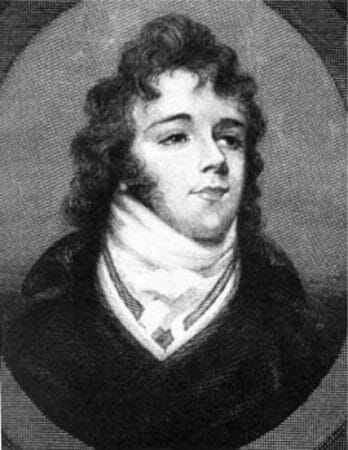
1. Beau Brummell: The Architect of the Dandy
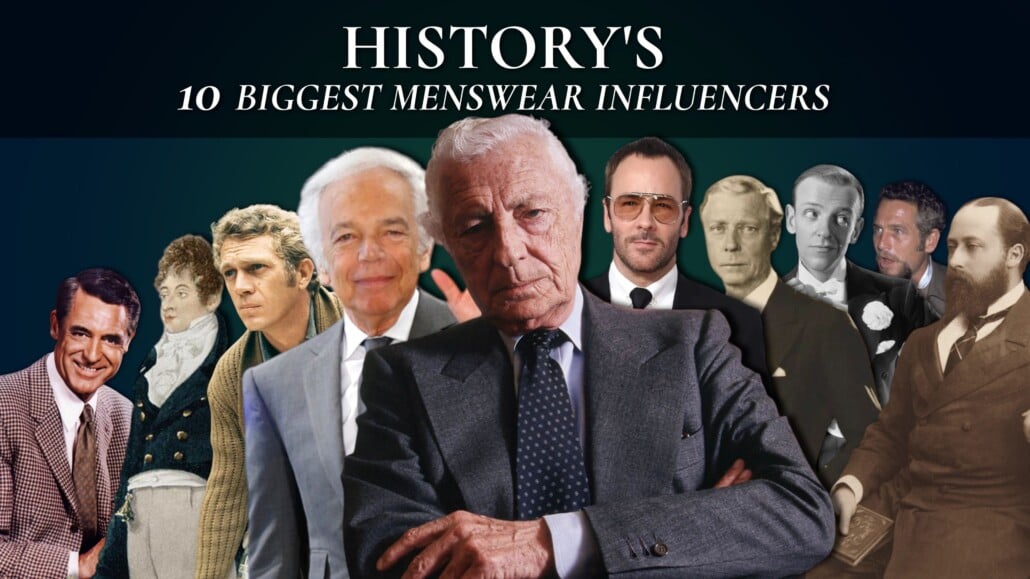
Born George Bryan Brummell in 1778, Beau Brummell emerged as a central figure in Regency England, famously eschewing the flamboyant silks, intricate lace, and powdered wigs that characterized 18th-century aristocratic fashion. His revolution was one of understated elegance and meticulous precision, a philosophy that laid the groundwork for modern tailoring. Brummell championed impeccable fit, subdued color palettes, and an unprecedented emphasis on personal hygiene and grooming. He famously spent hours on his toilette, a ritual that underscored the dandy’s dedication to self-presentation.

Brummell’s key contributions include the widespread adoption of full-length trousers, replacing the knee breeches and silk stockings previously favored by gentlemen. He also popularized the starched neckcloth, an intricately folded and tied linen or muslin precursor to the modern necktie, which demanded both skill and impeccable cleanliness. His influence was profound, earning him the moniker "the Father of Modern Tailoring." He proved that true distinction lay not in ostentation, but in the subtle nuances of cut, fabric, and presentation. His friendship with the Prince Regent (later King George IV) amplified his trends, making his style the benchmark for aristocratic circles across Europe. The lasting lesson from Brummell is that superior fit and immaculate grooming are paramount, transcending the fleeting allure of flashy ornamentation.
Royal Influence and the Subtleties of Style
2. King Edward VII: The Unintentional Innovator
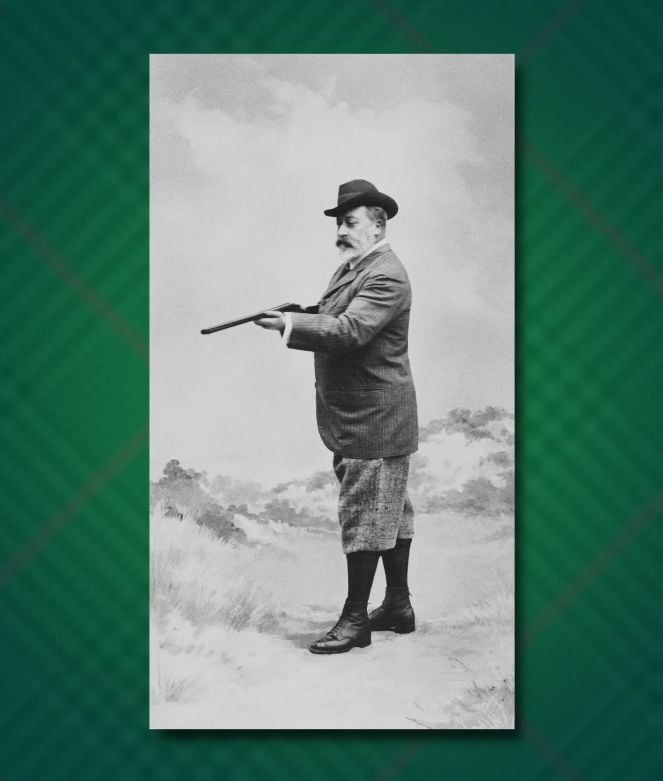
Albert Edward, Prince of Wales and later King Edward VII (1841-1910), possessed a robust physique that often dictated practical adjustments to his attire, adjustments that, owing to his royal status, inadvertently became global fashion standards. His influence was less about intentional design and more about the ripple effect of his personal comfort.
One of his most enduring legacies is the tradition of leaving the bottom button of a waistcoat undone. Originally, this practice arose from his need for comfort, given his girth, but it was quickly emulated by courtiers and, subsequently, the wider public, becoming a widely accepted sartorial "rule." Similarly, he played a significant role in popularizing the Homburg hat, a formal felt hat that he admired during a visit to Bad Homburg in Germany. His adoption of the hat led to its widespread acceptance as a staple of formal daytime wear in the early 20th century. Edward VII’s reign coincided with a period of significant social change, and his style, while often driven by personal preference, helped to formalize certain elements of menswear that endure today. His example underscores the principle that practicality and personal comfort can often be the unexpected catalysts for the most enduring style "rules."
3. The Duke of Windsor: A Royal Rebel Redefining Formalwear
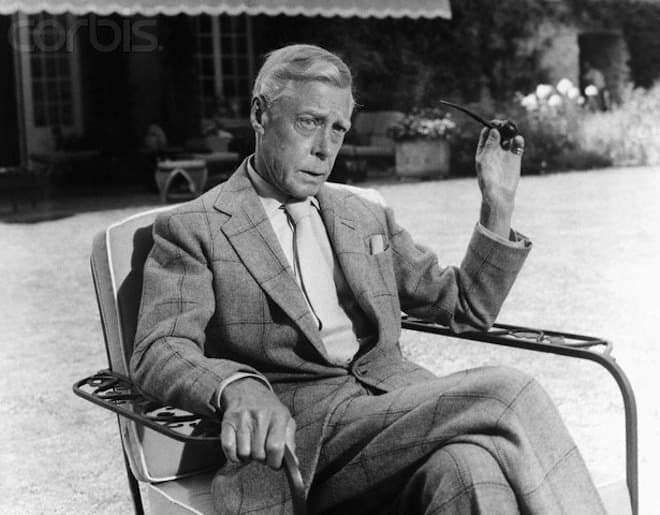
Edward VIII, later the Duke of Windsor (1894-1972), was arguably the most influential style icon of the 20th century. His approach to fashion was a deliberate departure from rigid Victorian formality, prioritizing comfort and visual interest without sacrificing elegance. His unique blend of aristocratic heritage and a penchant for pushing boundaries made him a trendsetter whose choices resonated globally.
The Duke popularized what is often referred to as the "Windsor knot," a wider, more symmetrical tie knot, though he himself favored a specific, substantial knot often referred to as a "double four-in-hand" due to his preference for thicker ties. He championed "soft" dress shirts with attached collars, moving away from the stiff, detachable collars prevalent at the time, thereby enhancing comfort and ease. His fondness for bold patterns, particularly the "Prince of Wales check" (a plaid he inherited and adapted), brought a vibrant flair to traditional suiting. The Duke of Windsor’s style was characterized by a meticulous attention to detail, a willingness to experiment with color and texture, and an overall relaxed elegance that belied his royal stature. His influence demonstrated that true style often means having the confidence to deviate from convention, creating personal statements that stand out. His sartorial choices profoundly impacted American menswear, inspiring designers and gentlemen alike to embrace a more comfortable yet refined aesthetic.
Hollywood’s Golden Age: Grace, Movement, and Timeless Appeal
4. Fred Astaire: Choreographing Sartorial Freedom
Fred Astaire (1899-1987), the legendary dancer and actor, brought an unprecedented sense of "careful carelessness" – known as sprezzatura – to formal wear. His primary contribution was demonstrating that clothing, even the most formal attire, should enhance movement rather than restrict it. Astaire famously insisted on dancing in his newly tailored suits to ensure they allowed for complete freedom, a practice that ensured his on-screen elegance was always fluid and natural.
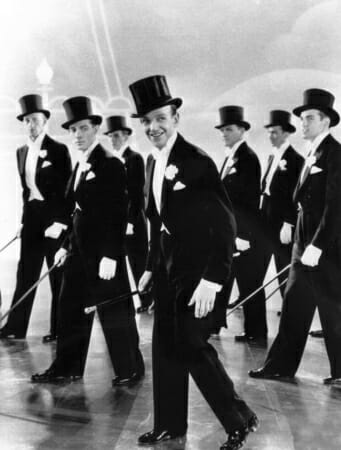
Astaire often opted for lightweight fabrics, a slightly looser cut than was fashionable, and unique pairings like silk shirts with formalwear. He eschewed overly stiff collars and embraced subtle imperfections, such as an artfully loosened tie or a slightly askew pocket square, all contributing to an aura of effortless sophistication. His signature look involved impeccably tailored suits and tuxedos, often in classic dark tones, but always worn with an inimitable ease. He proved that confidence and comfort are intrinsically linked to style, offering a powerful lesson: clothes should never wear the man; rather, they should be an extension of his persona, facilitating confidence and grace. His enduring appeal lies in his ability to make even the most formal attire appear comfortable and lived-in.
5. Cary Grant: The Embodiment of Enduring Sophistication
Cary Grant (1904-1986), the quintessential leading man of Hollywood’s Golden Age, mastered a "Middle-of-the-Road" style that remains a benchmark for timeless elegance. His sartorial philosophy was about consistency and understanding his own proportions, ensuring he was never overly trendy nor visibly dated. This deliberate approach made his style universally appealing and enduring.
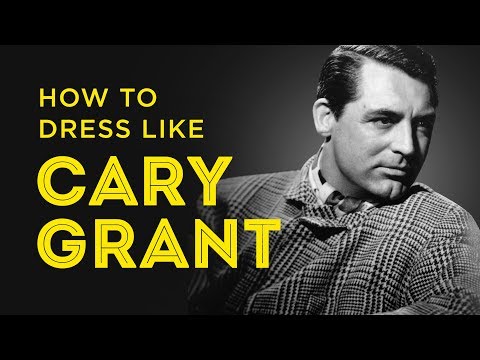
Grant understood the power of a well-fitted suit, often favoring three-piece ensembles in classic colors like grey and navy. He frequently opted for high-waisted trousers, which visually elongated his frame and contributed to his effortlessly polished silhouette. His wardrobe was built on a foundation of impeccably tailored basics – crisp shirts, classic ties, and perfectly shined shoes. He wasn’t known for outlandish fashion statements but for an unwavering commitment to quality, fit, and understated refinement. Grant’s influence extended beyond film, setting a standard for aspirational masculinity. His key lesson is that consistency in classic, well-fitted garments is the hallmark of a personal brand that transcends fleeting fashion cycles. He embodied the idea that true style is about quiet confidence and meticulous attention to detail.
Post-War and Mid-Century Modern: Breaking Rules and Blending Worlds
6. Gianni Agnelli: The Art of Deliberate Disruption
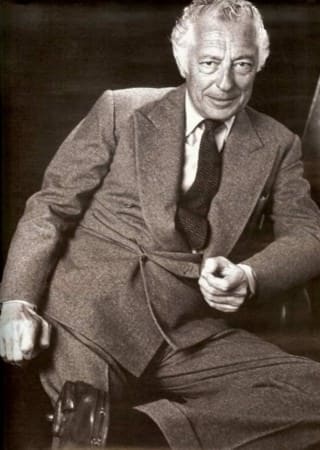
Gianni Agnelli (1921-2003), the iconic Italian industrialist and head of Fiat, personified sprezzatura in its most audacious form. He was renowned for his "signature errors"—deliberate stylistic quirks that signaled an individual confidently above conventional rules. Agnelli’s fashion was a masterclass in subtle rebellion, demonstrating that personal authority could elevate an unconventional choice into a statement of unparalleled chic.
His most famous quirks included wearing his wristwatch over his shirt cuff, a practice born from convenience (he reportedly found it difficult to pull up his cuff to check the time) that became a distinctive mark of his individuality. He would also pair bespoke suits with casual items like hiking boots or boat shoes, and often left the collar of his button-down shirts unbuttoned, even with a tie. Agnelli’s bold choices, often executed with impeccable underlying quality, made him a global style icon. His influence solidified the notion that true style is not merely adherence to rules but the confident, intentional breaking of them. For Agnelli, if a stylistic anomaly was executed with conviction and self-assurance, it became a feature, not a mistake, demonstrating a profound understanding of personal branding through clothing.
7. Paul Newman: Rugged Refinement and Authentic Appeal
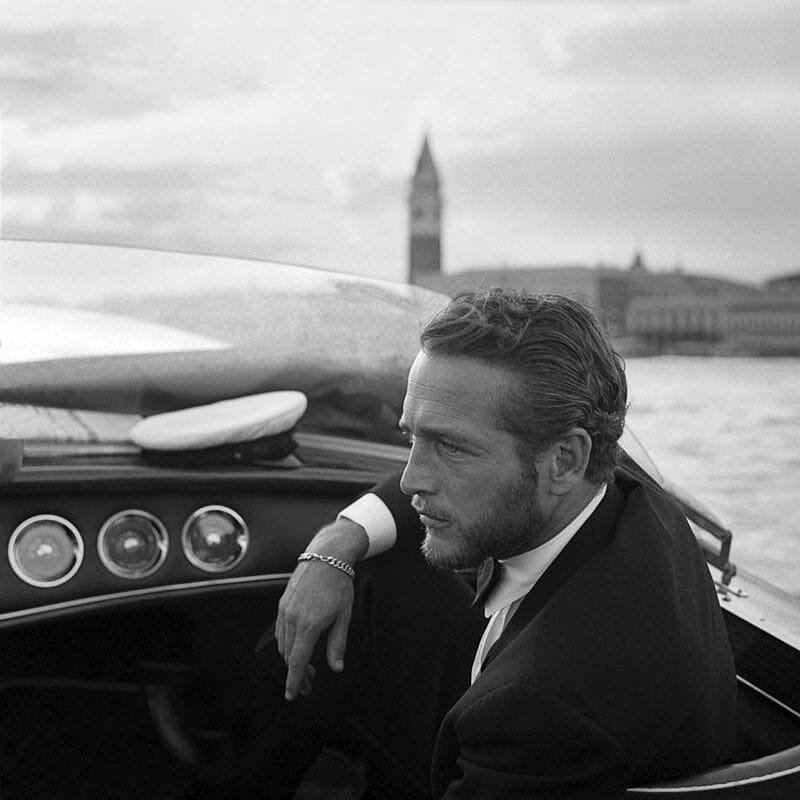
Paul Newman (1925-2008), the legendary actor and race car driver, masterfully bridged the gap between classic tailoring and rugged American sportswear. He proved that a man could embody both sophisticated dapper elegance and authentic, casual masculinity with equal aplomb. Newman’s style was characterized by an effortless cool that made every outfit, from a tuxedo to a denim shirt, appear intrinsically "him."
Newman’s wardrobe often featured tailored suits and sport coats, but he was equally comfortable and stylish in polo shirts, chambray shirts, and denim. He was known for his impeccable yet unfussy taste, opting for high-quality, comfortable pieces that reflected his active lifestyle. His ability to pair a tailored blazer with casual trousers or a simple t-shirt under a sport coat became a blueprint for sophisticated casual wear. His style was always authentic, never appearing as if he was trying too hard. Newman’s enduring lesson is that how one wears clothes—with confidence, authenticity, and ease—can be far more impactful than the garments themselves. He embodied a powerful blend of Hollywood glamour and genuine, down-to-earth appeal.
8. Steve McQueen: The Quintessential ‘King of Cool’
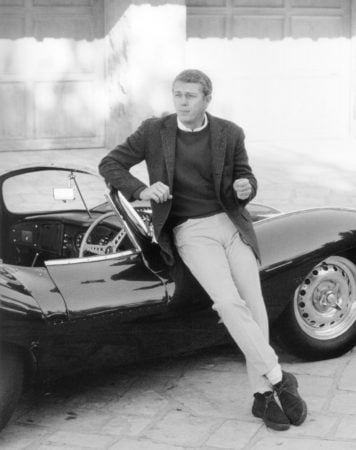
Steve McQueen (1930-1980), another iconic actor and passionate racer, became synonymous with a utilitarian, masculine style that transcended trends. His fashion choices were rooted in practicality and an anti-establishment ethos, drawing heavily from military attire, motorsports gear, and classic workwear, and bringing these items into the mainstream as symbols of effortless "cool."
McQueen’s signature looks often featured leather jackets, Barbour wax jackets, Persol sunglasses, rugged denim, chinos, and desert boots. He favored simple, well-made garments that could withstand the rigors of his adventurous life. His style was never about overt luxury but about functionality, durability, and a quiet confidence that emanated from within. He famously wore items like the Harrington jacket and the Shetland sweater, making them iconic menswear staples. McQueen’s influence cemented the idea that authenticity and a certain rebellious spirit could define sophisticated style. His enduring lesson for men is to invest in high-quality basics that serve a purpose and reflect one’s lifestyle, embodying a style that is both practical and inherently masculine.
Contemporary Visionaries: Crafting Lifestyles and Defining Glamour
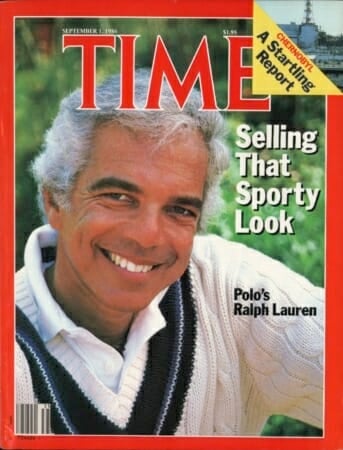
9. Ralph Lauren: The Grand Narrator of American Style
Ralph Lauren (b. 1939) didn’t merely design clothes; he crafted an entire aspirational lifestyle. His genius lay in his ability to curate and synthesize diverse aesthetics—from the refined elegance of the British aristocracy to the rugged individualism of the American West and the preppy sensibilities of the East Coast—and make them accessible to a broad modern audience.
Lauren’s vision, launched with a line of ties in 1967, quickly expanded to encompass a complete universe of clothing, home goods, and fragrances, all imbued with a distinct narrative. He popularized iconic pieces like the polo shirt, tweed jackets, cable-knit sweaters, and distressed denim, presenting them not just as garments but as components of a coveted lifestyle. His campaigns told stories of timeless elegance, adventure, and classic American dreams. Lauren democratized aspirational fashion, allowing individuals to buy into a sophisticated world through his meticulously crafted brand identity. His profound insight is that style is ultimately a form of storytelling, enabling individuals to articulate their desired persona through their wardrobe choices.
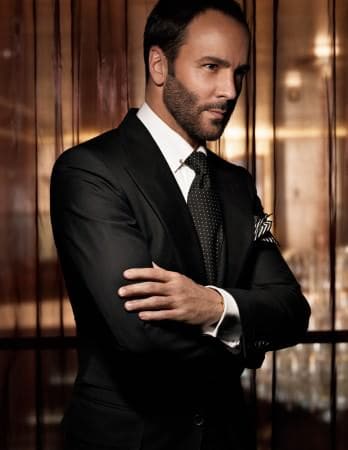
10. Tom Ford: Precision Tailoring and Modern Allure
Tom Ford (b. 1961) emerged as a transformative force in menswear in the late 20th and early 21st centuries, single-handedly bringing sex appeal, sharp lines, and a renewed sense of glamour back to men’s fashion after the oversized, often shapeless silhouettes of the 1990s. His work at Gucci and later under his eponymous label redefined modern luxury and masculine elegance.
Ford’s aesthetic is characterized by impeccably tailored, form-fitting suits that emphasize the male physique, luxurious fabrics, and a sophisticated, often bold color palette. He reinstated the importance of precise tailoring, sharp shoulders, and a confident, almost theatrical, silhouette. His designs exude a powerful sensuality and an unwavering commitment to quality and craftsmanship. Ford’s influence is evident in contemporary red-carpet fashion and the broader trend towards more structured, body-conscious menswear. His famous dictum, "Dressing well is a form of good manners," encapsulates his philosophy. The key lesson from Tom Ford is that one should not shy away from a bold silhouette, provided the tailoring is precise and the overall presentation exudes confidence and meticulous attention to detail. He proved that modern glamour can be both commanding and exquisitely refined.
Conclusion: The Echoes of Influence in Modern Wardrobes
The legacy of these ten menswear icons is a testament to the dynamic interplay between individual vision, cultural context, and the enduring power of personal style. From Brummell’s revolutionary dandyism that stripped away rococo excess, through the inadvertent trendsetting of Edward VII and the deliberate rule-breaking of the Duke of Windsor, to the Hollywood elegance of Astaire and Grant, and the rugged authenticity of Newman and McQueen, each figure contributed a vital chapter to the lexicon of masculine dress. Agnelli’s sprezzatura challenged conventional formality, while Lauren built an empire on aspirational storytelling, and Ford redefined modern glamour.
Understanding these pioneers is not merely an exercise in historical appreciation; it is about grasping the why behind many of our contemporary sartorial choices. Whether donning a bespoke suit for a Black Tie gala or assembling a casual weekend ensemble, individuals today are, consciously or unconsciously, standing on the shoulders of these sartorial giants. Their innovations, preferences, and challenges to the status quo have cumulatively shaped a rich and diverse landscape of menswear, offering a timeless repository of lessons in fit, function, confidence, and personal expression. The evolution of menswear is an ongoing narrative, continuously informed and enriched by the groundbreaking visions of those who dared to dress differently.