








Upgrading one’s wardrobe often begins with high-visibility items such as outerwear, denim, or footwear, while sleepwear is frequently relegated to an afterthought. Many consumers continue to wear sleep garments purchased years prior, rarely considering the origin, composition, or environmental footprint of their nightclothes. However, as the global conscious consumer movement matures, a growing cohort of shoppers is turning a critical eye toward the multi-billion-dollar sleepwear and loungewear market. The imperative to invest in more sustainable pyjamas stems not merely from a desire for comfort, but from a broader ecological awakening regarding how textiles are manufactured, sourced, and disposed of globally.
The Anatomy of Conventional Sleepwear: Environmental and Comfort Implications
To understand why sustainable pyjamas have become a focal point for ethical fashion advocates, one must first examine the materials dominating conventional sleepwear manufacturing. For decades, synthetic fabrics such as polyester, nylon, and acrylic have saturated the global market due to their low production costs and durability. Yet, these fossil-fuel-derived textiles present severe drawbacks for both human comfort and planetary health.
From a physiological standpoint, synthetics are notoriously poor at regulating body temperature and moisture. Because polyester and nylon lack breathability, they trap heat and sweat against the skin during sleep, leading to discomfort, nocturnal overheating, and interrupted rest cycles. Conversely, plant-based and regenerative fibers—such as GOTS-certified organic cotton, European linen, and sustainably sourced bamboo-based viscose or TENCEL Lyocell—possess natural thermoregulating properties. These natural materials wick moisture away from the body, maintaining a stable microclimate around the skin throughout the night.
Beyond personal comfort, the environmental toll of synthetic sleepwear is profound. Derived from petroleum, synthetic fibers contribute directly to greenhouse gas emissions during extraction and refining. Furthermore, every time synthetic garments are laundered, they shed thousands of microplastics—tiny plastic fibers that pass through wastewater treatment plants and enter marine ecosystems, ultimately infiltrating the global food chain. Transitioning to biodegradable, plant-based sleepwear significantly mitigates this microfiber pollution while decreasing reliance on non-renewable fossil resources.
Labor Standards and Animal Welfare in the Sleepwear Sector
Sustainability in sleepwear extends far beyond fabric composition. Ethical production requires a holistic appraisal of supply chains, encompassing worker rights, living wages, health and safety standards, and animal welfare. The fashion industry, historically opaque and decentralized, has often relied on outsourced labor in regions with lax labor laws, exposing workers to excessive hours, unsafe factory conditions, and poverty wages.
When evaluating ethical sleepwear brands, consumers are increasingly encouraged to look for verified supply chain transparency. Independent rating frameworks, such as the Good On You directory, assess brands rigorously across three main pillars: people, the planet, and animals. Labor assessments investigate whether workers receive a living wage, enjoy job security, and operate in safe environments.
Concurrently, animal welfare remains a critical consideration in high-end sleepwear production. While traditional luxury sleepwear has long relied on silk—implying the boiling of silkworms—and mother-of-pearl buttons, conscientious consumers are seeking cruelty-free alternatives. Modern ethical brands have successfully substituted silk with advanced cellulosic fibers like TENCEL Lyocell and bamboo, while replacing animal-derived hardware with corozo nut, coconut shell, or recycled buttons.
Curated Brands Leading the Ethical Sleepwear Movement
To navigate the complex landscape of sustainable fashion, industry experts and editors continuously curate top-performing brands that meet rigorous environmental and social standards. These enterprises demonstrate that luxury, comfort, and ethical integrity can coexist seamlessly.
Sustain by Kat stands out for its commitment to zero-synthetic practices and timeless design. Producing organic women’s and children’s clothing, the brand utilizes GOTS-certified organic cotton and eschews heavy chemical synthetic dyes in favor of low-impact, plant-based colorants. This approach protects both the artisans crafting the garments and the wearers from chemical absorption, offering what the brand terms “clothing with a conscience” in sizes ranging from XS to XL.
Originating in Australia through a partnership between two best friends, Boody has established a global footprint by focusing on everyday essentials crafted from organically grown bamboo. Boody incorporates closed-loop manufacturing systems into its supply chain, recycling water and solvents to minimize chemical discharge, alongside precision cutting techniques designed to reduce textile waste. The brand’s expansive sizing model, spanning from XS to 4XL, has made sustainable loungewear accessible to a diverse consumer base.
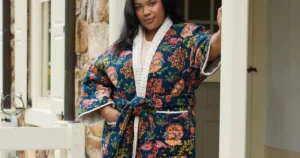
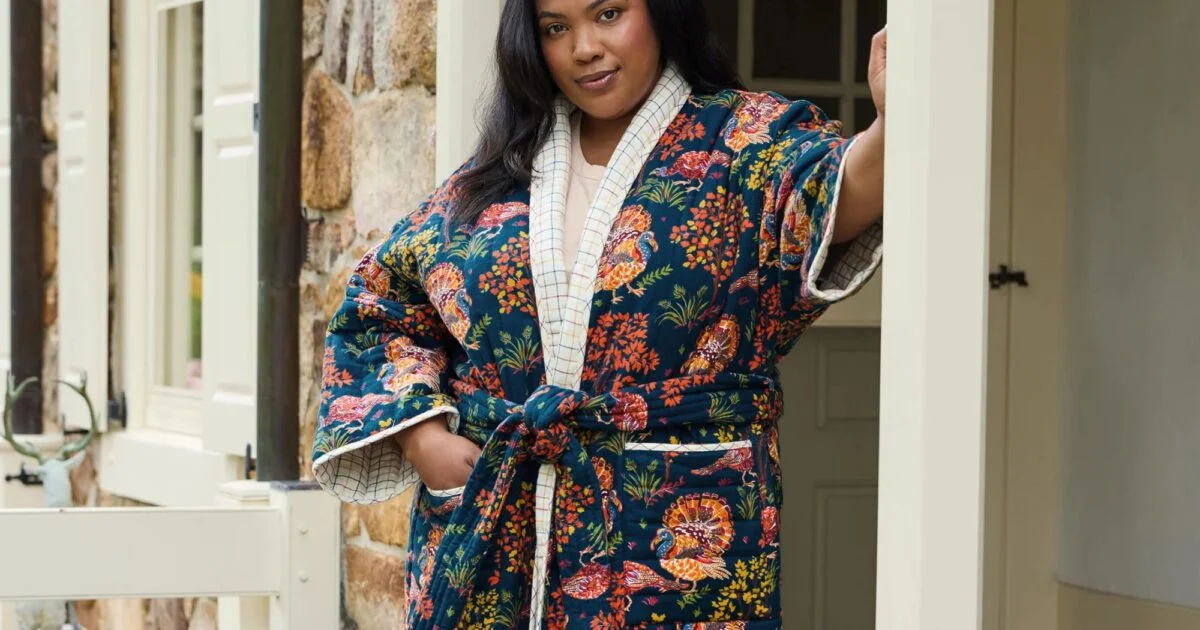
Printfresh, founded in 2016 by textile designer and fashion entrepreneur Amy Voloshin alongside her business partner and husband Leo Voloshin, brings a vibrant, illustrative aesthetic to the sleepwear market. Operating as a majority woman-owned business based in the United States, Printfresh draws inspiration from botanical illustrations, vintage textiles, and animal motifs, offering an expansive size range from 2XS to 6XL that champions inclusive fashion.
International labels also contribute significantly to the ethical sleepwear ecosystem. Noctu, a United Kingdom-based brand, specializes in minimalist nightwear and loungewear crafted from luxuriously soft organic cotton, prioritizing clean silhouettes and uncompromised comfort in sizes S through L. Similarly, Italian apparel designer CASAGiN approaches sustainability through a holistic lens, designing collections that encourage conscious consumerism and resource stewardship across sizing structures from XS to 2XL.
In Denmark, luxury brand Aiayu builds foundational pieces for conscious homes and wardrobes with an uncompromising focus on durability, timeless aesthetics, and supply chain integrity. Established in 2015, Aiayu operates on the principle that the environmental impact, worker treatment, and material origins of a garment are equally as vital as its visual design. Meanwhile, the children’s market is increasingly well-served by brands like Mightly, which offers Fair Trade USA-certified and GOTS-certified organic cotton pyjamas, ensuring that younger generations are introduced to ethical apparel from infancy.
Broader Industry Implications and the Evolution of Sustainable Retail
The proliferation of high-rating sustainable sleepwear brands reflects a structural shift in consumer behavior and corporate accountability. As regulatory bodies in Europe and North America tighten scrutiny on greenwashing and supply chain transparency, fashion brands are facing mounting pressure to substantiate their sustainability claims. Independent rating agencies play a vital role in this ecosystem by translating complex supply chain data into accessible metrics for everyday shoppers.
Furthermore, the integration of extended sizing—exemplified by brands expanding their ranges up to 6XL—signals a maturation of the ethical fashion movement, which increasingly recognizes that true sustainability must be inclusive and accessible across diverse demographics. As consumer awareness deepens and more brands adopt transparent, circular production models, the standard for what constitutes a good night’s sleep is being permanently redefined.