










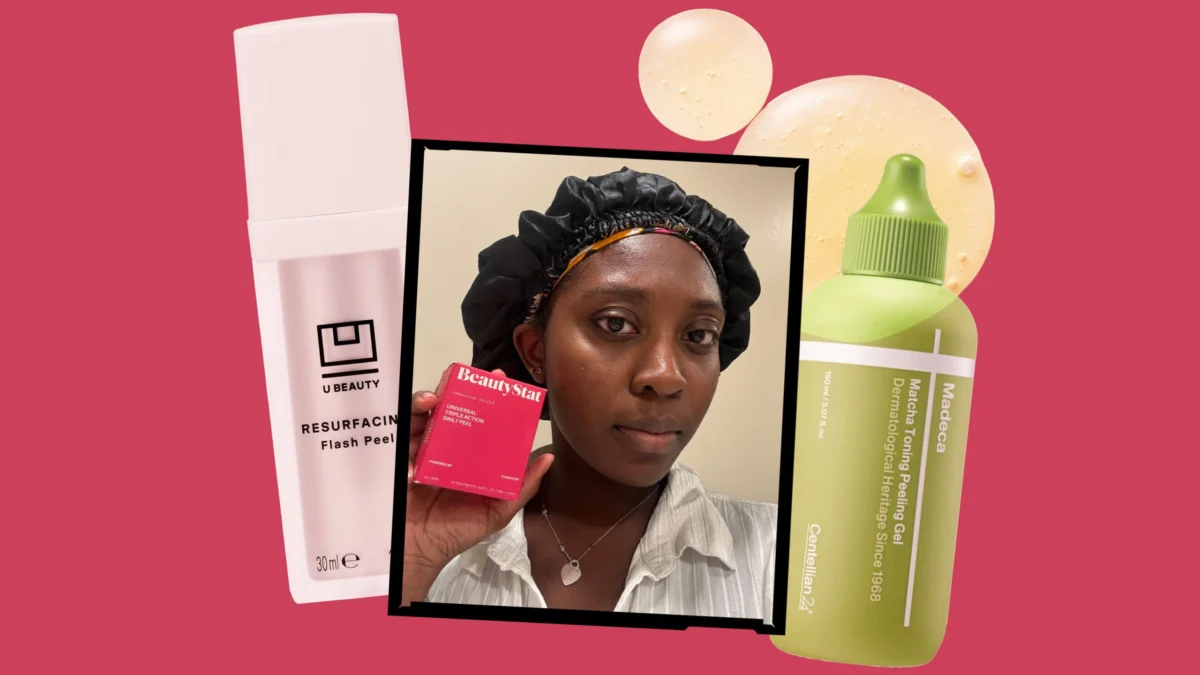
Chemical face peels, often referred to as exfoliating acid masks, are a cornerstone of modern dermatological and cosmetic skincare. Their efficacy lies in a sophisticated process that targets the outermost layers of the skin. "Chemical face peels work by penetrating the outer layers of the skin, breaking down the bonds between dead skin cells and stimulating the production of collagen and elastin," explains Shereene Idriss, MD, a board-certified dermatologist based in New York City. This controlled exfoliation process not only sloughs away dull, damaged skin but also signals the skin’s natural regenerative mechanisms to kick into gear, leading to a smoother, more luminous complexion. While professional treatments offer deeper penetration and more dramatic results, many at-home formulations are designed for superficial exfoliation, making them accessible for individuals seeking to enhance their skincare routine without professional supervision.
The science behind these peels primarily revolves around the use of specific acidic compounds. "At-home chemical peels typically rely on AHAs (alpha hydroxy acids) like glycolic and lactic acid or a BHA (beta hydroxy acid) like salicylic acid to exfoliate the skin," states Mamina Turegano, MD, a board-certified dermatologist based in New Orleans. Alpha hydroxy acids, such as glycolic acid derived from sugarcane and lactic acid found in sour milk, are water-soluble and work on the skin’s surface to loosen the bonds holding dead skin cells together. Beta hydroxy acids, most notably salicylic acid, are oil-soluble, allowing them to penetrate deeper into the pores to exfoliate and address concerns like acne and blackheads. "More gentle peels will include fruit enzymes," Dr. Turegano adds, referring to natural exfoliants derived from fruits like papaya and pineapple, which offer a milder alternative for sensitive skin. It is crucial to note that certain types of peels, such as phenol peels, are exceptionally potent and carry significant risks when used outside of a controlled clinical setting. "She advises against the use of phenol peels at home, as they’re very intense and should only be used for in-office treatments," Dr. Turegano emphasizes, highlighting the importance of professional guidance for aggressive chemical peels.
The Chemistry of Skin Renewal: Key Ingredients and Their Functions
The effectiveness of a chemical peel is intrinsically linked to the active ingredients it contains. Dermatologists universally stress the importance of selecting a peel tailored to individual skin types and concerns. "When looking for an exfoliating acid product, it’s important to find the right one(s) for your skin type and needs," cautions Dr. Idriss. This personalized approach ensures optimal results while minimizing the risk of adverse reactions.
Alpha Hydroxy Acids (AHAs):
AHAs are a diverse group of naturally occurring and synthetic acids celebrated for their ability to improve skin texture, tone, and hydration.
- Glycolic Acid: This is one of the most popular AHAs due to its small molecular size, allowing for deep penetration into the skin. It is highly effective at exfoliating surface dead skin cells, revealing brighter skin underneath. Glycolic acid also stimulates collagen production, which can help reduce the appearance of fine lines and wrinkles over time. Studies have shown that regular use of glycolic acid peels can lead to a significant improvement in skin texture and a reduction in hyperpigmentation. For instance, a study published in the Journal of Cosmetic Dermatology found that glycolic acid peels were effective in treating melasma and post-inflammatory hyperpigmentation.
- Lactic Acid: Derived from milk, lactic acid is a gentler AHA than glycolic acid, making it a suitable choice for individuals with sensitive skin. It exfoliates the skin while also possessing hydrating properties, as it can help the skin retain moisture. Lactic acid is particularly beneficial for addressing uneven skin tone and mild discoloration.
- Mandelic Acid: This AHA, derived from almonds, has a larger molecular structure than glycolic acid, meaning it penetrates the skin more slowly and superficially. This makes it an excellent option for individuals with sensitive skin or those prone to acne, as it is less likely to cause irritation. Mandelic acid also has antibacterial properties, which can be helpful in managing acne.
Beta Hydroxy Acids (BHAs):
BHAs are oil-soluble acids that can penetrate the pores to exfoliate from within.
- Salicylic Acid: This is the most common BHA used in skincare. Its oil-soluble nature allows it to dissolve sebum (oil) and debris within the pores, making it highly effective for treating acne, blackheads, and whiteheads. Salicylic acid also has anti-inflammatory properties, which can help reduce redness and swelling associated with breakouts. Clinical trials have demonstrated the efficacy of salicylic acid peels in reducing acne lesion counts and improving overall skin clarity.
Other Exfoliating Agents:
- Fruit Enzymes: Enzymes like papain (from papaya) and bromelain (from pineapple) offer a very gentle form of exfoliation. They work by breaking down the keratin protein in dead skin cells, facilitating their removal without the potentially harsh effects of acids. These are often found in milder at-home treatments and are suitable for very sensitive skin.
Preparing Your Skin for a Peel: The Crucial Pre-Treatment Phase
Effective chemical peeling extends beyond the application of the product itself; the preparatory phase plays a significant role in optimizing results and minimizing potential side effects. Dermatologists often recommend a pre-peel regimen designed to enhance skin health and receptiveness to the exfoliating agents.
"For a week leading up to a chemical peel, Dr. Turegano finds it helpful to use a gentle exfoliant so that your skin can better absorb the ingredients during the chemical peel," she states. This initial exfoliation helps to prime the skin, ensuring a more uniform penetration of the peel’s active ingredients. Furthermore, incorporating ingredients that bolster the skin’s natural resilience is paramount. "I would also use ingredients to improve your skin’s health, like vitamin C serums and peptide serums," Dr. Turegano advises. Vitamin C is a potent antioxidant that brightens the complexion and protects against free radical damage, while peptide serums support collagen production and skin elasticity. These ingredients work synergistically to prepare the skin barrier, making it more robust and capable of handling the exfoliating process.
The weeks and days leading up to a peel also necessitate a careful avoidance of certain ingredients that could compromise the skin’s integrity or lead to over-exfoliation. This typically includes refraining from using retinoids, harsh physical scrubs, and potentially other exfoliating acids if they are not part of the prescribed pre-peel protocol. The goal is to create a balanced and healthy skin environment, ready to receive the benefits of the peel without unnecessary irritation.
Post-Peel Care: Nurturing and Protecting Renewed Skin
The period following a chemical peel is as critical as the preparation and application. This is when the skin is most vulnerable and actively undergoing its regenerative process. Diligent aftercare is essential for maximizing the benefits of the peel and ensuring a smooth recovery.
"After a peel, protecting your skin with a broad-spectrum SPF 30 (or higher) is essential," emphasizes Dr. Kim. The exfoliating process, by removing the outermost layer of dead skin cells, leaves the underlying skin more susceptible to sun damage. UV radiation can not only undo the positive effects of the peel by causing new pigmentation and accelerating aging, but it can also lead to increased sensitivity and irritation. "It’s important to use sunscreen every day when you’re going to use acids regularly, so your skin doesn’t feel more sensitive to the sun," he adds. Daily sunscreen application is non-negotiable, especially when incorporating exfoliating treatments into one’s routine.
Dr. Kim also advises minimizing sun exposure immediately after a peel: "It’s best to avoid the sun as much as possible the next day, and you should probably skip a peel before heading to the beach or on a sunny vacation." This proactive approach helps prevent sunburn and hyperpigmentation.
When it comes to moisturization, the consensus among experts is that while specialized barrier creams are not always necessary, a good moisturizer is vital. "And while they’re all the rage right now, he says you don’t necessarily need specific barrier cream after your peel and that a regular moisturizer suffices," Dr. Kim notes. However, for enhanced comfort and support during the healing process, a thicker moisturizer can be beneficial. "Dr. Turegano recommends a thicker moisturizer if you have one on hand," she suggests. Furthermore, reintroducing beneficial ingredients can aid in skin repair. "and also encourages the use of peptide or growth factor serums, but it’s important to check your peel’s box or label to make sure these serums won’t interact with the peel you used." Growth factor serums, in particular, can support cellular regeneration and tissue repair, accelerating the skin’s recovery.
Crucially, the post-peel routine should avoid any further aggressive exfoliation. "All of our experts generally advise avoiding retinol, AHAs, BHAs, and physical exfoliants for a few days following the use of a chemical peel to avoid excess irritation," the experts concur. This period of abstinence allows the skin to heal without being subjected to multiple exfoliating stimuli. "This timeline can vary from person to person and is also dependent on the type of peel," notes Dr. Turegano, underscoring the need to follow specific product instructions and listen to one’s skin.
Expert Insights: A Look at the Professionals Behind the Advice
The information and recommendations surrounding chemical peels are often shaped by the expertise of board-certified dermatologists and other skincare professionals. These individuals bring years of clinical experience and scientific understanding to the forefront of skincare education.
-
Shereene Idriss, MD: A board-certified dermatologist based in New York City, Dr. Idriss is a recognized authority in cosmetic dermatology. Her practice focuses on a wide range of dermatological concerns, with a particular emphasis on minimally invasive procedures and advanced skincare techniques. Her contributions to understanding how chemical peels work highlight the biological processes involved in skin regeneration.
-
Mamina Turegano, MD: A board-certified dermatologist practicing in New Orleans, Dr. Turegano is known for her comprehensive approach to skin health. She frequently shares insights on at-home skincare practices, ingredient efficacy, and safe treatment protocols. Her advice on ingredient selection and pre- and post-peel care is grounded in her extensive clinical knowledge.
-
[Implied Expert – Dr. Kim]: While not fully named in the provided text, the contributions attributed to "Dr. Kim" regarding SPF use and moisturizer recommendations indicate the involvement of another qualified dermatologist or skincare expert in shaping the article’s advice. This collective input from multiple professionals ensures a well-rounded and authoritative perspective on chemical peels.
The insights provided by these experts are vital for demystifying chemical peels and empowering consumers to make informed decisions about their skincare. Their guidance emphasizes a scientific understanding of the skin’s response to treatments and promotes safe and effective practices.
Allure’s Rigorous Testing and Review Methodology
The recommendations provided by publications like Allure are not arbitrary; they are the result of a meticulous and multifaceted testing and review process. This methodology is designed to ensure that the products featured are not only effective but also meet the highest standards of quality and safety.
"When Allure tests a product, our editors look at it from every angle in an effort to best serve you," the publication states. This holistic approach involves a thorough examination of several key aspects:
- Ingredient Analysis: Editors scrutinize the ingredient lists, assessing the concentration and synergy of active components. This includes vetting ingredients against scientific and medical studies to confirm their efficacy and safety.
- Brand Claims Scrutiny: Claims made by the brand are rigorously examined for scientific backing and potential overstatement.
- Expert Consultation: In addition to in-house testing, Allure relies on the expertise of professionals in fields such as dermatology, cosmetic chemistry, and medicine. These experts help to validate ingredient claims and assess the scientific basis of product formulations.
For lists specifically focusing on chemical peels, the review process extends to evaluating products across five primary categories:
- Product Ingredients and Efficacy: This is the cornerstone of the evaluation, assessing how well the ingredients perform their intended function and the overall effectiveness of the peel.
- Packaging: The design and functionality of the packaging are considered, including ease of use, preservation of product integrity, and any potential environmental impact.
- Fragrance: The scent profile of a product is evaluated, considering its pleasantness and potential for irritation.
- Texture: The feel and consistency of the product on the skin are assessed, impacting the user experience.
- Product Wear: This category likely refers to how the product performs over time, including its longevity, any potential for pilling, or how it interacts with other skincare products.
Every product included in Allure‘s recommendations is determined to have excelled in each of these categories through the collective judgment of their editorial team, which includes in-house writers, editors, and external contributors. The special consideration from board-certified dermatologists further lends credibility and scientific rigor to the product evaluations. For those seeking a deeper understanding of their evaluation process, Allure provides a comprehensive overview on their reviews process and methodology page.
A Commitment to Diversity in Testing and Product Assessment
Allure‘s dedication to providing reliable and inclusive product recommendations is deeply rooted in their commitment to diversity within their testing panels and editorial staff. They recognize that beauty is a deeply personal and varied experience, and a product’s suitability can vary significantly based on individual characteristics.
"A beauty product is a personal purchase," Allure acknowledges. Whether a consumer is seeking a solution for chronic dryness, a new addition to their self-care routine, or the latest innovative launch, the goal is to ensure satisfaction with every recommendation. This philosophy drives their approach to product assessment.
To achieve this, Allure emphasizes the importance of a diverse team. "We believe that having a diverse team of writers and editors—in addition to the wide range of outside testers and industry experts we regularly call upon—is essential to reaching that goal," they state. This diversity encompasses a broad spectrum of:
- Age: Recognizing that skin concerns and needs change throughout life, testing across different age groups is crucial.
- Skin Tones: Different skin tones can react to products and ingredients in unique ways, necessitating a diverse testing group.
- Hair Textures: For hair care products, a variety of hair textures is essential for comprehensive evaluation.
- Genders and Backgrounds: A wide range of life experiences and perspectives contributes to a more thorough and equitable assessment of beauty products.
This commitment to inclusivity ensures that Allure‘s recommendations are not biased towards a single demographic. They actively question the validity of broad claims if the testing pool is too narrow. For instance, they ask, "Can we really say a skin-care product is the ‘best’ for people over 50 if the only testers we’ve solicited opinions from folks who have yet to hit 30?" This critical self-reflection underscores their dedication to providing truly universal advice. The publication proudly highlights that their staff spans a wide range of demographics, enabling them to "fairly assess any beauty product that comes into the beauty closet." This inclusive methodology ensures that Allure‘s guidance on chemical peels and other beauty products is reliable and relevant for a diverse readership.