











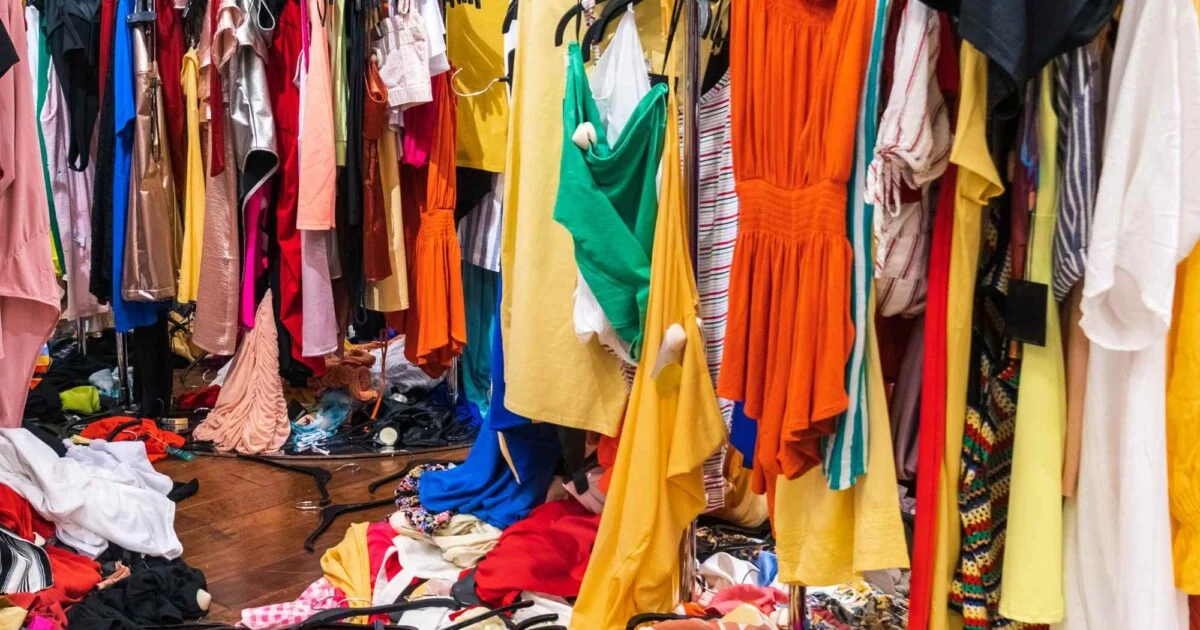
The phenomenon known as fast fashion, characterized by its rapid production cycles, low prices, and fleeting trends, has emerged as a significant driver of environmental degradation, labor exploitation, and ethical concerns across the globe. This article delves into the origins of this destructive industry, dissects its multifaceted impacts, and explores the urgent need for systemic change.
The Genesis of Speed: From Bespoke to Disposable
Before the advent of modern industrialization, clothing was a valuable commodity, meticulously crafted and designed to last. Fashion cycles were slow, dictated by seasonal changes and practical needs, with garments often repaired, repurposed, and passed down. The average consumer acquired new clothes only a few times a year. This paradigm began to shift dramatically with the Industrial Revolution in the 18th and 19th centuries. The invention of the sewing machine in the mid-19th century, particularly Elias Howe’s 1846 patent and Isaac Singer’s subsequent commercialization, democratized clothing production. Textile mills proliferated, enabling mass manufacturing of fabrics and ready-to-wear garments.
The mid-20th century saw a further acceleration. Post-World War II economic booms in Western nations led to increased disposable incomes and a burgeoning consumer culture. Fashion houses still dictated trends, but retailers began to interpret these trends more rapidly, making them accessible to a wider market. However, the true "fast fashion" era solidified in the 1980s and 1990s. Brands like Zara and H&M pioneered a revolutionary business model: compressing the traditional fashion calendar from months into mere weeks. Their strategy involved quickly replicating catwalk designs and celebrity styles, producing them cheaply in vast quantities, and distributing them globally. This created an unprecedented demand for novelty, transforming clothes shopping from an occasional necessity into a frequent recreational activity. By the early 2000s, this model was firmly entrenched, promising consumers the latest trends at prices so low they could be worn a few times and then discarded without a second thought. The term "fast fashion" itself gained prominence in the early 1990s when The New York Times used it to describe Zara’s then-revolutionary 15-day turnaround from design to store shelf.
Milestones of Tragedy: The Human Cost Unveiled
The hidden costs of this accelerated production model, however, were starkly revealed through a series of devastating human tragedies. The historical roots of labor exploitation in garment manufacturing can be traced back to the early 20th century. One of the most infamous examples is the Triangle Shirtwaist Factory fire in New York City on March 25, 1911. This catastrophic event claimed the lives of 146 garment workers, predominantly young immigrant women, who were trapped inside a burning factory due to locked exit doors and inadequate safety measures. The fire exposed the horrific working conditions, long hours, and meager wages prevalent in the burgeoning garment industry, leading to significant labor reforms and the growth of unionization efforts in the United States.
However, as production shifted overseas to exploit cheaper labor and less stringent regulations, these lessons were often forgotten. The most significant modern "reality check" for the global fashion industry occurred on April 24, 2013, with the collapse of the Rana Plaza building in Savar, Bangladesh. This eight-story commercial complex housed five garment factories, employing thousands of workers who produced clothing for major international brands. Despite visible cracks appearing in the building the day before, workers were forced to return under threat of dismissal. The collapse killed 1,134 people and injured over 2,500, making it the deadliest garment factory disaster in history. The Rana Plaza tragedy unequivocally exposed the perilous working conditions, abysmal wages (often less than $3 per day), and absence of fundamental human rights endured by garment workers at the base of the fast fashion supply chain. It ignited a global outcry, prompting consumer awareness campaigns like "Fashion Revolution Week," which commemorates the anniversary, and renewed calls for greater transparency, accountability, and improved safety standards from brands and governments worldwide. This event brought into sharp focus the true human cost behind a $5 t-shirt.
The Environmental Catastrophe: A Planet Under Pressure
The environmental footprint of fast fashion is staggering and far-reaching, making the industry one of the world’s largest polluters. The relentless pressure to minimize costs and accelerate production cycles often leads brands to cut corners on environmental safeguards.
Water Pollution and Consumption
The fashion industry is a major consumer and polluter of global water resources. Textile dyeing and finishing processes, particularly prevalent in fast fashion due to the constant demand for new colors and styles, rely heavily on cheap, toxic chemical dyes. These dyes, along with other hazardous chemicals, are frequently discharged untreated into waterways in manufacturing regions, contaminating rivers, lakes, and oceans. The **Green