









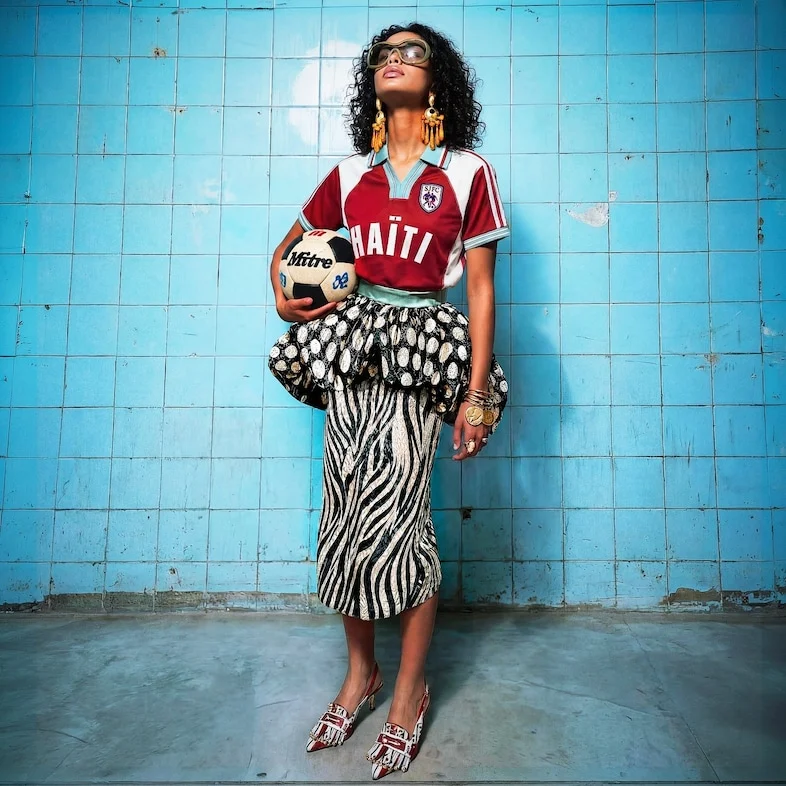
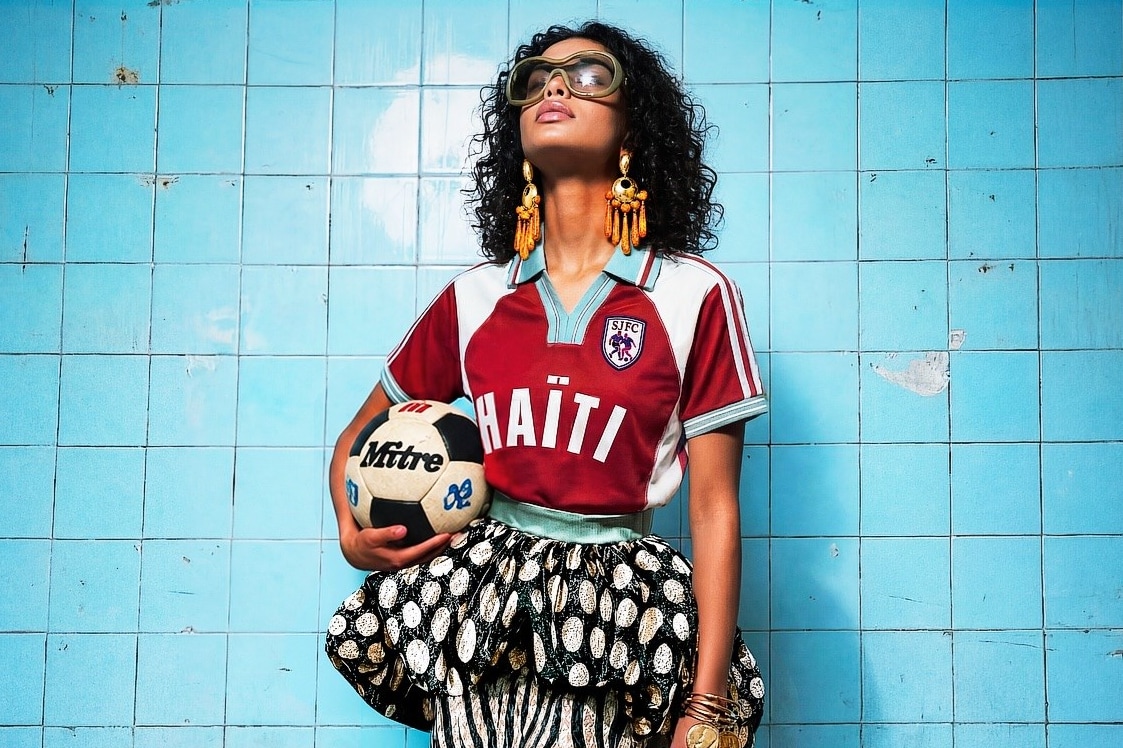
In an unforeseen development that has captivated the global sports and fashion communities, Haiti has secured a spot in the upcoming 2026 FIFA World Cup, marking their first appearance in the tournament in over five decades. This significant achievement comes as a striking contrast to football powerhouse Italy, who, in a surprising turn of events, did not qualify for the prestigious global competition. Haiti’s participation will be only its second in history, following its debut in the 1974 FIFA World Cup held in West Germany. This monumental sporting milestone has resonated deeply, particularly within the Haitian diaspora, and has inspired a unique cultural celebration spearheaded by Haitian-Italian fashion designer Stella Jean. To honor this historic moment, Jean is launching an exclusive series of special-edition, hand-stitched football jerseys, each bearing the number 26—a direct homage to the 2026 tournament.
Haiti’s Road to the World Cup: A Story of Resilience and Hope
Haiti’s qualification for the 2026 World Cup is more than just a sporting victory; it represents a profound symbol of resilience and hope for a nation frequently grappling with severe socio-political and economic challenges. The last time Haiti competed on football’s grandest stage was in 1974, a tournament hosted by West Germany. Under the leadership of coach Antoine Tassy, the Haitian national team, famously known as Les Grenadiers, made history by becoming the first Caribbean nation to qualify for the World Cup. Their campaign saw them drawn into a tough group alongside Argentina, Poland, and Italy. Despite losing all three matches, including a memorable 7-0 defeat to Poland and a 3-1 loss to Argentina, their sole goal came against Italy, scored by Emmanuel Sanon, breaking Dino Zoff’s record of 1,142 minutes without conceding a goal. This singular moment, though in defeat, etched Haiti into football lore and demonstrated the spirit of a team that dared to dream.
The intervening 52 years have been marked by political instability, natural disasters, and persistent economic hardship for Haiti. The nation has faced numerous coups, earthquakes, and humanitarian crises, often leaving its population in a precarious state. Against this backdrop, the success of the national football team offers a powerful narrative of unity and potential. Football, globally recognized as ‘the beautiful game,’ frequently transcends political divides and offers a communal sense of identity and pride. For Haiti, this qualification not only elevates its profile on the international sporting stage but also provides a much-needed morale boost for its citizens, both domestically and abroad. It draws international attention to the country in a positive light, shifting focus from its struggles to its achievements. While specific details of the qualification pathway for the 2026 tournament are still emerging, given the expansion of the World Cup to 48 teams, it is understood that CONCACAF nations will have increased opportunities for direct qualification, a factor that undoubtedly played a role in Haiti’s remarkable journey.
Stella Jean: Weaving Culture and Advocacy into Fashion
Stella Jean, known for her distinctive "ethical fashion" approach and vibrant celebration of cross-cultural dialogue, has once again leveraged her platform to champion her dual heritage. Her decision to release special-edition jerseys is a natural extension of her design philosophy, which consistently intertwines social commentary with high fashion. Jean’s work is characterized by the fusion of traditional Haitian textiles and craftsmanship with classic Italian sartorial elegance, creating pieces that are both visually striking and rich in narrative. Each hand-stitched jersey, emblazoned with "26," embodies her vision of a "year of rebirth." Jean articulates this sentiment powerfully, stating, "52 years later, we celebrate Haiti shining again on football’s biggest stage. It’s never too late to rise, to lift our heads and make the impossible visible." This statement encapsulates the profound emotional and symbolic weight of Haiti’s achievement, framing it as a testament to perseverance against adversity.
This is not the first time Jean has designed for Team Haiti, nor the first time her work for the nation has garnered significant attention. Earlier in the year, in February, she designed Team Haiti’s Winter Olympics kit for the 2026 Games, which became a viral sensation and arguably the standout uniforms of the entire event. That collection was praised not just for its aesthetic appeal but for its potent political message. At the time, Jean told Dazed, "We are one of the smallest, poorest delegations, but in this Olympic arena, we will be equal to all the others. We are so much more than the tragedy that we are living right now," directly referencing Haiti’s ongoing political unrest. Her designs served as a visual declaration of dignity and strength, asserting Haiti’s presence and inherent value beyond its geopolitical struggles. The impact of these Olympic uniforms highlighted Jean’s unique ability to transform athletic wear into a powerful medium for cultural affirmation and international advocacy.
The new football jerseys, available for pre-order now via Stella Jean’s official website, extend this message of empowerment to a broader audience. Unlike the exclusive Olympic kits, these football jerseys are accessible to anyone wishing to express solidarity and pride. Jean’s invitation to wear the jersey is a call to action: "Wear it the Haitian way: bold, proud, unbreakable. If your flag does not fly this season, stand anyway. Stand for Haiti. Stand for all who still hunger for the only revolution needed: peace." This powerful invocation underscores the universal appeal of Haiti’s story and positions the jersey as a symbol of global unity and the pursuit of peace, especially pertinent in a world often fragmented by conflict. The cultural and ethical implications of Stella Jean’s initiative are significant, as it not only celebrates a national achievement but also promotes conscious consumption and raises awareness about Haiti’s ongoing narrative of resilience.
The Broader Fashion Landscape: A Week in Review
Beyond the inspiring narrative of Haiti’s World Cup journey and Stella Jean’s artistic response, the fashion industry has been abuzz with several other notable developments this week, showcasing a diverse range of creative collaborations, brand expansions, and stylistic statements. These movements collectively illustrate the dynamic and ever-evolving nature of contemporary fashion, from high luxury to accessible streetwear.
16Arlington Unveils ‘Bambola’ Summer Collection
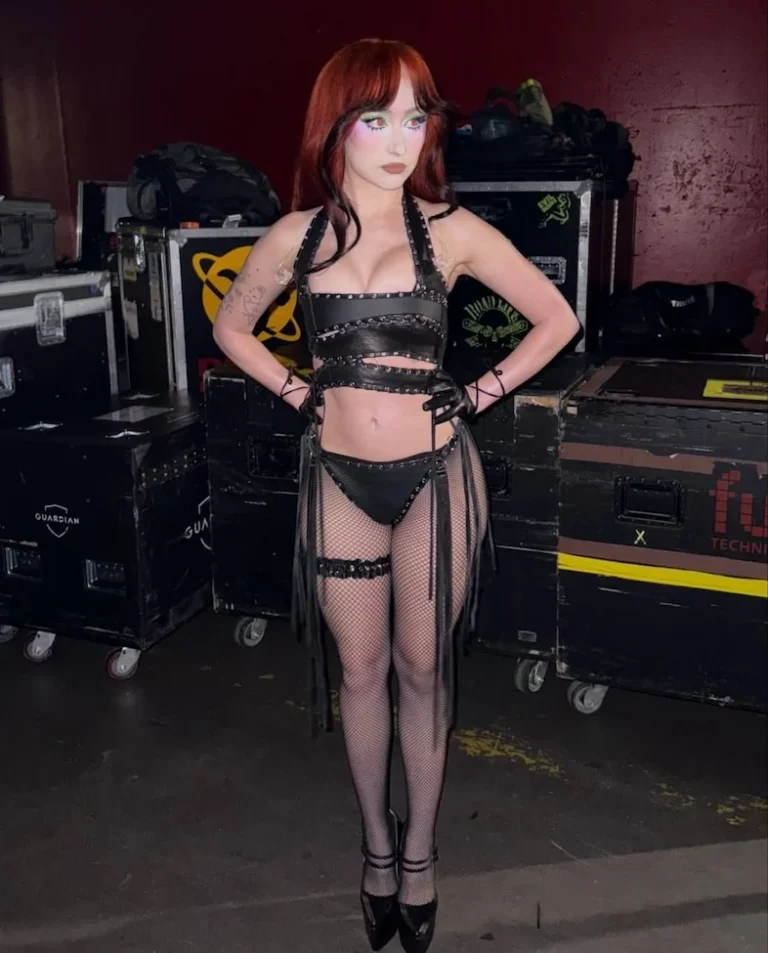
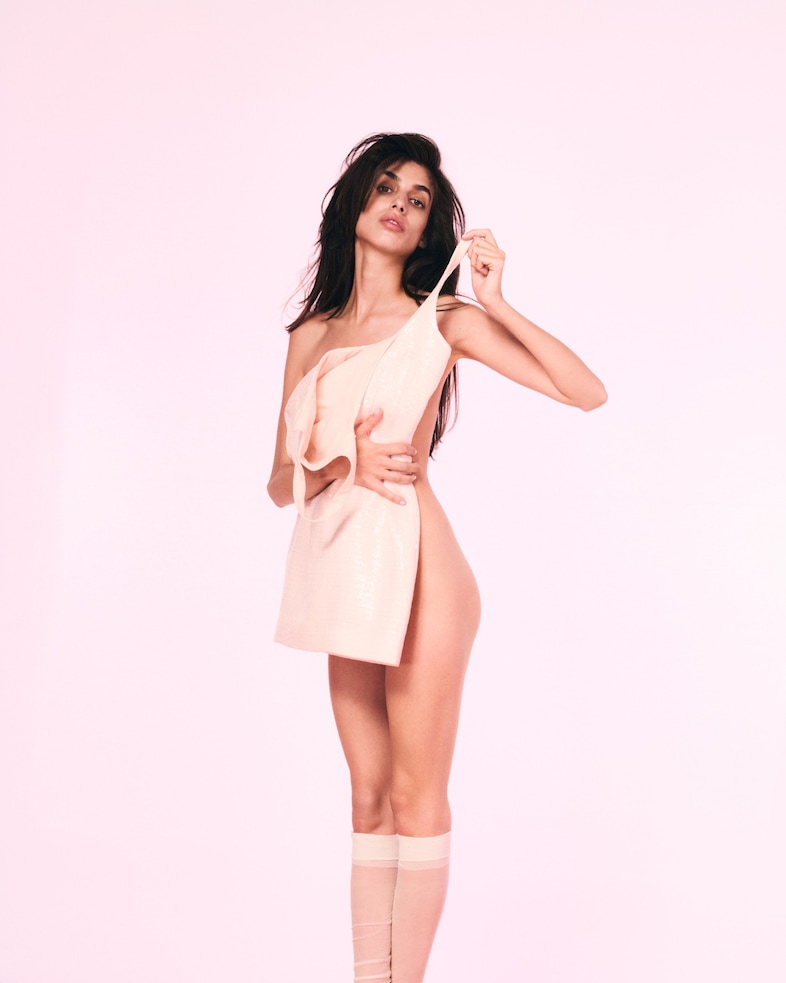
As temperatures rise across global fashion capitals, London-based brand 16Arlington has launched its new capsule collection, Bambola, Italian for "doll." Known for its opulent and often dramatic designs, 16Arlington’s latest offering embraces a lighter, more intimate aesthetic, featuring skimpy nightwear, delicate lingerie, and barely-there slips. The collection, designed for the summer heatwave, emphasizes sensuality and comfort, moving away from the brand’s more structured, embellished evening wear. This shift demonstrates a strategic diversification, tapping into the growing market for luxurious loungewear and intimate apparel that blurs the lines between private and public dressing. The brand’s ability to maintain its signature allure while adapting to seasonal trends and consumer preferences positions it as a nimble player in the competitive luxury market. The Bambola collection is available for purchase on the 16Arlington website.
Moncler Grenoble Taps Olympians for SS26 Campaign
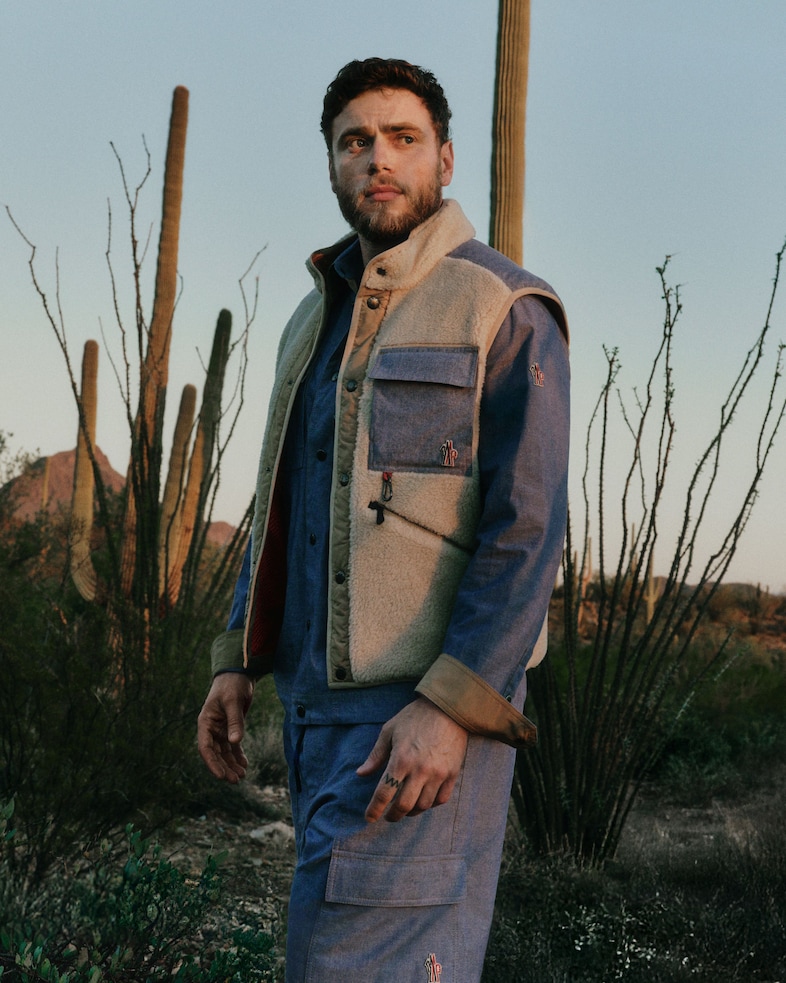
Luxury outerwear specialist Moncler Grenoble has unveiled its Spring/Summer 2026 campaign, featuring an impressive lineup of athletes including four-time Olympian Gus Kenworthy, fellow skier Richard Permin, and model Mia Regan. The campaign, strikingly photographed at Tucson Mountain Park in Arizona, juxtaposes the brand’s renowned performance-oriented skiwear with an arid, desert landscape. This choice of setting is a bold departure from traditional alpine backdrops, highlighting the versatility and technical prowess of Moncler Grenoble’s designs, suggesting they are suitable for various extreme environments beyond snow. Gus Kenworthy, a prominent figure in winter sports and an outspoken advocate for LGBTQ+ rights, brings an added dimension of authenticity and progressive values to the campaign. The collaboration underscores Moncler’s commitment to both athletic excellence and contemporary cultural relevance, further solidifying its position at the intersection of high fashion and extreme performance. The full campaign and collection can be explored on Moncler’s official website.
Balenciaga and Manolo Blahnik: A High-Fashion Fusion
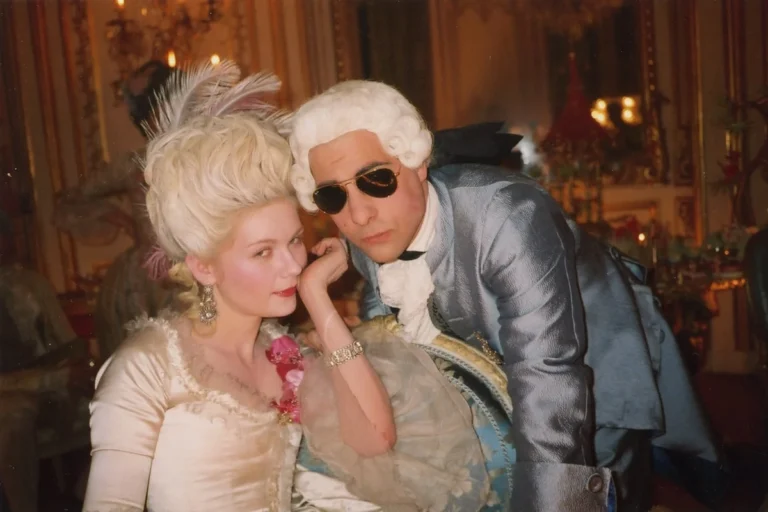
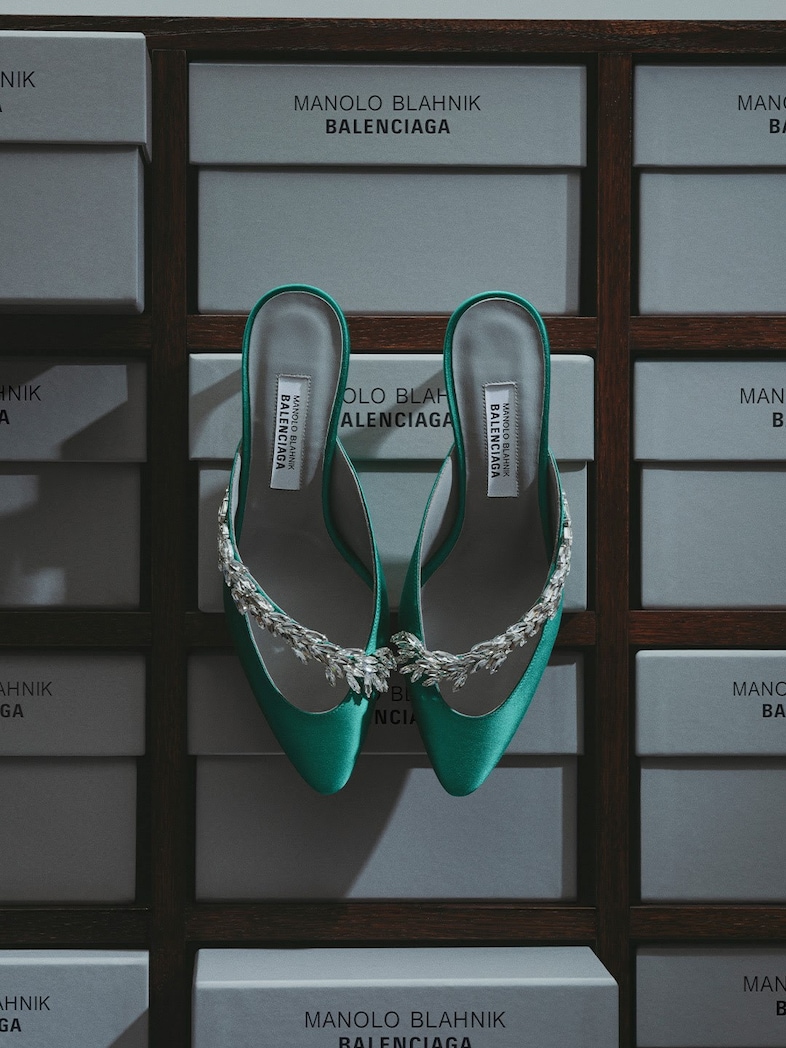
The highly anticipated collaboration between Balenciaga and Manolo Blahnik, first teased during the Autumn/Winter 2026 runway show, has finally become available to the public. This partnership merges Balenciaga’s avant-garde, often deconstructed aesthetic with Manolo Blahnik’s timeless elegance and unparalleled craftsmanship in footwear. The collection features heels that embody a unique blend of both brands’ distinct identities. A spokesperson for Balenciaga commented on the collaboration, noting, "To me, Manolo Blahnik is synonymous with elegance and as he’s Spanish, like Cristóbal Balenciaga – there’s a certain shared sensibility there." This statement highlights the philosophical alignment between the two houses, emphasizing a mutual appreciation for sophisticated design and cultural heritage. The release of these heels marks a significant moment in luxury fashion, bringing together two titans of the industry in a collection that is both innovative and deeply rooted in design tradition. The exclusive collection is now accessible through Balenciaga’s online store.
Casablanca Explores Ancient Egypt in Latest Campaign
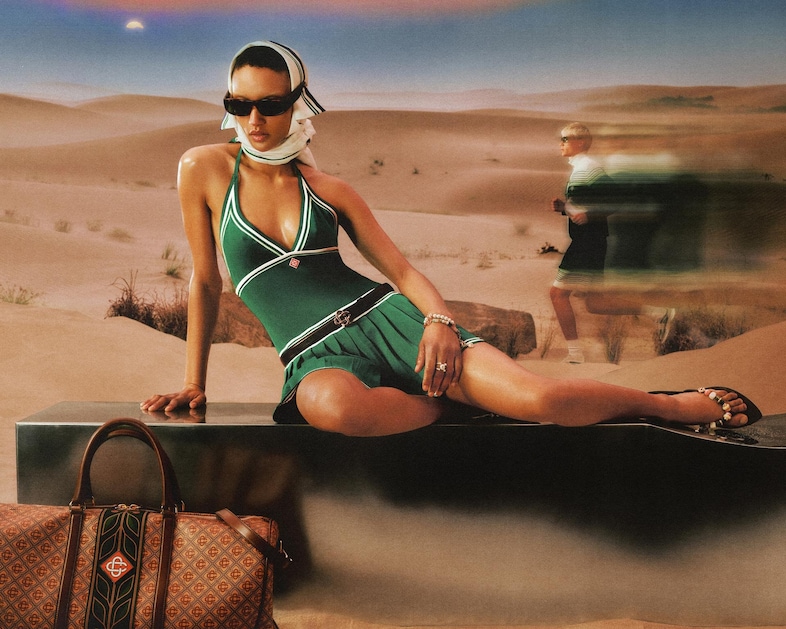
Casablanca, the luxury leisurewear brand founded by Charaf Tajer, has embarked on a visual journey to Ancient Egypt for its latest campaign, starring model Georgia Palmer. The imagery draws inspiration from iconic cinematic works such as Death on the Nile and The Prince of Egypt, seamlessly blending historical grandeur with Casablanca’s distinctive codes of vibrant color, sophisticated prints, and post-sport elegance. The campaign’s aesthetic captures the mystique and luxury associated with ancient civilizations, reinterpreting them through a modern, opulent lens. This narrative approach reinforces Casablanca’s identity as a brand that champions rich cultural storytelling alongside aspirational fashion. The collection, which is part of this captivating campaign, is available on the Casablanca Paris website, inviting customers to partake in a journey of timeless style and historical fantasy.
Blondey McCoy’s THAMES MMXX Establishes Permanent London Flagship
Skateboarder-turned-designer Blondey McCoy has reached a significant milestone with the opening of the first permanent store for his brand, THAMES MMXX. Situated at 53 Brewer Street in the vibrant heart of London’s Soho district, the flagship store marks a physical embodiment of McCoy’s evolving vision. The shop offers a curated selection of THAMES MMXX’s diverse range, including bespoke tailoring, premium knitwear, fine jewelry, and the brand’s foundational "bread and butter" basics and accessories. The establishment of a permanent retail space signifies McCoy’s transition from a niche streetwear brand to a more established presence in the fashion industry. Soho, known for its blend of culture, art, and fashion, provides an ideal location for THAMES MMXX to engage directly with its audience and further cement its brand identity within London’s dynamic fashion scene. Updates and further details about the store and collections can be found on THAMES MMXX’s Instagram.
Bad Bunny and Zara Launch Expansive ‘Benito Antonio’ Collection
The year 2026 has proven to be exceptionally busy for fast-fashion giant Zara, with a series of high-profile collaborations. Following a partnership with Willy Chavarria and the announcement of an upcoming John Galliano collection, Zara has now dropped a monumental 150-piece collection in collaboration with global music sensation Bad Bunny. Officially titled Benito Antonio, after the artist’s birth name, the extensive collection arrives on the heels of the Puerto Rican rapper’s highly publicized appearance in a full Zara ensemble during his Super Bowl performance earlier this year. This strategic timing and massive scale of the collaboration underscore Bad Bunny’s immense influence across music, culture, and now, mainstream fashion. The collection’s availability caters to his vast fanbase, offering accessible yet fashion-forward pieces that reflect his distinctive style. The Benito Antonio collection is currently available for purchase on Zara’s UK website, representing a significant fusion of music stardom and fast fashion retail.
Implications and Future Outlook
The convergence of sports and fashion, exemplified by Haiti’s World Cup qualification and Stella Jean’s commemorative designs, highlights the profound cultural impact these two spheres increasingly share. Haiti’s achievement serves as a potent reminder of sports’ ability to unite and inspire, particularly for nations facing immense challenges. Jean’s work, in turn, demonstrates how fashion can be a powerful tool for cultural diplomacy, advocacy, and the celebration of identity. Her ethical approach and commitment to storytelling resonate deeply with a growing consumer base that values authenticity and social responsibility.
Meanwhile, the week’s broader fashion developments showcase a dynamic industry in constant flux. From 16Arlington’s strategic diversification into intimate wear to Moncler Grenoble’s innovative campaign settings, brands are continuously seeking new ways to engage consumers and expand their market reach. High-profile collaborations, such as Balenciaga x Manolo Blahnik and Bad Bunny x Zara, underscore the power of cross-industry partnerships to generate buzz and redefine luxury and accessibility. The establishment of physical retail spaces, like THAMES MMXX’s Soho store, signals a renewed confidence in brick-and-mortar experiences, even in an increasingly digital world. These trends collectively point towards a future where fashion is not just about clothing, but about narrative, cultural resonance, and strategic brand evolution in a globally interconnected marketplace.