











In an era characterized by unprecedented speed of change, global interconnectedness, and evolving consumer demands, access to comprehensive and curated industry intelligence has become not merely beneficial but absolutely critical for survival and growth within the competitive fashion sector. As the industry looks towards 2026 and beyond, the strategic value of deep insights, historical data, and real-time market analysis is being underscored by leading market players and publications alike, including long-standing institutions like Drapers, whose offerings exemplify the breadth of intelligence required to thrive.
The Evolving Demand for Strategic Insights in Fashion
The global fashion industry, projected to reach an estimated value of over $3 trillion by 2028, is a mosaic of intricate supply chains, rapidly shifting trends, technological innovations, and complex ethical considerations. From high street retailers grappling with fast fashion cycles to luxury brands navigating sustainability mandates, every segment faces unique pressures. Generic news feeds and public reports often fall short in providing the granular, actionable intelligence needed for strategic decision-making. This gap has amplified the demand for specialized platforms that can distill vast amounts of data into digestible, pertinent information.
The landscape of fashion in 2026 is marked by several defining trends: a heightened consumer consciousness around sustainability and ethical production, the accelerating integration of artificial intelligence and machine learning in design and supply chain optimization, the persistent challenge of supply chain resilience in the face of geopolitical instabilities, and the continuous evolution of direct-to-consumer (DTC) models alongside traditional retail. Navigating these multifaceted challenges and opportunities requires a knowledge base that extends far beyond surface-level information, demanding bespoke research, trend forecasting, and expert analysis.
Drapers’ Comprehensive Intelligence Ecosystem: A Deep Dive
For decades, publications like Drapers have served as vital conduits of information for the fashion industry. The modern iteration of such services, as exemplified by Drapers’ 2026 offerings, represents a sophisticated ecosystem designed to empower professionals with an unparalleled vantage point into the market. This includes not just news but also an extensive archive, proprietary research, focused newsletters, and exclusive event access, forming a holistic intelligence framework.
The Power of Archival Knowledge: 55,000 Articles and Beyond
One of the most valuable assets for strategic planning is historical context. The ability to browse an archive of more than 55,000 articles, for instance, provides an invaluable resource for understanding the cyclical nature of fashion, the long-term impact of economic shifts, and the evolution of consumer behavior over decades. Such a repository allows businesses to identify patterns, learn from past successes and failures, and contextualize current trends within a broader historical narrative. For instance, analyzing how the industry adapted to previous economic downturns, technological disruptions like the advent of e-commerce, or shifts in ethical consumerism can offer crucial blueprints for future resilience. This deep historical perspective is particularly vital for trend forecasting, enabling designers and merchandisers to predict macro-trends with greater accuracy by understanding their antecedents.
Bespoke Research and Data Analytics: Forecasting Future Trends
Beyond historical data, the provision of bespoke in-depth research is paramount. This goes beyond publicly available reports, delving into niche market segments, emerging technologies, and specific consumer demographics. Such research might include detailed reports on the adoption rates of digital fashion, the market potential of circular economy models, or the impact of generative AI on design processes. For instance, a bespoke study might analyze the efficacy of different sustainable material sourcing strategies across various price points, offering actionable insights for brands looking to reduce their environmental footprint while maintaining profitability. Industry analysts report that companies utilizing bespoke market intelligence are 40% more likely to successfully launch new products and penetrate new markets compared to those relying solely on generic data. This level of specificity allows businesses to make data-driven decisions regarding product development, market entry strategies, and investment priorities, providing a significant competitive edge.
Real-Time Intelligence: Daily and Weekly Newsletters
In an industry where trends can emerge and dissipate within weeks, real-time intelligence is non-negotiable. Daily and weekly newsletters, delivered in full to subscribers, serve as a critical lifeline, providing immediate updates on breaking news, legislative changes affecting trade and production, key personnel appointments, financial performance of major players, and early indicators of emerging trends. These curated digests save professionals countless hours otherwise spent sifting through disparate news sources, ensuring they are always abreast of the most critical developments. For example, an immediate alert about a new tariff imposition or a major shift in consumer sentiment towards a particular material can enable brands to adjust their supply chains or marketing campaigns proactively, mitigating potential risks and capitalizing on nascent opportunities.
Multi-Platform Engagement: Print, Digital, and Events
The fashion industry thrives on connection and tactile experience. While digital platforms offer speed and accessibility, the option to receive a print magazine provides a curated, in-depth reading experience, often featuring high-quality photography, long-form journalism, and exclusive interviews that complement the rapid-fire digital updates. This multi-platform approach caters to diverse preferences and usage scenarios.
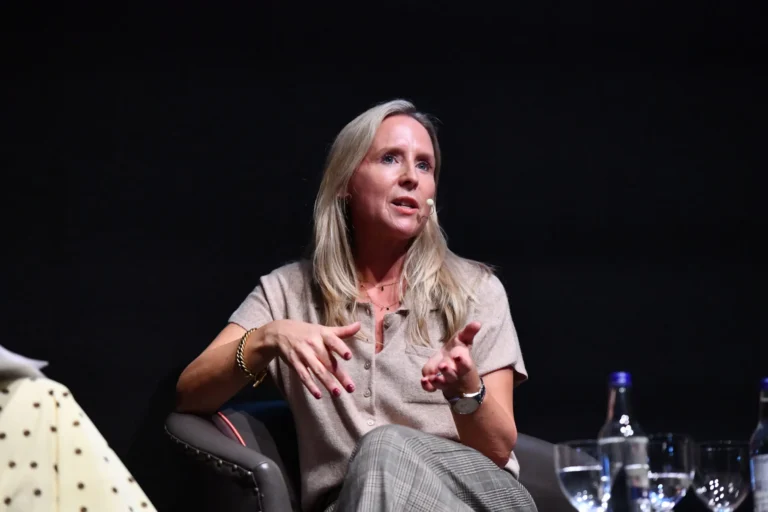
Furthermore, gaining priority access to Drapers events underscores the importance of networking and direct engagement within the industry. These events, which might include annual summits on retail innovation, sustainability forums, trend forecasting workshops, or networking receptions, provide invaluable opportunities for peer-to-peer learning, collaboration, and direct interaction with industry leaders and experts. For instance, a Drapers summit on AI in fashion might feature presentations from leading technologists, panel discussions with brand CEOs, and interactive workshops, allowing attendees to gain practical insights and forge strategic partnerships. These interactions are crucial for benchmarking best practices, identifying potential collaborators, and staying ahead of the curve through shared knowledge and collective foresight.
Industry Reactions and Expert Perspectives
The consensus among fashion industry leaders in 2026 points to an increasing reliance on specialized intelligence platforms. Dr. Anya Sharma, CEO of Innovate Fashion Consulting, states, "In today’s hyper-competitive and volatile market, guessing is no longer an option. Our clients who consistently invest in comprehensive industry intelligence are demonstrably more agile, resilient, and ultimately, more profitable. The depth of analysis and the breadth of coverage offered by platforms like Drapers are indispensable for strategic decision-making, from supply chain optimization to understanding Gen Z’s evolving values."
Marcus Thorne, Head of Strategy at Global Apparel Group, echoes this sentiment: "The value isn’t just in knowing what’s happening now, but in understanding why it’s happening and what’s next. The historical archives allow us to learn from the past, while bespoke research gives us a crystal ball into future trends and consumer shifts. This holistic view is crucial for maintaining our competitive edge and mitigating risks in an increasingly complex global market."
The Broader Implications for the Fashion Sector in 2026
The widespread adoption and strategic utilization of comprehensive industry intelligence have profound implications for the entire fashion ecosystem.
Navigating Economic Headwinds and Opportunities
With global economic forecasts predicting continued volatility, accurate market intelligence is key to identifying recession-proof segments, diversifying market presence, and optimizing inventory management to minimize waste and maximize profitability. Data-driven insights can pinpoint growth markets in developing economies or niche sectors experiencing counter-cyclical growth, guiding strategic investments.
Sustainability and Ethical Sourcing Mandates
As regulatory pressures intensify and consumer demand for ethical practices grows, detailed intelligence on sustainable materials, supply chain transparency tools, and compliance standards becomes critical. Bespoke research can help brands identify credible certifications, evaluate the environmental impact of various production methods, and communicate their sustainability efforts effectively and authentically to consumers. The global push towards a circular economy in fashion is heavily reliant on accessible data regarding material lifecycle, recycling technologies, and consumer participation.
Digital Transformation and AI Integration
The rapid pace of digital transformation, including the rise of Web3 technologies, the metaverse, and AI-driven design tools, requires continuous learning. Industry intelligence provides updates on technological breakthroughs, case studies of successful implementation, and analysis of consumer adoption rates for new digital experiences. This empowers brands to make informed decisions about investing in virtual fashion, NFTs, or AI-powered personalization engines.
Talent Development and Industry Benchmarking
Access to intelligence also extends to human capital. Reports on skill gaps, emerging roles, and industry-specific training programs can help companies attract and retain top talent. Benchmarking data allows businesses to compare their performance against industry averages and leading competitors, identifying areas for improvement in operational efficiency, marketing effectiveness, and customer satisfaction.
In conclusion, as the fashion industry moves further into the mid-2020s, the notion of "getting full access to all the fashion industry news and intelligence you need" transcends a simple subscription offering; it represents a fundamental strategic imperative. Platforms that offer extensive archives, bespoke research, real-time updates, and networking opportunities are not just news providers but essential partners in navigating the complexities and capitalizing on the opportunities of a dynamic global market. The commitment to delivering such critical insights, as evidenced by Drapers’ comprehensive suite of services and its ongoing operation into 2026 and beyond under EMAP Publishing Limited, underscores the enduring and growing value of specialized industry intelligence for every player in the fashion world.