









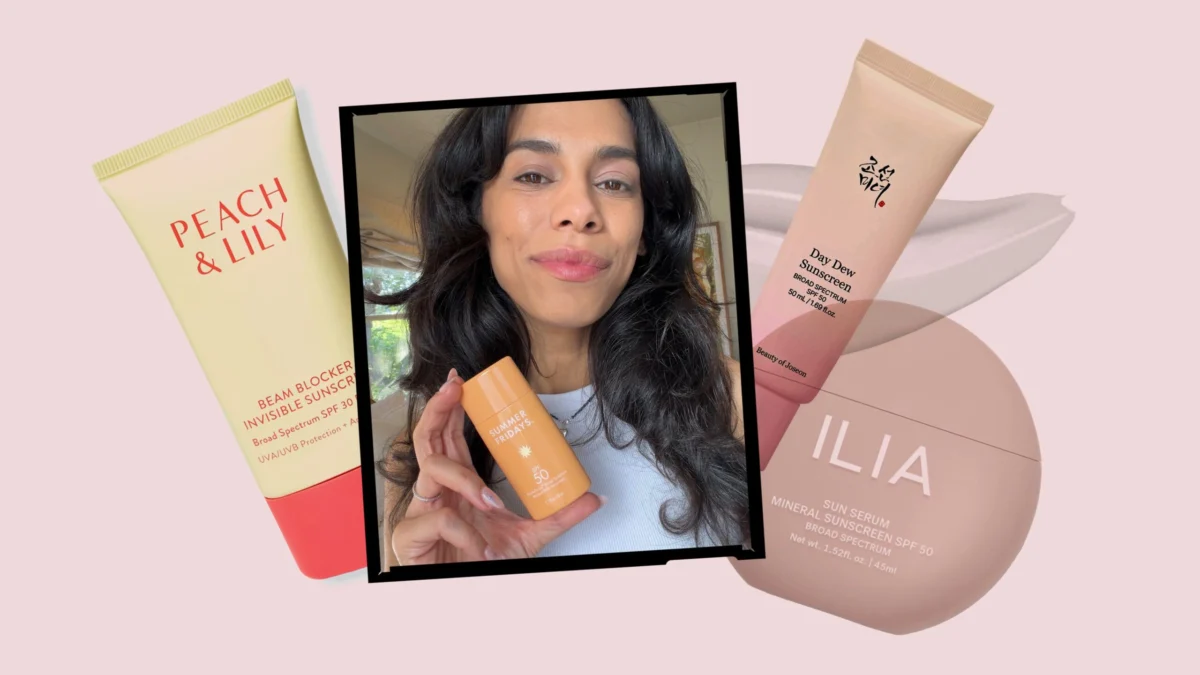
Dermatologists overwhelmingly recommend applying a dedicated facial sunscreen before layering makeup, even if your foundation, BB cream, or CC cream boasts an SPF rating. This advisory stems from a common user behavior: individuals tend to apply significantly less sunscreen when it’s integrated into their makeup products. Dr. Jane Yoo, a dual board-certified dermatologist and Mohs surgeon based in New York City, explains, "People regularly apply less sunscreen when using an SPF-containing foundation, BB or CC cream." She elaborates that while the recommended amount of sunscreen for the face and neck is approximately one teaspoon, "realistically, they apply much less when they wear makeup with sunscreen." The strategic application of a separate sunscreen first establishes a robust foundation for sun protection, with SPF-infused makeup serving as a beneficial secondary layer, not the primary defense.
This expert consensus highlights a critical misunderstanding of how SPF in makeup functions. While it offers a degree of protection, it is rarely applied in the sufficient quantity or evenness required for comprehensive sun safety. The ultraviolet (UV) radiation from the sun, comprised of UVA and UVB rays, poses significant risks, including premature aging, hyperpigmentation, and an increased likelihood of skin cancer. UVA rays penetrate deeper into the skin, contributing to wrinkles and loss of elasticity, while UVB rays are the primary cause of sunburn. Relying solely on makeup with SPF means potentially exposing unprotected skin to these damaging rays, even on seemingly cloudy days. Data from the Skin Cancer Foundation indicates that consistent sunscreen use can reduce the risk of developing squamous cell carcinoma by 40% and lower the risk of melanoma by 50%. The implication of Dr. Yoo’s statement is that a substantial portion of the population may be experiencing a false sense of security, leading to inadequate protection and increased long-term skin health risks.
Understanding Makeup Pilling Over Sunscreen: A Compatibility Conundrum
A frequent frustration for those who meticulously apply sunscreen before their makeup is the phenomenon of "pilling" or "balling up." This occurs when makeup begins to roll into small flakes on top of the sunscreen layer, compromising both the application and the aesthetic of the finished look. Dr. Yoo identifies product incompatibility as the primary culprit behind this common issue. She clarifies, "Pilling occurs when two products have incompatible film-forming systems that don’t bind to each other." As the friction of blending is applied, these mismatched formulas fail to adhere, instead rolling up into undesirable clumps.
Several specific scenarios can lead to this frustrating outcome. A common cause is an imbalance in the base formulations, such as layering a silicone-heavy makeup primer over a water-based sunscreen. The differing chemical structures prevent them from forming a cohesive layer. Similarly, clashing polymers within the sunscreen and foundation formulas can create an unstable bond. Even the simplest oversight, such as not allowing the sunscreen to fully dry and set before applying makeup, can trigger pilling.
To circumvent this issue, Dr. Yoo advises seeking out sunscreens that are specifically designed for makeup wear. These are typically lightweight formulations with a dry or matte finish. Crucially, she suggests opting for sunscreens with a base chemistry that aligns with that of your makeup. This principle of "silicone-to-silicone or water-to-water" compatibility ensures that the products are more likely to meld together harmoniously, creating a smooth canvas for makeup application. The implication for consumers is that product selection is not merely about SPF level but also about the nuanced interplay of ingredients and formulation types.
Unmasking Sunscreen Ingredients That Can Undermine Makeup Adhesion
While specific ingredients aren’t solely to blame for makeup sliding off, the overall texture and vehicle of a sunscreen formula play a pivotal role in its compatibility with makeup. Dr. Yoo highlights that lighter, more fluid formulations tend to perform better. "Fluid, essence, serum, and gel sunscreens work best under makeup because they’re lightweight, absorb quickly, and leave minimal residue behind," she states. Their rapid absorption minimizes the potential for a greasy or slippery surface that can cause foundation to shift throughout the day.
Conversely, cream or balm-style sunscreens, particularly those with rich emollient properties, can present challenges, especially for individuals with oily skin. Dr. Yoo notes that these formulations are "often too emollient-rich to exist under makeup, creating extra slip that can make foundation move around throughout the day." This increased slipperiness can disrupt the adherence of foundation, leading to a makeup look that fades or slides off prematurely. The takeaway here is that the physical properties of the sunscreen—its weight, finish, and absorption rate—are as critical as its sun-protective capabilities when it comes to wearing it under makeup.
Mineral Versus Chemical Sunscreens: A Comparative Look Under Makeup
The distinction between mineral and chemical sunscreens can influence how they interact with makeup, though Dr. Yoo emphasizes that the supporting ingredients and overall formula texture often hold more significance than the filtering agents themselves. Chemical sunscreens, where UV filters are dissolved into the formula, tend to "integrate invisibly and tend to feel lighter." However, some chemical filters require oilier carrier systems, which might not be ideal for creating a smooth base for foundation.
Mineral sunscreens, on the other hand, utilize suspended particles, primarily zinc oxide and titanium dioxide. These can sometimes leave a noticeable white cast or alter the intended shade of foundation. Nevertheless, advancements in formulation have led to nano or micronized versions of mineral filters that tend to sit more smoothly on the skin and blend more seamlessly with makeup. The choice between mineral and chemical often depends on individual skin sensitivities and cosmetic preferences, but the formulation’s ability to create a smooth, non-greasy surface remains paramount for makeup compatibility.
The Science of Sunscreen and Makeup: A Deeper Dive into Compatibility Factors
Beyond the broad categories of mineral and chemical sunscreens, several granular factors contribute to how well a sunscreen wears under makeup. These include:
- Emulsification Systems: The way oil and water phases are combined in a sunscreen formula can significantly impact its texture and interaction with other products. Water-in-oil emulsions might feel heavier and potentially interfere with makeup adhesion, while oil-in-water emulsions are often lighter and more compatible.
- Film Formers: As mentioned in the context of pilling, the polymers and film-forming agents in both sunscreen and makeup play a crucial role. Mismatched film formers can lead to cohesion failures.
- Silicone Content: Silicones, such as dimethicone, are commonly used in both skincare and makeup to create a smooth, blurring effect. When used appropriately, silicones in sunscreen can enhance makeup application. However, an overabundance or incompatibility with the makeup’s base can lead to pilling or a greasy feel.
- Humectants and Hydrators: Ingredients like hyaluronic acid or glycerin are excellent for skin hydration but can sometimes make the skin feel dewy or slightly tacky. If a sunscreen is excessively hydrating without a proper setting agent, it might make makeup slide.
- Powder Content: Some sunscreens incorporate mattifying powders to reduce shine and improve wear. These can create a more receptive base for powder-based makeup but might need careful application with liquid foundations to avoid patchiness.
- pH Levels: While less commonly discussed in consumer-facing advice, the pH of skincare products can influence their stability and how they interact. Significant pH differences between sunscreen and makeup could theoretically contribute to formulation issues, though this is a more complex chemical interaction.
Expert Insights and the Allure Testing Methodology
The insights provided by dermatologists like Dr. Jane Yoo are invaluable in navigating the complexities of sun protection and makeup application. Her practice, based in New York City, positions her at the forefront of dermatological advancements and patient concerns. The principles she outlines are foundational to understanding how to achieve both optimal skin health and a desired aesthetic.
Publications like Allure play a critical role in translating expert advice and scientific research into actionable guidance for consumers. When Allure tests beauty products, their editors employ a rigorous methodology that encompasses multiple facets of product performance and formulation. This process involves:
- Ingredient Scrutiny: A thorough examination of the active and inactive ingredients to assess efficacy, safety, and potential for adverse reactions. This includes vetting claims against scientific literature and expert opinions.
- Brand Claim Verification: Evaluating whether the product delivers on its marketing promises, particularly concerning sun protection efficacy and cosmetic benefits.
- Scientific and Medical Literature Review: When necessary, editors consult peer-reviewed studies to corroborate or challenge product claims and understand the underlying science.
- In-House and External Testing: Products are subjected to hands-on testing by a diverse team of editors and contributors. For sunscreen and makeup, this would include assessing wear time, texture, finish, and compatibility with other products.
- Expert Consultation: Collaborating with specialists in dermatology, cosmetic chemistry, and medicine to provide an expert layer of review for ingredients and formulations. This ensures that recommendations are grounded in scientific understanding.
For a curated list of the best sunscreens for use under makeup, Allure editors would assess products across five key categories:
- Product Ingredients and Efficacy: This includes the type and concentration of UV filters, the presence of beneficial skincare ingredients, and the product’s ability to provide the stated SPF protection.
- Packaging: Evaluating the design for ease of use, product preservation, and portability.
- Fragrance: Considering the presence and intensity of fragrance, which can be a concern for sensitive skin.
- Texture: Assessing the feel of the product on the skin, its absorption rate, and its finish (e.g., matte, dewy).
- Product Wear: This is a crucial category for sunscreens intended for makeup wear, focusing on how well the product performs under makeup, its longevity, and its impact on makeup application and finish.
The editorial team’s assessment is further informed by special consideration from dermatologists, ensuring that the recommendations align with best practices for skin health and protection. This multi-faceted approach underscores a commitment to providing consumers with reliable and scientifically-backed beauty advice.
The Broader Impact: Sun Safety as a Public Health Imperative
The ongoing dialogue surrounding sunscreen use, particularly its integration with makeup, underscores a broader public health imperative: increasing awareness and adherence to sun protection practices. Skin cancer remains a significant global health concern, with incidence rates continuing to rise in many regions. The American Academy of Dermatology reports that one in five Americans will develop skin cancer in their lifetime.
The reliance on SPF in makeup as a sole protective measure, as highlighted by Dr. Yoo’s insights, suggests a critical gap in public understanding. This gap can lead to inadequate UV exposure prevention, potentially contributing to the statistics of skin cancer and premature skin aging. Public health campaigns, dermatological outreach, and clear, accessible information from trusted sources are vital to bridge this knowledge deficit.
The implications extend beyond individual health. The economic burden of skin cancer treatment is substantial, placing a strain on healthcare systems worldwide. Promoting consistent and correct sunscreen use, from dedicated facial sunscreens to protective clothing and seeking shade, is a cost-effective preventative measure.
The evolving landscape of beauty products, with an increasing number of SPF-infused cosmetics, presents both opportunities and challenges. While these products can encourage greater engagement with sun protection, it is essential that consumers are educated about their limitations. Dermatologists and beauty experts alike have a responsibility to reinforce the message that while SPF makeup can be a supplementary benefit, it should not replace a dedicated sunscreen as the cornerstone of daily sun defense. This ensures that individuals are not only achieving their desired cosmetic outcomes but are also safeguarding their long-term skin health against the pervasive and damaging effects of ultraviolet radiation.