






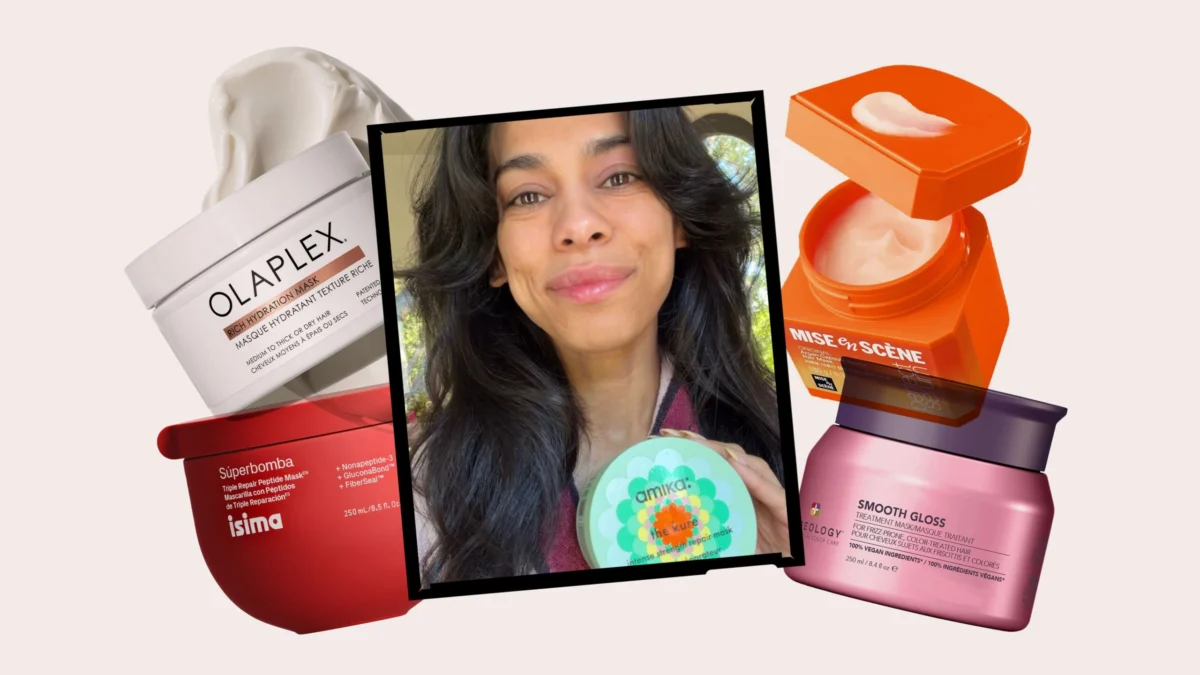
Frizz, a ubiquitous concern for many, stems from a fundamental imbalance in hair’s moisture levels. When hair strands become dehydrated, they actively seek moisture from their surroundings, a phenomenon that becomes particularly noticeable in humid environments. This quest for hydration disrupts the hair’s natural smoothness, leading to the characteristic flyaways and unruly texture. While humidity is a primary instigator, a spectrum of factors contributes to frizz, including chemical treatments, inherent hair dryness, and the natural structure of certain hair types. Chemical processes such as dyeing, bleaching, and chemical straightening treatments can compromise the hair cuticle, the outermost protective layer, rendering it more porous and susceptible to moisture absorption. This damage leaves hair drier and therefore more prone to frizz.
Experts highlight that individuals with curly and textured hair types are often genetically predisposed to frizz. This is because the natural oils produced by the scalp, sebum, find it more challenging to travel down the entire length of a coiled or wavy strand, leaving it less lubricated and prone to dryness. Consequently, these hair types require more dedicated moisture. Furthermore, hair that has been subjected to frequent heat styling, such as blow-drying, straightening, or curling, can also develop frizz. The intense heat damages the hair cuticle, similar to chemical treatments, leading to increased dryness and a roughened surface.
The Genesis of Frizz: A Deeper Dive into Hair Science
Understanding the underlying science of frizz reveals its intricate relationship with the hair shaft’s structure and its interaction with the environment. The hair cuticle is composed of overlapping scales, much like shingles on a roof. When hair is healthy and well-moisturized, these scales lie flat, creating a smooth surface that reflects light and feels soft. However, when hair lacks moisture, these scales lift and separate. This lifting is the direct result of the hair’s attempt to absorb atmospheric moisture. In humid conditions, the water vapor in the air penetrates the hair shaft, causing it to swell unevenly. This swelling disrupts the alignment of the cuticle scales, leading to the roughened texture we identify as frizz.
The severity of frizz can vary significantly based on hair porosity, which refers to the hair’s ability to absorb and retain moisture. High porosity hair has raised cuticles, making it highly absorbent but also prone to rapid moisture loss. This makes it particularly susceptible to frizz in humid environments. Conversely, low porosity hair has tightly closed cuticles, which can make it resistant to moisture absorption, leading to dryness and potential frizz if not properly hydrated.
Chemical treatments are a significant contributor to cuticle damage. The alkaline nature of many hair dyes and bleaches can lift the cuticle scales, while relaxers chemically alter the hair’s protein structure, often leading to increased porosity and dryness. Heat styling, when used without adequate protection, can also cause thermal damage. The high temperatures can dehydrate the hair shaft, evaporate its natural moisture, and disrupt the keratin structure, leading to cuticle damage and subsequent frizz.
Strategies for Taming the Mane: Minimizing Frizz Effectively
The key to minimizing frizz lies in a multifaceted approach that prioritizes hydration, protection, and mindful styling practices. Hydrating products play a crucial role in maintaining the hair’s moisture balance and keeping the cuticle smooth. Deep conditioning treatments, such as moisturizing hair masks, are highly effective in replenishing lost moisture and improving hair’s overall condition. These treatments work by delivering concentrated emollients and humectants that penetrate the hair shaft, smoothing the cuticle and enhancing elasticity.
When it comes to styling, particularly with the use of heated tools, a proactive approach is essential. Allowing hair to air dry whenever possible is a gentle alternative. If blow-drying is necessary, using a diffuser attachment can help distribute heat more evenly and reduce the direct impact on the hair shaft, especially for those with curly or wavy textures. Crucially, applying a heat protectant spray before any heat styling is non-negotiable. These products create a barrier between the hair and the heat, preventing excessive moisture loss and damage.
Beyond direct styling, everyday habits can also impact frizz levels. Over-washing hair can strip it of its natural oils, leading to dryness. Finding a balance in washing frequency, tailored to individual hair needs, is important. Additionally, friction can contribute to frizz, particularly during sleep. Opting for satin or silk pillowcases can significantly reduce this friction, allowing hair to glide smoothly throughout the night and minimizing morning frizz.
The Role of Hair Masks: Benefits, Limitations, and Optimal Usage
Hair masks have emerged as a popular solution for combating frizz, offering intensive conditioning and repair. These treatments are formulated with a higher concentration of nourishing ingredients compared to regular conditioners, providing a deep treatment for dry or damaged hair. They are particularly beneficial for restoring moisture, improving elasticity, and smoothing the hair cuticle. For individuals experiencing significant dryness or damage, regular use of a moisturizing hair mask can be a transformative step in achieving smoother, more manageable hair.
However, the efficacy and frequency of hair mask usage require careful consideration. Experts caution against daily application, as it can lead to unintended consequences. Overuse of hair masks, even those designed for frizz control, will not fundamentally address the root causes of frizz, which often relate to hair texture, breakage, or environmental factors. Instead, frequent application can result in product buildup on the hair shaft. This buildup can weigh the hair down, making it appear limp, heavy, and more difficult to style. In some cases, it can even create a barrier that hinders the absorption of other beneficial hair care products.
The optimal frequency for hair mask use typically ranges from once a week to twice a week, depending on individual hair type and condition. For those with highly porous, chemically treated, or very dry hair, two treatments per week might be beneficial. Conversely, individuals with finer hair may find that less frequent use is sufficient to avoid weighing their hair down. It is essential to follow the product’s instructions and to observe how your hair responds to the treatment.
Understanding the Downsides: Potential Pitfalls of Hair Mask Application
While hair masks offer significant benefits, potential disadvantages exist, primarily related to improper usage or an overemphasis on certain ingredients. One common issue is the potential for hair masks to weigh down the hair, especially for individuals with fine hair. Using a mask that is too heavy or applying it too frequently can leave the hair feeling flat, greasy, and lacking in volume. This is particularly true for masks with rich, emollient formulations.
Another consideration is the impact of protein-heavy masks. While protein is essential for hair strength, an overload of protein can, paradoxically, lead to dryness and brittleness. This occurs when the hair becomes saturated with protein, making it stiff and less flexible. Therefore, it is important to choose masks that offer a balanced blend of moisture and protein, or to rotate between different types of treatments to avoid protein overload.
Application technique also plays a crucial role in maximizing benefits and avoiding drawbacks. Many masks are designed to be applied from the mid-lengths to the ends of the hair, as these areas are typically more prone to dryness and damage. Applying rich masks directly to the scalp can contribute to buildup, particularly for individuals who already struggle with oily scalps, dead skin accumulation, or infrequent cleansing. This can lead to a greasy appearance and hinder scalp health. Unless a product is specifically formulated for scalp application, it is advisable to concentrate masks on the hair fiber, avoiding direct contact with the roots.
Expert Insights and Methodologies: The Science Behind the Recommendations
The understanding and treatment of frizz are informed by the collective expertise of hair care professionals and rigorous product testing. Stylists and colorists emphasize the importance of addressing the underlying causes of frizz, rather than solely focusing on superficial fixes. Their recommendations are often grounded in years of practical experience and a deep understanding of hair biology.
The evaluation of hair care products, particularly those aimed at frizz reduction, often involves a structured testing process. This process typically includes a diverse panel of testers representing a wide range of hair types, textures, lengths, and concerns. This inclusivity is crucial because hair products are not one-size-fits-all. A product that works wonders for one individual might be ineffective or even detrimental for another. For instance, a purple shampoo designed for blonde hair would be inappropriate for someone with naturally dark hair, and a diffuser tested solely on straight hair would not provide adequate insight into its performance for curly hair.
Testing methodologies often consider several key performance categories: efficacy in addressing the stated concern (e.g., frizz reduction), the overall sensory experience (texture, ease of application, fragrance), and practical aspects like packaging. This comprehensive approach ensures that recommendations are based on real-world performance across a broad spectrum of users and hair conditions.
A Diverse Approach to Hair Care: Reflecting the Complexity of Needs
The beauty industry, and by extension, hair care, is increasingly recognizing the importance of diversity in product development and testing. Publications and brands that champion inclusivity understand that a one-size-fits-all approach is insufficient. The experiences of individuals with different hair textures, from tightly coiled 4C hair to fine, wavy strands, must be considered. Similarly, the impact of age, gender, and ethnic background on hair needs is acknowledged.
This commitment to diversity is reflected in the composition of testing panels and editorial teams. By drawing on the insights of individuals from varied backgrounds, publications can offer more accurate, relatable, and effective recommendations. For example, a review of a moisturizing product intended for mature skin would be incomplete if it solely relied on the opinions of individuals in their early twenties. Likewise, evaluating a styling tool for curly hair without input from those with curls would be a significant oversight.
Ultimately, the goal is to provide consumers with trustworthy information that empowers them to make informed decisions about their hair care routines. This requires a nuanced understanding of the science behind hair health, the efficacy of various treatments, and the diverse needs of individuals striving for their best possible hair. Through expert guidance, scientific understanding, and inclusive testing, the journey to taming frizz and achieving healthy, beautiful hair becomes more accessible and effective for everyone.