





The humble chino has long occupied a unique space in the contemporary menswear ecosystem. Descended from mid-19th-century military attire initially utilized by British and French troops in India, the fabric transitioned into civilian wear following global conflicts, eventually cementing itself as an indispensable staple of modern tailoring and casualwear. While trend-driven garments such as heavily distressed skinny jeans or graphic-heavy streetwear frequently dominate seasonal runways, the chino remains the quintessential wardrobe bridge. Operating as the ultimate sartorial all-rounder, this foundational trouser seamlessly pairs with everything from a casual T-shirt and minimalist sneakers to a structured blazer, crisp button-down, and classic brogues. For the modern consumer looking to optimize their wardrobe efficiency, identifying and securing the optimal color palette in a tailored fit is a foundational step in long-term style curation.
The Evolution of the Chino in Modern Menswear
To understand the enduring relevance of the chino, one must examine its historical trajectory from utilitarian military gear to a cornerstone of civilian fashion. Originally constructed from durable, breathable cotton twill to withstand rigorous field conditions, early versions favored neutral earth tones designed for camouflage and practicality. By the mid-20th century, returning service members integrated these trousers into everyday civilian life, a transition famously immortalized by mid-century style icons like Steve McQueen.
Over the decades, the manufacturing of chinos has evolved significantly. Modern iterations frequently incorporate technical fabric blends—such as stretch-cotton twill with elastane—to enhance wearer comfort, improve shape retention, and accommodate active, metropolitan lifestyles. Industry analysts note that consumer demand for versatile, multi-occasion garments has surged, driven by hybrid work environments and a broader cultural shift toward capsule wardrobes. Consequently, the chino has transitioned from a purely casual weekend option to a core component of smart-casual office attire.
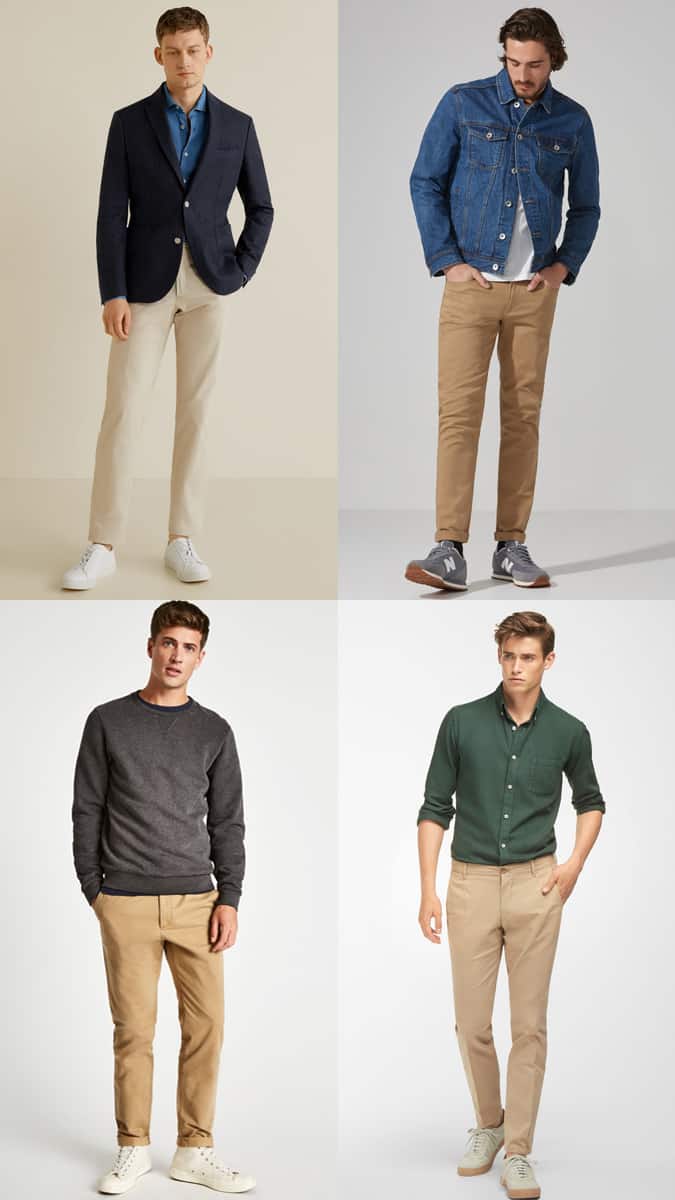
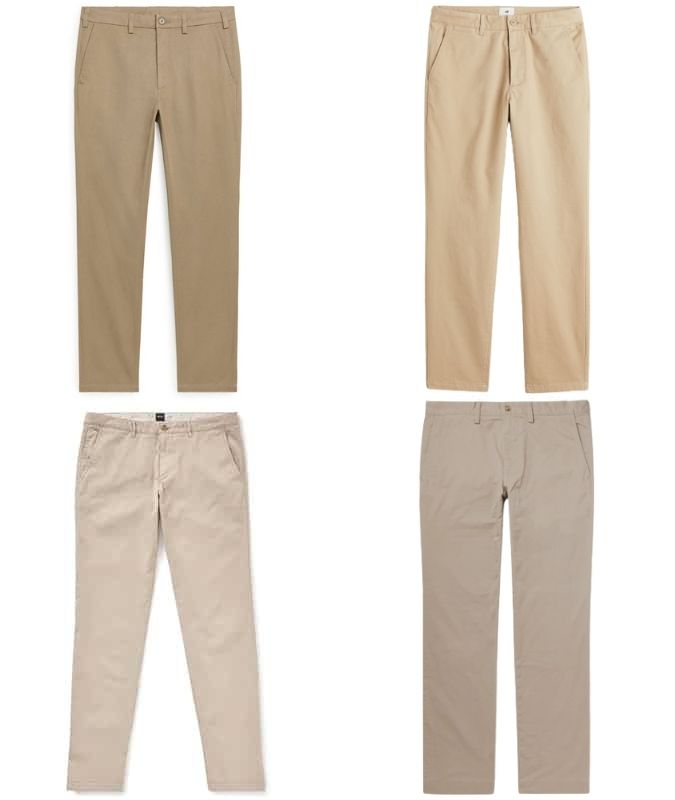
1. Beige: The Definitive Original
Beige remains the undisputed archetype of the chino family. Often credited with rescuing generations of men from the style dead-end of pairing blue denim with structured suit jackets, neutral-toned trousers provide an effortless foundation for warm-weather dressing and transitional layering.
How to Style Beige Chinos:
In menswear, the guiding rule dictates that lighter shades inherently read as less formal. Beige chinos, therefore, excel in relaxed environments such as weekend daytime outings, outdoor gatherings, or casual evening socializing. To create a balanced silhouette, style them with deeper, grounded tones on the upper half—such as navy blue, rich burgundy, or dark charcoal grey. For a contemporary preppy aesthetic, layering an Oxford cloth button-down shirt beneath a crewneck sweatshirt, finished with clean, low-profile leather or canvas sneakers, offers a reliable and polished ensemble.
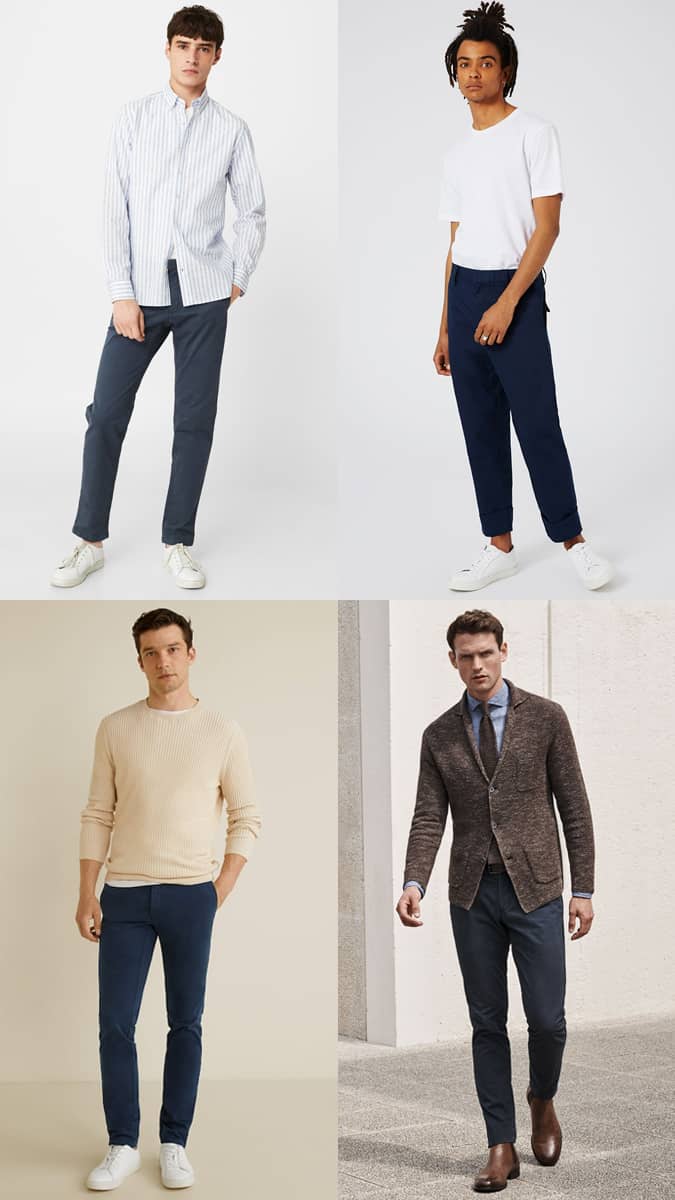
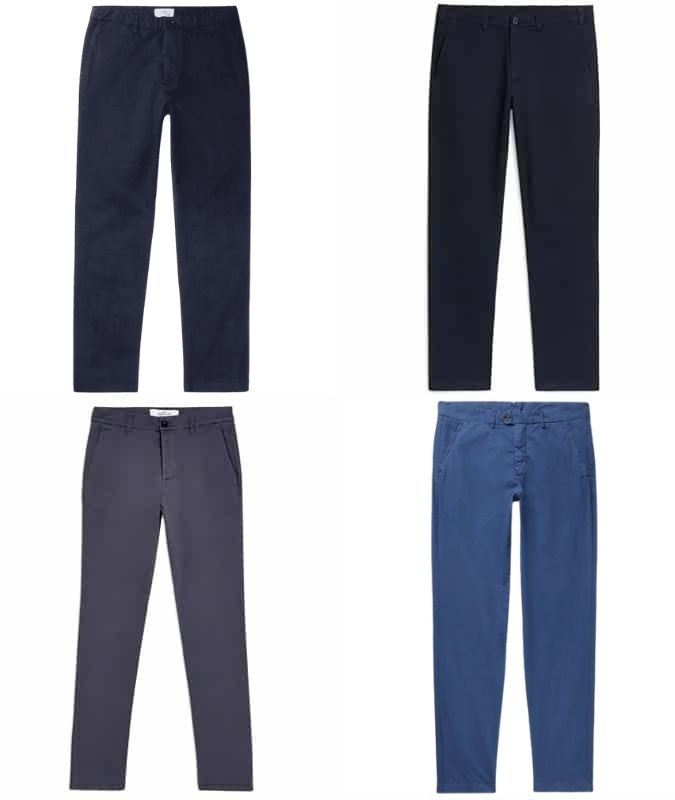
2. Navy: The Smart-Casual Heavyweight
Far removed from maritime stereotypes or strictly nautical associations, navy blue chinos represent one of the most sophisticated additions a man can make to his smart-casual rotation. Serving as a transitional garment, navy bridges the gap between traditional tailoring and relaxed weekend wear with exceptional ease.
How to Style Navy Chinos:
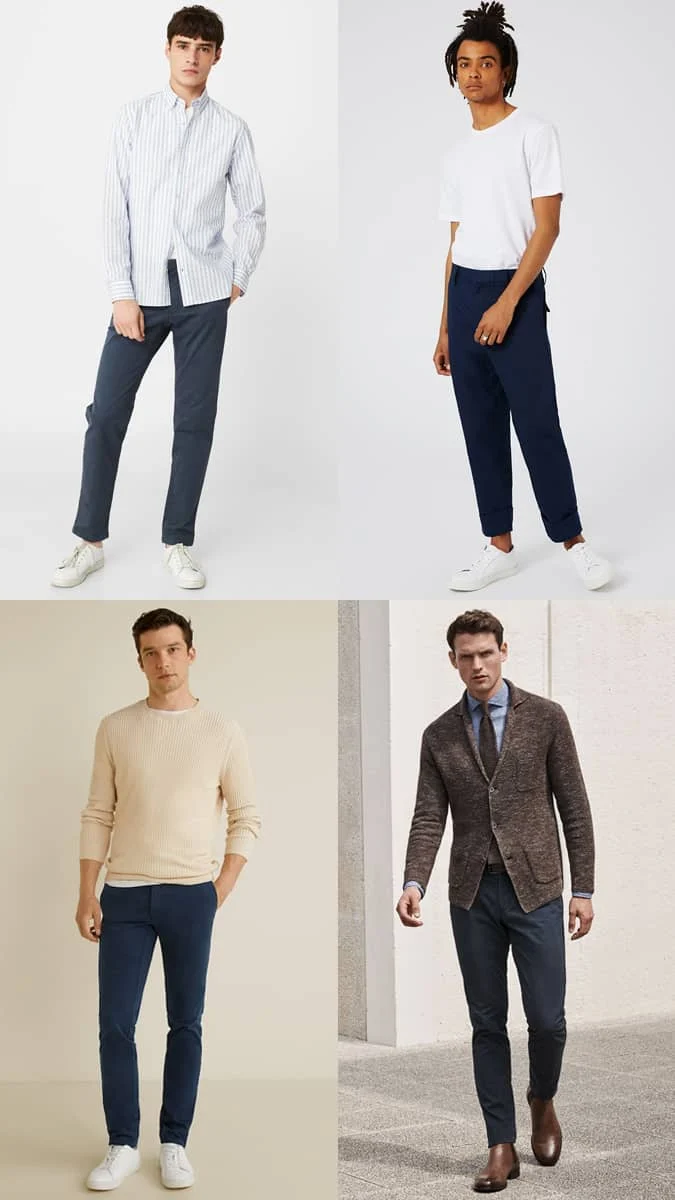
The versatility of navy lies in its chromatic neutrality, which rivals that of dark denim while offering a cleaner, sharper drape. For a straightforward, throw-on-and-go approach, pair navy chinos with a pristine white cotton crewneck t-shirt and minimalist leather sneakers. Alternatively, by leveraging its visual proximity to traditional suit trousers, wearers can elevate navy chinos for professional environments. Pairing them with a structured dress shirt, a knitted silk tie, and a fine-gauge cardigan creates a cohesive look suitable for contemporary office settings and post-work engagements alike.
3. Khaki and Olive Green: Grounded Authority
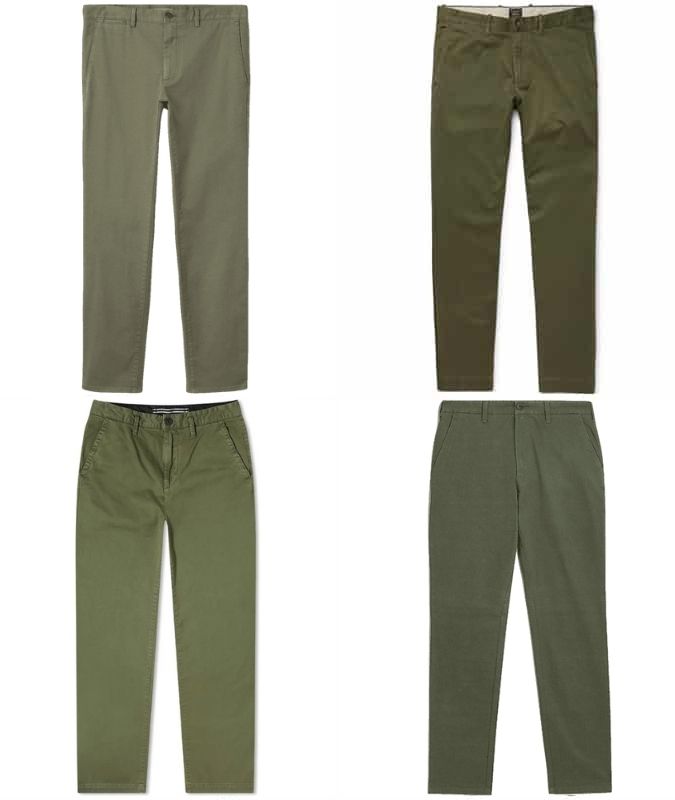
Rooted firmly in military heritage, olive green and khaki trousers introduce a subtle sense of structure and authority to an everyday wardrobe. Far from being intimidating, these earthy tones provide an accessible entry point for individuals seeking to incorporate calculated color into their daily outfits without straying too far from a traditional sartorial comfort zone.
How to Style Khaki and Olive Chinos:
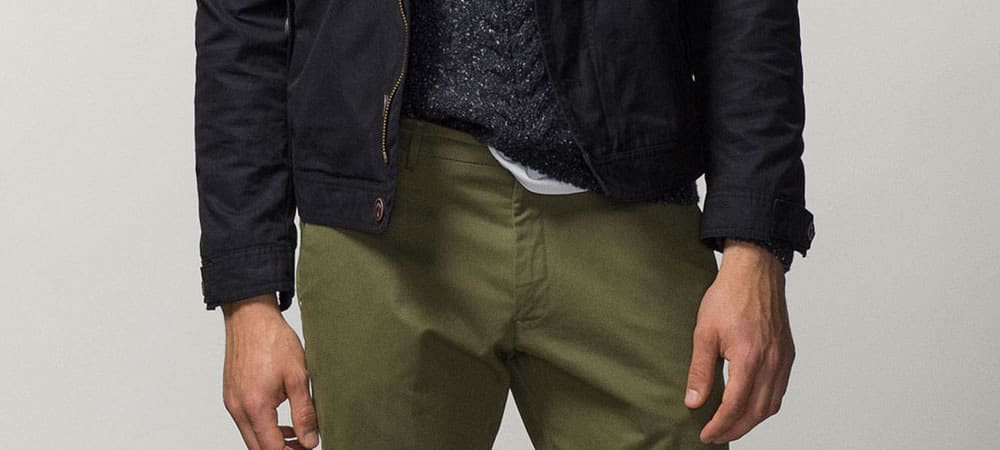
While olive green can initially appear challenging to coordinate, it pairs remarkably well with fundamental basics. Crisp white, subtle heather grey, and warm camel tones act as ideal complements. To elevate olive chinos for a more polished presentation, pair them with elevated knitwear or a tailored overshirt. This inherent adaptability ensures that green chinos function successfully across both warm and cool seasons.
4. Grey: The Boardroom Alternative
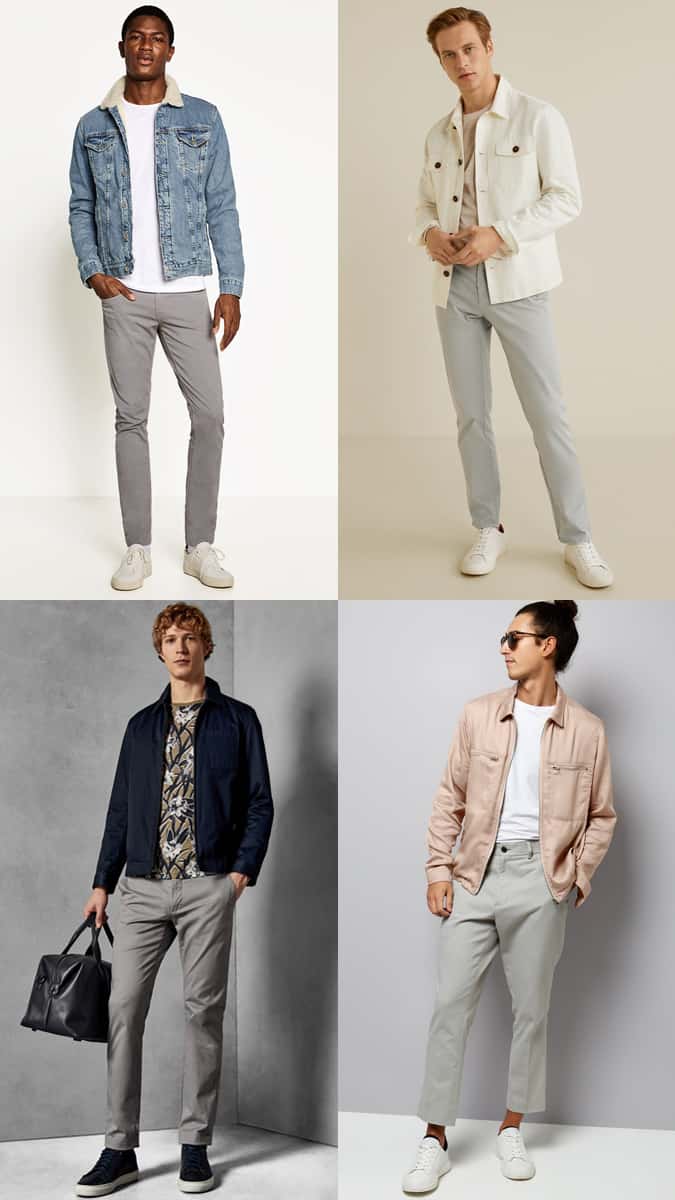
If olive green serves as the functional standard-issue pant for outdoor utility, grey chinos are the undisputed choice for the modern office. Universally flattering across a broad spectrum of skin tones, grey occupies the sweet spot of being understated enough to act as a blank canvas for professional attire, yet flexible enough to transition smoothly into off-duty weekends.
How to Style Grey Chinos:
Because grey is an absolute neutral, it harmonizes with virtually any color palette. For professional settings, anchor grey chinos with a sharp black shirt or a classic light blue Oxford button-down. To transition the look into casual territory, incorporate textural elements such as a faded stonewash denim jacket or a heavyweight flannel overshirt.

5. Black: The Ultimate Blank Canvas
Similar to their grey counterparts, black chinos offer a high-contrast foundation for assembling diverse outfits ranging from stark minimalism to elevated evening wear. Furthermore, black fabric offers practical advantages, effortlessly masking minor blemishes or everyday wear.
How to Style Black Chinos:
Black chinos possess a chameleon-like quality, allowing them to alternate seamlessly between tailored trousers and casual denim. For professional environments, style a black pair with a crisp button-down and a deconstructed blazer to project a sharp, modern silhouette. For evening outings, swapping the blazer for a relaxed-fit t-shirt and a tonal overshirt yields an effortless, sophisticated look.
6. Pastel Tones: The High-Risk, High-Reward Summer Staple
Pastel chinos—rendered in shades such as soft lavender, mint green, or pale pink—are designed to inject vibrancy into warmer-weather wardrobes. However, style experts caution that pastels require deliberate restraint to avoid visual discord.
How to Style Pastel Chinos:
When incorporating pastel trousers into an outfit, the foundational rule is to let the chinos serve as the focal point of the ensemble. To maintain visual balance, keep all supporting garments strictly pared-back. Neutral shades such as off-white, heather grey, and black prevent color clashing. Additionally, footwear should be kept immaculately clean and minimalist to ground the vibrant lower half of the outfit.
Market Implications and Economic Outlook
Retail analysts tracking the menswear sector project sustained growth in the demand for versatile, high-utility trousers through 2026. As consumers increasingly prioritize durable, multi-functional garments over fast-fashion trends, brands are heavily investing in sustainable cotton sourcing, enhanced stretch technologies, and refined tailoring across standard-fit and tapered silhouettes. Investing in a curated rotation of quality chinos in these six foundational colors remains one of the most efficient strategies for building a cohesive, long-lasting wardrobe.