









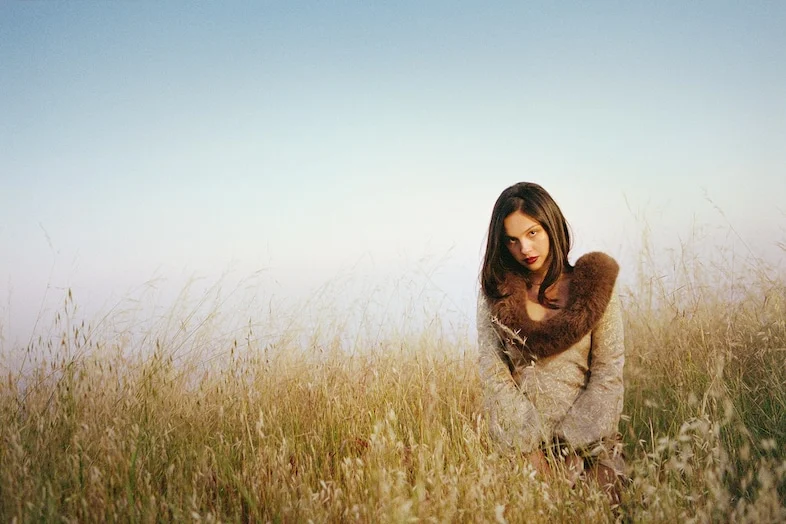
Olivia Rodrigo, a definitive voice of Gen Z, has consistently showcased an artistry deeply rooted in a wide spectrum of influences. Throughout her meteoric rise, from the record-breaking success of SOUR to the critically acclaimed GUTS, Rodrigo has been candid about the inspirations that shape her unique blend of pop-punk energy, raw lyrical honesty, and introspective depth. While her musical inspirations—ranging from the punk-pop rebellion of Avril Lavigne and the raw emotionality of Fiona Apple to the masterful storytelling of Taylor Swift and the indie introspection of Lorde—are well-documented, her recent disclosures reveal a broader, more eclectic palate of non-musical influences. These encompass literature, cinema, and television, collectively informing her perspective and infusing her work with profound thematic layers.
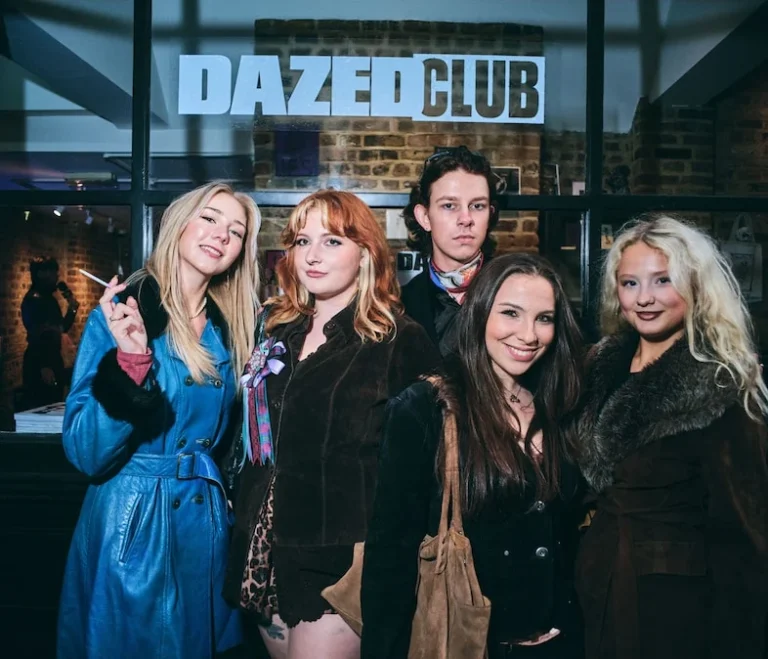
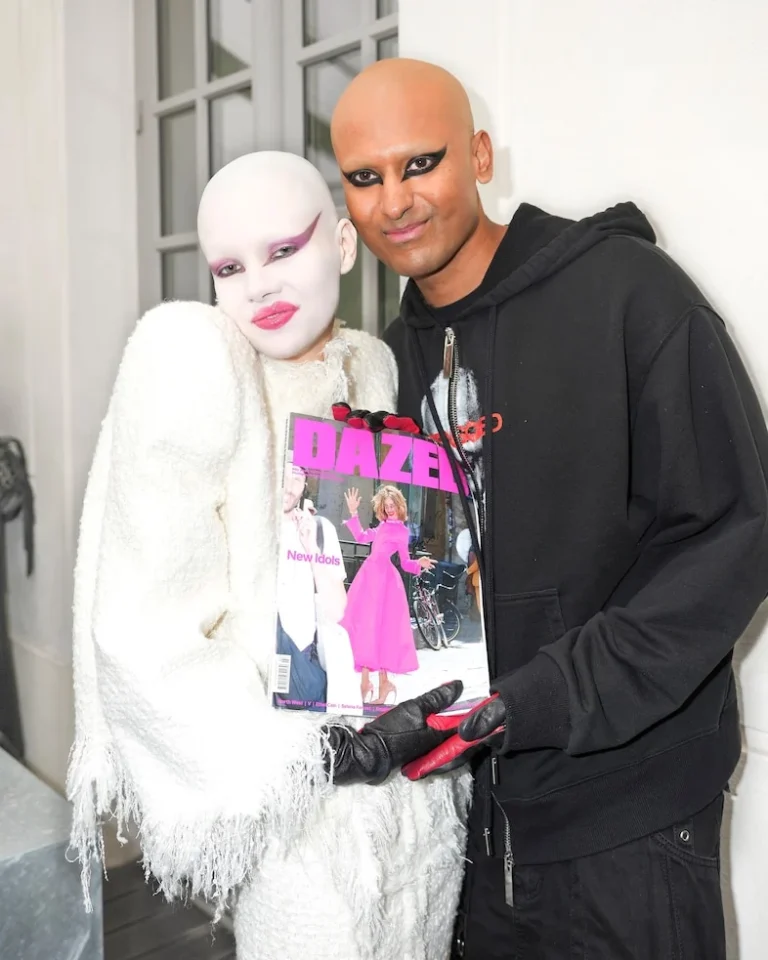
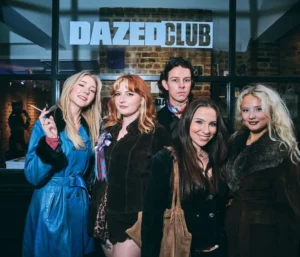
Most recently, in a revealing Dazed cover interview, Rodrigo specifically cited post-punk pioneers such as The Cure, New Order, Depeche Mode, and Siouxsie and the Banshees as pivotal in shaping the distinctive sound of GUTS‘ track "you seem pretty sad for a girl so in love." This revelation points to a deliberate artistic evolution, hinting at a darker, more textural sonic landscape than previously explored. Beyond the sonic realm, Rodrigo, now 23, has opened a window into her top cultural picks, demonstrating that her creative wellspring is as much intellectual and emotional as it is purely musical. This comprehensive look into her foundational influences underscores her status not just as a pop sensation, but as a thoughtful artist engaging deeply with the cultural canon.
Olivia Rodrigo’s Expanding Sonic Palette: From Pop-Punk to Post-Punk
Rodrigo’s musical journey has been characterized by a willingness to experiment while staying true to her core artistic identity. Her debut album, SOUR, was widely celebrated for its pop-punk sensibilities, drawing clear parallels to early 2000s artists like Avril Lavigne, whose defiant spirit and anthemic choruses resonated with a generation. The lyrical precision and emotional rawness often drew comparisons to Fiona Apple, known for her intricate songwriting and visceral delivery. Taylor Swift’s influence, particularly in narrative construction and heartfelt balladry, is also evident, while Lorde’s atmospheric soundscapes and introspective lyricism have provided a blueprint for capturing the nuances of adolescent angst and self-discovery.
The shift towards post-punk influences for GUTS, specifically for a track like "you seem pretty sad for a girl so in love," marks a significant development. Post-punk, which emerged in the late 1970s and early 1980s, is characterized by its experimental approach, often incorporating synthesizers, unconventional song structures, and a darker, more melancholic aesthetic than its punk predecessors. Bands like The Cure, fronted by Robert Smith, are renowned for their introspective lyrics and atmospheric soundscapes, often veering between gothic gloom and shimmering pop. New Order, born from the ashes of Joy Division, pioneered a blend of electronic dance music with post-punk guitar riffs, creating a sound that was both danceable and emotionally resonant. Depeche Mode mastered synth-pop with a dark, industrial edge, exploring themes of religion, sex, and existential dread. Siouxsie and the Banshees, with Siouxsie Sioux’s commanding presence and innovative vocal style, pushed boundaries with their art-rock and gothic influences.
Rodrigo’s embrace of these artists suggests a deepening of her artistic ambition, moving beyond straightforward pop-punk angst to explore more complex emotional territories and sonic textures. The influence might manifest in the use of more layered instrumentation, subtle synth elements, or a more brooding, atmospheric quality in her melodies and arrangements. Critics lauded GUTS for its mature sound and darker themes, often noting its departure from SOUR‘s more polished pop. This deliberate incorporation of post-punk elements demonstrates Rodrigo’s commitment to continuous artistic growth and her desire to infuse her work with a rich tapestry of musical heritage, proving that "hopefully it translated" from her inspirations to her audience’s ears.
Literary Depth: Alice Walker’s ‘The Color Purple’ and Themes of Resilience
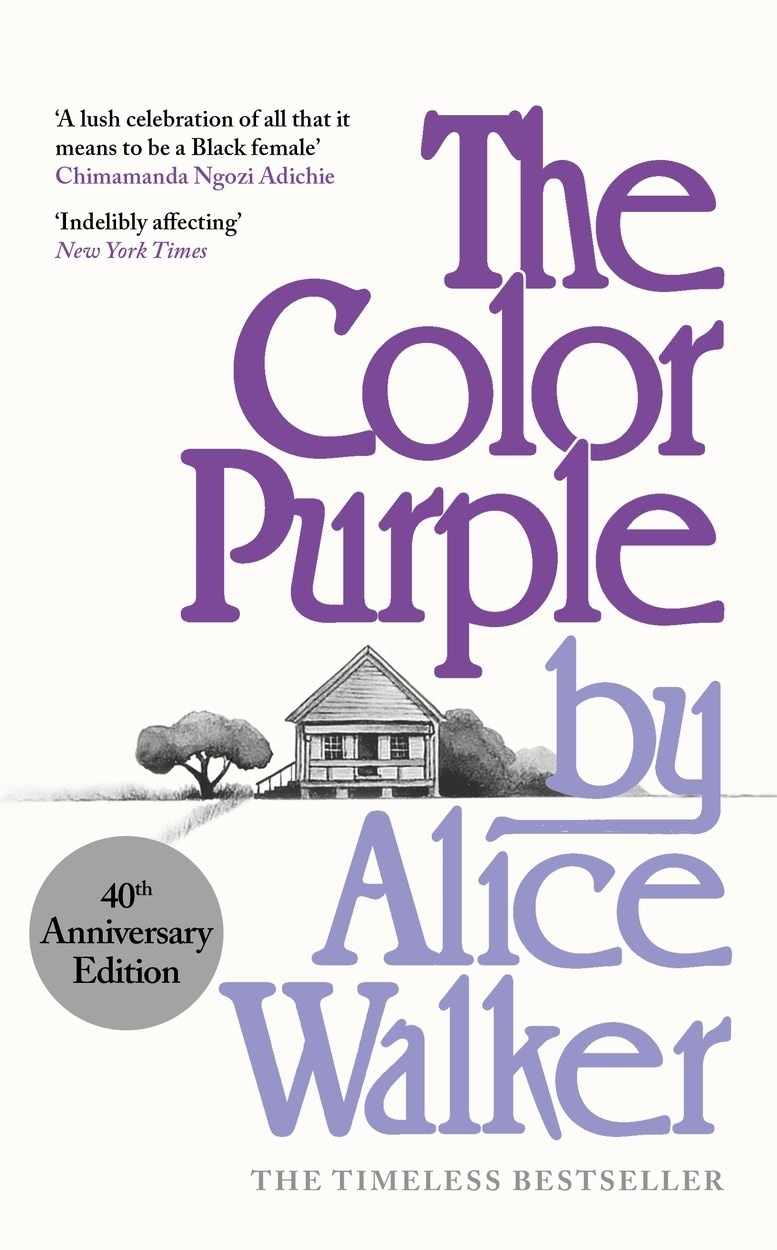
Among her non-musical inspirations, Olivia Rodrigo highlighted her recent reading of Alice Walker’s seminal 1982 novel, The Color Purple. This choice reveals a profound engagement with literature that tackles complex social issues and deep emotional landscapes. Alice Walker, a revered figure in American literature, won the Pulitzer Prize for Fiction for The Color Purple in 1983, making her the first African American woman to achieve this honor. The novel stands as a landmark work, celebrated for its epistolary format, powerful narrative, and groundbreaking exploration of race, gender, and sexuality in early 20th-century America.

The Color Purple chronicles the lives of Celie and Nettie, two African-American sisters living in rural Georgia. Their story is one of unimaginable hardship, marked by systemic racial prejudice, gendered violence, and profound emotional abuse. Celie, the protagonist, endures rape, forced marriage, and separation from her beloved sister Nettie, who is driven away after rejecting the advances of Celie’s abusive husband, Mister. The novel poignantly details Celie’s journey from a voiceless victim to a woman who finds her strength, identity, and ultimately, her voice through enduring love, sisterhood, and self-discovery, significantly aided by the powerful character of Shug Avery.
Walker’s own description of the book as "a story of passion, of growth, of turmoil and confusion, of triumph over so many calamities" perfectly encapsulates its enduring appeal. It’s a devastating read, unflinching in its portrayal of suffering, yet it is equally remarkable for its unwavering ability to illuminate hope, resilience, and the redemptive power of human connection even in the bleakest circumstances. The novel’s cultural impact extends beyond literature, having been adapted into a critically acclaimed film by Steven Spielberg in 1985 and a successful Broadway musical, both amplifying its themes for wider audiences.
For Rodrigo, connecting with a narrative like The Color Purple may speak to her own artistic drive to explore vulnerability and strength. While her personal experiences are vastly different from Celie’s, the universal themes of finding one’s voice, overcoming adversity, and the complexities of human relationships undoubtedly resonate. This literary depth suggests that Rodrigo’s emotional honesty in her songwriting isn’t just drawn from personal heartbreak but also from a broader, empathetic understanding of human suffering and triumph found in powerful narratives.
Cinematic Reflections: The Melancholy of Sofia Coppola’s ‘The Virgin Suicides’
Sofia Coppola’s 1999 cult classic film, The Virgin Suicides, based on Jeffrey Eugenides’ 1993 novel of the same name, holds a special place in Rodrigo’s cinematic pantheon. Coppola, known for her distinctive aesthetic and her focus on the interior lives of young women, crafted a film that became an iconic representation of adolescent melancholy and suburban mystery. The film tells the tragically short lives of the five beautiful and enigmatic Lisbon sisters—Cecilia, Lux, Bonnie, Mary, and Therese—who live under the strict, religiously conservative household of their parents in 1970s Michigan.
The narrative unfolds from the collective perspective of a group of neighborhood boys, now men, who were captivated by the sisters during their youth and remain obsessed with unraveling the mystery of their lives and eventual suicides. This male gaze, filtered through memory and longing, adds a layer of wistful unattainable desire to the tragedy. The film’s visual style is dreamy and ethereal, bathed in a soft, nostalgic glow, complemented by an evocative soundtrack by Air, creating an atmosphere of ethereal beauty juxtaposed with underlying dread. Themes of innocence lost, the mysterious nature of female adolescence, the suffocating constraints of conservative upbringing, and the enduring power of memory are central to its narrative.
Rodrigo’s appreciation for The Virgin Suicides is particularly illuminating given the thematic parallels with her own music. Her songs often capture the intense, sometimes isolating, experience of young womanhood, characterized by yearning, heartbreak, and a profound sense of self-awareness tinged with melancholy. Tracks like "drivers license" or "deja vu" explore the raw emotions of first love and its aftermath, while "ballad of a homeschooled girl" directly echoes the isolation and unique perspective that can arise from a sheltered existence, similar to the Lisbon sisters’ cloistered lives. The film’s ability to articulate a specific, intense emotional state of youthful longing and misunderstood sensitivity makes it a natural touchstone for an artist like Rodrigo, whose work deeply resonates with these same sentiments.
Advocacy and Awareness: Jessica Valenti’s ‘Abortion’ and Rodrigo’s Activism
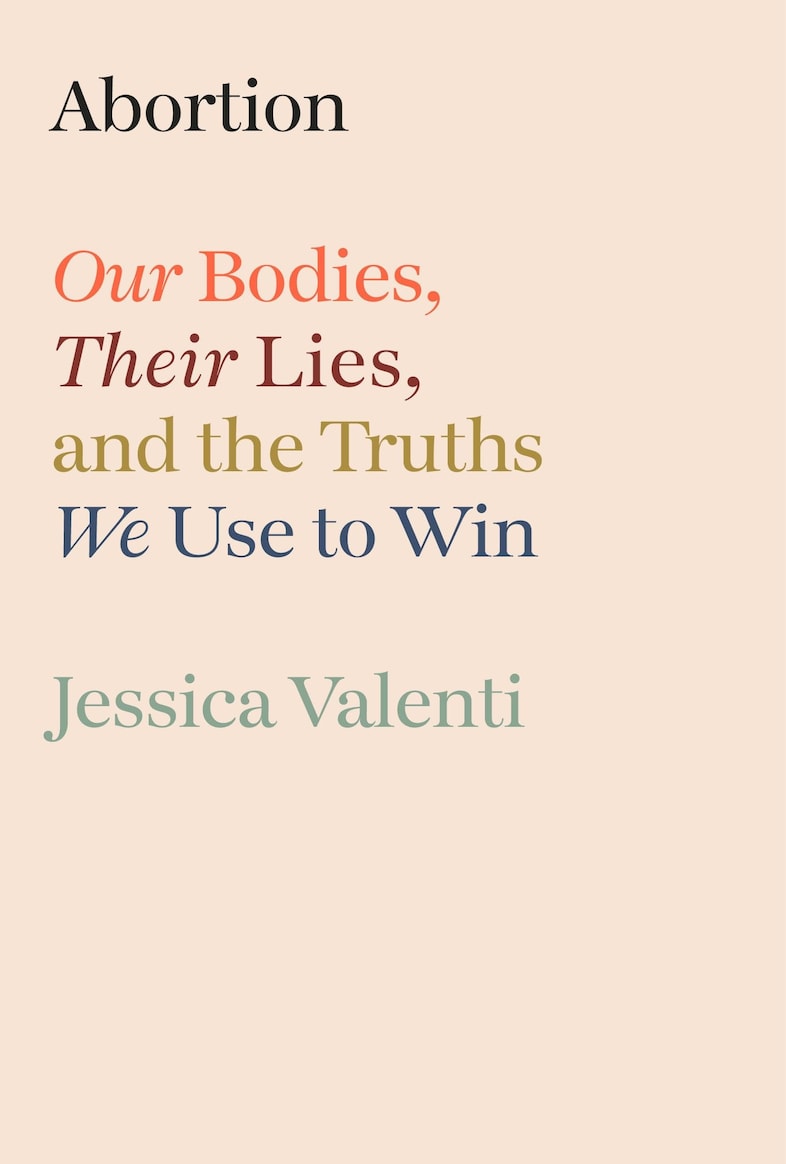
Olivia Rodrigo’s recommendation of Jessica Valenti’s 2024 non-fiction book, Abortion, underscores her outspoken commitment to social and political issues, particularly reproductive rights. Valenti, a New York Times bestselling author and prominent feminist writer, is known for her incisive commentary on gender politics. Her book serves as a vital resource for "anyone who’s interested in protecting our reproductive freedoms," as Rodrigo aptly put it.
Abortion delves into the ongoing political and social assault on women’s bodily autonomy, particularly in the United States. Published in the wake of the overturning of Roe v. Wade, the book aims to "cut through the misinformation and overwhelm to inform, engage, and enrage" readers. It meticulously unpacks the history of abortion rights, the legal battles, the medical realities, and the persistent political machinations seeking to restrict access to reproductive healthcare. Valenti’s work provides a comprehensive, fact-based analysis designed to arm readers with knowledge and inspire action in a landscape often dominated by partisan rhetoric and disinformation.
Rodrigo’s advocacy for reproductive rights has been a consistent aspect of her public persona. A notable instance occurred during her 2022 Glastonbury performance, just weeks after the U.S. Supreme Court’s decision to overturn Roe v. Wade, eliminating the constitutional right to abortion. On stage, Rodrigo brought out British singer Lily Allen for a rousing rendition of Allen’s defiant anthem "F**k You," which Rodrigo dedicated explicitly to the Supreme Court Justices responsible for the decision. This powerful act of protest, amplified on a global stage, cemented Rodrigo’s position as a vocal advocate for reproductive freedom, demonstrating her willingness to use her platform for significant political causes.
Her engagement with Valenti’s book further solidifies this stance, highlighting her dedication to being an informed and active participant in critical societal debates. For her largely young fanbase, Rodrigo’s alignment with such causes can serve as an important example, encouraging them to educate themselves and engage with issues that have profound implications for civil liberties and human rights. It positions her not just as an entertainer, but as a conscientious artist who understands the broader impact of her influence.
Navigating Existential Angst: Joachim Trier’s ‘The Worst Person in the World’
Another film that has captured Olivia Rodrigo’s admiration is Joachim Trier’s 2021 Norwegian film, The Worst Person in the World. This critically acclaimed movie, the third installment in Trier’s "Oslo Trilogy," earned Oscar nominations for Best Original Screenplay and Best International Feature Film, solidifying its place in contemporary European cinema.
The film centers on Julie, a bright, yet angsty and self-destructive young woman navigating the complexities of her late twenties and early thirties in Oslo. Julie embodies a millennial ennui, flitting between academic pursuits, career paths, and romantic relationships, all while grappling with an existential crisis and a pervasive feeling of being lost and unsure of her identity. Her journey is marked by indecision, self-doubt, and a struggle to reconcile societal expectations with her own desires. The film employs an episodic structure, presenting "12 chapters, a prologue, and an epilogue" that offer vignettes into Julie’s tumultuous internal and external life. It blends humor, melancholy, and romantic realism, creating a nuanced portrait of a woman searching for meaning and belonging.
The Worst Person in the World resonates deeply with themes of modern romance, the pressures of adulthood, and the universal experience of feeling like an impostor or, as the title suggests, "the worst person in the world." For Rodrigo’s fanbase, many of whom are grappling with similar feelings of uncertainty and the messy process of growing up, Julie’s journey offers a powerful and relatable narrative. Even though Julie is older than Rodrigo’s typical protagonist, the core emotions of self-doubt, the search for authenticity, and the messy realities of love and life are universal. Rodrigo’s connection to this film indicates her interest in exploring the nuances of human experience beyond adolescent heartbreak, moving towards the broader anxieties and identity struggles that define early adulthood.
The Anatomy of Obsession: Annie Ernaux’s ‘Simple Passion’ and ‘stupid song’
Annie Ernaux’s Simple Passion is a firm favorite not only for Rodrigo but also for many literary enthusiasts, particularly within the Dazed editorial team. Ernaux, a French writer renowned for her autofiction style, was awarded the Nobel Prize in Literature in 2022 for her ability to "uncover the collective restraints of memory." Simple Passion stands as a quintessential example of her work, a concise yet potent autobiographical novel that dissects the narrator’s two-year, all-consuming relationship with a married man.
The novel is a raw and unflinching examination of obsessive love, detailing the narrator’s physical and emotional surrender to desire. Ernaux’s prose is detached, almost clinical, as she meticulously documents the agony of waiting for phone calls, the fleeting moments of intimacy, and the profound mental and emotional disarray that an intense, illicit affair can induce. Themes of desire, social transgression, the body’s response to passion, and the construction of memory are explored with an almost anthropological precision. It’s an evocative, gripping read about the myriad ways in which love, or rather, infatuation, can drive one to madness.
Rodrigo explicitly revealed that one song on her album GUTS was particularly inspired by Simple Passion and "that feeling of liking someone so much that you just feel kind of miserable and insane, like a disease you can’t shake." Later, speaking on the New York Times Popcast, she confirmed that "stupid song"—track two on GUTS—is the Ernaux-inspired piece. This connection provides a sophisticated literary grounding for Rodrigo’s exploration of intense, consuming romantic emotions. "stupid song" captures the irrationality and self-destructive aspects of infatuation, mirroring Ernaux’s depiction of a love that transcends reason and borders on a pathological obsession. It showcases Rodrigo’s ability to draw from high literature to imbue her pop lyrics with a depth and complexity that resonate universally, transforming personal experience into a shared emotional truth.
Nostalgic Roots: The Enduring Appeal of ‘Twilight’
No exploration of Olivia Rodrigo’s influences would be complete without acknowledging her deep-seated love for the Twilight saga. Any dedicated fan, or "Livie," knows that Rodrigo is a "Twihard" at heart, a sentiment that speaks volumes about her generation’s foundational pop culture touchstones. The Twilight phenomenon, originating from Stephenie Meyer’s bestselling book series and subsequently adapted into a blockbuster film franchise, needs little introduction. It captivated a global audience with its tale of Bella Swan, a human girl, and her complex, forbidden romance with Edward Cullen, a vampire, and the subsequent love triangle involving Jacob Black, a werewolf.
The saga’s immense popularity stemmed from its blend of gothic romance, supernatural elements, and classic young adult tropes, exploring themes of first love, identity, danger, and loyalty. The "Team Edward" versus "Team Jacob" debate became a defining cultural moment, indicative of the intense fan engagement and passionate divisions the series inspired.
During Rodrigo’s "dA-Zed Guide to Being," she fondly recalled her unwavering allegiance to "Team Edward" since childhood, reminiscing, "I used to make Team Edward signs and hold them up to the TV." This nostalgic connection highlights her relatability as a young woman who, like millions of her peers, grew up immersed in the fervent world of popular culture. Twilight represents a foundational narrative of intense, all-consuming, and often melodramatic love that likely shaped her early understanding of romance and storytelling. While perhaps less overtly intellectual than her other influences, Twilight offers a crucial insight into the formative cultural experiences that underpin her artistic sensibility, providing a lighter, more nostalgic counterpoint to her more profound literary and cinematic inspirations. It reminds us that even highly sophisticated artists draw inspiration from the beloved pop culture artifacts of their youth.
The Synthesis of Influence: Shaping a Generational Voice
Olivia Rodrigo’s diverse cultural influences—from the rebellious spirit of post-punk bands and the socio-historical depth of Alice Walker, to the melancholic beauty of Sofia Coppola’s cinema, the feminist activism championed by Jessica Valenti, the existential inquiries of Joachim Trier, the obsessive introspection of Annie Ernaux, and the foundational romanticism of Twilight—converge to form a truly unique artistic voice. She is an artist who not only creates but also engages critically and empathetically with the world around her, both culturally and politically.
This rich tapestry of inspiration allows Rodrigo to infuse her music with layers of meaning, emotional complexity, and intellectual curiosity that resonate deeply with her audience. Her work transcends mere pop sensation, positioning her as a significant voice for her generation—one that encourages critical thinking, social awareness, and a broad engagement with art and literature. By openly sharing her cultural compass, Rodrigo empowers her fans to explore beyond the mainstream, fostering a deeper appreciation for the diverse forms of storytelling that contribute to a richer understanding of themselves and the world. Her artistry is a testament to the power of synthesis, demonstrating how a wide array of influences can coalesce into a cohesive, impactful, and undeniably authentic creative output.