







The Fjällräven Expedition Down Parka stands as a testament to innovative design and a commitment to enduring warmth, a legacy meticulously crafted by its founder, Åke Nordin. What began as a pragmatic solution to a personal problem – avoiding the cold – has evolved into a globally recognized benchmark for extreme weather protection. This article delves into the history, design philosophy, and unique features of this iconic parka, exploring its journey from a rudimentary concept to a sophisticated piece of outdoor apparel.

The Genesis of an Icon: From Backpacks to Parkas

Åke Nordin’s entrepreneurial spirit ignited at a remarkably young age. At just 14, he established his first company, crafting wooden-framed backpacks designed for reindeer herders. This early venture into outdoor gear laid the groundwork for a lifelong pursuit of functional, durable products. The advent of the Space Race, with its focus on aluminum, spurred Nordin to innovate further, adapting his backpack designs with lighter, more resilient materials. This forward-thinking approach characterized his career, leading to the creation of Fjällräven and its eventual triumph in the realm of insulated outerwear.

The genesis of the Expedition Down Parka itself is rooted in Nordin’s ingenuity. Faced with the challenge of extreme cold, he ingeniously stitched two down jackets together. This rudimentary, yet effective, solution highlighted his core principle: prioritizing performance and warmth above all else. This foundational concept, born from necessity, would later be refined into the robust and feature-rich parka known today.

Engineering Extreme Warmth: Design Innovations and Unique Features

The Fjällräven Expedition Down Parka is not merely a jacket; it’s a carefully engineered system designed to provide unparalleled warmth in the harshest conditions. Its substantial size is intentional, intended to function as an outer shell that can be layered over existing clothing, even other insulated jackets, at base camps or during brief periods of inactivity in extreme cold. This "tank-like" construction ensures that even when stationary, body heat is retained effectively.

A key element of the parka’s warmth is its construction method. Fjällräven employs an offset channel construction, a sophisticated technique that effectively creates two sewn-through down jackets layered atop one another. This method ensures that the seams of the inner and outer layers do not align, thereby eliminating thermal bridging and maximizing the loft and insulating properties of the down. This contrasts with simpler sewn-through or box-construction methods, offering superior protection against cold spots.

The Hockey Lace Legacy: A Touch of Nordin’s Whimsy

A charming detail that speaks volumes about Nordin’s practical creativity is the use of hockey laces for cinching the hood and hem. When Nordin first developed the jacket, he lacked readily available drawcords. His resourceful solution was to utilize durable hockey laces, incorporating them into the hood, hem, and even the jacket’s locker loop. The blue version of the jacket famously features these laces in a way that subtly evokes the Swedish flag, a nod to Nordin’s heritage and a testament to his thoughtful design.

The Synthetic Padding Conundrum: A Strategic Choice

An intriguing aspect of the Expedition Down Parka’s design is the strategic placement of synthetic padding in specific areas, namely along the zipper placket, shoulders, and the brim of the hood, while the rest of the jacket is filled with premium goose down. This choice, initially met with suspicion, is rooted in functional considerations.

Fjällräven’s Global Product Director, Donna Bruns, clarified this design choice, explaining its dual purpose. Primarily, the synthetic insulation is used in areas prone to compression when wearing a backpack. As Fjällräven’s origins lie in backpack manufacturing, this detail pays homage to its heritage. Synthetic insulation, unlike down, compresses less under weight and maintains its thermal properties even when compacted. This ensures that the shoulders, areas bearing the brunt of backpack straps, remain warmer. Secondly, synthetic insulation is generally quicker to dry than down. Areas like the hood brim and placket are more exposed to moisture, and the faster-drying synthetic material enhances the jacket’s weather resistance in these critical zones. While some might question the long-term loft of synthetic materials, Bruns indicated that with high-quality padding, this concern is largely mitigated over the jacket’s extensive lifespan, a point reinforced by the parka’s 50-year history without significant complaints regarding this feature.

G-1000: A Fabric of Resilience and Adaptability

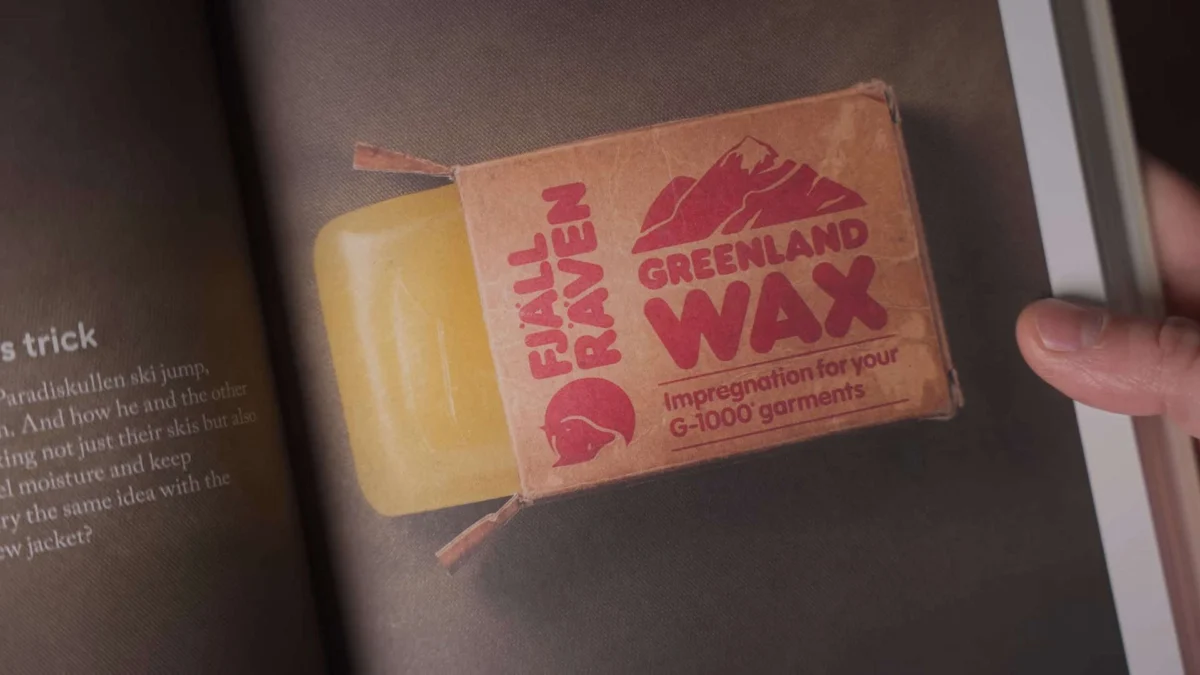
The integration of G-1000 and G-1000 Heavy Duty fabric into certain areas of the parka represents another layer of Fjällräven’s thoughtful design, harkening back to traditional materials with modern applications. This robust poly-cotton blend, originally conceived for tents, proved too heavy for portability. However, Nordin recognized its potential when observing skiers who applied ski wax to the back of their pants to prevent snow from soaking through. This led to the application of the G-1000 fabric, which can be waxed to enhance its water and wind resistance.

This traditional approach stands in contrast to the prevalent use of high-tech waterproof membranes like Gore-Tex in modern outdoor apparel. Fjällräven’s decision to stick with G-1000 in specific applications stems from a philosophy that prioritizes user control and sustainability. Unlike Gore-Tex, where waterproofing and breathability are fixed properties, G-1000’s waxable nature allows users to customize its performance. For instance, one can choose to wax the front of the jacket for maximum wind and water protection while leaving the back un-waxed for enhanced breathability, or selectively treat areas like the underarms. This adaptability offers a level of customization that appeals to those who prefer a more hands-on approach to their gear maintenance and performance.

Furthermore, Fjällräven’s commitment to sustainability is deeply intertwined with its material choices. The use of G-1000, which can be re-waxed and repaired, promotes longevity and reduces the environmental impact associated with disposable outdoor gear. This contrasts with many high-tech waterproof membranes that, while effective, often involve complex chemical treatments and can be challenging to repair or recycle. Fjällräven’s stance also extends to manufacturing processes, with a notable effort to remove harmful chemicals from components like zippers, a challenge acknowledged by Bruns as an ongoing battle against industry inertia.

The "Why Not High-Tech?" Philosophy: Carl Hård af Segerstad’s Insight

The question of why Fjällräven often eschews the bleeding edge of technological advancement in favor of more established methods was eloquently answered by Carl Hård af Segerstad, Global Events Senior Manager. His perspective offers a crucial insight into the brand’s ethos. He explained that while it’s possible to create the absolute lightest down jacket using the thinnest technical nylon, this approach significantly raises the barrier to entry for consumers. Such garments are often prohibitively expensive, require meticulous care, and increase the margin for error in the field.

"By chasing this crazy technical route and going absolutely insane, you lose people in the process," Hård af Segerstad articulated. "When you lose people, they don’t want to go outside, they don’t care about preserving nature." Fjällräven’s business model, he stressed, relies on encouraging people to engage with the outdoors. If their products become too fragile, too complex, or too expensive, they risk alienating the very audience they aim to serve. This philosophy underscores a commitment not just to product performance, but to fostering a deeper connection between people and the natural world.

A Legacy of Collaboration and Continuous Improvement

The spirit of collaboration that defined Åke Nordin’s early ventures remains a cornerstone of Fjällräven’s identity. Donna Bruns emphasized this, encouraging feedback and iterative improvement. "Push us," she repeatedly urged, highlighting the brand’s desire to be challenged and to evolve based on consumer needs and insights. This open dialogue is crucial, ensuring that the brand remains responsive to the practical demands of outdoor enthusiasts.

The author’s own experience receiving a signed book of "nerdy details" from Donna Bruns and Martin Axelhed, the CEO, exemplifies this collaborative ethos. It demonstrates a genuine willingness from Fjällräven’s leadership to engage with detailed inquiries and to share the intricacies of their product development. This level of transparency and dedication to customer engagement reinforces the brand’s commitment to its founding principles.

The Expedition Down Parka: An Enduring Classic

The Fjällräven Expedition Down Parka is more than just a piece of clothing; it is a narrative of innovation, practicality, and a deep respect for the outdoors. From its humble beginnings to its current status as an industry leader, it embodies a philosophy that prioritizes enduring warmth, thoughtful design, and a sustainable approach to manufacturing. Its features, while seemingly simple, are the result of decades of refinement and a clear understanding of what it takes to stay warm and comfortable in the most challenging environments. The legacy of Åke Nordin lives on in every stitch, a testament to the power of a "mad genius" driven by the simple desire to conquer the cold.