










The global luxury watch industry, a sector steeped in heritage and precision, finds itself at a critical juncture, grappling with a pricing strategy that, while seemingly rational on the surface, is increasingly alienating its core consumer base and hindering long-term growth. While industry leaders have astutely identified the shift in market dynamics, particularly the diminishing influence of the middle-class buyer and the growing importance of ultra-wealthy consumers, their subsequent decisions to dramatically increase prices are proving to be a self-inflicted wound. This approach, driven by a flawed interpretation of market trends and a persistent focus on short-term margins, risks undermining the very foundations of the luxury watch market.
The Evolving Landscape of Luxury Watch Consumption
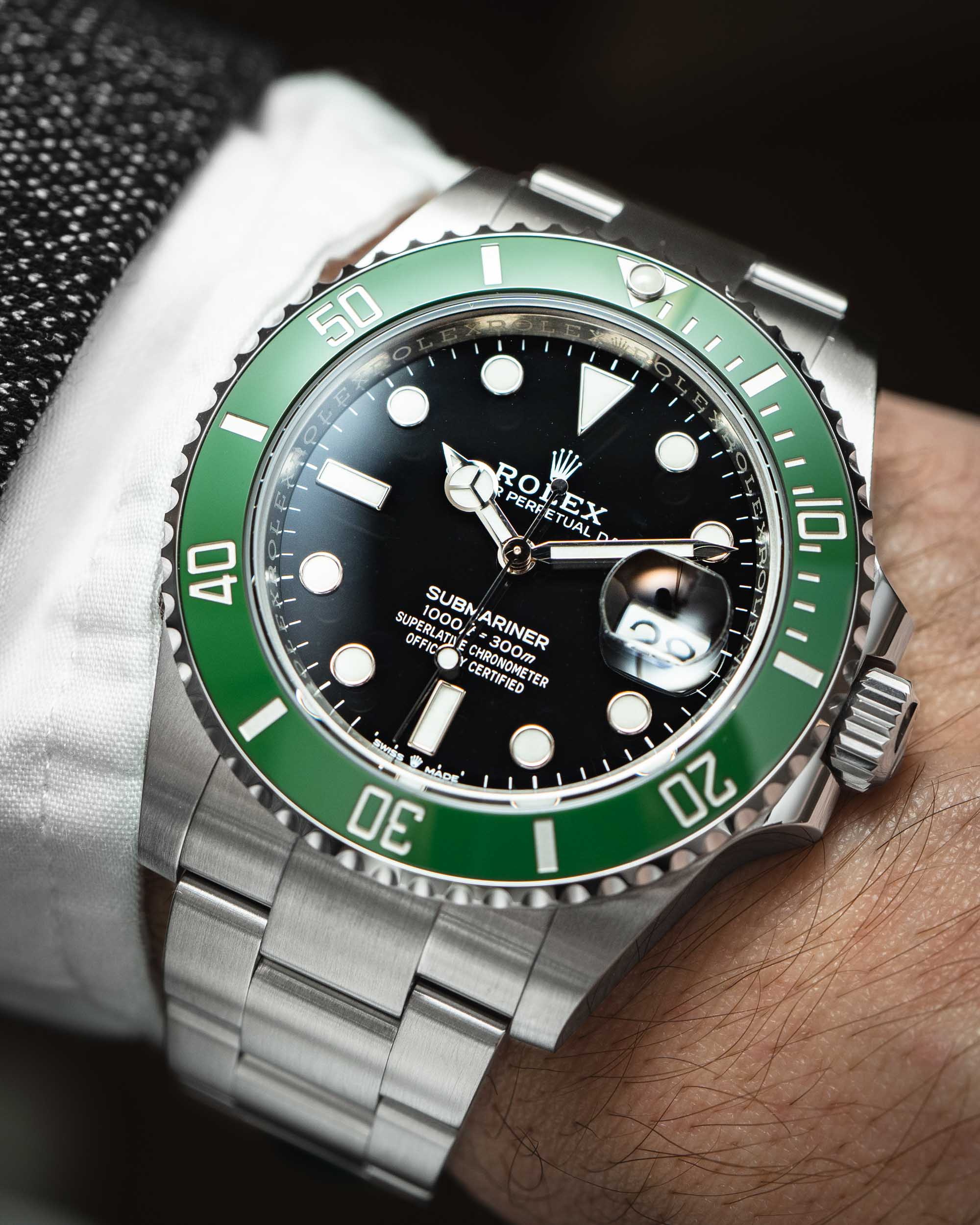
For centuries, the watch industry has navigated cyclical periods of expansion and contraction, intrinsically linked to broader economic and geopolitical shifts. The current era presents a unique set of challenges and opportunities. A detailed analysis of historical Rolex Submariner pricing, for instance, reveals decades of consistent value appreciation, a trend that has inadvertently fueled expectations of perpetual price growth. However, the contemporary market is far more complex than its predecessors. The rise of e-commerce has fundamentally altered purchasing habits, diminishing the serendipitous discovery of luxury goods in traditional retail environments. More critically, a widening wealth gap and stagnant wage growth for the middle class have eroded purchasing power, making aspirational luxury purchases increasingly difficult.

This economic reality has led to a contraction in the traditional "fashion watch" segment, a market that once absorbed a vast array of accessible luxury timepieces. The industry’s consultants and market research reports have, with considerable accuracy, highlighted the shrinking middle-class luxury buyer. Consequently, the prevailing wisdom within many luxury brands has been to pivot their focus towards the wealthiest segment of the population. This demographic, theoretically more insulated from economic downturns and possessing greater disposable income, is seen as the primary engine for future growth.
The Misapplication of Pricing Strategies: A Case Study in Miscalculation
The critical misstep, however, lies in how this demographic shift has been interpreted and acted upon. Luxury watch brands have largely translated the understanding that the wealthy are the primary remaining buyers into a justification for substantial price increases. The logic, often cited, is that a consumer with significant disposable income will not be deterred by a higher price tag. This reasoning, however, fails to account for the nuances of consumer behavior, even among the affluent.
Over a relatively short period, numerous luxury watchmakers have implemented price hikes ranging from 30% to over 100%. This is not merely an adjustment for inflation or increased manufacturing costs; it represents a wholesale repositioning of products. While such strategies may have yielded short-term profit gains, they have triggered significant market pushback. The notion that consumers will readily absorb escalating prices, particularly for goods that have not undergone commensurate upgrades in materials, craftsmanship, or innovation, is proving to be a fallacy. Reports of plummeting sales in other luxury sectors, such as high-end handbags, following similar price doubling strategies serve as a stark warning. This is not a sign of market disappearance but rather a direct consequence of consumer revolt against perceived unjustified price hikes.
The Dom Perignon Fallacy: A Misunderstood Precedent
A significant factor contributing to this aggressive pricing strategy is the industry’s reliance on a widely misinterpreted case study involving Dom Perignon Champagne. Decades ago, the esteemed Champagne producer experienced a sales decline when it attempted to lower its prices, leading consumers to associate the reduced cost with diminished quality. In response, Dom Perignon raised its prices, which subsequently led to an increase in sales, as a segment of consumers used price as a proxy for prestige and celebration.
This isolated incident has been extrapolated as a universal truth by a generation of luxury brand managers, who now believe that regular price increases are not only permissible but essential for brand perception and profitability. However, this interpretation overlooks crucial context. The Dom Perignon era was characterized by a generally upwardly mobile society with less access to comparative product information. Consumers relied on price as a primary indicator of quality and exclusivity.
In today’s hyper-connected world, consumers possess unprecedented access to information. The decision-making process for luxury watches is no longer driven by instinct or simple price-based judgment. Extensive research, expert validation, and peer reviews play a pivotal role. Furthermore, the notion that consumers celebrate less is inaccurate; rather, the means of celebration and the discernment of value have evolved. The belief that consumers only begin to scrutinize value at significantly higher price points is fundamentally flawed. All consumers, regardless of their wealth, seek justification for their purchases. The reality is that consumers aim to acquire the specific product value they desire for the least amount of expenditure, not necessarily to spend as much as possible to display wealth.

The Impact of Misguided Pricing on the Ecosystem
The consequences of these aggressive price increases extend beyond the direct consumer. Retailers, often the first to absorb the impact of unsold inventory, are caught in a difficult position. Brands may reassure retailers of higher margins on each unit sold, but this assurance is hollow if the product’s inflated price deters buyers. This creates a disconnect, as brands are reluctant to acknowledge that their products have become too expensive, often attributing sales challenges to inadequate salesmanship rather than pricing strategy.
Furthermore, the industry’s focus on an increasingly narrow segment of ultra-wealthy individuals is also problematic. While the affluent are indeed the primary buyers of luxury watches, it is a misconception to believe they are immune to price sensitivity. The accumulation and preservation of wealth often involve a keen awareness of value and prudent financial management. Rich individuals do not necessarily become rich or remain rich by disregarding prices. The concept of "disposable income" remains relative, and even affluent individuals may reconsider significant "emotional purchases" if they perceive a lack of value or justification.
The Swiss Franc Factor and the Myth of Uncontrollable Costs
Brands often cite the strength of the Swiss Franc as a primary driver for price increases, suggesting that currency fluctuations are beyond their control. However, this argument falters when considering the significant international business conducted by Swiss watchmakers. A strong Franc, while increasing the cost of production for some components, also translates to greater purchasing power for their earnings in foreign markets. This suggests that brands possess the flexibility to absorb currency fluctuations or even adjust prices downwards to remain competitive, rather than simply passing on increased costs. The narrative of uncontrollable cost increases often serves as a convenient cover for profit-maximizing strategies that prioritize margin maintenance over market competitiveness.

A Path Forward: Realigning Value with Price
The luxury watch industry stands at a crossroads. While the identification of the affluent consumer as the primary market segment is accurate, the strategy of aggressively increasing prices is a short-sighted approach that jeopardizes long-term sustainability. The industry must re-evaluate its pricing strategies, moving away from a purely margin-driven model towards one that prioritizes value creation and competitive positioning.
Brands should consider the following:
- Focus on Value Justification: Price increases, if necessary, must be directly correlated with tangible improvements in product quality, innovation, or unique features. Simply increasing prices to match competitors or benchmark brands without offering commensurate value is unsustainable.
- Nurture Existing Customer Relationships: It is significantly more cost-effective to retain existing customers than to acquire new ones. Price increases that alienate a loyal customer base can have a detrimental long-term impact on brand equity and sales.
- Strategic Pricing for Market Share: In an evolving market, brands may need to strategically accept lower margins in exchange for greater market share and brand loyalty. This requires a shift from a short-term profit maximization mindset to a long-term growth strategy.
- Transparency and Communication: Open communication about the rationale behind price adjustments, particularly when they are tied to genuine product enhancements or significant operational investments, can foster greater consumer understanding and acceptance.
- Revisiting the "Fashion Watch" Segment: While the traditional fashion watch market may have contracted, there remains a demand for accessible luxury. Brands could explore sub-brands or specific collections that cater to this segment with well-crafted, attractively priced timepieces, thereby broadening their appeal and customer base.
The future of the luxury watch industry hinges on its ability to adapt to changing consumer behaviors and economic realities. By prioritizing genuine value, fostering enduring customer relationships, and adopting a more nuanced approach to pricing, brands can secure their place in the evolving landscape of luxury, ensuring not just survival, but sustainable growth. The current path of escalating prices, while seemingly an easy solution, is a dangerous gamble that risks alienating the very consumers it seeks to attract.