







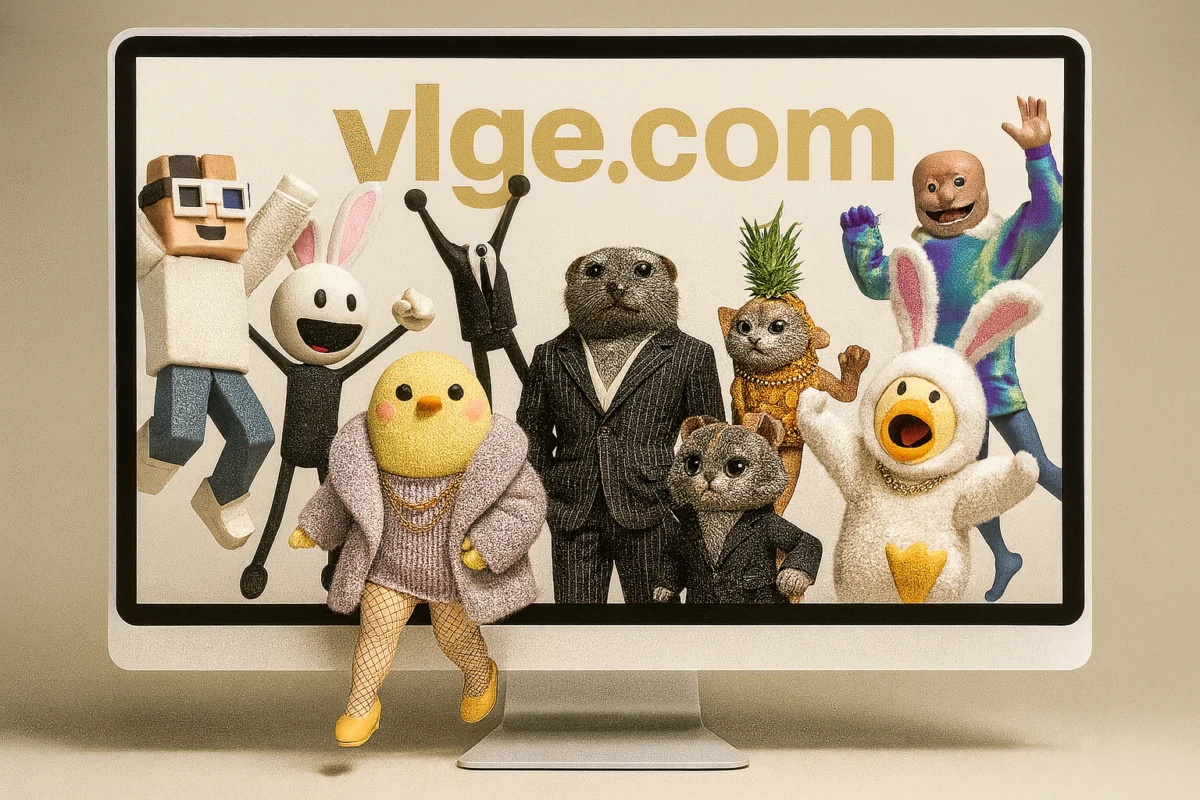
The global fashion industry is currently navigating a period of profound structural transformation, driven by the dual pressures of environmental sustainability and the shifting consumption habits of younger, digitally native generations. At the forefront of this evolution is VLGE, an immersive-world-building platform that has recently announced a significant expansion of its capabilities. Founded by entrepreneur Evelyn Mora in 2021, VLGE is transitioning from a specialized tool for brand engagement into a comprehensive infrastructure for what is being termed "gamified commerce." On Thursday, the company unveiled its most ambitious project to date: the launch of World Fashion Week, an initiative that will see 50 international fashion brands debut interactive, shoppable worlds powered by VLGE technology.
The Genesis of VLGE: From Helsinki to the Metaverse
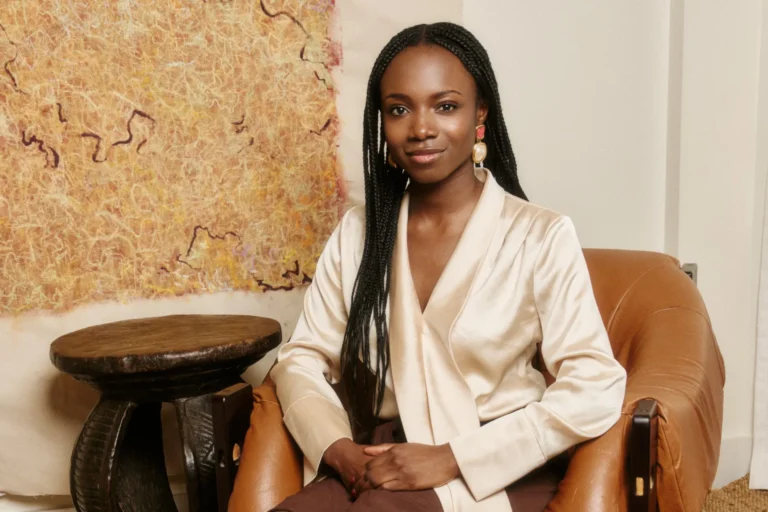
The origins of VLGE are rooted in the practical limitations of the traditional fashion calendar. Before founding the platform, Evelyn Mora gained international recognition for her work in sustainable fashion, most notably as the founder of Helsinki Fashion Week. During her tenure in the traditional fashion circuit, Mora observed a recurring paradox: while designers were increasingly focused on sustainable materials and ethical supply chains, the medium through which they showcased their work—the large-scale, physical fashion show—remained inherently detrimental to the environment. The carbon footprint associated with international travel, temporary set construction, and the logistical demands of a 15-minute runway show presented a significant barrier to true sustainability.
In 2021, Mora pivoted toward a technological solution, launching VLGE to provide brands with a digital alternative that did not sacrifice the spectacle or the social capital of a traditional launch. Initially conceived as a platform for creating immersive environments, VLGE has evolved into a sophisticated engine that allows brands to build their own interactive ecosystems. These digital "worlds" are populated with games and interactive content, providing a level of engagement that static lookbooks or filmed campaigns cannot replicate.
Breaking Technical Barriers: The Roblox Integration
A central component of VLGE’s recent announcement is its enhanced interoperability with Roblox, one of the world’s largest gaming platforms with over 79 million daily active users. While many luxury and high-street brands have attempted to establish a presence on Roblox, the technical and financial hurdles have historically been steep.
Under current market conditions, a brand seeking to build a custom experience on Roblox typically engages specialized creative agencies. This process can be prohibitively expensive, with costs ranging from $10,000 to $100,000 depending on complexity. Furthermore, the development cycle often spans several months and requires a deep understanding of Luau, Roblox’s proprietary coding language.
VLGE’s value proposition lies in its ability to democratize this process. The platform allows users to build immersive environments across browsers in real time, which can then be exported instantly to Roblox without the need for substantive coding knowledge or technical backgrounds. According to Mora, this removes the "costly, technical, and complex" barriers that have previously relegated high-tier digital world-building to brands with massive R&D budgets. By making the process affordable and scalable, VLGE is positioning itself as the essential middleware for the next generation of digital retail.
Beyond Roblox, VLGE has maintained its technological versatility. The platform is currently compatible with Unreal Engine, the high-fidelity graphics engine used in AAA gaming and cinematic production, and is actively working toward compatibility with Meta’s Horizon Worlds. This cross-platform utility ensures that brands are not locked into a single ecosystem, allowing for a broader reach across different segments of the digital landscape.
World Fashion Week: A New Paradigm for Digital Events
The upcoming World Fashion Week serves as a critical proof-of-concept for the VLGE infrastructure. Unlike traditional fashion weeks, which are localized in cities like New York, London, Milan, and Paris, World Fashion Week is a decentralized, digital-first event. The 50 participating brands will launch "shoppable worlds," where users can engage with brand narratives through gamified elements while having the ability to purchase products directly within the experience.
This initiative acts as a bridge for creators and brands to launch shoppable games that can be exported to various platforms. The move signals a shift away from passive digital consumption—such as watching a livestream of a runway show—toward active participation. In these environments, the consumer is an avatar-represented participant rather than a spectator. This model is specifically tailored to Gen Z and Gen Alpha consumers, who prioritize interactivity and self-expression in their digital lives.

Financial Backing and Strategic Partnerships
The rapid scaling of VLGE has been supported by a total of $5 million in capital from a diverse group of high-profile investors. The investor pool reflects a strategic mix of traditional venture capital, luxury industry expertise, and institutional support. Notable backers include:
- Lammot J. du Pont: A member of the influential du Pont family, bringing significant legacy investment experience.
- L’Oréal Group: The global beauty giant’s involvement underscores the platform’s utility for the cosmetics and fragrance sectors, which have been early adopters of AR and virtual try-on technologies.
- The British Fashion Council (BFC): The BFC’s support provides VLGE with institutional legitimacy within the fashion industry, signaling that traditional governing bodies view gamified commerce as a viable future for the sector.
The platform has already demonstrated its efficacy through collaborations with major industry names, including Lancôme, Charlotte Tilbury, and Vogue Scandinavia. These partnerships have allowed VLGE to refine its tools for high-end aesthetic requirements while ensuring the backend remains robust enough for large-scale user traffic.
The Economics of Gamified Commerce
To accommodate a wide range of users, VLGE has implemented a four-tier pricing structure. This includes a "Freemium" model designed for individual creators and independent designers, alongside three paid tiers tailored for creators, small businesses, and large-scale enterprises. This tiered approach is intended to foster a diverse ecosystem where emerging talent can exist alongside established luxury houses.
The platform’s roadmap includes the launch of a dedicated e-tail store. This marketplace will be unique in its dual-offering strategy: it will facilitate the sale of physical garments from emerging brands while simultaneously selling 3D digital assets. These digital assets are designed to be interoperable, meaning a user can purchase a garment for their physical wardrobe and a matching 3D version for their digital avatar on Roblox or other supported platforms.
This "phygital" retail model addresses a growing market. Industry analysts suggest that the market for digital skins and in-game items is already worth billions of dollars annually. By linking these assets to physical commerce, VLGE is creating a holistic shopping experience that reflects the hybrid lives of modern consumers.
Implications for the Future of Retail
The rise of platforms like VLGE suggests that the future of fashion retail may lie in the transition from "e-commerce" to "i-commerce" (immersive commerce). In the traditional e-commerce model, the user experience is largely transactional and 2D, consisting of scrolling through grids of images and clicking "buy." Gamified commerce, by contrast, focuses on world-building and community engagement.
From a strategic standpoint, this shift offers several advantages for brands:
- Increased Dwell Time: Interactive games and immersive environments keep users engaged for significantly longer periods than traditional websites.
- Data-Rich Insights: Brands can track how users move through a 3D space, which items they interact with the most in a gamified setting, and how digital preferences correlate with physical purchases.
- Sustainability: Digital world-building allows brands to test designs and concepts in a virtual space before committing to physical production, potentially reducing overstock and waste.
- Brand Equity in the Metaverse: As digital identities become as important as physical ones, brands that establish themselves early in these virtual spaces are likely to capture the loyalty of the next generation of spenders.
Conclusion: A New Infrastructure for a New Generation
The announcement of World Fashion Week and the expansion of VLGE’s Roblox integration mark a significant milestone in the convergence of fashion, gaming, and technology. By lowering the barrier to entry for complex digital environments, Evelyn Mora and her team are providing the tools for a more inclusive and technologically advanced fashion industry.
As the lines between digital and physical reality continue to blur, the infrastructure that powers these interactions will become the backbone of the retail economy. VLGE’s focus on instant, affordable, and interoperable world-building positions it as a primary architect of this new landscape. For the 50 brands preparing to launch their shoppable worlds, this is more than a marketing activation; it is an entry point into a new era of commerce where the boundaries of the store are limited only by the imagination of the creator.