










The luxury watch industry, long a bastion of tradition and perceived value, is currently navigating a complex economic landscape, grappling with its own strategic decisions that may be inadvertently limiting its growth prospects. While industry leaders have astutely identified shifts in consumer demographics, particularly the increasing importance of affluent buyers, their response has largely centered on aggressive price hikes. This strategy, rooted in a misinterpretation of historical market dynamics and a focus on short-term profit margins, is proving to be a critical misstep, alienating a significant portion of its potential customer base and hindering long-term market appeal.
The Shifting Sands of Luxury Consumption
For decades, the luxury watch market thrived on a dual engine: the aspirational middle and upper-middle classes seeking symbols of success, and the established wealthy with substantial disposable income. Historically, the former group, often influenced by in-store retail experiences and seeking tangible markers of upward mobility, represented a vast and accessible market. However, several seismic shifts have fundamentally altered this dynamic.

Firstly, the migration of purchasing power from brick-and-mortar retail to e-commerce has diminished the serendipitous discovery of luxury goods in department stores. This has reduced impulse buys and the passive exposure that once fueled a significant segment of the market. More critically, the economic realities of the 21st century have led to a widening wealth gap and the stagnation of middle-class incomes in many developed economies. This economic reality means that a growing number of individuals who might have once aspired to own a luxury timepiece are now finding such purchases financially unfeasible or unattractive, especially when considering the increasing cost.
This economic contraction within the aspirational demographic has logically led industry analysts and brand strategists to focus on the segment of the population that remains economically insulated: the ultra-wealthy. Research consistently indicates that this demographic possesses greater disposable income and is less susceptible to minor economic fluctuations. However, the industry’s interpretation of this trend has been to assume that the affluent consumer is price-insensitive, a notion that is proving to be demonstrably false.
The Flawed Logic of Price Escalation
The prevailing strategy among many luxury watch brands has been to leverage the perceived insatiability of the wealthy market by implementing substantial price increases. This approach is often justified by citing historical anecdotes, such as the famed Dom Pérignon Champagne case, where a price increase allegedly led to increased sales by associating higher prices with premium quality. This narrative, however, oversimplifies complex market dynamics and fails to account for the evolution of consumer behavior and information accessibility.
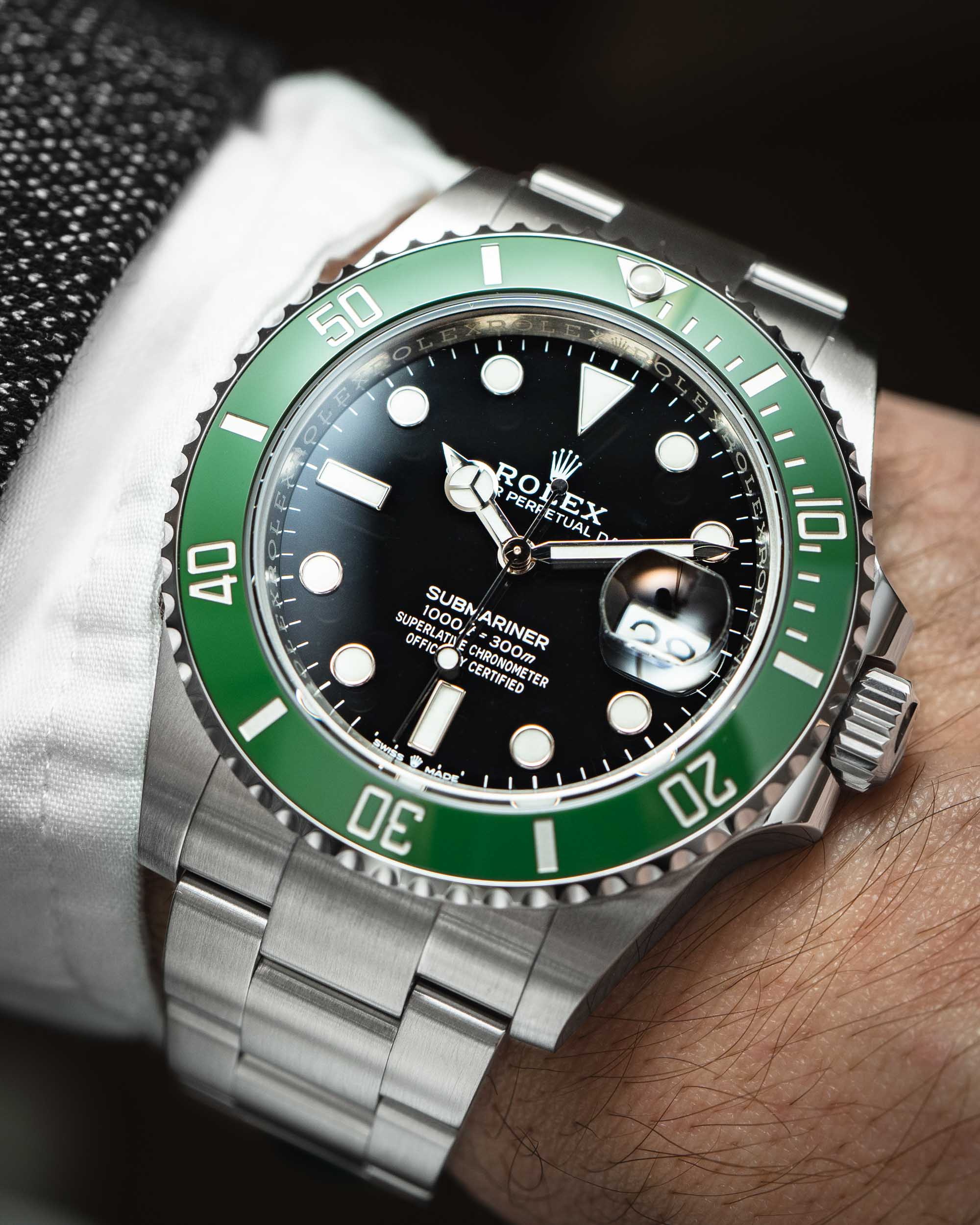
In the past, consumers often relied on price as a primary indicator of quality, especially in categories where differentiation was less apparent. Today, however, the luxury watch market is characterized by a highly informed consumer base. Buyers engage in extensive research, consult expert reviews, and compare options across numerous brands. This environment makes arbitrary price hikes unsustainable. Brands that have doubled or even tripled their retail prices for products that have not undergone significant upgrades are now facing the consequences of market pushback. This is not a sign of market disappearance, but rather a clear indication of consumer revolt against perceived overpricing and a lack of added value.
The Domino Effect of Price Increases
The consequences of these aggressive pricing strategies are multifaceted and far-reaching.
-
Alienation of Existing Customers: A significant concern is the alienation of long-term customers. Brands that have cultivated relationships over years or decades risk severing these ties when price increases outpace inflation and perceived value. A watch that once retailed for $4,000 might now be priced at $8,000 or more. While this may create higher margins per unit, it effectively prices out a substantial segment of loyal clientele who are no longer able to afford the brand’s offerings. This is particularly problematic as retaining existing customers is demonstrably more cost-effective than acquiring new ones.

-
Misinterpretation of "Value": The industry often operates under the misconception that consumers only begin to scrutinize value at higher price points. This is a fallacy. All consumers, regardless of their wealth, seek value for their money. The wealthy are not necessarily driven by a desire to spend as much as possible to showcase their affluence. Instead, they tend to spend as little as they can to achieve the specific product value they desire. This means that even affluent buyers are sensitive to price increases that do not correspond with tangible improvements in product design, materials, craftsmanship, or innovation.
-
The "Greed" Factor: While brands often cite increased operating costs and inflation as justifications for price hikes, the reality is that these increases often far exceed proportional cost rises. The motivation appears to be less about necessity and more about capturing maximum profit, a phenomenon often perceived as extractive greed. This approach not only damages consumer relationships but also fails to benefit the broader watch ecosystem, as retailers may struggle to sell overpriced inventory, and the increased revenue often benefits only a select few within the brand’s hierarchy.
-
The Strong Swiss Franc Misdirection: The strength of the Swiss Franc is frequently cited as a reason for price increases. However, from an economic perspective, a strong currency can actually enhance purchasing power for international businesses. If Swiss brands are earning significantly more in foreign currencies due to the Franc’s strength, they possess the capacity to maintain or even reduce prices while still retaining profitability and enhancing their global competitiveness. The argument that a strong Franc necessitates price increases is often a convenient rationalization for profit maximization.

The Path Forward: Value, Not Just Price
The luxury watch industry faces a critical juncture. The assumption that a focus on the wealthy automatically justifies unchecked price increases is a flawed strategy that undermines long-term brand health and market penetration. Brands must recognize that even affluent consumers are discerning and seek value.
Instead of focusing solely on price hikes, brands should prioritize:
- Enhancing Product Value: This can involve genuine innovation in materials, movements, design, and craftsmanship. Offering demonstrably superior products justifies price increases.
- Strategic Pricing: Price adjustments should be incremental and closely aligned with inflation and tangible product improvements. The goal should be sustainable growth, not short-term margin maximization at the expense of market goodwill.
- Strengthening Customer Relationships: Investing in customer loyalty programs, exclusive events, and personalized experiences can foster deeper connections and mitigate the impact of price adjustments.
- Diversifying Target Audiences: While the wealthy are important, exploring strategies to re-engage or attract aspirational buyers with thoughtfully priced, entry-level luxury options can broaden the market base.
The future of the luxury watch industry hinges on its ability to adapt to evolving consumer behaviors and economic realities. By shifting focus from arbitrary price escalation to delivering genuine value and fostering strong customer relationships, brands can ensure their continued relevance and success in an increasingly competitive global marketplace. The current trajectory, driven by an overreliance on price increases as the primary growth strategy, risks alienating its core audience and ultimately diminishing its own long-term prospects. The industry’s future prosperity depends not on how much it can charge, but on how much value it can consistently deliver.