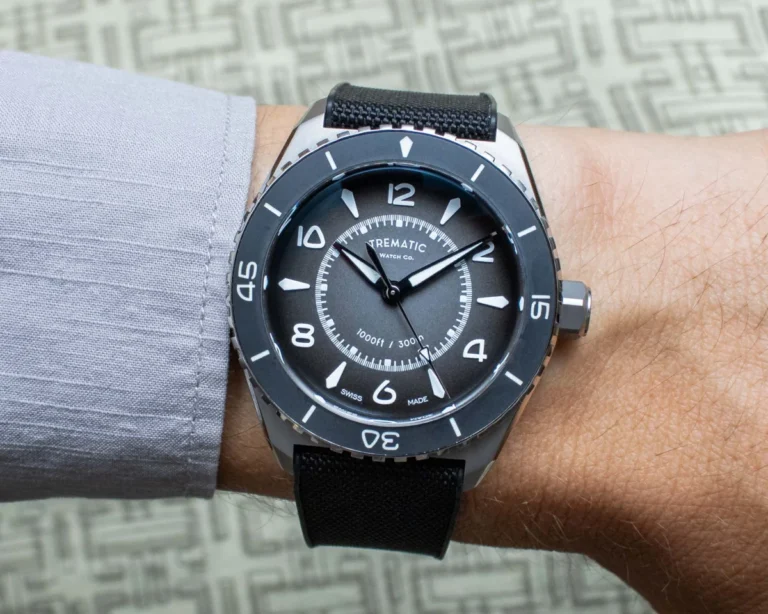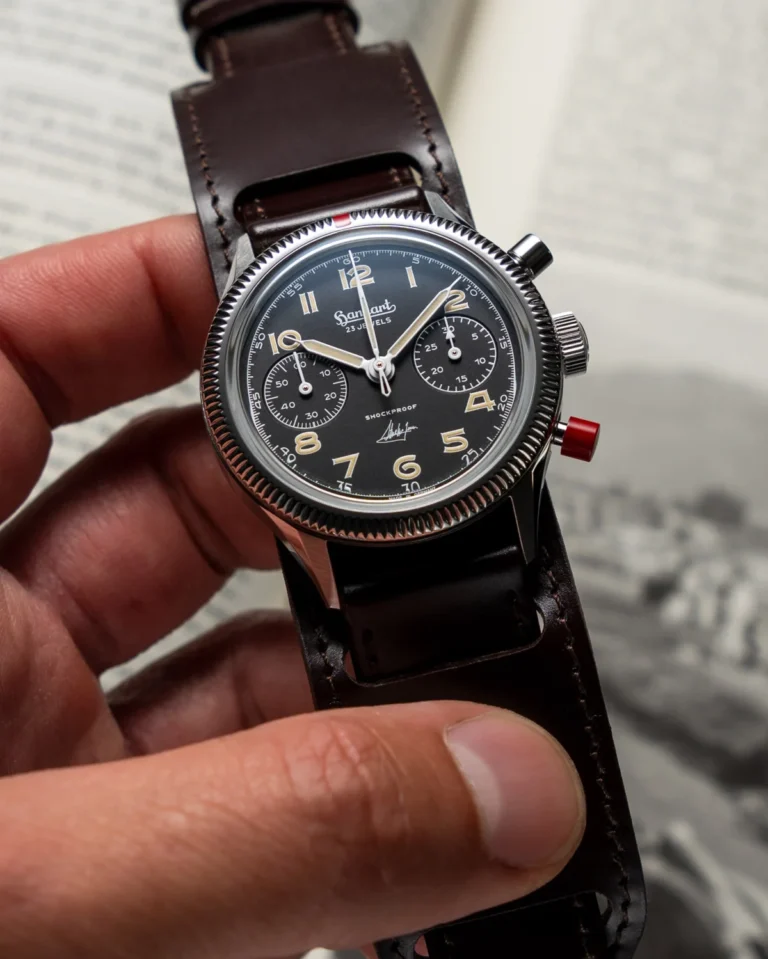










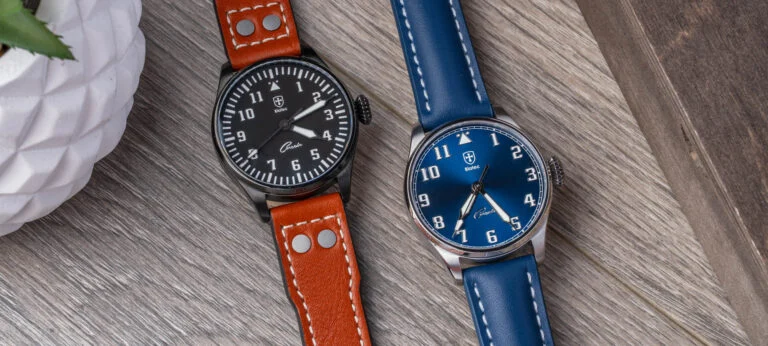
The Slovakian watchmaker Biatec has officially launched its updated Corsair collection, introducing two distinct iterations: the Corsair CS and the Corsair Vintage. This release marks a significant evolution for the brand’s popular pilot-inspired timepiece, building upon the foundation of the original Biatec Corsair. While the original model holds a special place in the hearts of some collectors, including the author of this piece, the new generation aims to refine the design, enhance wearability, and offer a more contemporary or classic take on the pilot watch aesthetic.

The evolution of watch designs is a constant in the industry, often sparking passionate debate among enthusiasts and owners of earlier iterations. The Biatec Corsair’s journey is a prime example of this phenomenon. The original model, known for its distinctive and somewhat idiosyncratic case design, has garnered a loyal following. However, Biatec’s decision to introduce the Corsair CS and Corsair Vintage reflects a strategic effort to broaden the appeal of the line, catering to both those who appreciate a more refined, "dress pilot" aesthetic and those who favor the traditional, rugged utility of a classic flieger.

A Tale of Two Corsairs: Design Philosophy and Evolution
At the heart of the Biatec Corsair’s appeal lies its unique case. The original model’s robust, somewhat blocky case and distinctive lugs set it apart from many competitors, imbuing it with a character that some collectors find irreplaceable. Biatec has acknowledged this sentiment while also recognizing the need for modernization.

The new Corsair CS retains the original’s 40mm diameter and 48mm lug-to-lug measurement, ensuring a familiar presence on the wrist. However, the case has undergone a significant redesign, adopting a sleeker, softer silhouette. This optimization has resulted in a notable reduction in thickness, bringing the new model down to 11.5mm from the original’s previous dimensions. This two-millimeter difference is described as "unquestionably noticeable on the wrist," contributing to a more comfortable and less imposing wear experience. The redesigned case eschews the "slab-sided blockiness" of its predecessor for a more universally appealing form, featuring elegantly curved lugs, finely brushed sides, a polished chamfer, and a flat sapphire crystal. The Corsair CS is available in various finishes, including the striking black DLC seen in promotional materials, alongside traditional stainless steel and rose gold options.

In contrast, the Corsair Vintage harks back to the quintessential Type A flieger design. This iteration embraces a more traditional aesthetic, prioritizing legibility and historical accuracy. Its matte black dial features lumed minute hashes that encircle the dial, a stark departure from the more elaborate dial of the CS. This design choice aims to deliver a pure, unadorned pilot watch experience, which many enthusiasts associate with the golden age of aviation timekeeping. The Vintage model is offered in several dial colorways, including white and green, and the black dial can be further customized with retro lume or blued hands, offering a nuanced blend of classic appeal and personal preference.

The Iconic Crown and Caseback Innovations
A standout feature of the Biatec Corsair has always been its diamond-style, jumbo pilot crown. This element has been refined in the new models. While retaining its classic form, the crown now boasts increased fluting, providing a more tactile and refined feel when winding or setting the watch. A significant functional upgrade is the transition from a screw-down crown on the original to a pull-out crown on the new models, despite maintaining a robust 100-meter water resistance rating. This change, while potentially perceived as a step back in ultimate water protection by some, enhances user convenience for everyday wear. The crown action is described as "incredible," offering an easy grip and a remarkably smooth winding experience, underscoring Biatec’s attention to detail in even the smallest components.

The caseback has also seen an update. While the original featured a screw-down caseback, the new Corsair models now employ a screw-secured design. This change, while subtle, contributes to the overall refined construction of the watch. Internally, the custom propeller rotor and decorated movement ring are retained, offering a visual continuity with the brand’s heritage.

Strap Considerations: Aesthetics and Proportions
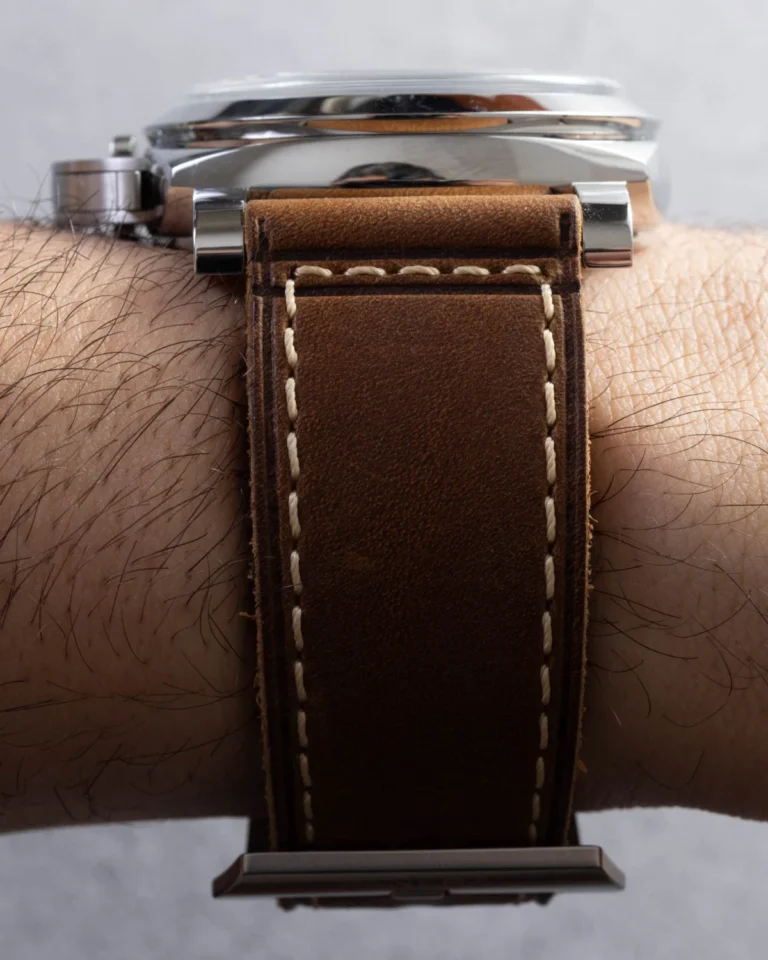
The choice of straps plays a crucial role in a watch’s overall presentation and wearability. Biatec offers its new Corsair models on well-crafted 20mm straps, equipped with quick-release pins for easy interchangeability. Both the CS and Vintage models come with stock straps that are noted for their quality and attractive hardware, avoiding the common pitfall of a poorly executed strap detracting from an otherwise excellent watch.

However, a point of contention arises with the strap on the Corsair CS. The author specifically calls out the thickness of the blue leather strap, describing it as disproportionate to the watch’s lugs. This aesthetic imbalance is contrasted with the pilot-style strap on the Vintage model, which is deemed to be in better proportion with its lug profile. The author’s strong opinion on strap thickness highlights a nuanced aspect of watch design, where even functional elements can significantly impact the perceived quality and wearability of a timepiece. The quick-release mechanism on the CS strap is therefore welcomed, allowing for easier adaptation to other strap options.

Dial Legibility and Luminescence
The dials of the Biatec Corsair remain a strong suit, prioritizing legibility, a critical characteristic for any pilot watch. The Corsair CS adopts a more sophisticated "dress pilot" aesthetic. Its polished applied numerals, reminiscent of classic Zenith Type 20 models, contribute to this refined look, while the sunray dial, available in blue, black, or silver, adds depth and visual interest. The applied "Corsair" script at the 6 o’clock position further accentuates this dressier orientation. The railroad minute track and stylized hands maintain a connection to the tool-watch heritage, ensuring that legibility is never compromised.

The Biatec Corsair Vintage, on the other hand, presents a more traditional Type A flieger dial. Its matte black finish, combined with lumed minute hashes and Arabic numerals, offers exceptional contrast and immediate readability. This design is considered by the author to be the most classic and legible iteration, providing a purer flieger experience.

A point of criticism leveled at both the original and the new Corsair CS is the lume performance. While the hands on the CS are noted to be sufficiently luminous, the numerals are described as "woefully dim." This suggests that the dial design, which remains largely unchanged from the original CS, did not see improvements in this specific area. In contrast, the Vintage model demonstrates superior lume performance, with an even glow across all dial elements, matching the lumed hands of the CS. This improvement in the Vintage model indicates a targeted effort to enhance this crucial aspect of a pilot watch.

Movement Evolution: From Eterna to Sellita
A significant technical upgrade in the new Biatec Corsair models is the movement. The original model was powered by the Eterna 3902A, a modular caliber that, while ambitious, ultimately proved to be a less than successful venture for Eterna and its parent company. The author notes personal experience with the Eterna 39 platform being "finicky," requiring manual intervention to start after a full wind.

The new Corsair models have transitioned to the Sellita SW200-1. This Swiss automatic movement is widely recognized for its reliability, ease of servicing, and consistent performance. It operates at 28,800 vibrations per hour and offers a power reserve of approximately 41 hours. Biatec has opted for the top-grade version of the SW200-1, featuring blued screws, decorative finishing, and factory regulation to within -/+4 seconds per day across five positions. This move to a proven and robust movement addresses the reliability concerns associated with the previous Eterna caliber.

It is worth noting that the Sellita SW200-1 is now considered an older generation, with the SW200-2+ emerging as the newer standard. The article expresses a hope that Biatec will consider upgrading to the latest Sellita movement in future iterations, a common practice among watch brands seeking to offer the most up-to-date technology.

Pricing and Availability
The Biatec Corsair CS is priced at €1,490 EUR when fitted with a leather strap, and the Biatec Corsair Vintage is priced at €1,590 EUR on leather. Optional bracelet upgrades are also available, with the bracelet for the CS costing an additional €185 EUR and the bracelet for the Vintage costing €215 EUR. These price points position the new Corsair models competitively within the microbrand and independent watchmaking sector, offering a blend of refined design, quality construction, and proven movements.

Broader Implications for Biatec
The introduction of the updated Biatec Corsair lineup signifies a maturing phase for the Slovakian brand. By listening to customer feedback and observing market trends, Biatec has demonstrably evolved its flagship model. The strategic decision to offer distinct CS and Vintage variants addresses a wider spectrum of pilot watch preferences, from the modern and elegant to the historically inspired and utilitarian.

The move to the Sellita SW200-1 addresses potential long-term reliability concerns and ensures a more consistent ownership experience, a critical factor for brands aiming for sustained growth and customer loyalty. While the author expresses a fondness for the unique characteristics of the original Corsair, the enhancements in wearability, movement reliability, and the introduction of more classic design elements in the Vintage model suggest a forward-thinking approach by Biatec.

The success of these new models will likely depend on their ability to resonate with both existing Biatec enthusiasts and new customers seeking well-crafted, thoughtfully designed pilot watches. The brand’s commitment to refining its offerings and expanding its appeal positions it as a noteworthy player in the independent watchmaking scene. The Biatec Corsair’s journey from a distinct, perhaps polarizing, original to a more broadly appealing and refined collection highlights the dynamic nature of watch design and the importance of continuous improvement in meeting the expectations of a discerning clientele.