








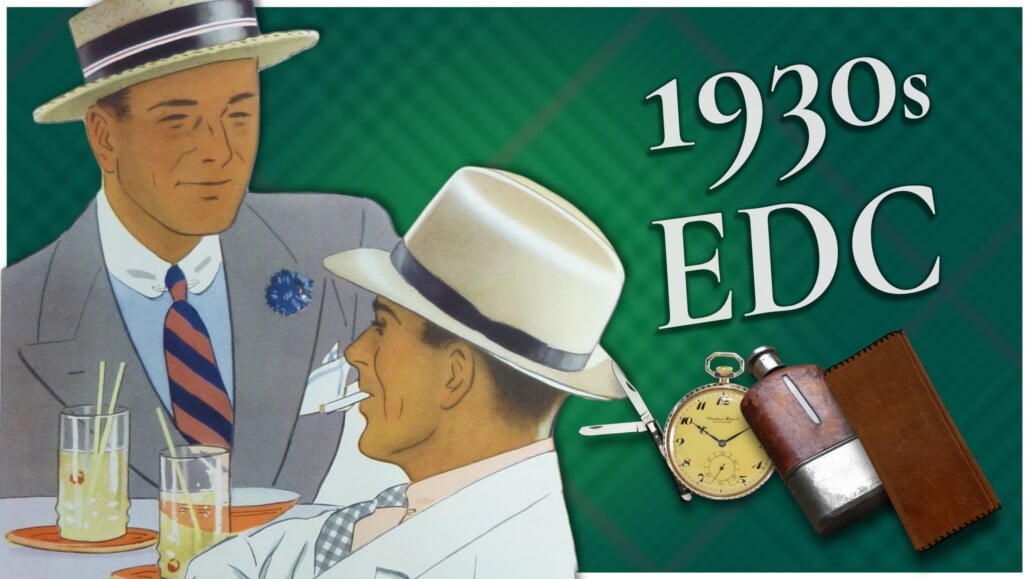
The 1930s, often lauded as the "Golden Age of Menswear," witnessed the apex of sartorial elegance where impeccably tailored silhouettes were a daily mandate. Yet, a gentleman’s outward presentation was merely one facet of his meticulous persona; what he discreetly carried within his pockets—his Everyday Carry (EDC)—was equally critical to his functional preparedness, social standing, and resilience amidst the profound challenges of the Great Depression. This curated collection of essentials not only underscored a commitment to personal responsibility but also reflected the socio-economic realities and technological advancements of the era, establishing a benchmark for preparedness that resonates even today.
The Economic and Social Tapestry of the 1930s
The decade unfolded under the shadow of the Great Depression, an unprecedented economic downturn that gripped the world, particularly the United States, following the 1929 stock market crash. This period of widespread unemployment, poverty, and uncertainty profoundly influenced daily life, fostering a culture of pragmatism, self-reliance, and careful resource management. Despite the austerity, maintaining a dignified appearance and being prepared for any eventuality remained a point of pride and a subtle assertion of stability. This dual imperative—to be both elegant and eminently practical—defined the contents of the 1930s gentleman’s pockets. The EDC items of this era were not mere accessories; they were tools for navigation, communication, self-sufficiency, and social engagement in a world undergoing rapid transformation.
The Foundational Arsenal: A Deep Dive into 1930s EDC
The core components of a 1930s gentleman’s Everyday Carry represented a thoughtful balance between utility, hygiene, social custom, and personal expression. Each item had a specific role, often evolving in form and function throughout the decade.

1. Monetary Implements: The Wallet and Its Contents
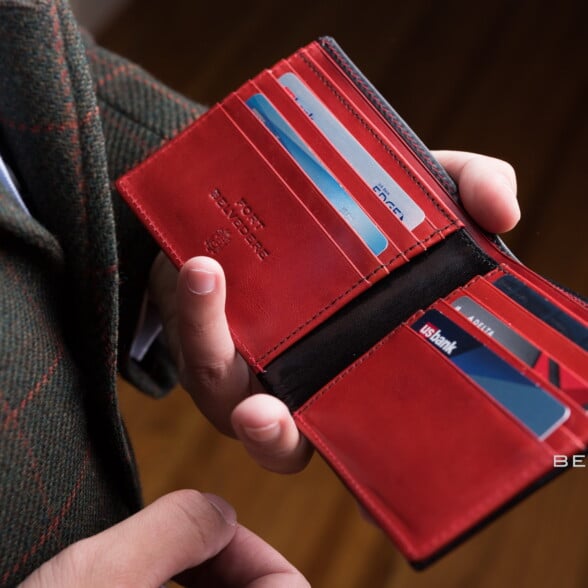
In an era predating credit cards and digital transactions, cash was the undisputed king of commerce. The wallet of the 1930s gentleman was primarily designed to accommodate paper currency, typically bills of various denominations. While less voluminous than modern wallets, they also held a select few essential cards. The rise of new government programs under President Franklin D. Roosevelt’s New Deal led to the issuance of new forms of identification. Men frequently carried their driver’s licenses, alongside nascent government-related IDs for initiatives such as the Civilian Conservation Corps (established 1933), Social Security (enacted 1935), and early prototypes for Food Stamps (piloted 1939). These documents, particularly Social Security cards, marked a significant shift towards federal identification and a more structured social safety net, making them indispensable for accessing benefits or proving identity. Wallets were typically crafted from fine leathers like calfskin or more exotic skins, reflecting a gentleman’s taste even in such a functional item. The design emphasized slimness and discretion, intended to sit comfortably within a jacket or trouser pocket without creating an unsightly bulge.
2. The Handkerchief: A Multifunctional Essential
No gentleman of the 1930s would consider leaving home without a clean handkerchief. Far from being a mere fashion accessory, the handkerchief was a cornerstone of personal hygiene and social etiquette. Made from washable cotton, linen, or sometimes silk, these squares of fabric served a multitude of practical purposes: cleaning spectacles, wiping hands, mopping one’s brow on a warm day, or discreetly offering to a lady in distress. Designs were typically plain white or solid colors, with personalization often achieved through embroidered initials, signifying ownership and a touch of class. For men engaged in more strenuous manual labor, such as farmers or factory workers, larger, more robust bandanas made from coarser cotton were favored, offering better protection against grime and sweat. The handkerchief was a silent testament to a man’s attentiveness to detail and respect for public decorum.
3. The Pocket Knife: A Tool of Discreet Utility
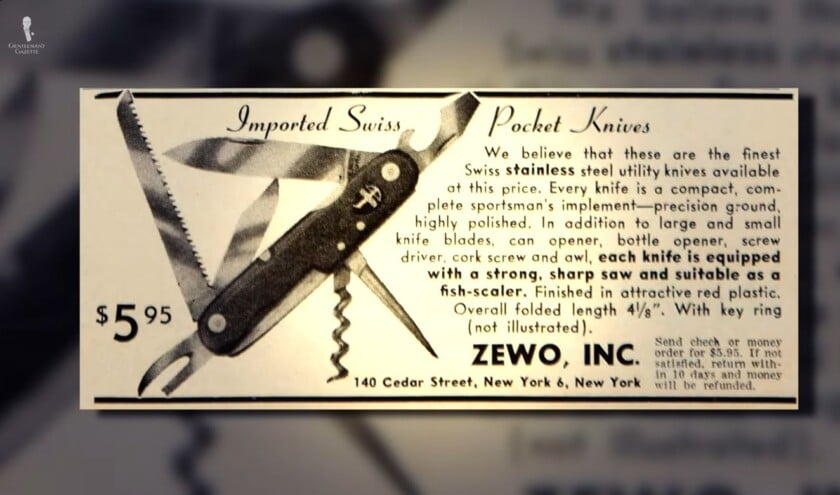
Long before the advent of elaborate multi-tools, the pocket knife was an understated yet indispensable instrument for daily utility. Simple slipjoint knives, typically featuring one or two blades, were incredibly practical for a myriad of tasks: opening letters, trimming loose threads, sharpening a pencil, paring fruit, or even shaving plug tobacco for a pipe. The choice of handle material often reflected a blend of durability and aesthetic appeal, ranging from celluloid, Bakelite, and bone to more refined silver or mother-of-pearl. These knives were designed to be discreet, elegant, and reliable, embodying a gentleman’s preparedness for the small exigencies of daily life without drawing undue attention. Their presence underscored a philosophy of self-sufficiency and readiness for minor repairs or immediate needs.
4. The Compact Sewing Kit: Self-Sufficiency in a Pouch
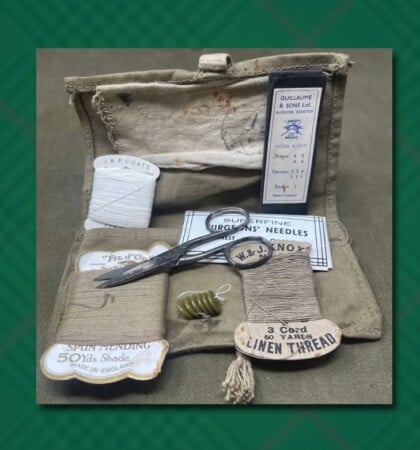
Dating back centuries, portable sewing kits were crucial for mending clothing on the go, a necessity amplified during the austerity of the Great Depression. Known historically as a "housewife" (or huswife/husif), a term first recorded in 1749 and standard issue for soldiers in both WWI and WWII, these kits became particularly vital in the interwar years. The prevailing "waste not, want not" mentality meant that rather than discarding clothing at the first sign of damage or incurring the cost of a tailor, a man could handle minor repairs himself. These compact kits, often housed in canvas or leather pouches, typically contained needles, pins, an assortment of threads in common colors, spare buttons, a thimble, small scissors, and sometimes wax for strengthening thread or waterproofing. This item reflected the economic realities of the time, where frugality and practical skills were highly valued. (It’s worth noting that the UK Ministry of Defense formally phased out the term "housewife" in 2019 due to its gendered connotations.)
5. Keys and Signet Rings: Access, Authority, and Identity
Organization and security were paramount. Keys for homes, automobiles, offices, and Post Office boxes were fundamental everyday essentials. These were typically kept on a simple, sturdy brass ring, designed for easy access and to prevent loss. Some more elaborate key rings featured a chain component, similar to those used for pocket watches, allowing them to be secured to a belt or waistcoat button. A fashion trend of the era saw chains, fobs, and buckles sold in harmoniously decorated sets, adding a touch of coordinated elegance. Beyond mere access, signet rings played a significant role. While often worn prominently as a symbol of family lineage, personal achievement, or club affiliation, they retained their historical function of sealing documents with wax, a practice that, though declining, still symbolized authority and authenticity. Crafted from gold or silver, often featuring family crests or monograms, and sometimes adorned with precious stones, signet rings were a powerful statement of identity and tradition.
6. The Timepiece: A Shift in Punctuality and Style
The 1930s marked a pivotal transition in timepiece preferences. By the middle of the decade, wristwatches had begun to outsell traditional pocket watches. This paradigm shift was driven by several factors: the enduring preference of WWI veterans for portable "trench watches" worn on the wrist for quick, hands-free time checks; the gradual decline of waistcoats, which traditionally housed pocket watches; the rise of central heating, making heavy waistcoats less necessary; and a subtle societal move away from overt, ostentatious displays of wealth in the post-Depression era.
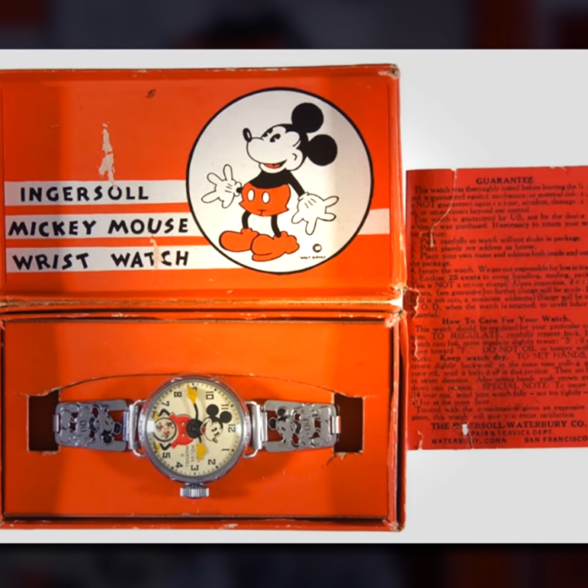
The market offered a spectrum of options. Luxury brands introduced iconic pieces such as the Rolex Oyster Perpetual (1931), renowned for its waterproof and self-winding capabilities; the Jaeger-LeCoultre Reverso (1931), with its innovative reversible case designed to protect the crystal during polo matches; and the elegant Patek Philippe Calatrava (1932), epitomizing classic dress watch design. Simultaneously, budget-friendly options like the Elgin Legionnaire and Bulova Banker provided reliable timekeeping for the masses. A remarkable story from this period is how the Waterbury Clock Company (now Timex) famously averted bankruptcy during the Great Depression through a legendary partnership with the struggling Walt Disney Studios. In 1933, they launched the world’s first Mickey Mouse character watch, which debuted at the Chicago World’s Fair. Selling an astonishing 11,000 units on its first day at Macy’s and over two million within eighteen months, this iconic timepiece not only saved the historic Connecticut clockmaker but forever changed the trajectory of the wristwatch market, democratizing timekeeping with a touch of whimsy.
7. The Pocket/Hip Flask: A Taste of Discretion
Crafted from materials like pewter, silver, or glass, often elegantly wrapped in leather or fabric, the hip flask was a highly utilized item, particularly in the early part of the decade. With the 18th Amendment and the Volstead Act enforcing Prohibition from 1920 to 1933, the production and sale of alcohol were strictly prohibited. However, consumption was not explicitly illegal. Consequently, many American men carried clandestine flasks, often filled with privately distilled or purchased spirits, to parties, social gatherings, or simply for personal consumption. This habit persisted freely even after the repeal of Prohibition in 1933, as men continued to carry their own "potent potables" to taverns or pubs, exercising personal preference and often saving money. The hip flask became a symbol of personal liberty and discretion, a small rebellion against societal constraints or a practical way to enjoy one’s preferred libation.
8. Tobacco and Accouterments: The Ritual of Smoking
Tobacco use was a ubiquitous cultural element worldwide in the 1930s, deeply integrated into social rituals and daily routines. Gentlemen who smoked carried a range of accouterments:
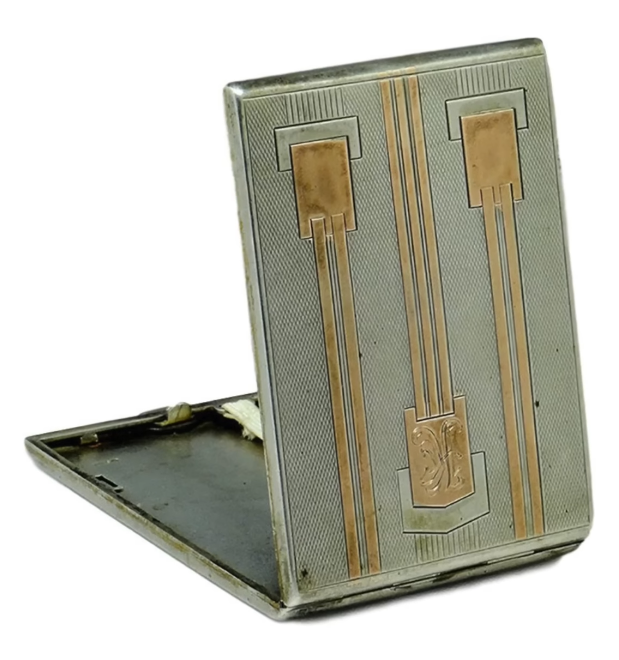
- Cigarette Cases: Men would transfer factory-made or hand-rolled cigarettes into elegant metal cases, which were kept in a jacket pocket. These cases ranged from utilitarian base metals to luxurious, engraved precious metals, often featuring Art Deco designs. They protected cigarettes from crushing and offered a more refined presentation than a crumpled pack.
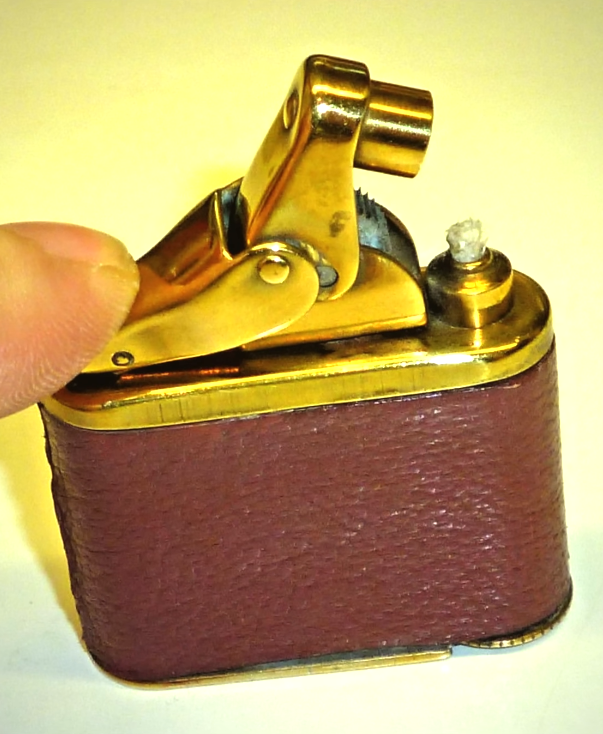
- Lighters: While traditionalists still used matches, portable lighters grew increasingly common after the development of ferrocerium (flint) in the 1910s. The iconic windproof Zippo lighter, utilizing petroleum naphtha fluid and a wick, made its debut in 1932, quickly becoming a symbol of reliability and American ingenuity.
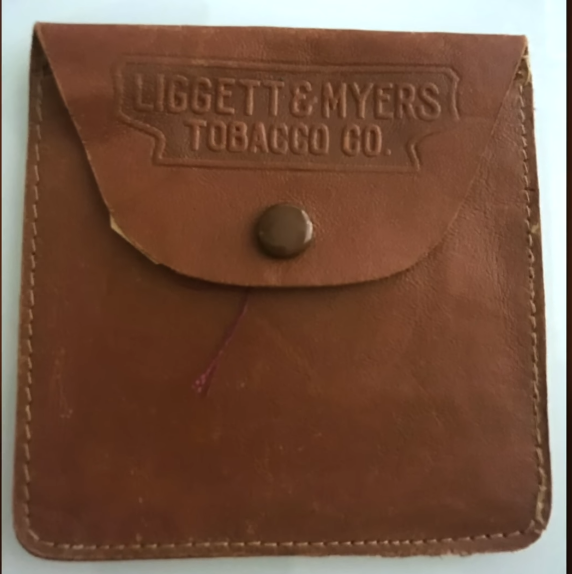
- Pipes: Pipe smokers required a dedicated set of items: a leather or canvas tobacco pouch to keep their blend fresh, a tamper tool for packing the bowl, and a method for lighting, typically matches or a lighter. The ritual of pipe smoking was often associated with contemplation and sophistication.
9. Writing Instruments: The Pen and Notebook

A true gentleman was always prepared to record a fleeting thought, jot down a phone number, sign a check, or compose a brief note. Fountain pens were the absolute standard writing instrument of the 1930s. Brands like Parker, Waterman, and Sheaffer produced exquisite pens with gold nibs, often encased in stylish materials such as Bakelite, celluloid, or polished hard rubber. These pens were typically refilled from ink bottles, requiring a degree of care and maintenance. Alongside the pen, a small, leather-bound notebook or a pocket diary was indispensable for keeping records, appointments, and observations. The modern ballpoint pen, though invented earlier, did not see widespread use until the 1940s, cementing the fountain pen’s reign throughout the decade. This pairing underscored the importance of literacy, communication, and meticulous record-keeping in an era without digital memo pads or smartphones.
10. Grooming: The Pocket Comb
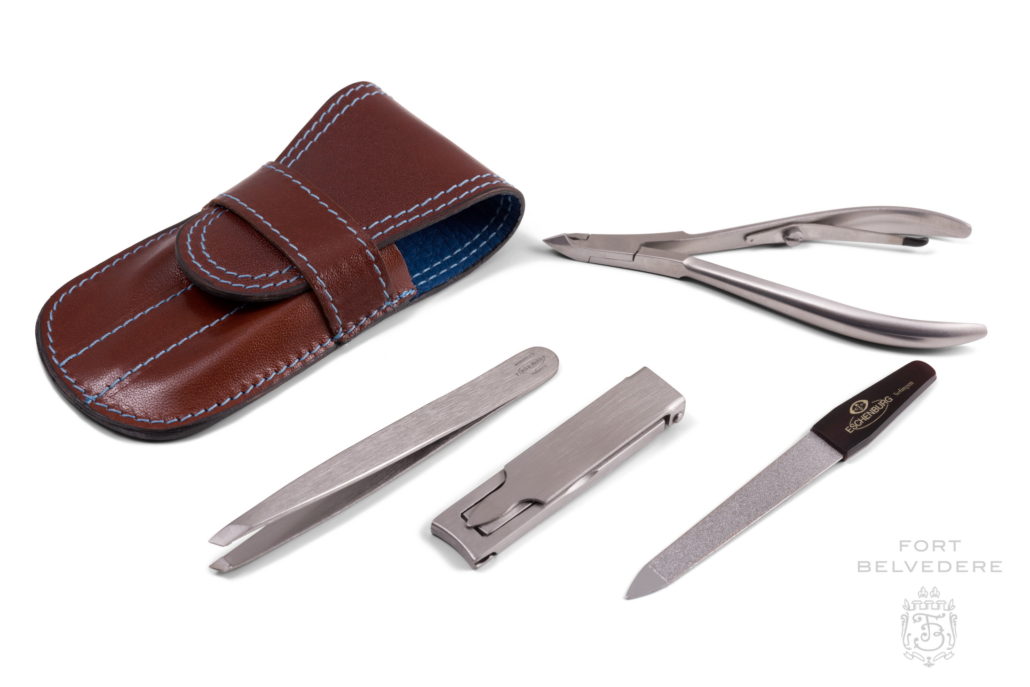
Though men wore hats by default in public, proper etiquette required them to remove their hats frequently, such as indoors, during introductions, or in the presence of ladies. A lustrous, slicked-back hairstyle, meticulously maintained with pomade, was the prevailing standard for men. To combat "hat hair" or simply refresh their coiffure throughout the day, gentlemen carried pocket combs. These were typically made from natural materials like horn or tortoiseshell, or synthetic plastics such as celluloid or Bakelite, and occasionally metal. Most were basic rectangular or oblong shapes, though folding models existed for enhanced portability. Accompanied by small tins of pomade, these combs ensured that a gentleman’s appearance remained impeccable, reinforcing the era’s emphasis on personal presentation.
Bonus Essentials: Paper Ephemera and Leisure
Beyond the core ten, two additional categories of items were frequently found in a 1930s gentleman’s EDC, reflecting the modes of information dissemination and leisure of the time:
- Paper Ephemera: In a world far removed from today’s largely digital information streams, much of daily life’s essential information was conveyed on paper. Men frequently carried non-permanent items like folded newspapers for current events, ticket stubs for public transport or entertainment, public transit timetables for navigation, and physical maps for travel. These items were crucial for staying informed and navigating the urban landscape.
- Novelty Hand Games: To alleviate boredom during commutes or lighten the mood during the hard times of the Great Depression, men often carried decks of cards or small, handheld skill games. These mechanical puzzles, sometimes featuring metal balls akin to miniature pinball, offered simple, portable entertainment and a brief diversion from daily anxieties.
Conclusion: A Legacy of Preparedness and Style
The Everyday Carry of the 1930s gentleman was a microcosm of an era defined by both profound hardship and unwavering commitment to personal standards. Each item, from the practical sewing kit reflecting economic necessity to the elegant timepiece embodying evolving social norms, underscored a gentleman’s dedication to preparedness, self-reliance, and dignified presentation. This curated arsenal not only enabled men to navigate their daily lives with efficiency and grace but also left an indelible mark on the concept of personal utility. While the specific items have largely transformed with technological advancements, the underlying principles—the pursuit of functionality, readiness, and a refined personal style—remain the enduring legacy of the 1930s gentleman’s EDC, inspiring a thoughtful approach to what we carry today.
Frequently Asked Questions
What did men keep in their wallets in the 1930s?
Primarily cash, as credit cards did not yet exist. Men also carried driver’s licenses and new government IDs, such as Social Security cards, while checkbooks were used for transferring large sums for significant transactions.
Did men wear pocket watches or wristwatches in the 1930s?
Both were common, but wristwatches gained significant popularity and began to outsell pocket watches by the mid-1930s. This shift was heavily influenced by WWI veterans preferring the convenience of "trench watches" and the stylistic decline of waistcoats.
What was a "housewife" in the context of a 1930s EDC?
It was the historical term for a compact, portable sewing kit. Stocked with needles, thread, and buttons, these kits were vital during the Great Depression for mending clothing on the go, embodying the era’s "waste not, want not" mentality.
Was it legal to carry a hip flask during Prohibition?
Yes. While the 18th Amendment strictly prohibited the production and sale of alcohol from 1920 to 1933, it did not explicitly ban consumption. This legal loophole made clandestine hip flasks incredibly popular for carrying personal libations.
What kind of pens did gentlemen use in the 1930s?
Fountain pens from reputable brands like Parker, Waterman, and Sheaffer were the absolute standard. These pens typically featured gold nibs and were refilled from ink bottles. The modern ballpoint pen did not see widespread use until the 1940s.
How did men entertain themselves on the go?
To kill time during the Depression, men carried newspapers for reading, decks of cards for games, or novelty handheld skill games, such as pocket-sized mechanical pinball games, offering simple diversions.