




The global fashion industry, a colossal economic force, is also a significant contributor to environmental degradation and social inequities. While the spotlight often falls on high-fashion and seasonal trends, the fundamental items we wear daily—our basics like underwear, t-shirts, bras, socks, and pajamas—collectively represent an enormous and frequently overlooked sector with substantial impact. A growing movement towards conscious consumption is urging individuals to scrutinize even these wardrobe staples, seeking out alternatives with more responsible credentials. This guide aims to navigate this evolving landscape, offering a curated selection of brands committed to ethical and environmental best practices, as rigorously assessed by expert rating systems.
The Unseen Impact of Everyday Essentials
The production of clothing, particularly under the prevailing "fast fashion" model, is resource-intensive and often exploitative. Cotton cultivation, for instance, can be highly water-intensive and reliant on chemical pesticides, impacting soil health and local water supplies. Dyeing processes release toxic chemicals into waterways, while garment manufacturing frequently occurs in regions where labor laws are weak or poorly enforced, leading to low wages, unsafe working conditions, and even child labor. Basics, by their very nature, are consumed and replaced at a high rate. An average consumer might replace their underwear several times a year, their socks even more frequently, and t-shirts are constant staples. This high turnover exacerbates the problems of textile waste—with a staggering 85% of all textiles ending up in landfills annually—and the continuous demand for virgin resources. The environmental footprint of these seemingly innocuous items, from raw material extraction to manufacturing, transportation, and eventual disposal, is immense. Embracing more sustainable basics is not merely a lifestyle choice but a critical step towards mitigating these systemic issues, offering a tangible way to make a difference from the innermost layers of one’s wardrobe.
A Chronology of Conscientious Consumption
The journey towards a more ethical and sustainable fashion industry has been a gradual but accelerating one. Decades ago, concerns about labor practices in garment factories were largely confined to activist circles. Events like the 2013 Rana Plaza factory collapse in Bangladesh, which killed over 1,100 garment workers, served as a grim turning point, exposing the hidden human cost of fast fashion to a global audience. This tragedy galvanized consumer awareness and put immense pressure on brands to improve transparency and accountability in their supply chains. Concurrently, scientific research increasingly highlighted the environmental devastation wrought by conventional textile production, from microplastic pollution to excessive water usage and carbon emissions.
In response, a new wave of ethical consumerism began to emerge. Consumers, armed with more information, started demanding greater transparency, better working conditions, and environmentally friendly materials. Platforms like Good On You arose to meet this demand, providing accessible ratings and information on brands’ impact on people, the planet, and animals. This shift has fostered an environment where brands are increasingly compelled to adopt sustainable practices, not just as a moral imperative but as a market necessity. The availability of certified materials (like organic cotton, Fair Trade, GOTS, TENCEL, recycled polyester) has expanded, and innovative production methods (closed-loop systems, regenerative agriculture) are gaining traction. This evolution signifies a move from niche activism to a more mainstream understanding that every purchasing decision, even for a simple t-shirt or a pair of socks, carries ethical weight.
Diving Deep: Sustainable Undergarments – Underwear and Bras
The intimate nature of underwear and bras makes comfort and fit paramount, but these qualities need not come at the expense of ethical production. Traditional undergarments often rely on synthetic fibers derived from petroleum or conventionally grown cotton, both of which have significant environmental impacts. The following brands demonstrate that style, comfort, and sustainability can coexist, offering products made with integrity.
- Etiko: An Australian pioneer in organic fair trade clothing and shoes, Etiko consistently champions human rights within its supply chains. Their commitment ensures fair wages and safe conditions for workers producing their range of comfortable underwear and other basics. Available in AU sizes 8-20, their products set a high standard for ethical manufacturing.
- Mighty Good Basics: This brand delivers on its promise of quality, affordable, organic, and fair trade underwear. All products are Global Organic Textile Standard (GOTS) certified, signifying stringent environmental and social criteria. Their use of renewable energy in the supply chain further minimizes their ecological footprint. They offer underwear in AU sizes 6-22.
- Subset (Knickey): Formerly Knickey, this US brand excels with organic cotton underwear sets made in Fairtrade certified factories. Beyond responsible production, Subset has innovatively partnered with an NYC non-profit to recycle old undergarments, transforming fibers into insulation and rug pads, actively diverting textile waste from landfills. Most items are available in sizes 2XS-4XL.
- nat’v basics: Designed for the everyday woman, this Australian label focuses on comfortable basics made from recycled and lower-impact materials. Their design philosophy eliminates unnecessary frills, ensuring maximum comfort and minimal environmental impact. The range is available in AU sizes 6-20.
- CASAGiN: This Italian brand extends its philosophy of a sustainable and conscious lifestyle to apparel. CASAGiN’s designs are crafted to foster a more mindful approach to dressing, utilizing materials and practices that align with their ethical vision. They offer items in sizes XS-2XL.
- PACT: A US-based brand, PACT is dedicated to transforming apparel production. All their clothing is sweatshop-free and child-labor-free. Their activewear, including underwear, is predominantly made from certified organic cotton, with over 50% also Fair Trade certified, ensuring both environmental and social responsibility. PACT is available in sizes XS-3XL.
- KENT: Pioneering circularity, US brand KENT produces the first verified compostable underwear. Made from organic cotton, these garments are designed to return to nature within 90 days when composted, feeding the soil and promoting a truly regenerative cycle. Their timeless organic underwear comes in sizes XS-3XL.
- Proclaim: Los Angeles-based Proclaim creates beautiful and inclusive intimate apparel from responsible materials like recycled plastic bottles and TENCEL. Their "nude" shades cater to diverse skin tones, and they ensure a living wage for workers in their California factory, regularly visiting suppliers to uphold standards. Sizes S-3XL are available.
- Underprotection: This Danish brand seamlessly blends ethics with aesthetics. Their underwear, loungewear, and swimwear utilize lower-impact materials like organic cotton. With all packaging recycled or biodegradable and a commitment to certified factories for fair wages and working conditions, Underprotection celebrates women while protecting the planet. The full range is available in XS-XL.
- Luva Huva: Offering comfortable yet elegant lingerie, UK-based Luva Huva (pronounced lov-er huva) uses environmentally friendly fabrics such as organic cotton, bamboo, soy, remnant materials, and vintage lace. Their pieces are handmade in the UK, often available in custom sizing, emphasizing unique, low-impact production.
- Not Basics (Pantee): This UK women’s wardrobe essentials brand prioritizes comfort and sustainability. Starting with underwear made from deadstock t-shirts, they incorporate recycled materials and limit production runs to minimize textile waste. Available in sizes XS-3XL.
- WAMA: A leader in the hemp clothing industry, WAMA produces premium hemp underwear. Their high proportion of responsible materials, including organic cotton and hemp, combined with PETA-approved vegan certification, makes them a standout. They offer inclusive sizing from XS-4XL.
- ColieCo: This Portuguese brand specializes in handmade-to-order lingerie, underwear, and swimwear. Every garment is crafted using exclusively lower-impact and responsibly sourced fabrics, ensuring premium quality with a reduced footprint. The range is available in sizes 2XS-3XL.
- Anekdot: Handmade in Berlin, Anekdot offers sustainable designer underwear, swimwear, and loungewear. Their unique approach involves upcycling production leftovers, deadstock, and vintage trimmings, creating limited edition pieces and giving materials a new life. Most products are available in sizes XS-XL.
- HERTH: An Italian lifestyle brand, HERTH combines sustainability and ethics with timeless design. Their slow fashion approach focuses on contemporary pieces crafted by local Italian artisans using lower-impact materials, emphasizing meticulous detail and effortless luxury. They offer sizes XS-2XL.
- NICO: Established in Australia, NICO delivers high-quality basics and underwear with a minimalist aesthetic. Their factories are signatories to The Bangladesh Fire and Building Safety Accord and hold BSCI and WRAP certifications, ensuring robust social standards. The range is available in sizes XS-2XL.
- Miakoda: For those embracing an organic plant-based lifestyle, NYC-made Miakoda offers ultra-cosy active and loungewear, including intimate pieces. Their stripped-back colors and designs prioritize comfort while supporting different shapes and sizes, with a range from XS-4XL.
- NUDEA: This British brand prioritizes sustainability, comfort, flexibility, and style in its sleep and underwear collections. NUDEA uses lower-impact materials and partly traces its supply chain, reflecting a commitment to responsible practices. Items are available in XS-XXL.
- Boody: Founded in Australia, Boody creates comfortable everyday essentials from organically grown bamboo. They reduce waste through lower-waste cutting techniques and employ a closed-loop system in their supply chain, embodying the green and ethical movement. Sizes XS-4XL are offered.
- Pico: This British brand makes beautifully soft men’s and women’s underwear using cotton sourced from organic farming co-operatives. As a vegan brand, their products are Fairtrade International – Small Producers Organisations certified, ensuring both animal welfare and fair social standards. Designs are available in sizes XS-XL.
Stepping Towards Sustainability: Socks and Stockings
Socks and stockings, often considered disposable, also contribute to the textile waste crisis. Conventional options frequently use synthetic blends that shed microplastics and are difficult to recycle. Sustainable alternatives focus on durable, natural, or recycled fibers, ensuring comfort and longevity.
- Conscious Step: This US brand creates premium fair trade, organic, and vegan socks and clothes, each supporting significant charities. Their production process emphasizes fair wages, safe facilities, and lower-impact materials, making every purchase a step towards social and environmental change. Socks come in S-L, and clothes in 2XS-2XL.
- Q for Quinn: Offering sustainable, non-toxic, and eczema-friendly clothing for all ages, Q for Quinn’s essentials are made using organic, responsibly sourced materials, prioritizing health and environmental well-being.
- Harvest & Mill: Committed to local and sustainable production, Harvest & Mill’s pieces are grown, milled, and sewn exclusively in the US, supporting American organic cotton farmers. Their products are un-dyed and unbleached, significantly reducing water, energy, and chemical use. By cultivating diverse cotton varieties, they also bolster biodiversity, crucial for ecosystem health. Shop the range in sizes S-XL.
- Neem: A UK brand, Neem focuses on men’s clothing, including socks, with a strong emphasis on transparent supply chains and environmental safeguarding. Their commitment to ethical sourcing and production makes them a responsible choice for everyday wear. Most items are available in sizes S-2XL.
Resting Responsibly: Pyjamas and Sleepwear
Given the significant amount of time spent in bed, choosing sustainable sleepwear is a logical extension of an ethical wardrobe. These brands offer comfortable and stylish options that prioritize both personal well-being and planetary health.
- Beaumont Organic: This UK-based slow fashion brand combines simple style with responsible production. Founded by Hannah Beaumont-Laurencia, the brand also supports a charitable foundation in Fiji, reflecting a holistic commitment to ethical practices. Find their range in sizes XS-L.
- I was a Sari: This Indian brand creatively transforms used saris and deadstock fabrics into vibrant, modern products, including sleepwear. Their approach breathes new life into existing textiles, reducing waste and often supporting local artisan communities. Pieces are available in sizes S-L.
- Printfresh: A US-based, majority woman-owned business, Printfresh offers sleepwear, apparel, and lifestyle items inspired by nature. Their commitment to design and ethical production makes their patterned pajamas a delightful and responsible choice. Find Printfresh pieces in sizes 2XS-6XL.
- BJ’s PJs: This Australian brand focuses on minimal, comfortable, and supportive lounge and sleepwear crafted from lower-impact materials. Manufacturing garments locally reduces their shipping impact, and most of their supply chain is traced, ensuring accountability. Clothes are available in sizes XS-4XL.
- ettitude: This Australian brand specializes in sleepwear and bedding made with innovative CleanBamboo™ fabric, engineered for comfort. Ettitude minimizes textile waste by reusing offcuts and reduces water use through a closed-loop system in its supply chain. Most clothing is available in S-XL.
- Sorella Organics: An Australian brand founded by human rights advocate Anna McGregor, Sorella Organics offers certified organic sleepwear, including maternity wear. Their use of Fairtrade certified cotton ensures strict social standards, making ethical sleepwear accessible without compromising affordability. Find the range in sizes S-XL.
The Everyday Essential: Sustainable T-shirts
The humble t-shirt is a ubiquitous item, forming the cornerstone of countless wardrobes. Its widespread use makes the choice of a sustainable t-shirt particularly impactful. These brands offer well-made options that prioritize environmental and social responsibility.
- The Good Tee: This Canadian brand is dedicated to humanizing the fashion industry by providing responsibly made basics for the entire family. They produce Fairtrade and GOTS certified fashion, tracing their entire supply chain and auditing suppliers to ensure ethical practices. Their range is available in sizes XS-2XL.
- Yes Friends: A UK-based brand committed to making affordable, responsible clothing accessible. By leveraging large-scale production and direct-to-consumer margins, Yes Friends offers classic cut organic cotton t-shirts at an exceptionally low price, proving that ethical fashion can be budget-friendly. The range is inclusively sized in 2XS-4XL.
- tentree: This Canadian brand takes environmental commitment seriously, planting ten trees for every item purchased, contributing to ecosystem regeneration and global planting jobs. All products are created with an Earth-first approach, using lower-impact and recycled materials under fair, safe working conditions. tentree’s clothes are typically available from XS-XL.
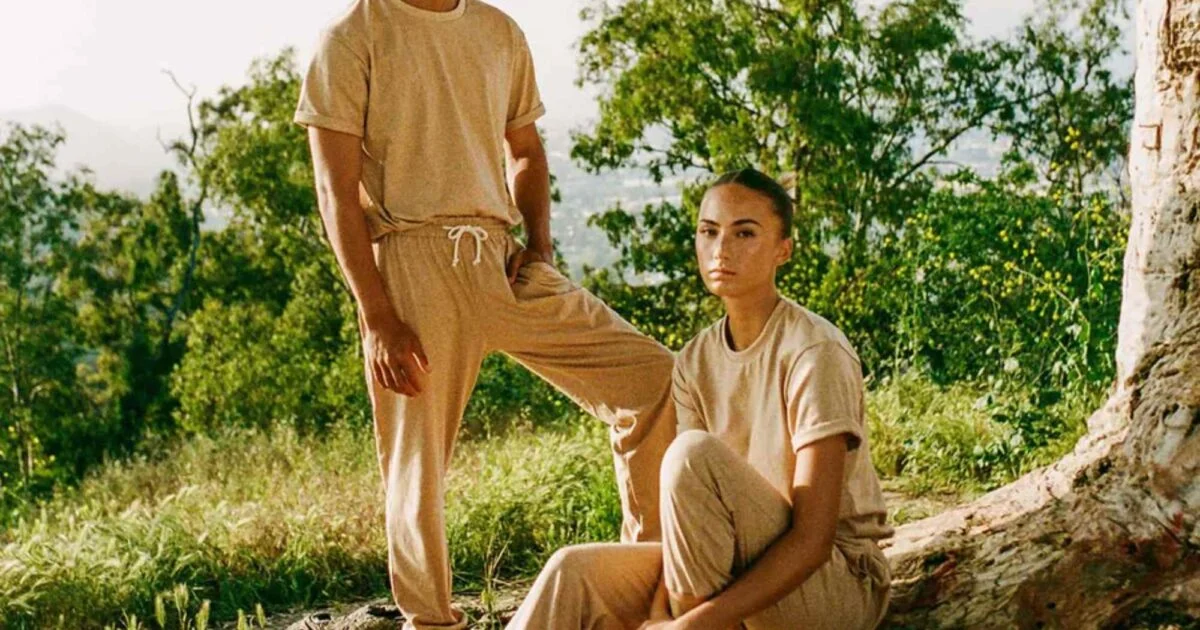
- FM 669: This US brand produces apparel from homegrown, GOTS-certified cotton sourced from Texas farms using regenerative practices. They utilize lower-impact dyes in limited production runs, offering effortlessly wearable, gender-neutral pieces with a laid-back aesthetic. Offered in sizes XS-L.
- Citizen Wolf: Australian brand Citizen Wolf employs revolutionary technology to create custom-fit t-shirts, guaranteeing a superior fit. Each tee is handmade in Sydney using certified lower-impact fabrics like cotton, hemp, and Merino wool milled in Melbourne, combining bespoke quality with sustainable production.
- Dorsu: Based in Cambodia, Dorsu creates everyday basics and signature favorites that form the core of a conscious wardrobe. Their focus on ethical production in a region often associated with fast fashion ensures fair labor practices and responsible manufacturing. The full range is available in XS-XL.
- Opera Campi: Founded in Italy, Opera Campi crafts premium quality garments from locally-sourced raw materials. Their balanced approach to sustainability is evident throughout their supply chain, and they donate 4% of profits to social causes, integrating philanthropy into their business model. The brand is inclusively sized from 3XS-3XL.
- Happy Earth: This US organic clothing brand is deeply inspired by nature and committed to its preservation. Through partnerships with non-profits and ambassadors, Happy Earth actively engages in planting trees, fighting climate change, and cleaning up trash, making every purchase a direct contribution to environmental efforts. Most items are available in sizes XS-3XL.
- CARPASUS: A Swiss menswear brand, CARPASUS offers fine shirts, ties, socks, and pocket squares. They use GOTS certified cotton and manufacture locally to minimize their carbon footprint. Their supply chain is fully traced, and they ensure workers are paid a living wage. Find most products in EU sizes 36-46.
- Toad&Co: This US brand operates with a socially and environmentally minded ethos, creating women’s and menswear suitable for both outdoor adventures and casual settings. Their commitment to responsible practices underpins their durable and versatile clothing lines. Most items are available in sizes XS-2XL.
- PANGAIA: A materials science company, PANGAIA designs products for diverse living situations, prioritizing smart technology and recyclable elements. Their focus on bio-based materials and innovative solutions pushes the boundaries of sustainable fashion, particularly in activewear and basics.
- Colorful Standard: This Danish brand eschews seasonal trends, focusing on timeless, long-lasting organic fashion essentials for men and women. Their philosophy aims to counter over-consumption by providing durable and classic pieces in a wide spectrum of colors. Most items are available in sizes XS-2XL.
- BAM: UK-based BAM specializes in womenswear and menswear basics made from bamboo. The brand boasts a "Good" rating across people, planet, and animals, tracing most of its supply chain and offering a clothing recycling program to consumers, actively addressing end-of-life textile waste. Most items are available in sizes XS-L.
Broader Implications and the Future of Fashion
The shift towards sustainable basics signifies a broader, fundamental change in the fashion industry. It reflects a growing understanding that sustainability is not a luxury but a necessity, impacting everything from raw material sourcing and manufacturing to consumer purchasing habits and waste management. The proliferation of brands committed to ethical production, coupled with the increasing demand from informed consumers, is driving innovation in material science, supply chain transparency, and circular economy models.
Industry analysts observe that certifications like GOTS and Fair Trade are becoming increasingly important benchmarks for consumer trust. Furthermore, the emphasis on local manufacturing, living wages, and waste reduction demonstrates a comprehensive approach to corporate responsibility. While challenges remain, particularly in scaling sustainable practices across the entire global supply chain and ensuring true affordability, the momentum is undeniable. This movement towards conscious basics suggests a future where fashion is not only stylish and comfortable but also deeply respectful of both people and the planet. Continued consumer advocacy and support for these pioneering brands will be crucial in solidifying this ethical foundation for the fashion industry.
Editor’s note: Feature image via Harvest & Mill, all other images via brands mentioned. Good On You publishes the world’s most comprehensive ratings of fashion and beauty brands’ impact on people, the planet, and animals. Use our directory to search thousands of rated brands.
This article was updated on 9 April 2026. Our editors frequently make updates to articles to ensure they’re up to date. We refreshed our selection of brands to ensure we’ve included brands with recent ratings.