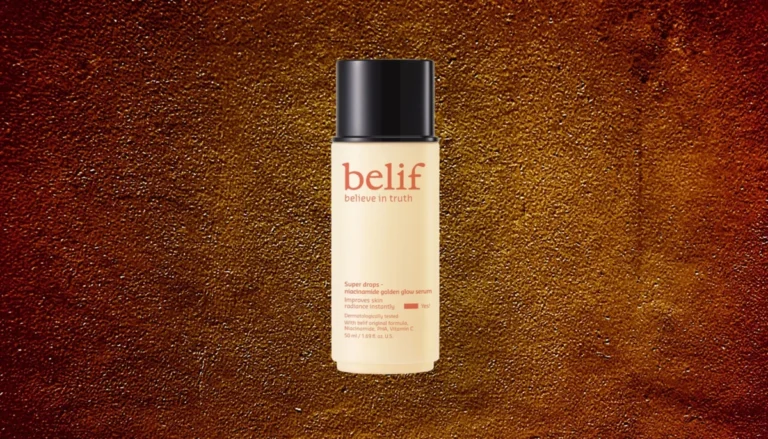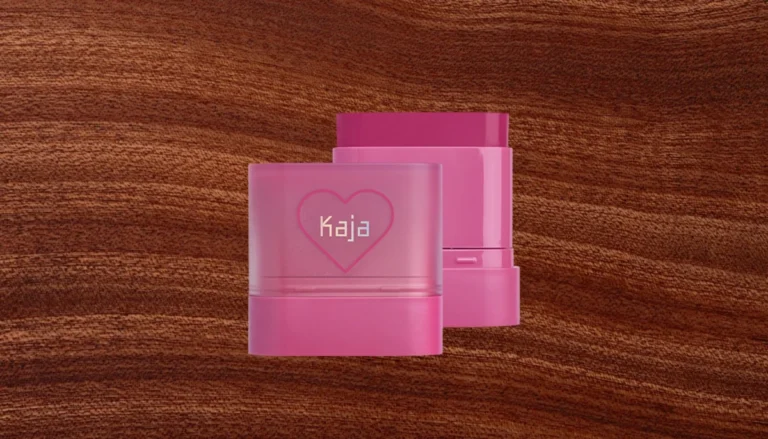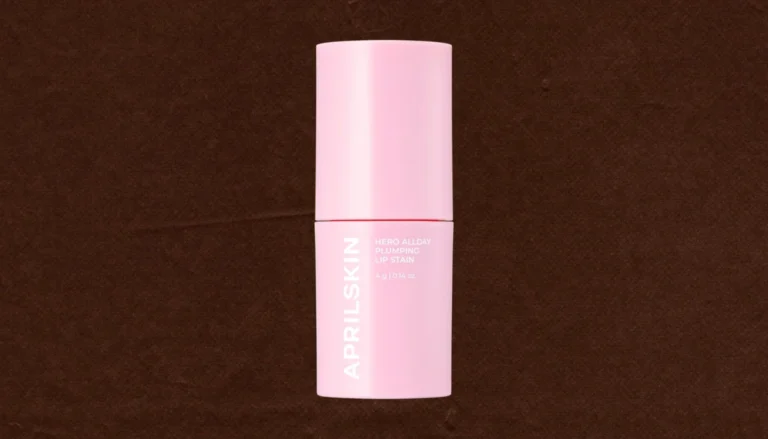









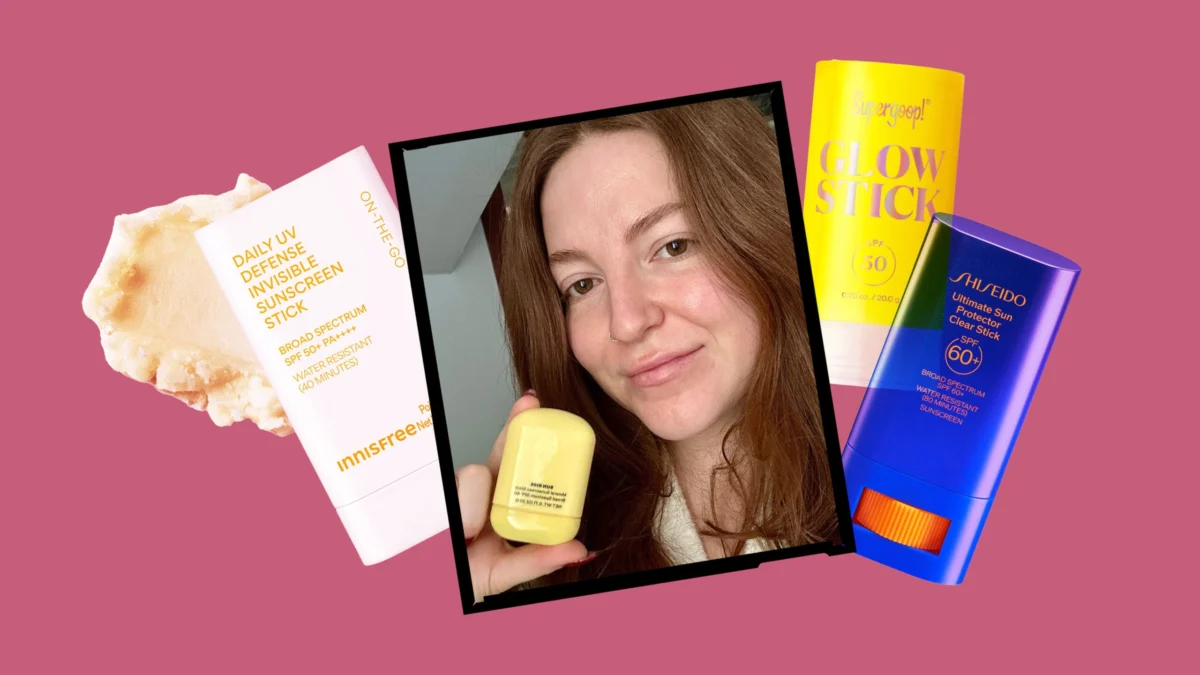
In an era where skincare innovation continually strives to blend efficacy with convenience, sunscreen sticks have emerged as a popular and portable option for daily sun protection. These solid formulations offer a distinct advantage in terms of application precision and ease of transport, particularly for on-the-go individuals and for targeting sensitive facial areas. However, as with any evolving product category, understanding their full scope of utility and potential limitations is crucial for consumers seeking comprehensive sun safety. Dermatologists and product testing experts emphasize that while sunscreen sticks perform admirably in specific applications, they are not a one-size-fits-all solution for full-body coverage.
The Precision and Portability Advantage
Sunscreen sticks have gained traction due to their inherent convenience. Their solid form factor eliminates the risk of spills, making them ideal companions for travel, gym bags, and everyday purses. Dr. Sheila Badreshia-Bansal, a board-certified dermatologist, highlights this benefit, stating, "Sunscreen sticks offer a convenient and mess-free method for applying sun protection, making them ideal for targeted areas like the face, ears, and shoulders. Their solid form ensures portability and ease of use without the risk of spillage—a significant plus for travel, reapplication, and anyone constantly on the go." This ease of application is particularly valuable for individuals who find traditional lotions or sprays cumbersome to use, or who need to reapply sunscreen frequently throughout the day in public spaces.
The precise application offered by sunscreen sticks is another significant draw. Unlike lotions or sprays that can be difficult to control, sticks allow for direct application to specific zones. This is especially beneficial for areas that are often overlooked or particularly vulnerable to sun damage. Dr. Mona Gohara, a board-certified dermatologist, previously explained the importance of protecting the delicate skin around the eyes: "The skin [around the eyes] is more fragile and thinner, making it more susceptible to fine lines and photoaging, so sunscreen is essential." Sunscreen sticks can be expertly applied to these sensitive areas, including eyelids, without migrating into the eyes, a common issue with liquid formulations. Furthermore, they are a favored option for individuals with fresh, colorful tattoos, providing a targeted and protective layer without smudging or obscuring the artwork.
Efficacy: Matching Up to Traditional Formulations
From an efficacy standpoint, sunscreen sticks are proving to be a robust contender in the sun protection arena. Dr. Benjamin Fahs, a dermatologist, asserts that "broad-spectrum solid stick formulas perform just as well as the best liquid sunscreens." This statement is grounded in the understanding that the fundamental protective mechanism of sunscreen lies in its active ingredients and their ability to provide broad-spectrum coverage against both UVA and UVB rays. The efficacy of any sunscreen, regardless of its format, hinges on its formulation meeting regulatory standards for SPF (Sun Protection Factor) and broad-spectrum protection, and importantly, on its correct application and reapplication.
The critical caveat, however, is consistent with all sunscreens: the amount applied and the frequency of reapplication. For sunscreen sticks, this presents a unique challenge because the visual cues for application quantity are less apparent than with liquid sunscreens. Dr. Fahs offers practical guidance: "The more the merrier in general, but I tell patients to apply four passes back and forth on each area of application to make sure you get a good amount on." He further recommends gently rubbing the sunscreen into the skin to ensure even coverage across every inch, and applying it to dry skin to maximize its adherence and longevity. The principle of applying an adequate, visible layer is paramount for achieving the stated SPF protection.
The Limitations: When Sticks Don’t Go the Distance
Despite their many advantages, sunscreen sticks are not without their limitations, particularly when it comes to covering larger surface areas of the body. Dr. Levit, a dermatologist, articulates this drawback: "The other side of the coin is that it’s hard to cover a large body surface area. The stick won’t do the heavy lifting—you’ll need to supplement that with cream or lotion that can cover a broader surface area." The physical act of swiping a stick across the expanse of one’s back, legs, or arms would be both time-consuming and potentially inefficient, making it difficult to ensure a uniform and sufficiently thick layer of protection.
This means that for comprehensive sun protection, especially during extended outdoor activities or at the beach, sunscreen sticks should ideally be viewed as a complementary product rather than a sole solution. Consumers are advised to use them for targeted applications on the face, ears, neck, and other exposed areas that require precision, while relying on more traditional lotion or spray formulations for the bulk of their body coverage. This layered approach ensures that all exposed skin receives adequate protection without the logistical challenges of using a stick for entire limbs or torso.
The Science of Sunscreen Application and Reapplication
The effectiveness of any sunscreen is intrinsically linked to how it is applied and maintained. Dermatologists universally stress the importance of applying sunscreen liberally and reapplying it regularly. For sunscreen sticks, this means understanding that the "four passes" recommendation is a guideline to ensure a sufficient deposit of product. The visible sheen of sunscreen on the skin is a good indicator that an adequate amount has been applied.
Reapplication is equally critical. Dr. Roberta Del Campo, a Miami-based board-certified dermatologist, emphasizes this point: "Reapply every two hours at a minimum but more often if sweating or immersed in water." This advice applies across all sunscreen formats, including sticks. If a sunscreen stick is used for reapplication, the same principles of applying an adequate layer and ensuring even coverage hold true. The convenience of sticks for reapplication is undeniable; they can be easily tucked into pockets or small bags, facilitating touch-ups throughout the day, whether at a picnic, during a hike, or simply running errands.
Testing and Expert Endorsement
The development and evaluation of sunscreen products, including sticks, are subject to rigorous testing and expert scrutiny. Publications like Allure employ a multifaceted approach to reviewing beauty products, which includes an examination of product ingredients, brand claims, and scientific literature. For sunscreen sticks, this testing process typically involves evaluating performance across key categories such as ingredient efficacy, packaging design, fragrance, texture, and overall wearability.
The insights gathered from board-certified dermatologists and cosmetic chemists are integral to this evaluation. Their expertise helps to vet the formulations, ensuring that they meet the required standards for sun protection and skin compatibility. The Allure review process, for instance, emphasizes that their editorial team, comprising in-house writers, editors, and external contributors, works in conjunction with dermatologists to assess products. This collaborative approach aims to provide consumers with reliable and informed recommendations, considering a diverse range of user experiences and scientific data.
A Diverse Team for Comprehensive Review
The commitment to thorough product evaluation extends to recognizing the diversity of consumer needs and experiences. Allure‘s testing methodology underscores the importance of a diverse team of testers, encompassing various ages, skin tones, hair textures, genders, and backgrounds. This inclusive approach is crucial for ensuring that product recommendations are relevant and applicable to a broad spectrum of the population. For instance, a sunscreen that performs exceptionally well on lighter skin tones might behave differently on deeper skin tones, potentially leaving a white cast or being less visible. Similarly, individual skin sensitivities and preferences play a significant role in product satisfaction.
By leveraging a diverse testing pool, product reviews can offer a more nuanced and comprehensive understanding of how a sunscreen stick performs in real-world conditions for a wider audience. This includes assessing not only its protective capabilities but also its aesthetic qualities, such as how it feels on the skin, whether it leaves a residue, and how it interacts with makeup. Such detailed assessments are vital for consumers making informed purchasing decisions in a crowded market.
The Evolving Role of Sunscreen Sticks in Daily Regimens
The introduction and refinement of sunscreen sticks represent a significant step in making sun protection more accessible and user-friendly. Their precision application is particularly valuable for individuals who are diligent about protecting specific facial areas prone to premature aging, such as the forehead, nose, and cheeks. This targeted approach can contribute to a more consistent and effective sun protection strategy.
Moreover, the portability of sunscreen sticks makes them an excellent tool for encouraging regular reapplication, a habit that is often neglected due to inconvenience. The ability to quickly and discreetly apply sunscreen throughout the day can significantly enhance overall UV defense, particularly in urban environments where incidental sun exposure can accumulate. As dermatologists continue to advocate for daily, year-round sunscreen use, products like sticks that simplify this process are likely to remain a valuable component of many skincare routines.
In conclusion, sunscreen sticks offer a compelling blend of convenience and targeted efficacy. They excel in precise application for sensitive areas and provide a portable solution for on-the-go protection. While they may not fully replace traditional body sunscreens for extensive coverage, their performance is comparable to liquid formulations when used appropriately. The key to maximizing their benefit lies in understanding their strengths, acknowledging their limitations, and integrating them thoughtfully into a comprehensive sun protection strategy that prioritizes consistent application and regular reapplication. As the science of sun care continues to advance, the evolution of formats like sunscreen sticks promises to further empower consumers in their pursuit of healthy, protected skin.