










The evolution of dermatological science has transformed the landscape of skincare for mature individuals, shifting the focus from masking signs of aging to addressing the biological mechanisms that drive them. As skin matures, it undergoes significant physiological changes: the rate of cellular turnover slows, the production of structural proteins like collagen and elastin diminishes, and the natural moisture barrier becomes increasingly fragile. Navigating the modern market of face serums—highly concentrated formulations designed to penetrate the skin’s deeper layers—requires an understanding of ingredient efficacy, safety protocols, and the fundamental differences between active-based treatments and lipid-based products.
The Science of Ingredient Selection for Mature Skin
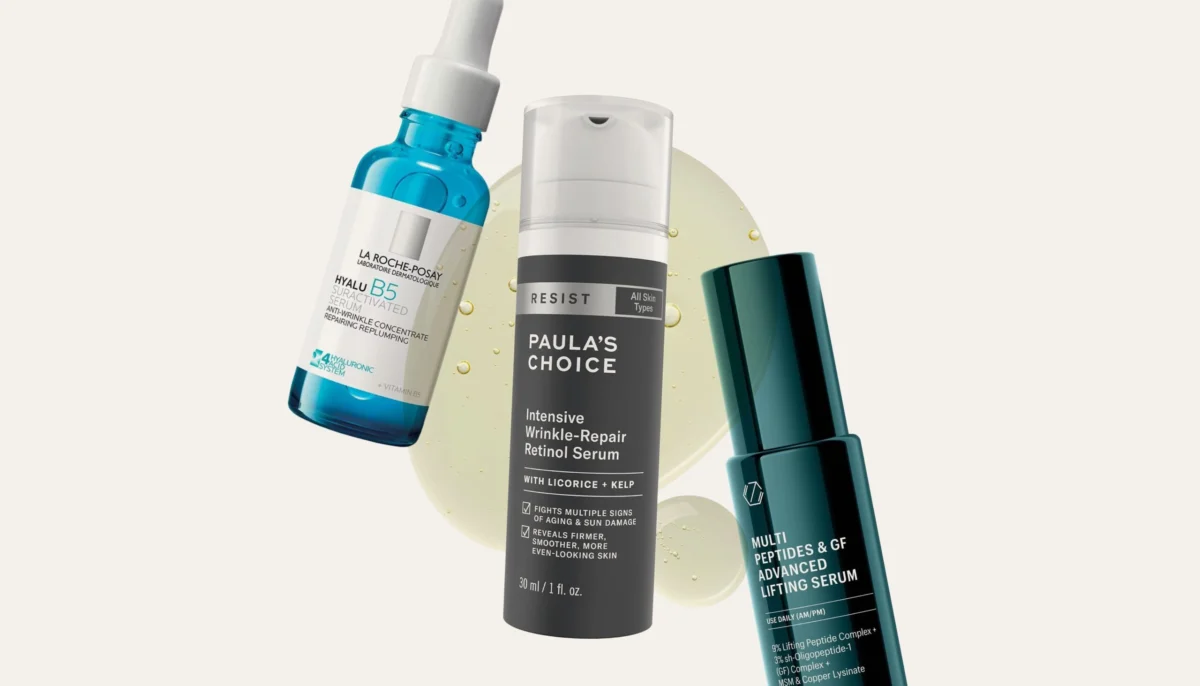
At the forefront of anti-aging skincare are retinoids, widely regarded by the dermatological community as the gold standard for clinical efficacy. Dr. Sun, a leading expert in cosmetic dermatology, emphasizes that retinoids function by accelerating cellular turnover and stimulating fibroblast activity, which in turn boosts collagen production. Clinical studies consistently show that consistent, long-term use of topical retinoids can visibly diminish fine lines and improve skin texture. However, the efficacy of a serum is often dictated by its ability to address multiple facets of aging simultaneously, including hydration and hyperpigmentation.
Hydration remains a cornerstone of skin health for those over the age of 50. As skin thins, it loses its capacity to retain water, leading to increased transepidermal water loss (TEWL). Hyaluronic acid has become a staple in modern formulations because of its unique humectant properties, capable of holding up to 1,000 times its weight in water, thereby creating a plumping effect that softens the appearance of static lines. Complementing these are emollients such as squalane, which mimic the skin’s natural sebum to prevent the sensation of tightness and irritation, providing a necessary occlusive layer that locks in hydration.
For those concerned with uneven skin tone and textural irregularities, the market has pivoted toward targeted brightening and exfoliating acids. Azelaic acid is frequently cited for its ability to reduce redness and manage discoloration, while alpha-hydroxy acids (AHAs) like glycolic and lactic acid provide chemical exfoliation by dissolving the "glue" that binds dead cells to the skin’s surface. Furthermore, salicylic acid, a beta-hydroxy acid (BHA), remains essential for those struggling with clogged pores, which can become more prominent as skin elasticity declines. The challenge for the consumer is not to utilize every active ingredient, but to curate a regimen based on specific physiological goals.
Safety Protocols for Thinning and Sensitive Skin
The maturation of skin is often accompanied by increased sensitivity, as the stratum corneum—the outermost layer of the skin—becomes more porous and reactive. Dr. Foad notes that while serums are generally safe, the "more is better" approach to active ingredients can lead to barrier disruption. The primary strategy for sensitive skin is the adoption of encapsulated retinoids, which release the active ingredient slowly over time, minimizing the inflammatory response while still providing the structural benefits of traditional retinoids.
To maintain a healthy moisture barrier, dermatologists advocate for the inclusion of barrier-repairing ingredients such as ceramides, niacinamide, and bisabolol. These compounds serve to reinforce the skin’s architecture, reducing the likelihood of redness or irritation when introducing new products. A best practice in dermatology is the "patch test"—applying a small amount of product to the inner forearm or behind the ear for 48 hours—before full-face application. Additionally, dermatologists recommend a "start low and go slow" methodology, introducing one new active ingredient at a time to monitor the skin’s tolerance.
The Functional Distinction: Serums versus Oils
A common point of confusion for consumers is the functional difference between face serums and facial oils. In a professional skincare routine, these products are not interchangeable; they serve distinct roles in the delivery of nutrients and the maintenance of the skin barrier.
Serums are scientifically formulated as lightweight, water-based or gel-like vehicles designed to carry high concentrations of active ingredients—such as peptides, antioxidants, and retinoids—into the dermis. Their primary objective is structural change: stimulating cellular repair and neutralizing free radicals caused by environmental stressors like UV radiation and pollution.
Conversely, facial oils are lipophilic formulations. While they are highly effective at sealing in moisture and providing an immediate, comfortable finish, they typically do not contain the necessary concentrations of active ingredients to induce deep structural rejuvenation. For the mature demographic, the most effective approach is a layered regimen: applying a targeted serum first to address aging concerns, followed by a facial oil to provide essential fatty acids and ensure the skin remains supple and protected throughout the day.
The Methodology of Clinical Evaluation
The industry standard for evaluating these products has shifted toward rigorous, evidence-based testing. At publications such as Allure, the evaluation process involves a multidisciplinary approach that scrutinizes not only brand marketing claims but also peer-reviewed medical literature. Each product is assessed across five key performance metrics: ingredient efficacy, packaging integrity, fragrance profile, sensory texture, and long-term wear.
This methodology relies heavily on the input of board-certified dermatologists and cosmetic chemists who analyze the stability of formulas and the bio-availability of their active components. The modern beauty consumer is more informed than ever, and the industry has responded by prioritizing transparency. This includes vetting ingredients through clinical index projects that ensure the products recommended are supported by science rather than trends.
The Imperative of Diversity in Product Testing
A critical development in the beauty industry is the recognition that "best-in-class" products must be validated across a diverse range of skin tones, ages, and conditions. Historically, many skincare products were developed and tested on limited demographics, failing to account for the unique needs of melanin-rich skin or the distinct requirements of skin over the age of 50.
Recent initiatives in the industry emphasize the importance of inclusive testing panels. By diversifying the test groups—incorporating participants of various ages, ethnicities, and skin types—brands can better understand how products perform under real-world conditions. For example, a product that performs well on a 25-year-old may not provide the necessary hydration levels for a 60-year-old, nor may it be appropriate for someone with a compromised barrier.
Broader Implications and Future Outlook
The current trend toward "pro-aging" rather than "anti-aging" reflects a broader societal shift. Consumers are increasingly seeking products that support the health and vitality of their skin as it changes, rather than seeking to achieve an unattainable, youthful standard. This has led to an increased demand for clean, fragrance-free, and clinically validated formulations.
The financial and medical implications of this market shift are significant. With the global skincare market expected to continue its upward trajectory, the focus is moving toward sustainable, long-term skin health. Future innovations in the sector are likely to focus on biotechnology, including the use of biomimetic peptides that signal the skin to repair itself at a cellular level.
As the industry continues to evolve, the partnership between dermatologists, cosmetic scientists, and the consumer remains paramount. By moving away from anecdotal evidence and toward a model based on clinical trial data and physiological understanding, the skincare industry is providing mature individuals with the tools necessary to maintain skin health, functionality, and confidence. The primary takeaway for any consumer is clear: skin health is a marathon, not a sprint, and an evidence-based approach is the most reliable path to achieving lasting results.